A surgical wound that stays dry and scabbed can take longer to close than one kept in a moist, balanced environment. The same is true when a patient is dehydrated. Hydration is not a separate step in wound care; it is a foundation. Inside the body, water keeps blood volume stable so oxygen and immune cells reach the wound edge. Outside the body, a well-chosen dressing prevents the wound bed from drying out or becoming over-macerated. This article explains both sides of that equation and looks at how clinicians and procurement teams can apply hydration principles to real dressing decisions.
Water makes up roughly 70 percent of a human cell, and nearly every biochemical reaction that supports repair happens in an aqueous environment. When a patient drinks too little, blood volume drops, and the heart has to work harder to circulate the same amount of plasma. The result is reduced perfusion at the wound edge. Oxygen that would normally diffuse from the capillaries to the wound bed now has to travel farther, and the body's immune response slows down.
Assess hydration status before touching the dressing. Looking for signs such as dark urine, dry mucous membranes, a reduction in urine output, or skin turgor that returns slowly when pinched can alert a clinician to a problem that no topical product can fix. In older adults, the thirst mechanism is often blunted. That makes it easy to miss mild dehydration, which can still prolong healing.
| Hydration status | Typical signs | Effect on wound healing |
|---|---|---|
| Mild | Mild thirst, dark urine, slightly reduced skin turgor. | Nutrient delivery can continue, but recovery time may be prolonged. |
| Moderate | Dry mucous membranes, fatigue, reduced urine output, lower blood pressure. | Immune cell transport is impaired; infection risk rises. |
| Severe | Very low urine output, confusion, tachycardia, delayed capillary refill. | Oxygen and nutrients cannot reach the wound bed; healing stalls. |
Dehydration also affects the skin around the wound. When the epidermis loses elasticity, the surrounding tissue cracks more easily and becomes another entry point for bacteria. Paying attention to fluid intake may seem like a basic nursing task, but it is one of the most reliable interventions available.
Modern wound care has moved away from a 'leave it dry' philosophy. The landmark experiment by George Winter in 1962 showed that wounds under an occlusive dressing re-epithelialized roughly twice as fast as those exposed to air. The reason is straightforward: epithelial cells migrate across a moist surface more easily than across a hard, dry scab. Drying creates a barrier that the body has to dissolve before it can close the wound.
However, moisture is not the same as excess water. A wound that is too wet develops maceration. The surrounding skin becomes white, wrinkled, and fragile, and bacteria have an easier route into the wound bed. The clinical goal is a balanced state: the wound bed stays visibly moist but does not pool fluid.
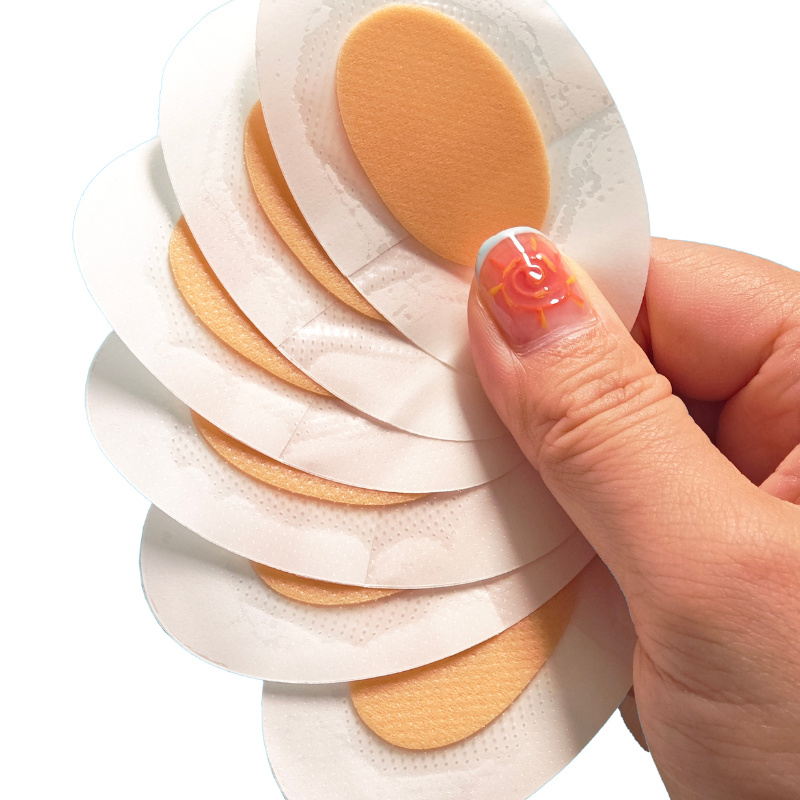
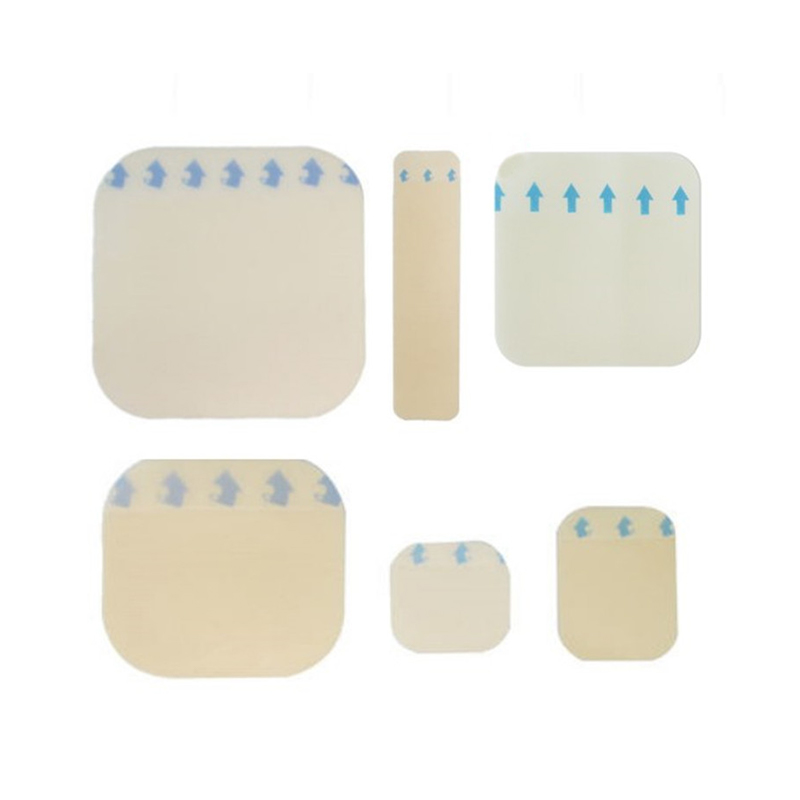
An ultrathin hydrocolloid dressing can help achieve that balance for low-to-moderate exudate. The hydrocolloid gel layer absorbs some fluid while keeping the wound bed covered and occlusive. It also stays in place longer than many gauze products, which reduces unnecessary dressing changes.
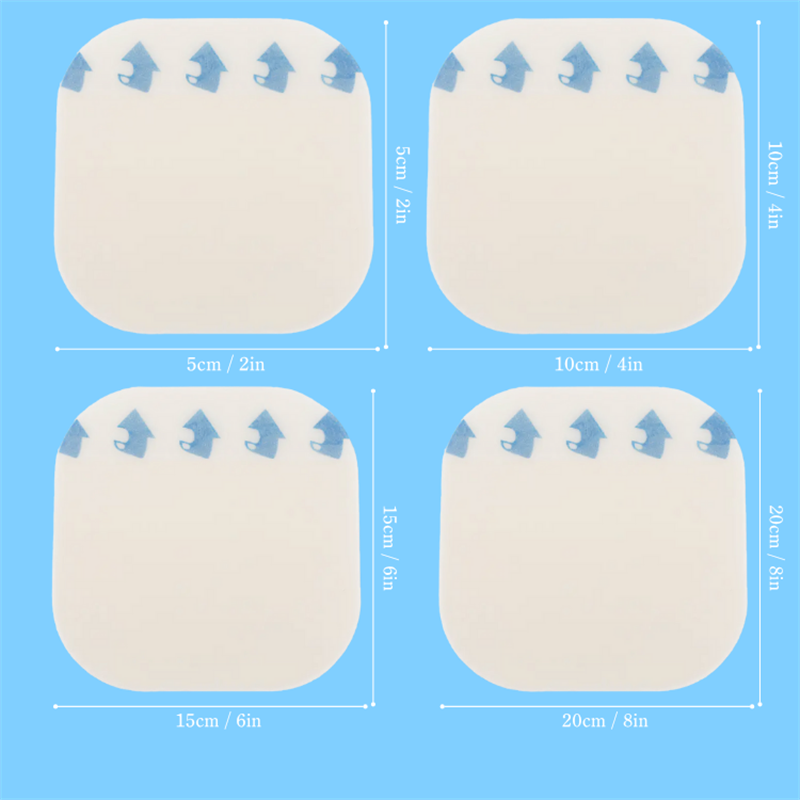 Ultra-Thin Hydrocolloid Dressing for Low to Moderate ExudateThis borderless hydrocolloid dressing absorbs up to 15 times its weight in exudate while maintaining a moist, occlusive environment. Its flexible, low-allergenic design suits superficial wounds and reduces dressing changes.View Product →
Measuring the moisture level is part of dressing selection, not a one-time assessment. A dressing that keeps the wound too dry will cause pain when removed, because the new epithelium is pulled off with the dressing. A dressing that keeps the wound too wet can create a bacterial reservoir. The ability to calibrate dressing choice to the actual wound condition is what the term 'hydration' means in a clinical setting.
Wound hydration needs change depending on the wound type and its exudate level. A postoperative surgical incision usually has a small amount of dry, serous fluid on the surface. A pressure ulcer or diabetic foot wound may drain more heavily, and a very clean superficial abrasion may only need a simple occlusive cover.
One practical rule is to match the dressing to the exudate level rather than the wound size. For a low-exudate wound, a thin film or hydrocolloid that maintains moisture is useful. For a moderate exudate, a dressing with some absorbency is better. For a high-exudate wound, an alginate dressing can take in a large amount of fluid while still keeping the wound bed moist.
| Wound condition | Exudate level | Recommended dressing action |
|---|---|---|
| Small, clean wound | Low | Keep the wound bed moist; an ultrathin hydrocolloid can do this. |
| Moderately draining wound | Moderate | Absorb excess fluid without drying the wound bed; consider an alginate. |
| High-draining chronic wound | High | Use a highly absorbent alginate or foam dressing; avoid maceration. |
| Fragile or sensitive skin | Variable | Use a transparent film where observation is needed and the skin is not over-wetted. |
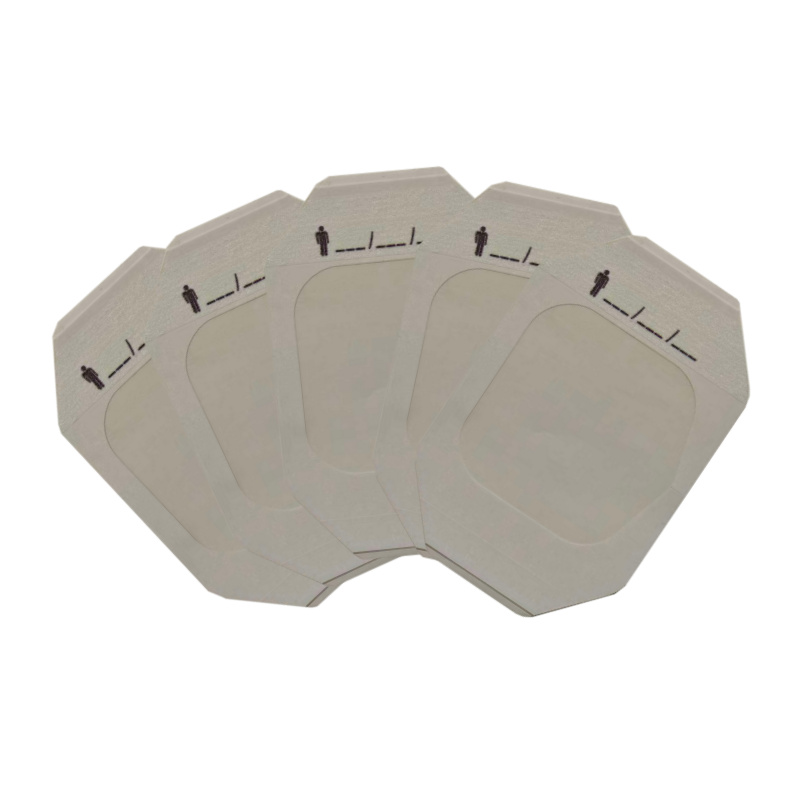
For postoperative sites where you need to inspect the wound without fully exposing it, a transparent waterproof patch can provide a moisture-retentive cover.
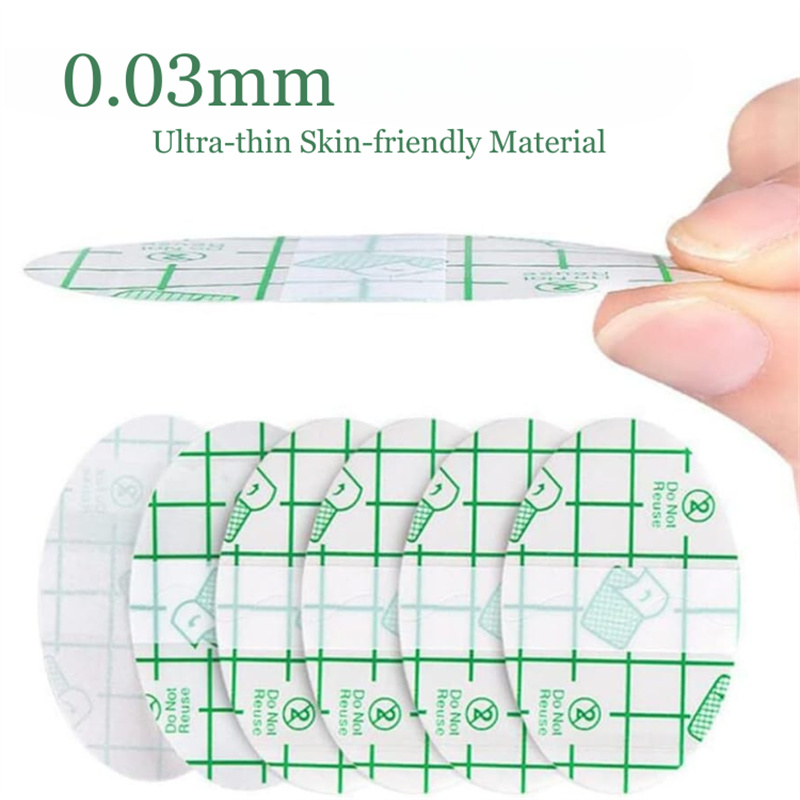 Transparent Waterproof Patch for Postoperative Wound InspectionAn ultra-thin, transparent PU or PE patch with medical-grade adhesive that seals out water and bacteria. It allows visual checks without full exposure, ideal for minor post-op sites.View Product →
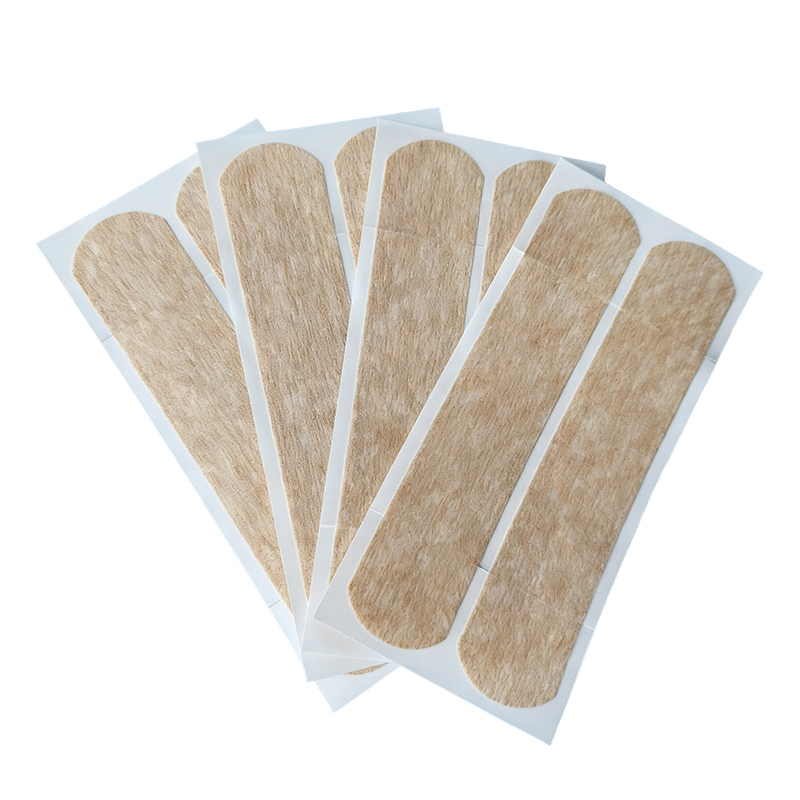
An alginate dressing is another option when the wound drains more fluid. The fibers absorb the exudate and form a gel, which keeps the wound bed moist instead of allowing it to become dried out.
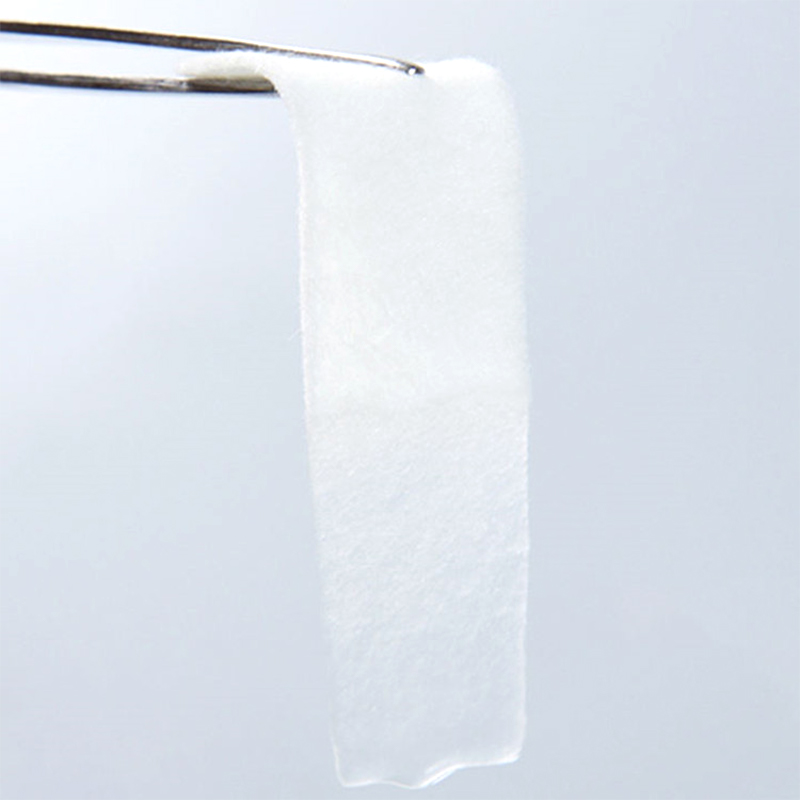 Alginate Dressing for High-Exudate WoundsMade from seaweed-derived alginate, it gels on contact with exudate, absorbing 15-20 times its weight. The gel keeps the wound bed moist, promotes healing, and can be left in place as it is biodegradable.View Product →
The exudate level can change over time. A wound that was highly draining on day one may produce much less fluid by day seven, and the dressing should be changed accordingly. Using the same high-absorbency dressing on a wound that has dried up can strip the new epithelium and delay closure.
Treat hydration as a clinical parameter that must be charted. A simple intake-and-output log helps the team notice when a patient is drinking too little. In long-term care, remember that many older patients do not feel thirsty even when their blood volume is already dropping. A small daily target of 1.5 to 2 liters of fluid, adjusted for weight and comorbidities, is a reasonable starting point.
During dressing changes, look for three signs of an over-hydrated wound: an offensive odor, a creamy green exudate, and periwound maceration. If all three are present, consider a more absorbent dressing and re-evaluate the patient’s hydration status. If the dressing sticks to the wound bed and causes pain on removal, the wound is likely too dry.
From a procurement perspective, a hydration strategy is not just a list of dressings. It is a combination of products for different clinical scenarios. A wound care formulary that includes a thin hydrocolloid for low exudate, a transparent film for observation, and an alginate for high exudate gives nurses the flexibility they need.
For a more detailed look at how silicone gel dressings behave in wound and scar care, refer to this guide on silicone gel dressings.
Hydration cannot be treated as an optional supplement. It is a clinical decision that requires attention to blood volume and wound bed moisture at the same time. A practical approach for wound care teams is to check hydration status upon admission, select a dressing based on the exudate level, and re-evaluate at every dressing change. That combination is usually enough to shorten recovery time, reduce the number of dressing changes, and lower the risk of infection.
contact us
Don't hesitate to contact when you need us!

Contact Information
NO.3 Jinshui Road, Xiwu Street, Fenghua District, Ningbo, ZheJiang, China.
+86-18158557875





 English
 中文简体
中文简体
 русский
 Español