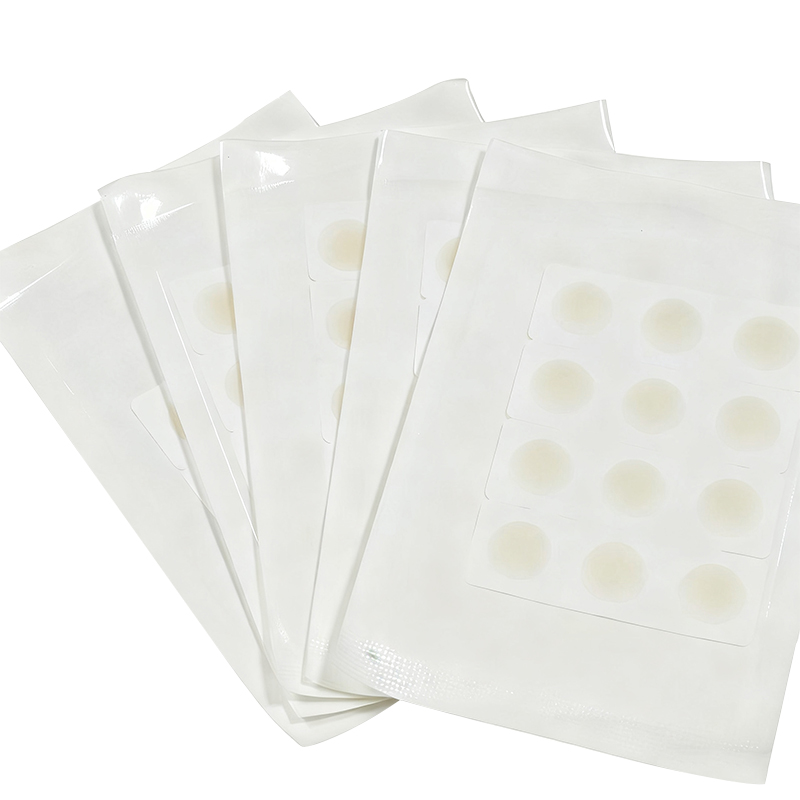
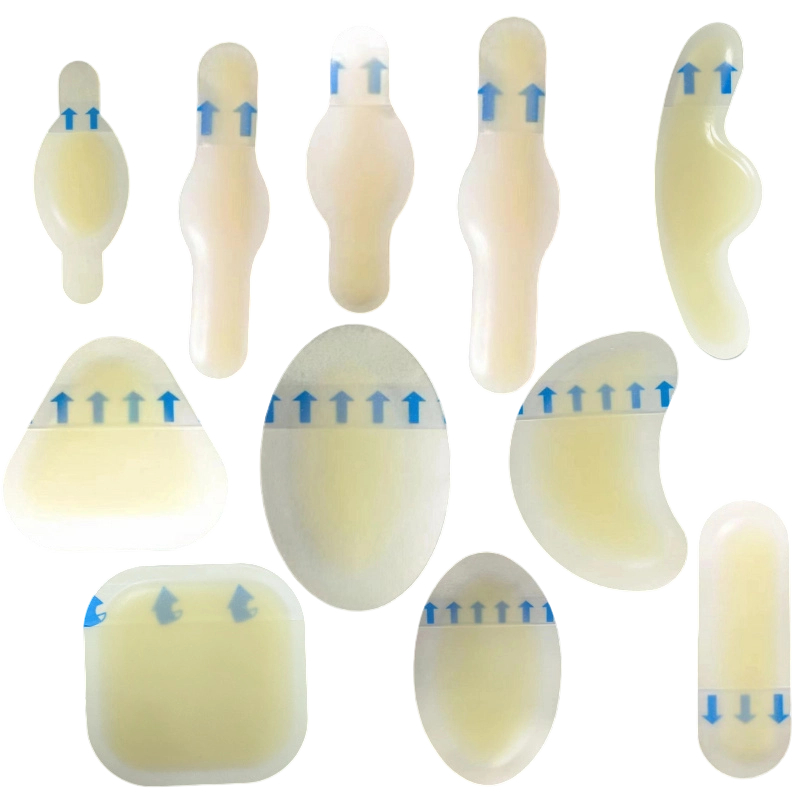
Peel off a hydrocolloid bandage after a day on a clean blister or a shallow wound, and you will notice something surprising: the adhesive area has turned into a soft, white, gel-like cushion. That is not a sign of failure. It is the bandage doing exactly what it was designed to do. Hydrocolloid bandages work by absorbing excess wound fluid and converting it into a moist gel that protects the wound bed and accelerates healing. In short, the secret is not keeping the wound dry—it is keeping it just moist enough.
A hydrocolloid bandage is a self-adhesive dressing with two distinct layers. The outer layer is a flexible, waterproof film, usually made from polyurethane, that blocks bacteria, dirt, and water. The inner layer is a mixture of a hydrocolloid material—typically carboxymethylcellulose, pectin, or gelatin—combined with an adhesive. This inner layer is the engine of the dressing. When it contacts exudate, it absorbs liquid and swells, forming a gel-like mass that fills the wound space and keeps the surrounding skin moist. Since their introduction, these dressings have become a standard choice for minor wounds and are now widely used in cosmetic acne care as well.
The mechanism is triggered by moisture. Wound fluid from a blister, a popped pimple, or an abrasion is drawn into the hydrocolloid matrix. The hydrophilic particles in the matrix bind with the fluid and expand, turning the initially firm adhesive into a soft, translucent gel. This gel serves two functions: it maintains a moist environment at the wound surface, and it acts as a shock absorber, reducing friction and preventing the dressing from sticking to the wound tissue.
The phrase “moist wound healing” is not marketing jargon. Studies have shown that cells migrate and multiply more rapidly in a hydrated environment than in a dry one. A hydrocolloid dressing traps the wound’s own growth factors and enzymes, so the body is essentially healing itself in an optimal medium. The result is often faster epithelialization, less pain, and a lower risk of scarring compared with traditional gauze that allows the wound to dry out and scab.
That white bubble you see after a few hours is a mixture of absorbed exudate and hydrocolloid gel. It signals that the dressing has been actively managing the wound. You should not puncture it. If the dressing is still intact and the wound has not leaked, leave it alone. When you remove the dressing, the gel may leave some white residue; that is normal and can be rinsed off gently.
Hydrocolloid dressings are suited for shallow, lightly exuding wounds, and for acne lesions that have been drained or have come to a head. They are particularly useful for areas that bend and rub, because the thick gel cushion protects the developing skin.
| Wound type | Suitable? | Reason |
|---|---|---|
| Unbroken blisters | Yes | The gel pad absorbs friction and prevents rupture. |
| Minor abrasions and cuts | Yes | Creates a moist healing environment and protects from contamination. |
| Popped pimples / whiteheads | Yes | Absorbs pus and reduces picking. |
| Infected wounds | No | An occlusive dressing may trap bacteria and increase infection. |
| Deep or heavily bleeding wounds | No | Exudate volume may exceed the dressing’s absorption capacity. |
| Chemical or thermal burns | No | Needs professional assessment and specialized burn care. |
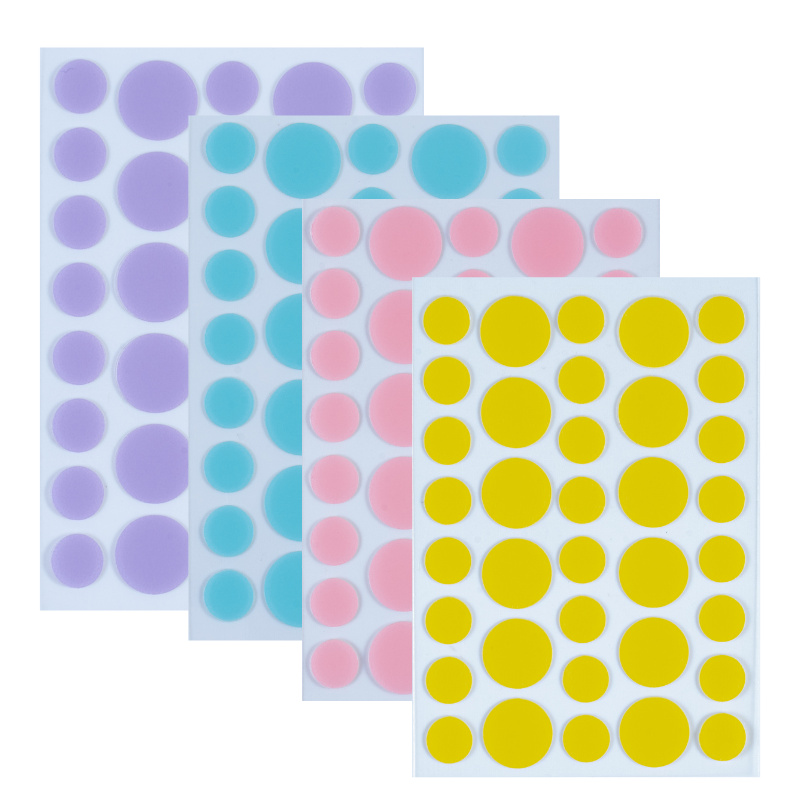
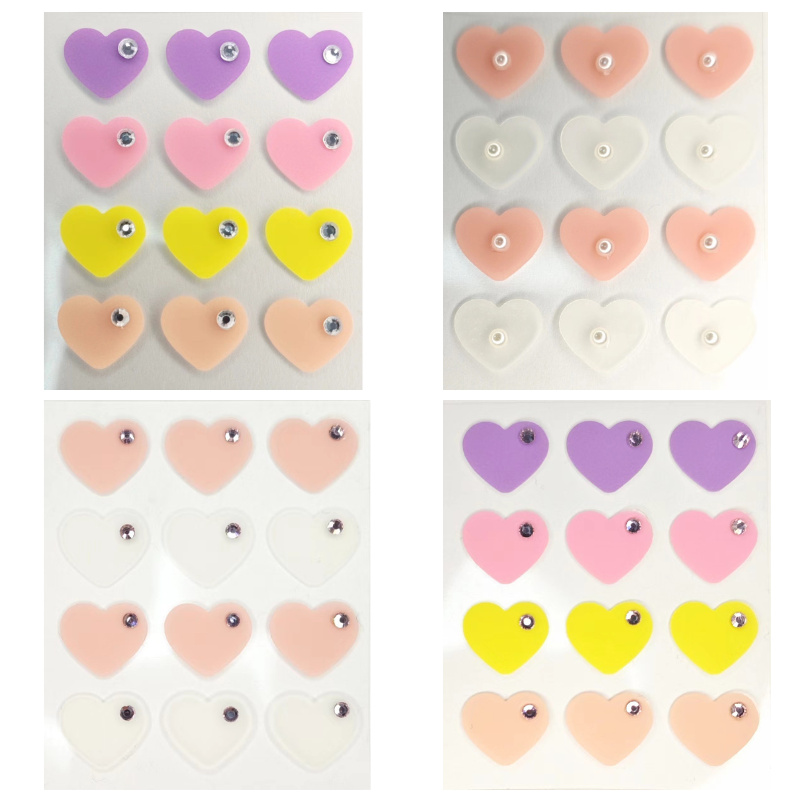
For acne breakouts, a transparent hydrocolloid acne patch can be worn during the day without drawing attention. If you want to understand exactly how effective these patches are, our detailed review of the science behind pimple patches explains the clinical evidence. For blisters, a specifically shaped hydrocolloid blister patch adds extra cushioning and stays on well in shoes.
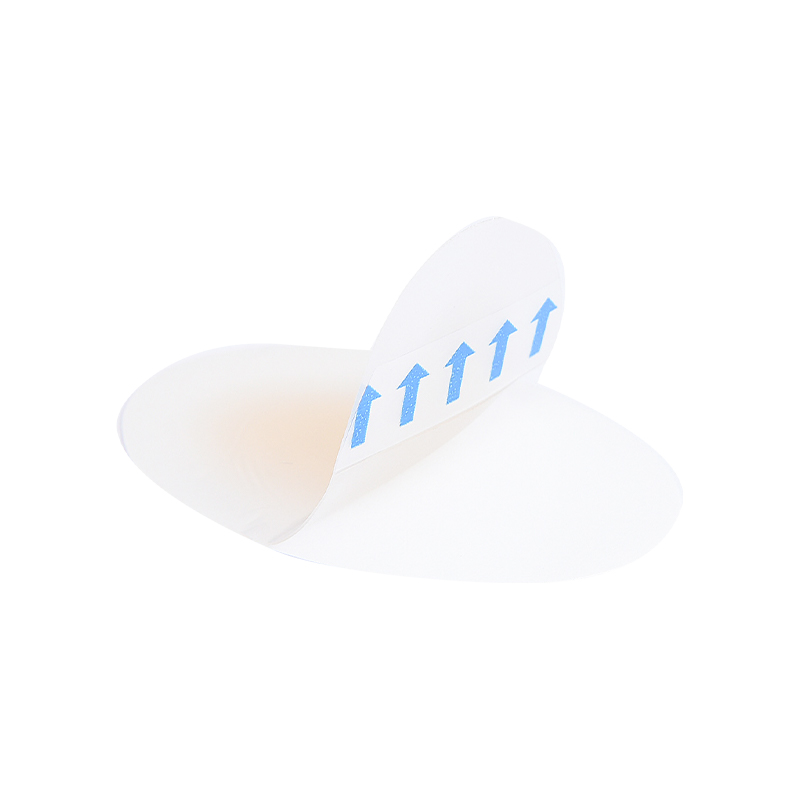 OEM/ODM Hydrocolloid Blister Patch Suppliers, Manufacturers - Ningbo Hysent MediNingbo Hysent Medical Technology Co., Ltd. is China OEM/ODM Hydrocolloid Blister Patch suppliers and manufacturers,The hydrocolloid blist...View Product →
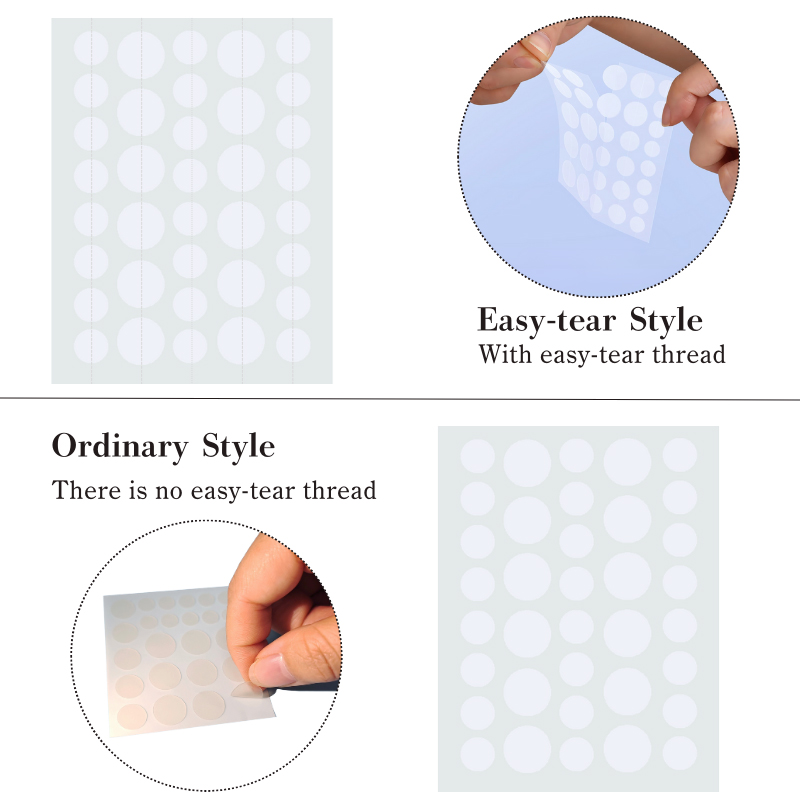 OEM/ODM Transparent Hydrocolloid Acne Patch Suppliers, Manufacturers - Ningbo HyNingbo Hysent Medical Technology Co., Ltd. is China OEM/ODM Transparent Hydrocolloid Acne Patch suppliers and manufacturers,Also called A...View Product →
Correct application makes a greater difference than most people expect. Follow these steps to get the full benefit:
Choose based on the wound location, exudate level, and how visible the dressing will be. A thicker dressing absorbs more fluid and can stay on longer, but it is more noticeable under clothing. Ultra-thin designs, such as our ultra-thin hydrocolloid dressing, are ideal for facial use or for areas that need a low profile. If you are buying in bulk, as a brand or distributor, you may also consider custom shapes, thickness, and adhesion profiles to match your target consumers’ needs. The manufacturing process matters: a properly cured hydrocolloid layer should not leave excessive residue or cause allergic reactions on sensitive skin. Reputable suppliers, especially those with cleanroom production and ISO 13485 certification, can provide consistent quality for both standard and custom orders.
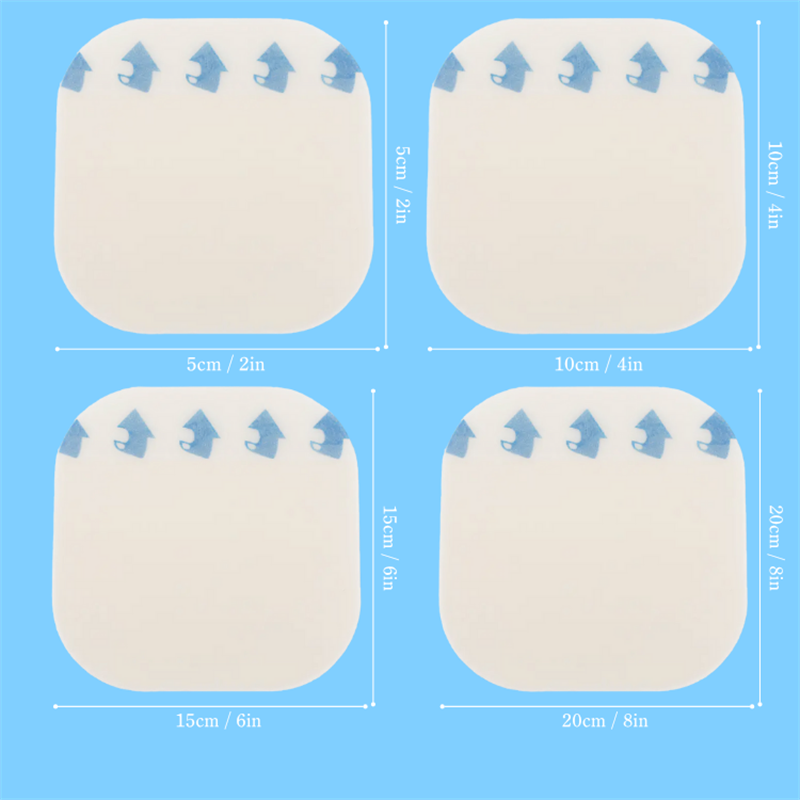 OEM/ODM Ultra-Thin Hydrocolloid Dressing Suppliers, Manufacturers - Ningbo HysenNingbo Hysent Medical Technology Co., Ltd. is China OEM/ODM Ultra-Thin Hydrocolloid Dressing suppliers and manufacturers,Borderless hydro...View Product →
Hydrocolloid bandages have been a staple in wound care for decades, and their mechanism has not changed: absorb, gel, protect. When you understand how they work, you can choose the right product, apply it correctly, and avoid common mistakes. That little white gel bubble is not a sign that the dressing failed—it is the proof that your wound is healing the way the body works best.
contact us
Don't hesitate to contact when you need us!

Contact Information
NO.3 Jinshui Road, Xiwu Street, Fenghua District, Ningbo, ZheJiang, China.
+86-18158557875





 English
 中文简体
中文简体
 русский
 Español