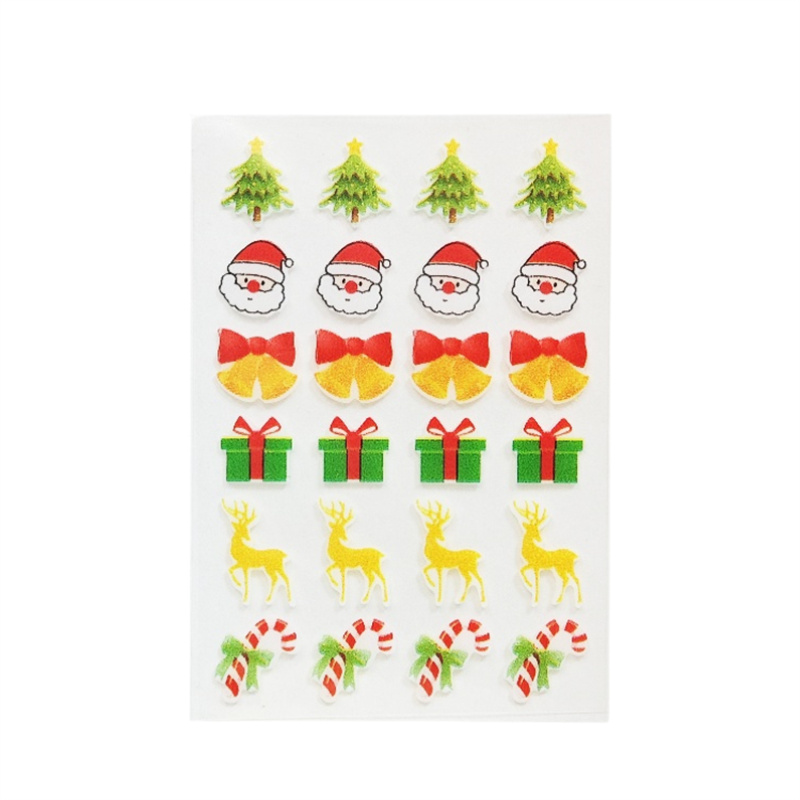
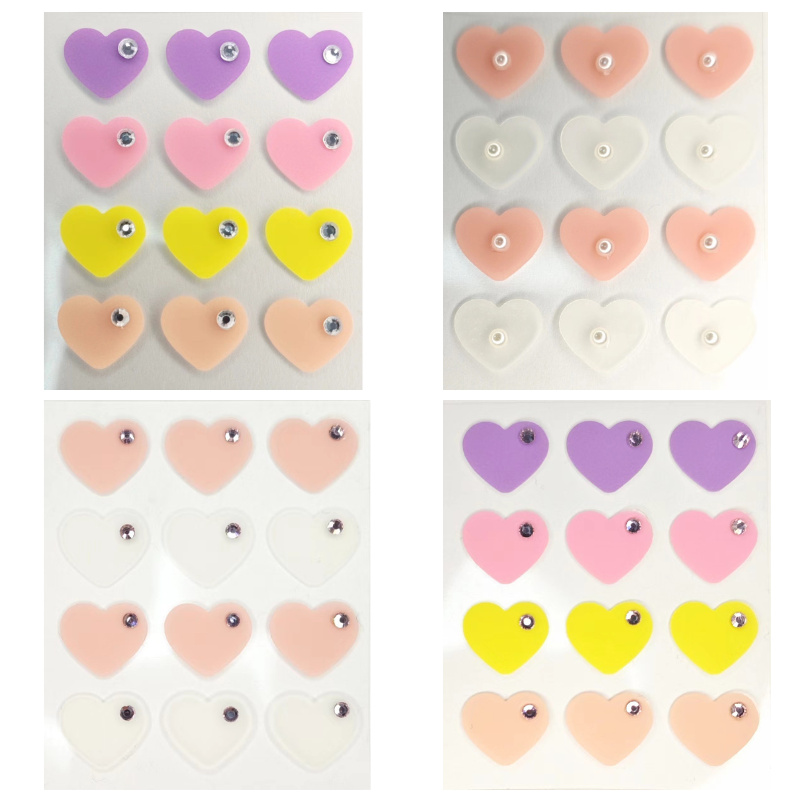
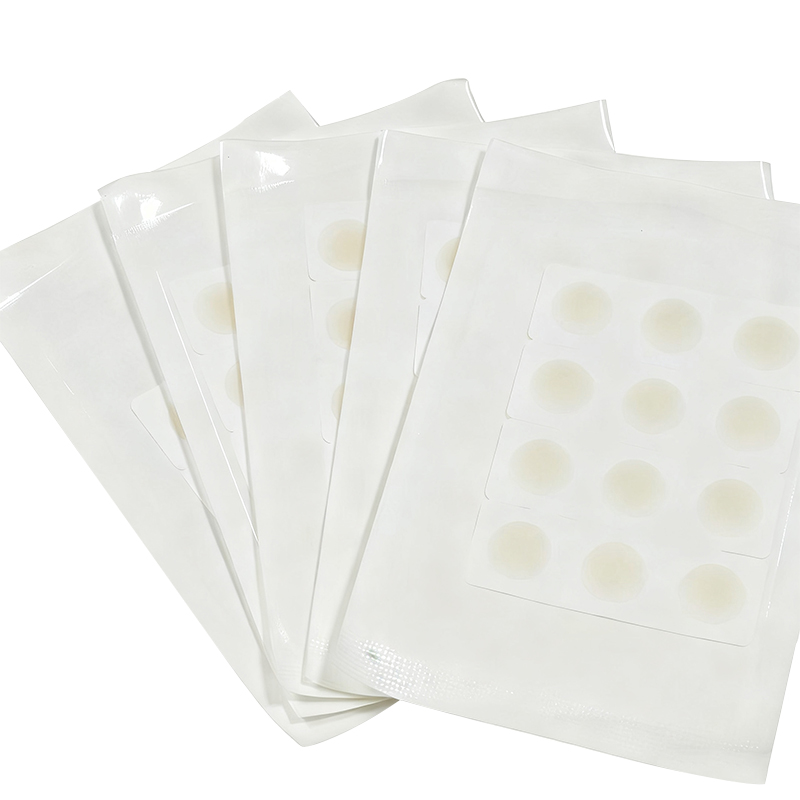
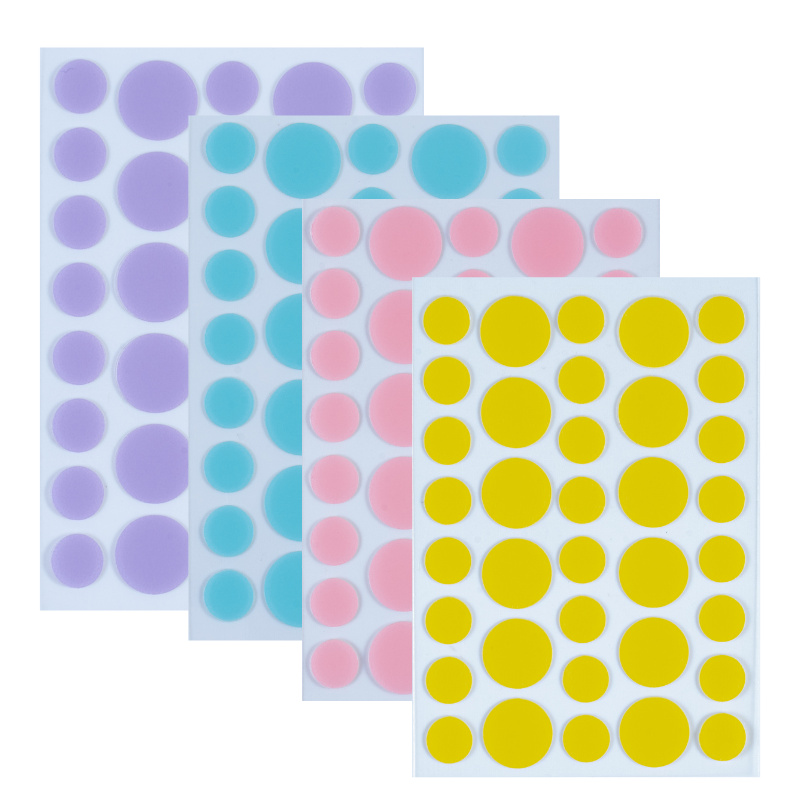
It is the night before a client presentation, and you notice a raised, tender bump forming on your chin. Squeeze it now and you will likely face a redder, angrier breakout by morning. The alternative is to cover it with a small hydrocolloid acne patch and let the dressing work while you sleep. For most surface-level pimples, the patch is the smarter option. An acne patch will not eliminate every type of breakout, but when matched to the right blemish, it absorbs fluid, blocks picking, and creates the kind of moist environment that favours faster repair and less visible scarring.
An acne patch is a thin adhesive sticker made from hydrocolloid, a gel-forming material originally developed for wound dressings. It has been used on cuts, blisters, and post-surgical incisions because it maintains a moist healing environment while drawing out exudate. A pimple that has come to a head is essentially a small open wound. When the patch is pressed onto it, the hydrocolloid pulls fluid from the blemish, softens, and forms a cushioning gel.
This is different from a medicated spot treatment. Benzoyl peroxide and salicylic acid kill bacteria or speed up skin cell turnover. A standard hydrocolloid patch is not medicated; what it does is physical:
In practice, a patch works best on a pimple that is already broken or shows a visible whitehead. If the blemish is a deep, hard cyst with intact skin, the hydrocolloid has no fluid to absorb. For that type of breakout, a warm compress is a better first step. Our article on the effects of acne patches explains these limits.
All acne patches look similar, but performance varies with hydrocolloid quality, edge design, and absorbent layer thickness. These are the features that decide whether the patch stays on and does its job.
The core job is to absorb fluid without breaking down or leaving residue. Lower-grade hydrocolloid softens too quickly, loses adhesion, and can irritate the skin. An overnight patch needs a thicker absorption layer that holds more fluid before turning white and needing replacement.
A patch that curls at the edges exposes the blemish and catches lint. Hydrocolloid-edged patches extend the adhesive beyond the absorbent core, keeping the patch flat on moving areas such as the chin, mouth, and nose. This detail matters most for daytime wear.
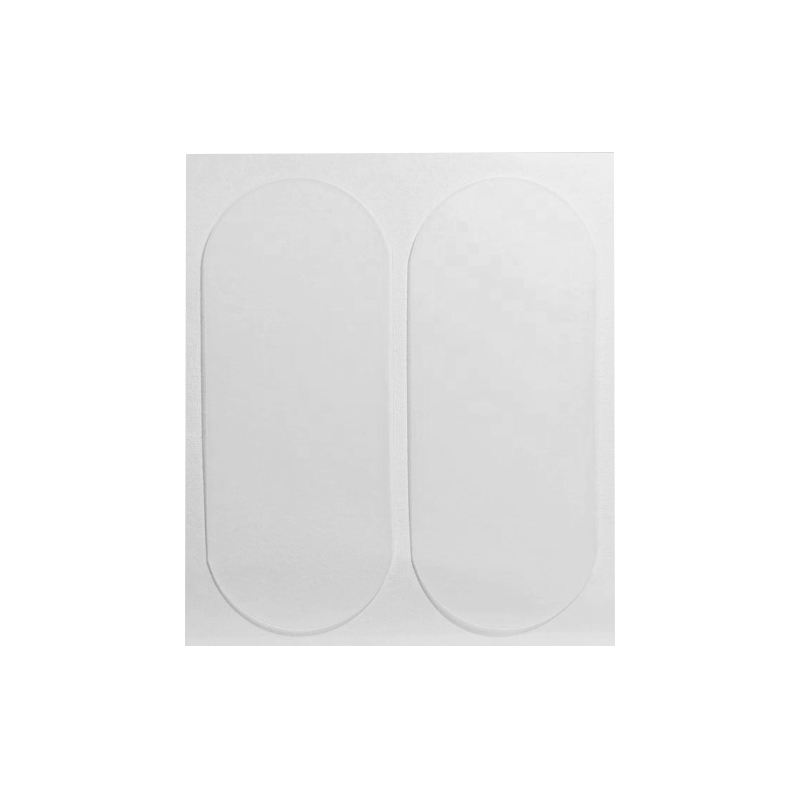
Daytime wear usually calls for a thin, transparent patch. These blend more easily into the skin and sit flat enough to be used under sunscreen or light makeup. The trade-off is lower absorption, so they suit low-drainage blemishes better than weeping pustules.
 Transparent Hydrocolloid Acne Patch for Invisible Daytime CoverageThis thin, transparent patch blends under makeup and sunscreen while absorbing fluid from low-drainage blemishes, making it a practical choice for daytime wear on mild acne.View Product →
How well a patch performs depends on application technique as much as on the patch itself. Each step affects how long it stays in place and how much fluid it collects.
You will know the patch is working when the absorbent centre turns white and opaque. That is the fluid drawn from the blemish. If there is no colour change, the pimple was not ready or the hydrocolloid was not in full contact with the spot. After removal, let the skin rest for a few hours before applying another patch, unless the area is still draining.
There are cases where a patch is not the right tool. Avoid using one on skin that is infected, with spreading redness, warmth, or swelling. Do not use a patch to cover a deep cyst that has not surfaced, because the hydrocolloid needs an opening to draw fluid from. And because a patch only treats the blemish it covers, applying one to healthy skin does not prevent new pimples.
Standard round patches measure roughly 10 to 14 mm, which works for a single pimple. Breakouts do not always appear one at a time. A cluster of blemishes or a larger inflamed area is covered more efficiently by a large-area patch, which spans several centimetres and can be cut to shape for the nose, forehead, or chin.
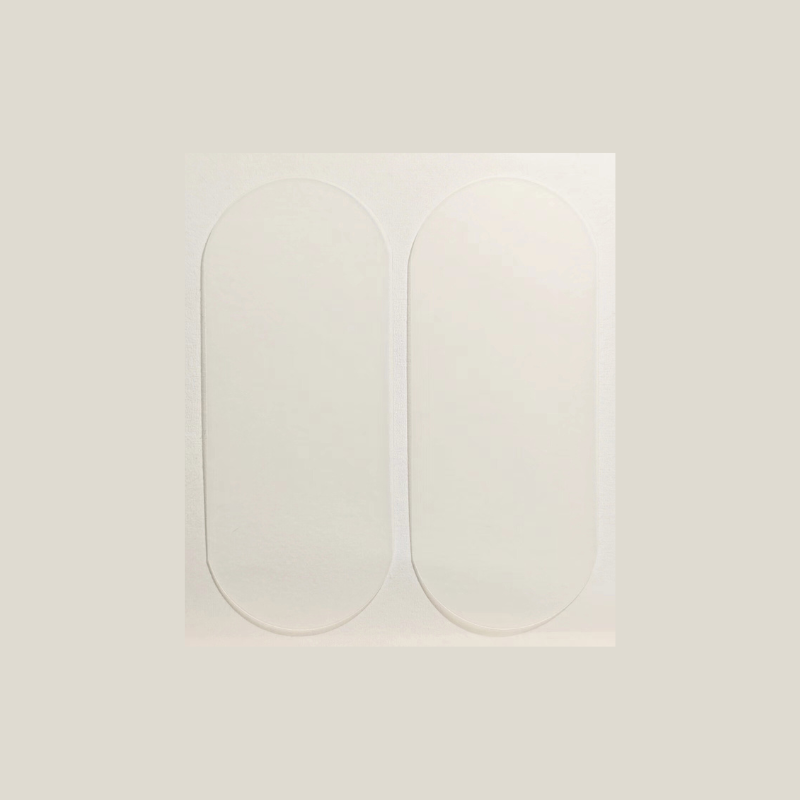 Large-Area Hydrocolloid Acne Patch for Clustered BreakoutsDesigned to cover cheeks, forehead, or nose in one piece, this larger patch saves time on clusters of blemishes and can be trimmed to fit specific areas.View Product →
| Format | Best suited for | Invisibility | Absorption | Typical wear |
|---|---|---|---|---|
| Thin transparent | Daytime, low-drainage spots | High | Low to moderate | 4 to 8 hours |
| Standard hydrocolloid | Overnight, open or weeping pimples | Moderate | Moderate to high | 8 to 12 hours |
| Large-area | Clusters and wider zones | Low | High | 8 to 12 hours |
| Microneedle | Deep, unopened pimples | Moderate | Not applicable | 4 to 6 hours |
For blemishes that never break the surface, a hydrocolloid patch has a clear limitation: there is no opening for fluid to exit. Microneedle patches were designed for this scenario. Each carries dozens of tiny, water-soluble needles made from hyaluronic acid or other actives. When pressed into the skin, the needles dissolve and release the compound into the upper layers without requiring the blemish to be pierced.
Microneedle patches suit pimples that feel painful and sit deep under the skin. They are not a replacement for hydrocolloid on open wounds; if the skin is already broken, the needles can cause discomfort, and a hydrocolloid dressing remains the safer choice. Used correctly, a microneedle patch can shorten the life of a deep pimple and reduce inflammation without damaging the skin barrier.
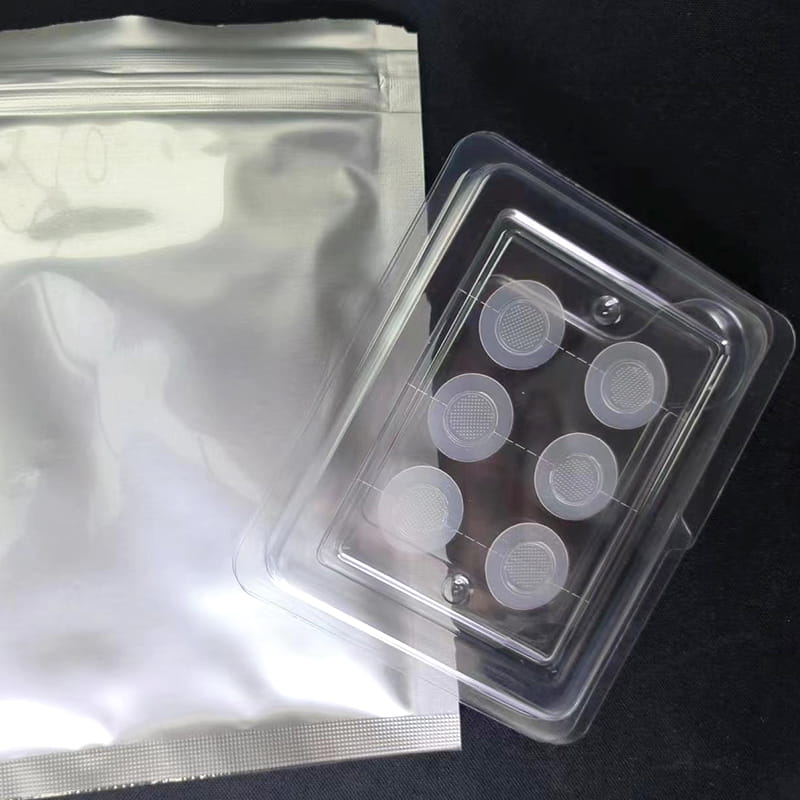 Microneedle Acne Patch for Deep Painful PimplesTiny dissolvable needles deliver anti-inflammatory actives directly into the skin, targeting deep blemishes without breaking the surface—suited for unopened, painful pimples.View Product →
If you are comparing microneedle technology with traditional hydrocolloid, this guide to hydrocolloid acne patches covers the fast-healing benefits and the proper way to use the classic format.
If you are a skincare brand, e-commerce retailer, or importer planning a private-label acne patch, the conversation with a manufacturer goes beyond colour and price. A custom patch is defined by technical parameters that affect the user experience, cost, and compliance paperwork.
A manufacturer with ISO 13485 certification and CE or FDA registration can provide the documentation that importers and retail buyers expect. Ask for the microbial test method, heavy-metal and biocompatibility reports, and a certificate of analysis for the hydrocolloid batch. These are often required at customs and during supplier audits.
Lead times depend on the amount of customisation. A standard product can be dispatched in days, while a custom shape, colour, or packaging programme can take several weeks because of tooling and validation. Confirm the timeline and minimum order quantity early.
The acne patch is a simple product with a clear mechanism: hydrocolloid absorbs fluid, protects the blemish, and maintains the moisture balance that supports healing. Performance comes down to the quality of the hydrocolloid, the edge design, and whether the format matches the breakout. When those three are right, the acne patch is one of the most dependable tools in a skincare routine.
contact us
Don't hesitate to contact when you need us!

Contact Information
NO.3 Jinshui Road, Xiwu Street, Fenghua District, Ningbo, ZheJiang, China.
+86-18158557875





 English
 中文简体
中文简体
 русский
 Español