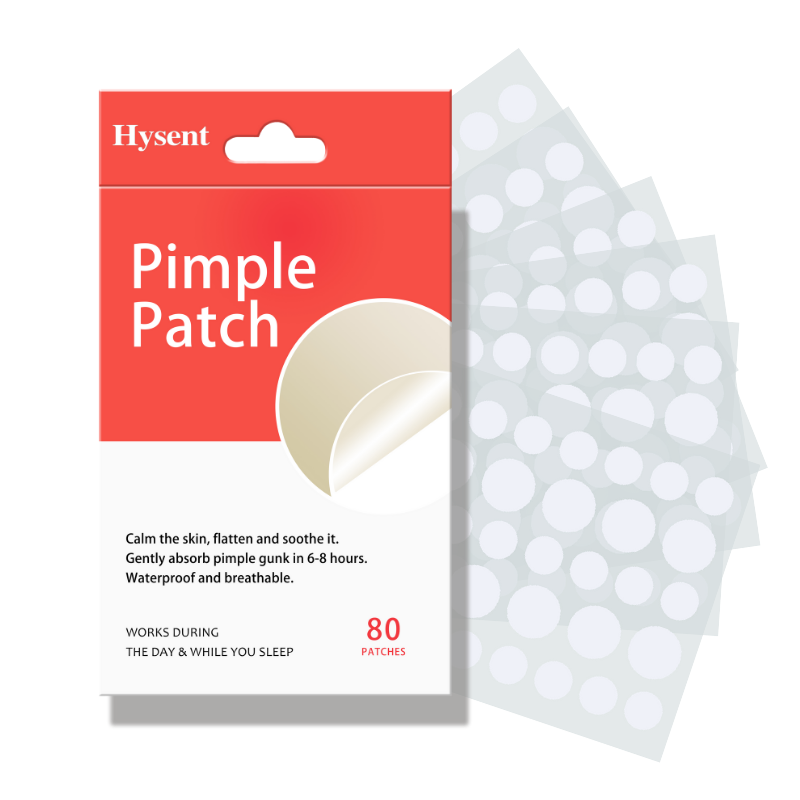
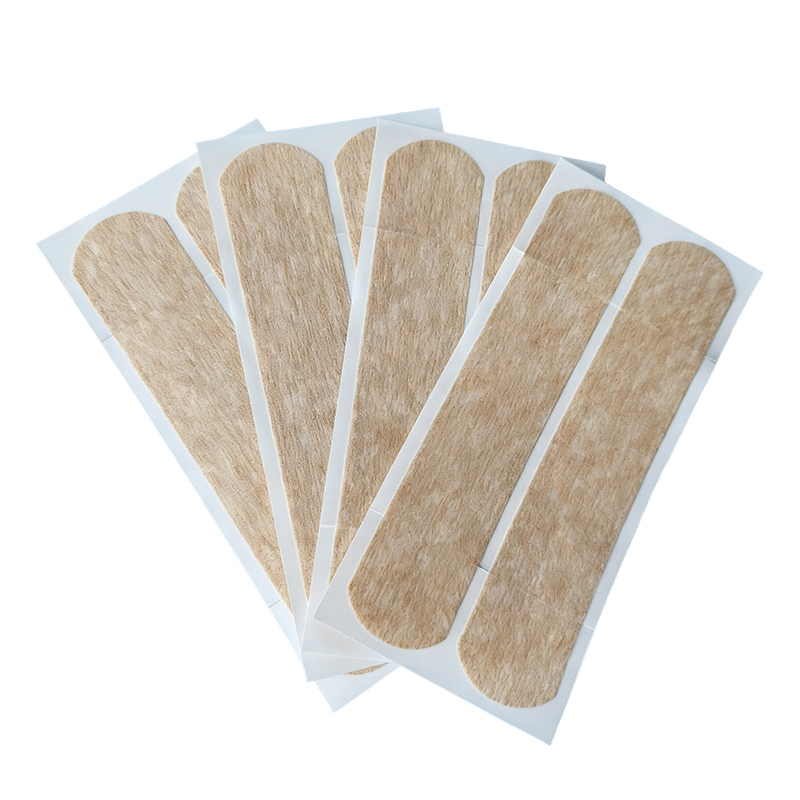
Can an infected wound heal on its own? In some minor cases, the answer is yes—but it is never a safe bet. A shallow scratch with a little redness may calm down without treatment, while a deeper wound that has become warm, swollen, or weepy usually needs active care. Knowing the difference helps you avoid delay, and delay is what turns a simple infection into a much bigger problem.
When you get a cut, scrape, or puncture, your body starts a four-step process almost immediately: bleeding stops, immune cells arrive, new tissue forms, and the skin closes over. This sequence is remarkably efficient. If you keep the wound clean and protected, most minor wounds show steady improvement within a few days.
Signs that healing is on track include:
An infection changes the normal healing pattern. The wound may look worse, not better. The key is to trust your observations: if you are unsure, treat it as a possible infection until proven otherwise.
| Healthy healing | Infected wound |
|---|---|
| Redness slowly fades | Redness expands or gets darker |
| Swelling decreases | Swelling increases or feels firm |
| Pain lessens | Pain becomes throbbing or gets worse |
| Wound edges stay closed | Wound edges open or leak fluid |
| No pus or bad odor | Pus, yellow or green discharge, or foul smell |
| No fever | Fever, chills, or fatigue |
These are classic signs used by clinicians. If you see red streaks spreading outward from the wound, or if the area feels unusually warm, that can be a sign that bacteria are traveling through the lymph system. That type of spread does not resolve on its own.
A healthy immune system may handle a small number of bacteria by itself. But an established infection involves bacterial growth, dead tissue, and often a sticky substance called biofilm. Biofilm is a protective barrier that makes bacteria much harder to eliminate. It physically blocks immune cells and antibiotics, which is why minor irritation can sometimes fade while a full infection tends to linger.
Your body also fights infection from the inside. White blood cells travel to the wound, but they cannot always reach bacteria trapped in damaged tissue. In many cases, the infection stays until the wound is properly cleaned, drained, or treated with an antibiotic. Waiting removes your chance to act early and raises the risk of complications like cellulitis, deep abscesses, or chronic non-healing wounds.
Take these steps in the first 24 hours of noticing a problem:
If you have a fever, feel unwell, or see red streaks, this is not a wait-and-see situation. Treat it as an emergency. You should also see a doctor if the wound is deep, has a foreign body in it, or was caused by an animal bite.
See a healthcare provider when any of the following are true:
A dressing is not just a cover. It controls moisture, keeps bacteria out, and protects the wound from friction. For minor wounds that are not actively infected, a hydrocolloid dressing is a strong choice. It absorbs a little fluid, stays in place for several days, and forms a gel that supports a moist healing environment. That reduces the need for frequent changes and protects the new skin while it forms.
Choosing the right material also matters for comfort. Some people develop irritation from adhesives, especially over sensitive skin. If you are prone to reactions or need a dressing that can withstand water, a transparent, breathable patch may be more practical. For a closer look at how these materials behave on different skin types, see our guide on using transparent dressings.
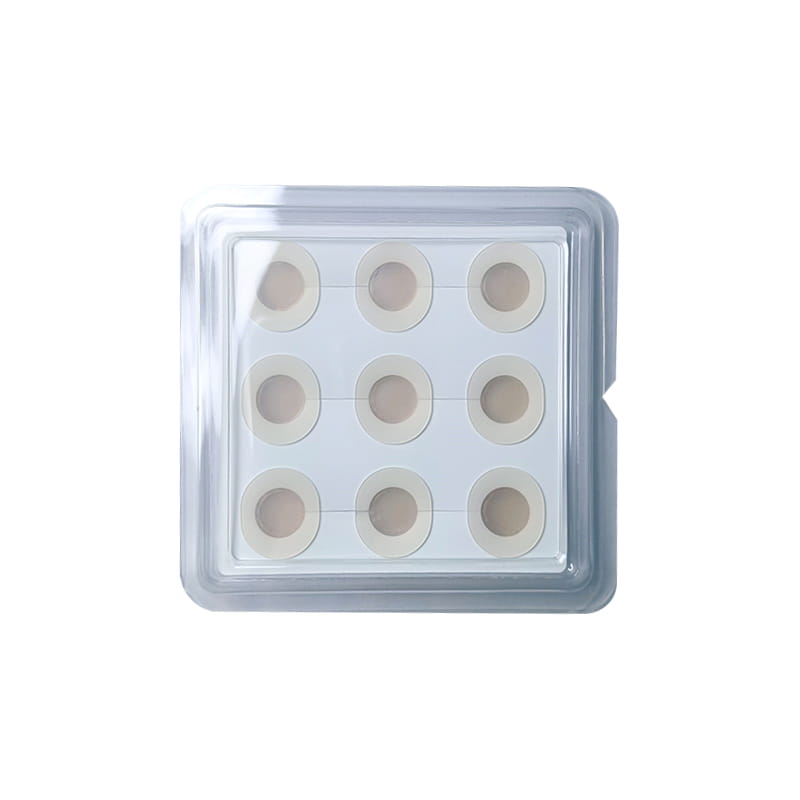
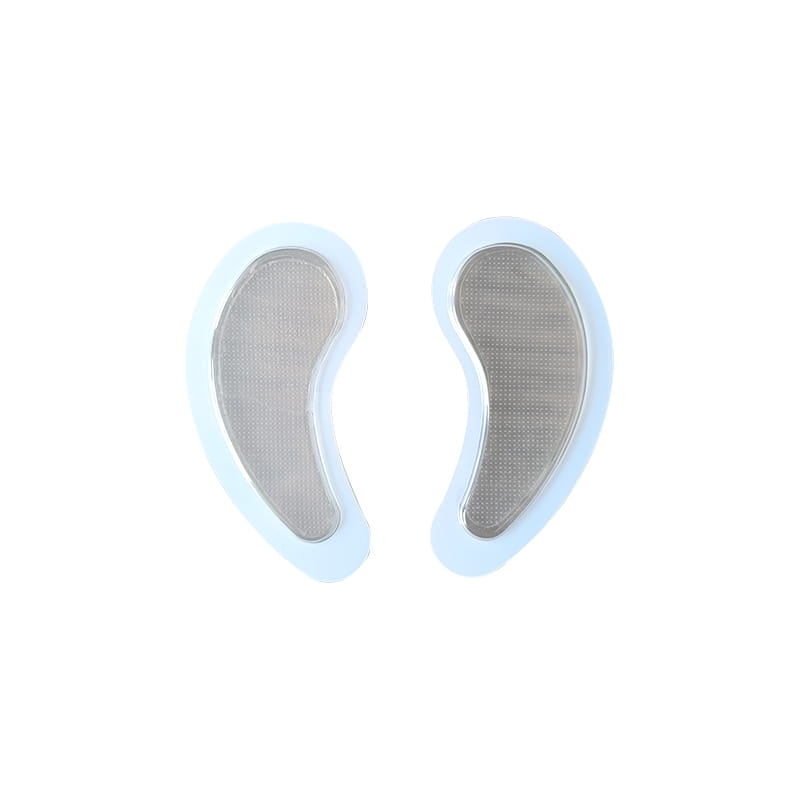
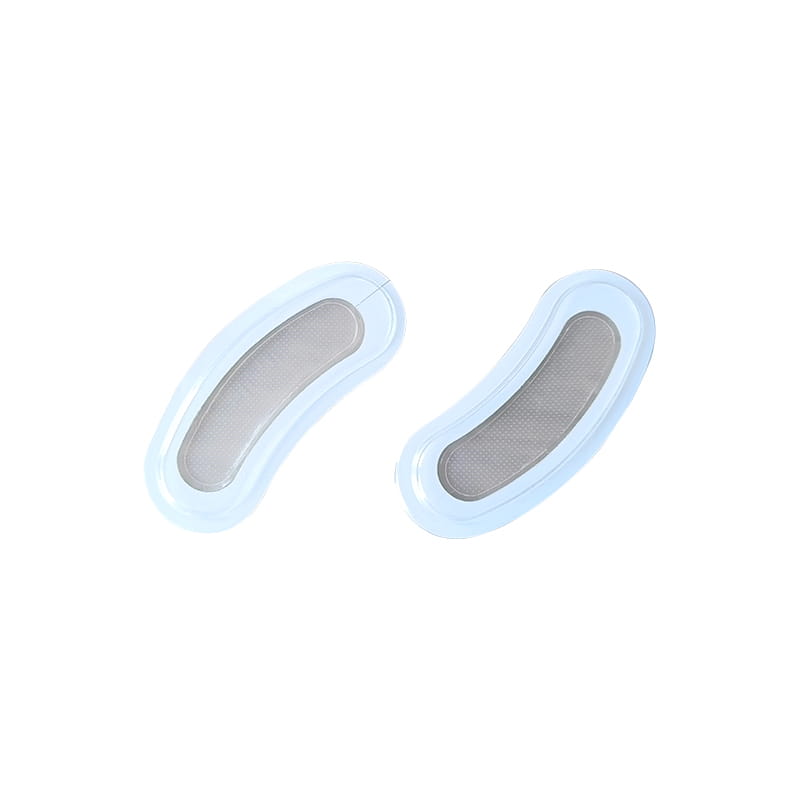
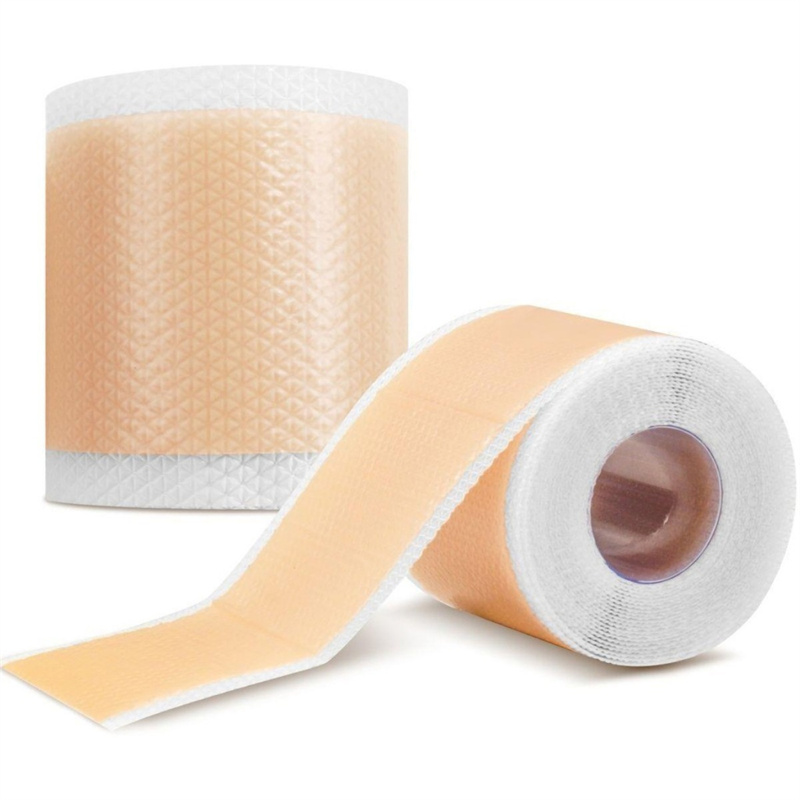
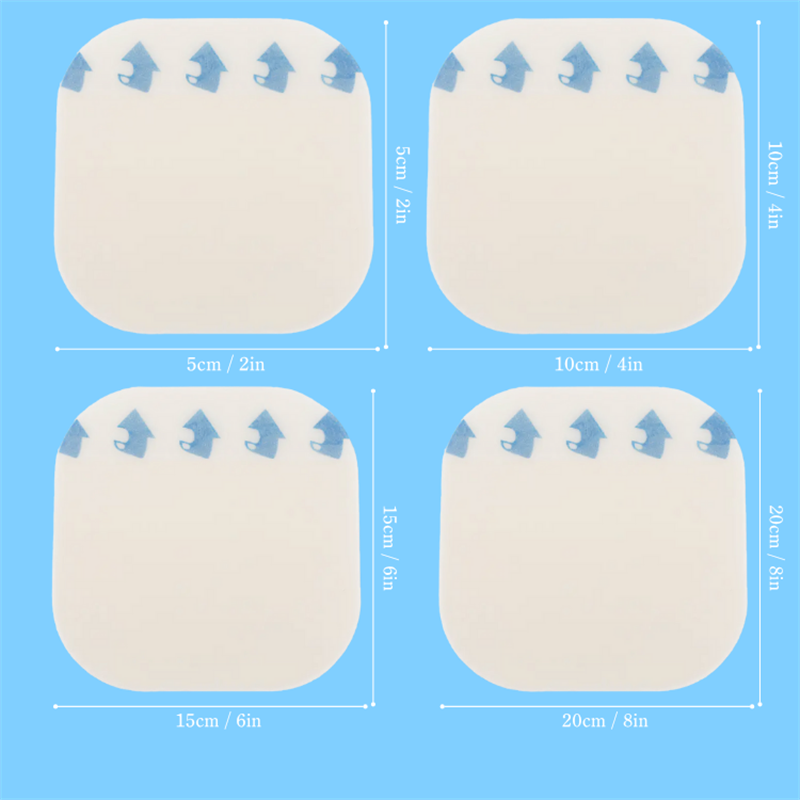 Ultra-Thin Hydrocolloid Dressing for Waterproof Wound CareThis borderless hydrocolloid dressing offers a waterproof, breathable barrier that absorbs exudate and minimizes skin irritation. Its flexible design suits irregular wounds and sensitive skin, making it a practical choice for preventing infection before injuries occur.View Product →
Prevention is easier than treatment. The best way to avoid an infected wound is to prepare your body and environment before injury happens.
People with diabetes, peripheral vascular disease, or immune suppression should be extra careful. In these groups, even a small abrasion can become a chronic wound. Pay close attention to the feet, where circulation is often weaker and nerve damage can hide pain.
Can an infected wound heal on its own? A very mild infection may settle, but you cannot know whether your wound is going to improve or turn serious. Look for the signs of infection, clean the area properly, and choose a dressing that protects the wound. If symptoms are obvious or spreading, stop waiting and see a healthcare provider. Acting early is the shortest path to healing.
contact us
Don't hesitate to contact when you need us!

Contact Information
NO.3 Jinshui Road, Xiwu Street, Fenghua District, Ningbo, ZheJiang, China.
+86-18158557875





 English
 中文简体
中文简体
 русский
 Español