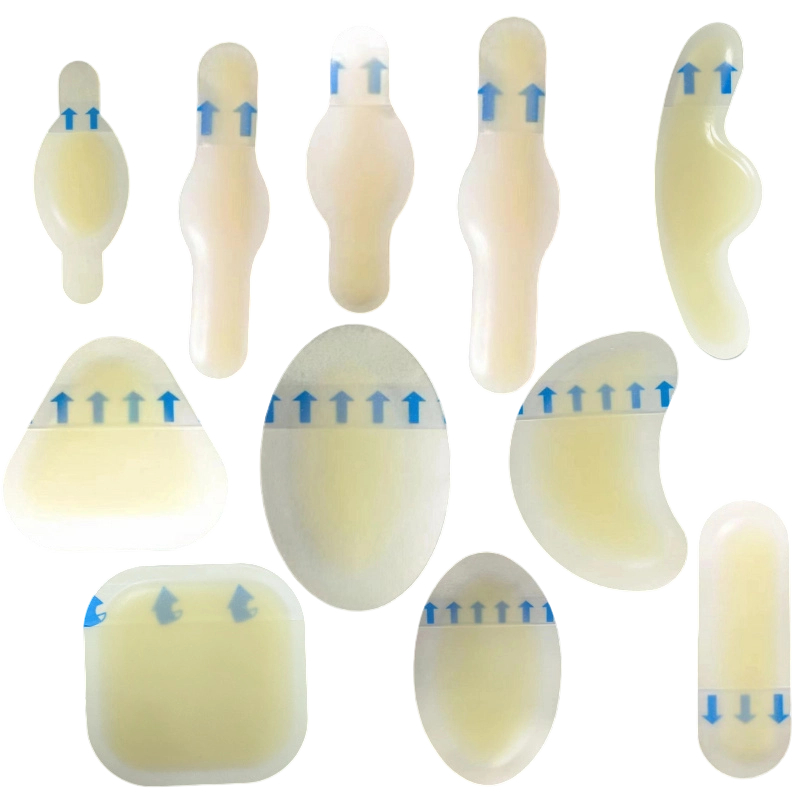
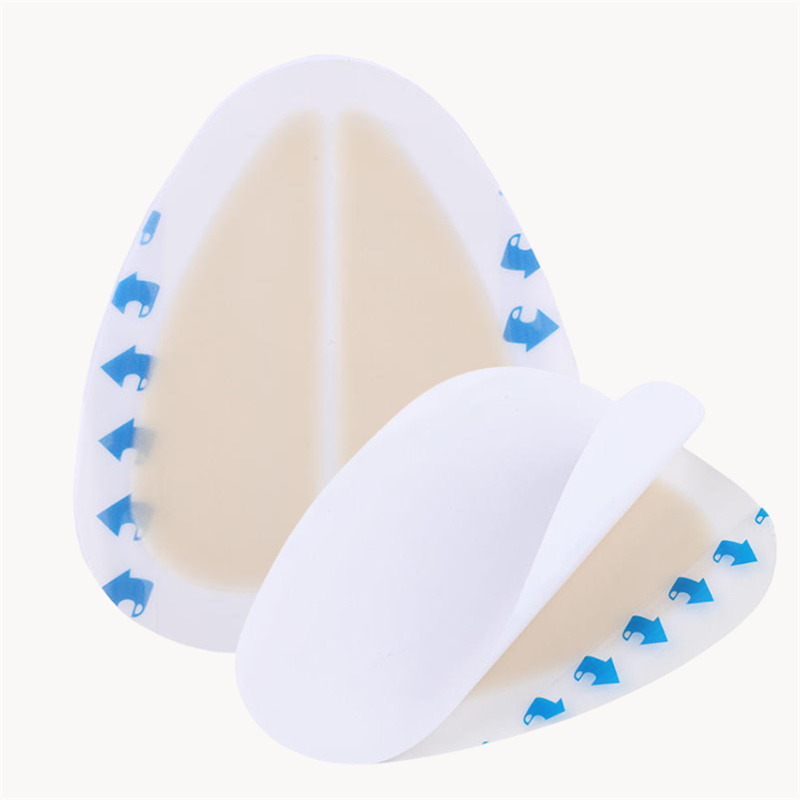
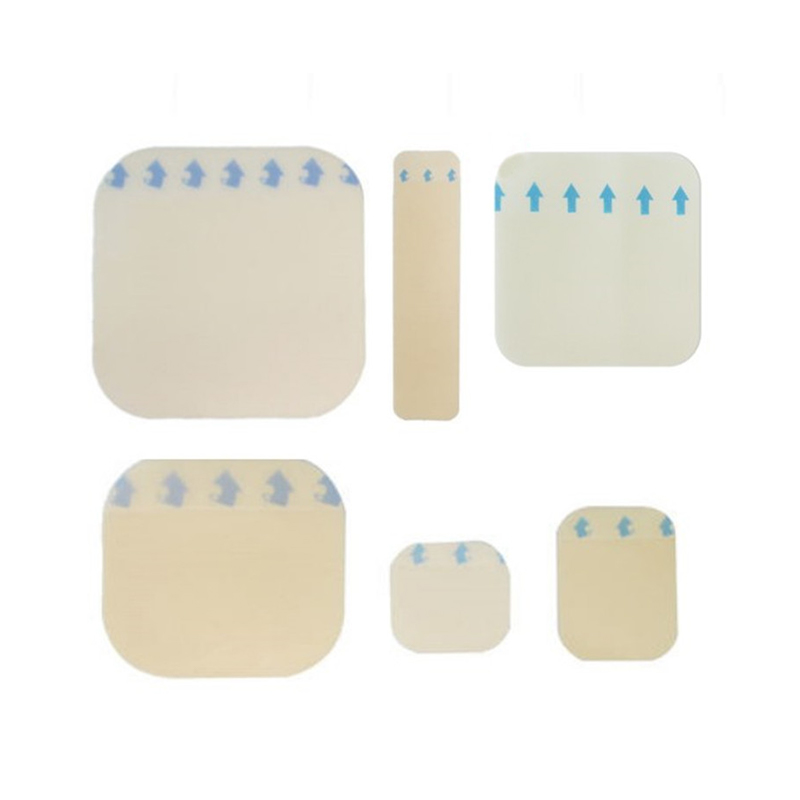
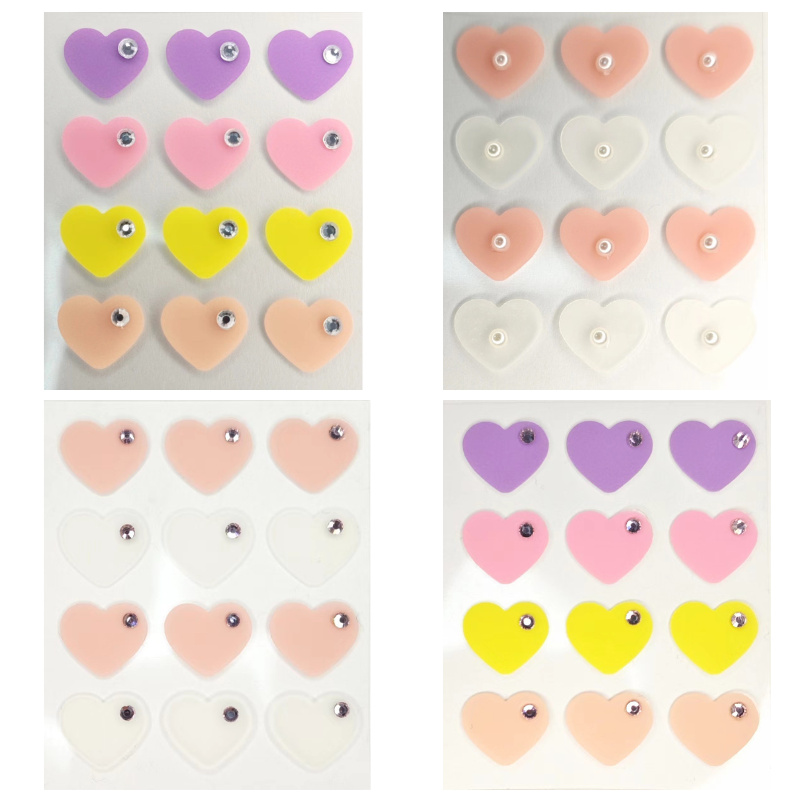
A 62-year-old patient is being discharged after a minor skin graft on the lower leg. The wound is shallow but still producing exudate, the patient wants to shower without worry, and the nursing team needs a dressing that stays in place for days without irritating the surrounding skin. This is exactly the scenario where a medical waterproof hydrocolloid dressing earns its place in the supply cabinet.
Waterproof hydrocolloid dressings sit between a simple adhesive plaster and a high-absorbency foam or alginate system. They are used on lightly to moderately exuding wounds such as minor burns, abrasions, superficial pressure areas, and post-operative wounds, and they are now standard in both clinical practice and retail wound care. How well they perform depends on material quality, correct product selection, and disciplined application.
A medical waterproof hydrocolloid dressing is a self-adhesive wound covering that combines a water-impermeable backing film with a hydrocolloid mass. The mass contains particles such as carboxymethylcellulose, pectin, and gelatin suspended in an adhesive matrix. When the dressing meets wound exudate, these particles absorb fluid and swell into a cohesive gel.
The backing film is what separates a waterproof dressing from an ordinary hydrocolloid. It is normally a polyurethane film that blocks liquid water and bacteria while still letting moisture vapour escape at a controlled rate. This gives the dressing two clinically useful functions: it protects the wound from water and contamination, and it keeps the wound bed moist so healing can proceed efficiently.
For procurement teams, the term "medical" is not decorative. A genuine medical waterproof hydrocolloid dressing should be produced under a validated quality management system, supported by biocompatibility testing, and documented with moisture-vapour transmission and absorption data. Products without this paperwork may look similar on a product sheet, but their barrier performance and adhesion can change dramatically in real clinical use.
Hydrocolloid dressings support healing through moist wound care. In a dry environment, epithelial cells migrate slowly under a scab. When the wound surface remains moist, cells move across the wound bed more easily, and the body's enzymes break down necrotic tissue more effectively. The hydrocolloid mass keeps the wound hydrated while pulling excess exudate into the dressing.
A typical wear cycle has three stages:
Because the waterproof film keeps shower water and external bacteria out, the dressing can remain in place for several days. Fewer changes mean less trauma to fragile skin, lower nursing workload, and reduced contamination risk.
Not all waterproof hydrocolloid dressings behave the same in clinical use. Evaluate products against measurable criteria rather than marketing descriptions.
| Criterion | What It Means | Why It Matters |
|---|---|---|
| Waterproof barrier | Backing film resists liquid water under normal bathing conditions | Prevents strike-through and reduces dressing changes |
| Absorption capacity | Amount of fluid the hydrocolloid mass can hold before saturation | Determines wear time for different exudate levels |
| Adhesion to skin | Bond strength on dry periwound skin, including humid conditions | Prevents edge lifting and entry of bacteria or water |
| Conformability | Ease with which the dressing follows body contours | Improves comfort and fit over joints and the sacral area |
| Moisture-vapour transmission | Rate at which excess moisture escapes through the film | Balances hydration without macerating healthy skin |
The waterproof barrier is usually tested by exposing the dressing to water for a defined period and inspecting for leakage. Absorption capacity should match the wound: a low-exuding wound suits a thinner, more discreet dressing, while a moderately exuding wound needs a thicker hydrocolloid core.
Medical waterproof hydrocolloid dressings are made in different thicknesses because the wound bed and anatomical location determine what a dressing must do. The two most common formats are ultrathin and cushioning types.
| Feature | Ultrathin | Cushioning (sacral type) |
|---|---|---|
| Profile | Low, discreet | Thicker with visible padding |
| Typical uses | Superficial wounds, skin tears, joints, fingers | Pressure areas, sacrum, moderately exuding wounds |
| Absorption | Lower, for light exudate | Higher, for moderate exudate |
| Wear time | Short to medium | Extended |
An ultrathin waterproof hydrocolloid dressing suits superficial wounds on visible or high-mobility areas. Its low profile reduces friction with clothing and makes it comfortable for daily wear.
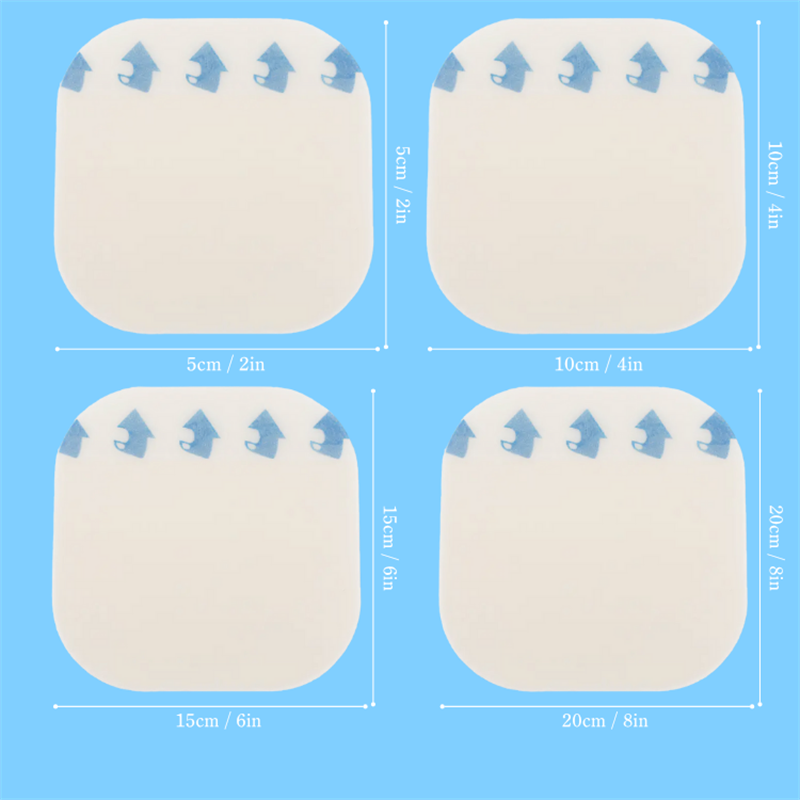 Ultra-Thin Borderless Hydrocolloid Dressing for Superficial WoundsThis low-profile, waterproof dressing offers flexible cutting and strong exudate absorption, making it a practical choice for abrasions, minor burns, and post-procedure care on visible or mobile areas.View Product →
The sacral area is a different challenge. The curved contour of the lower back, combined with pressure from sitting or lying, demands a thicker, more absorbent dressing shaped for the region. A sacral hydrocolloid dressing spreads load across the bony prominence, absorbs more fluid, and fits the gluteal cleft without folding.
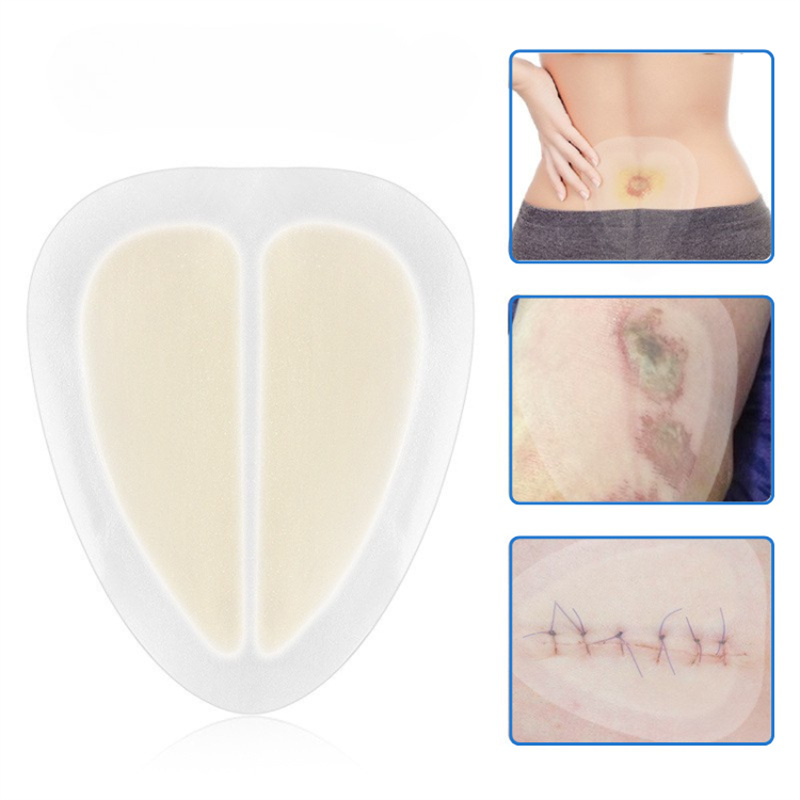 Sacral Hydrocolloid Dressing for Pressure Ulcer PreventionDesigned with a contoured butterfly or heart shape, this thicker dressing fits the sacral curve, spreads pressure, and absorbs fluid to protect bedridden or immobile patients from breakdown.View Product →
Correct application decides whether a waterproof hydrocolloid dressing performs as intended. A wrinkle or air pocket can become a channel for water, so the application routine matters as much as the product.
Gentle removal is critical for older patients and skin weakened by repeated dressing changes. Waterproof hydrocolloid dressings are not intended for infected wounds, very heavy exudate, or wounds with tunnelling unless a clinician has assessed the situation and chosen a compatible primary layer.
For friction blisters, a waterproof hydrocolloid dressing does something an ordinary adhesive bandage cannot: it stays in place, cushions the area, and absorbs blister fluid into the gel matrix while new skin forms underneath. Patients report less pain when walking because the dressing distributes pressure away from the blister roof.
Change intervals are also long. Because the dressing is waterproof, patients can shower and exercise without worrying about slippage, and the gel reduces the chance of the dressing sticking to the wound. For a detailed comparison of dressing families, our waterproof hydrocolloid dressing guide walks through the selection criteria case by case.
Buyers adding these dressings to a blister care range should look for a beveled or tapered edge, because smooth edges resist rolling up inside footwear. The dressing should fit comfortably inside shoes yet stay in place for two to three days of normal activity.
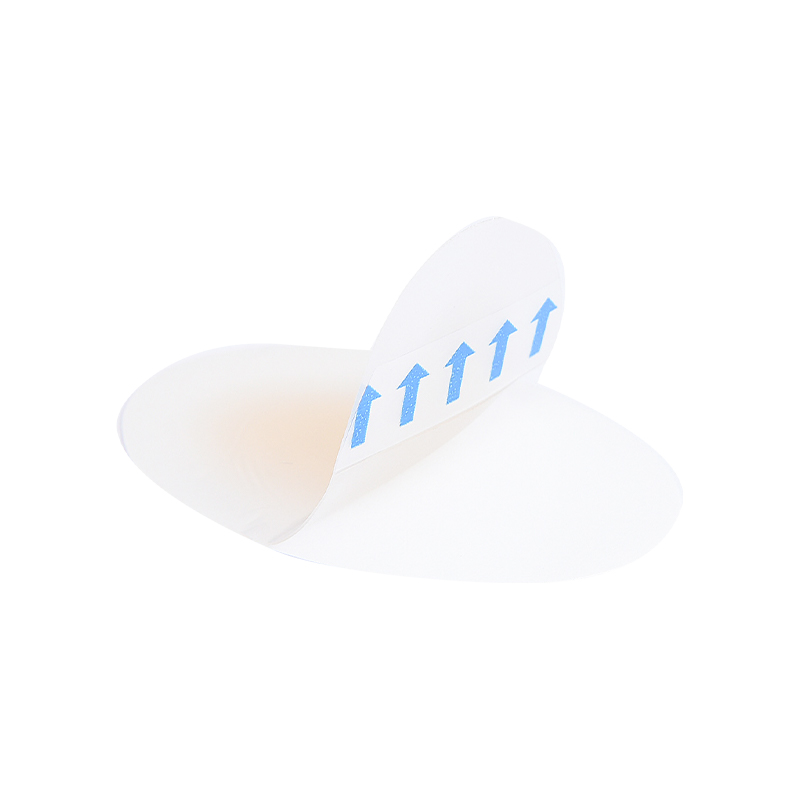 Hydrocolloid Blister Patch for Foot ProtectionThis water-resistant, breathable patch cushions and adheres to foot contours, absorbing exudate while staying put during daily activities—ideal for preventing and managing friction blisters.View Product →
When a distributor or brand owner sources medical waterproof hydrocolloid dressings, the conversation goes beyond unit price. Regulatory documentation, manufacturing consistency, and customization capability determine how easily the product can be registered, labelled, and marketed in different countries.
Start with quality system certification. ISO 13485 covers quality management for medical devices, and CE or FDA documentation is expected for most export markets. Ask for biocompatibility reports, microbiological test results, and material declarations; importers and regulators routinely request these documents.
Then examine customization flexibility. Hydrocolloid technology is a platform rather than a single product, and established suppliers offer OEM/ODM programs. Customizable parameters include shape, thickness, adhesive level, absorbency, backing colour, and packaging, from paper-plastic pouches to foil sachets and printed cartons. A manufacturer that controls both coating and converting, such as Ningbo Hysent Medical, can offer tighter tolerances and shorter lead times without depending on third-party processors.
Sample evaluation should include a wet-state test: apply the dressing to a dry surface, simulate moisture, and observe how the gel holds together and how easily the dressing peels off. This simple check says more than a specification sheet.
Medical waterproof hydrocolloid dressings are a small product category with a broad clinical footprint. They keep wounds moist, protect them from water and contamination, and reduce the frequency of dressing changes, which improves healing outcomes and patient satisfaction. For buyers, the task is to choose products that score well on barrier integrity, absorbency, adhesion, and conformability, and to partner with a manufacturer that documents quality and supports custom formats.
Demand for waterproof versions will keep growing as more patients are discharged earlier and manage wounds at home. A dressing that survives a shower, protects the wound, and comes off without pain is not a luxury; it is a baseline expectation of modern wound care.
contact us
Don't hesitate to contact when you need us!

Contact Information
NO.3 Jinshui Road, Xiwu Street, Fenghua District, Ningbo, ZheJiang, China.
+86-18158557875





 English
 中文简体
中文简体
 русский
 Español