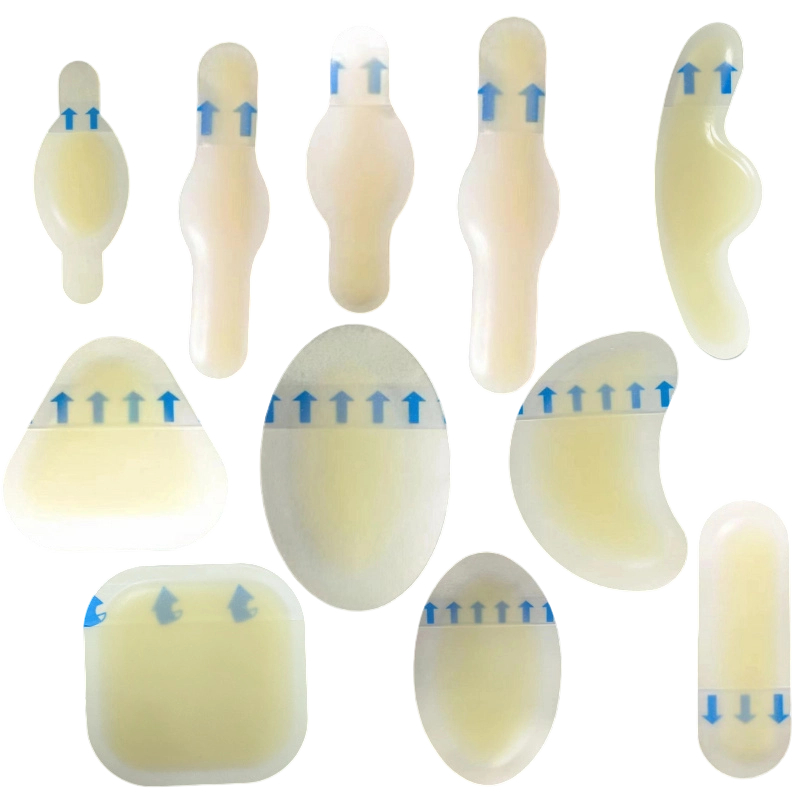
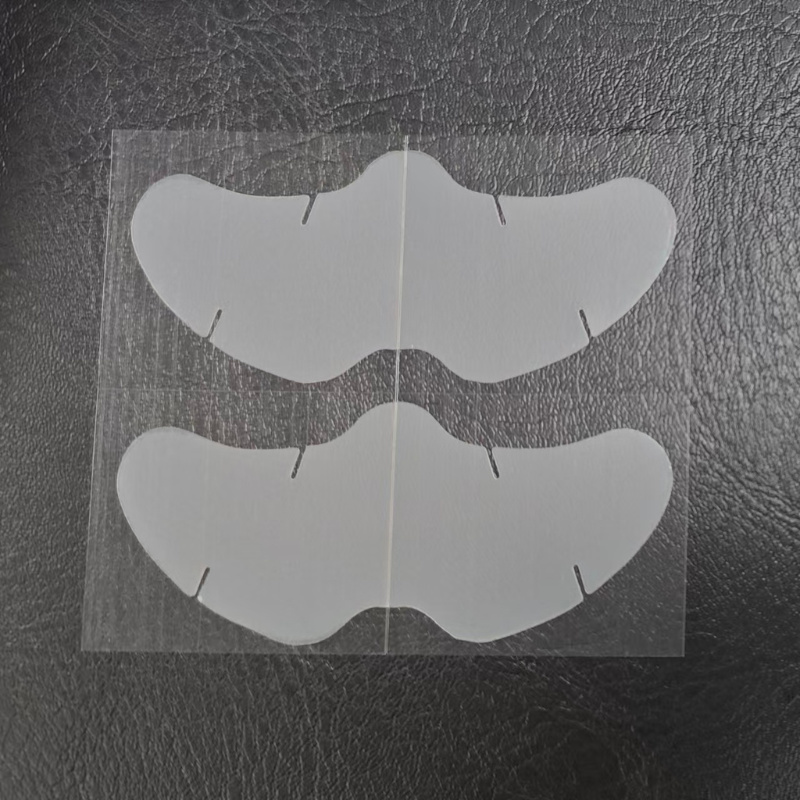
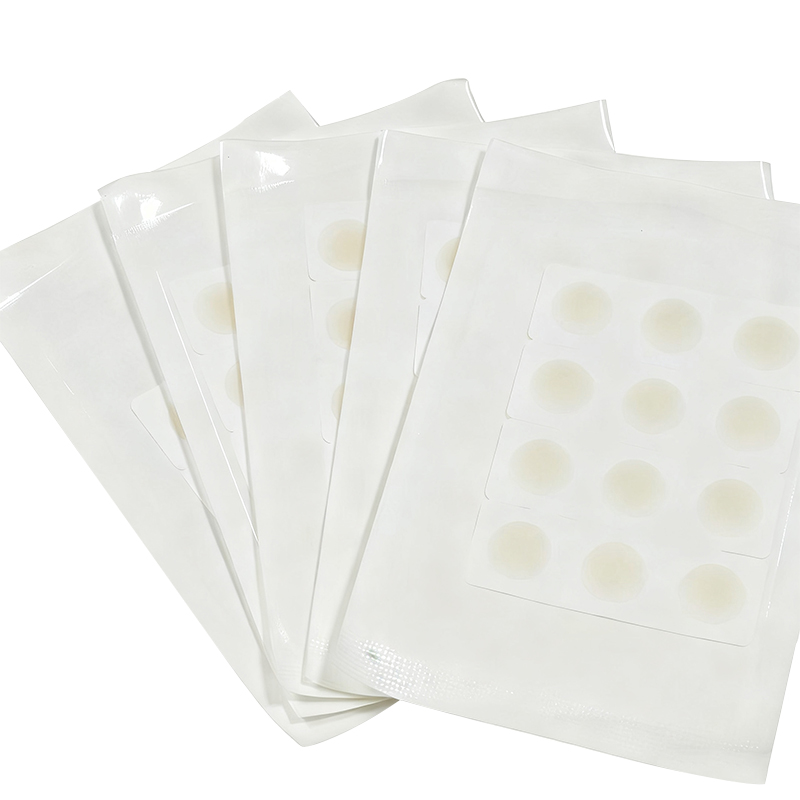
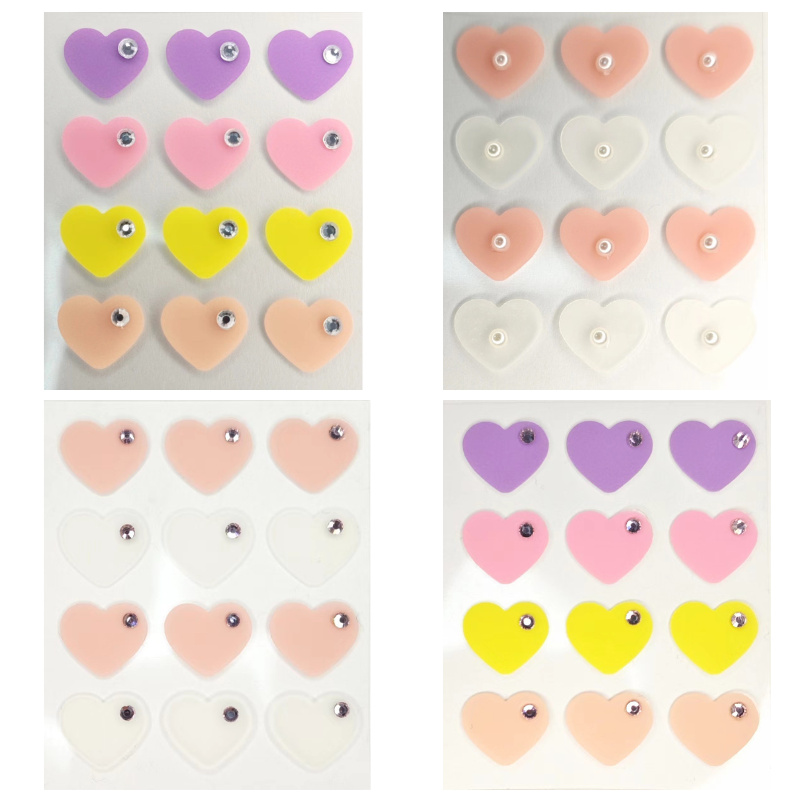
What is Waterproof Hydrocolloid Dressing?
Waterproof hydrocolloid dressing is a type of wound care product that is widely used for its ability to create a moist healing environment while protecting the wound from external contaminants such as bacteria, dirt, and water. Hydrocolloid dressings are composed of a hydrophilic material that forms a gel-like substance when it comes into contact with wound exudate. This type of dressing not only facilitates the healing process but also reduces pain and minimizes the risk of infection. The waterproof feature adds another layer of protection, making these dressings ideal for use in various environments, including those involving water exposure or heavy perspiration.
How Waterproof Hydrocolloid Dressings Work
Waterproof hydrocolloid dressings are designed to work by maintaining a moist environment that promotes faster healing. Here's how they work:
- The hydrocolloid material absorbs exudate from the wound, which helps to keep the wound moist and prevents scabbing, allowing new tissue to form.
- The dressing forms a gel-like layer that adheres to the skin around the wound, helping to seal it off from external contaminants like bacteria, dirt, and water.
- The waterproof barrier prevents the dressing from being compromised by water, making it ideal for wounds that need to remain covered during showers or swimming.
- The dressing is also designed to be flexible, conforming to the contours of the body, ensuring that it stays in place without causing discomfort.
Benefits of Waterproof Hydrocolloid Dressings
Waterproof hydrocolloid dressings offer a range of benefits that make them a popular choice for wound care:
- Promotes Faster Healing: By maintaining a moist environment, hydrocolloid dressings encourage faster tissue regeneration, reducing the overall healing time of the wound.
- Reduces Pain and Discomfort: The moist environment also minimizes the pain and discomfort that can be caused by dry wounds or scabs, making it ideal for sensitive or painful wounds.
- Prevents Infection: The waterproof and impermeable nature of the dressing helps to protect the wound from bacterial contamination, reducing the risk of infection.
- Flexible and Comfortable: Hydrocolloid dressings are designed to be flexible and conform to the body's contours, ensuring a comfortable fit and allowing for greater freedom of movement.
- Discreet and Low Maintenance: These dressings are often designed to blend with the skin, offering a discreet solution for wound care. They also require fewer dressing changes compared to traditional bandages.
Types of Wounds Treated with Waterproof Hydrocolloid Dressings
Waterproof hydrocolloid dressings are versatile and can be used for a variety of wound types. Some of the most common applications include:
- Minor Burns: Hydrocolloid dressings are effective for treating minor burns, as they provide both moisture and protection to the damaged skin.
- Blisters: These dressings can help protect blisters from friction and external irritants while promoting faster healing.
- Pressure Ulcers: Hydrocolloid dressings are commonly used for treating pressure ulcers, as they provide cushioning and reduce the risk of infection while allowing the wound to heal.
- Post-Surgical Wounds: After surgery, hydrocolloid dressings can be used to cover and protect surgical wounds, reducing the risk of complications and promoting faster recovery.
- Chronic Wounds: These dressings are beneficial for chronic wounds such as diabetic ulcers or venous leg ulcers, as they maintain a moist environment to promote healing.
How to Apply Waterproof Hydrocolloid Dressings
Applying a waterproof hydrocolloid dressing is a simple process, but proper technique is essential to ensure the best results:
- Clean the wound gently with water and mild soap, making sure to remove any dirt or debris.
- Pat the wound dry with a clean, sterile towel or gauze.
- Select the appropriate size hydrocolloid dressing to cover the wound completely, ensuring that the edges extend slightly beyond the wound.
- Peel off the protective backing of the dressing and place it gently over the wound.
- Press down on the edges of the dressing to ensure it adheres well to the skin.
- Check the dressing regularly to ensure it remains in place and replace it if necessary.






 English
 中文简体
中文简体
 русский
 Español