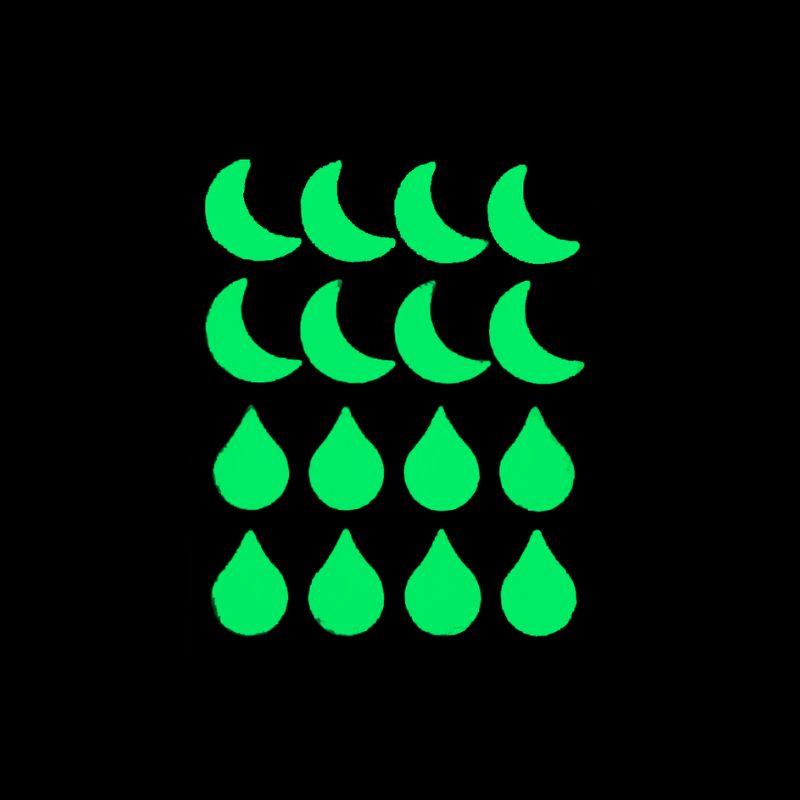
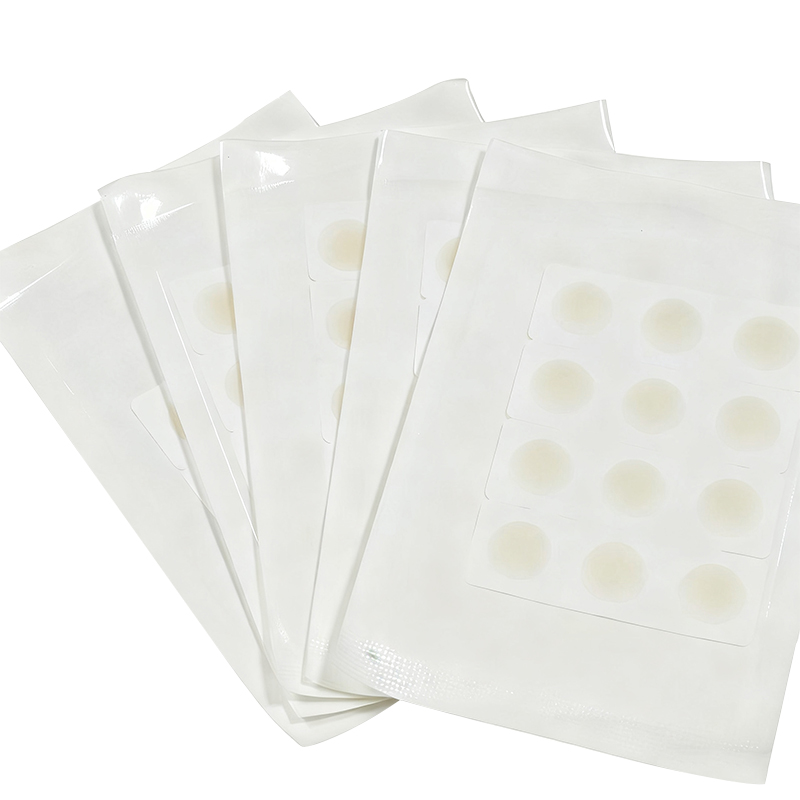
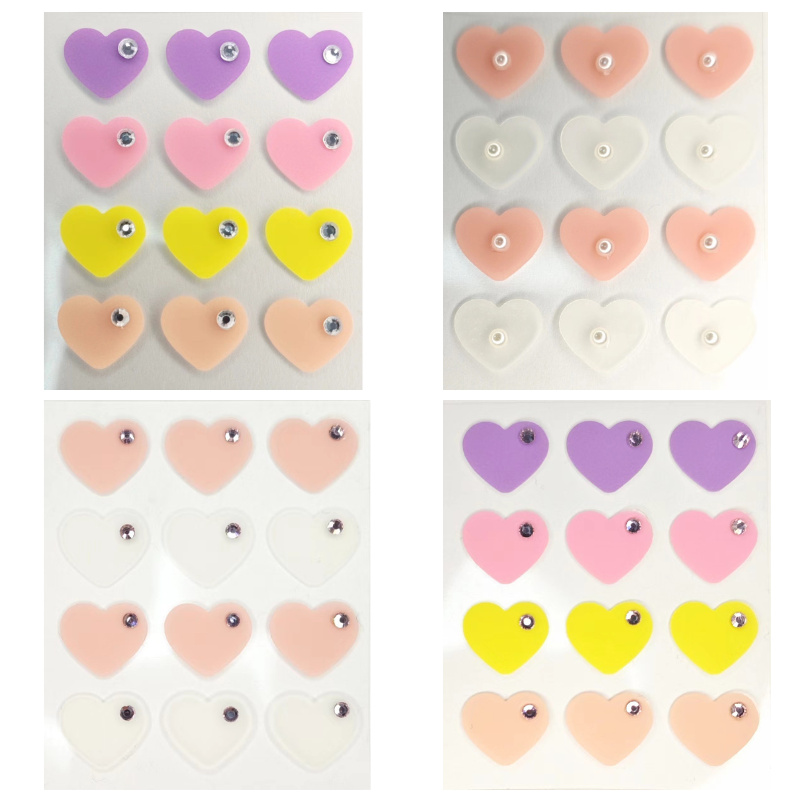
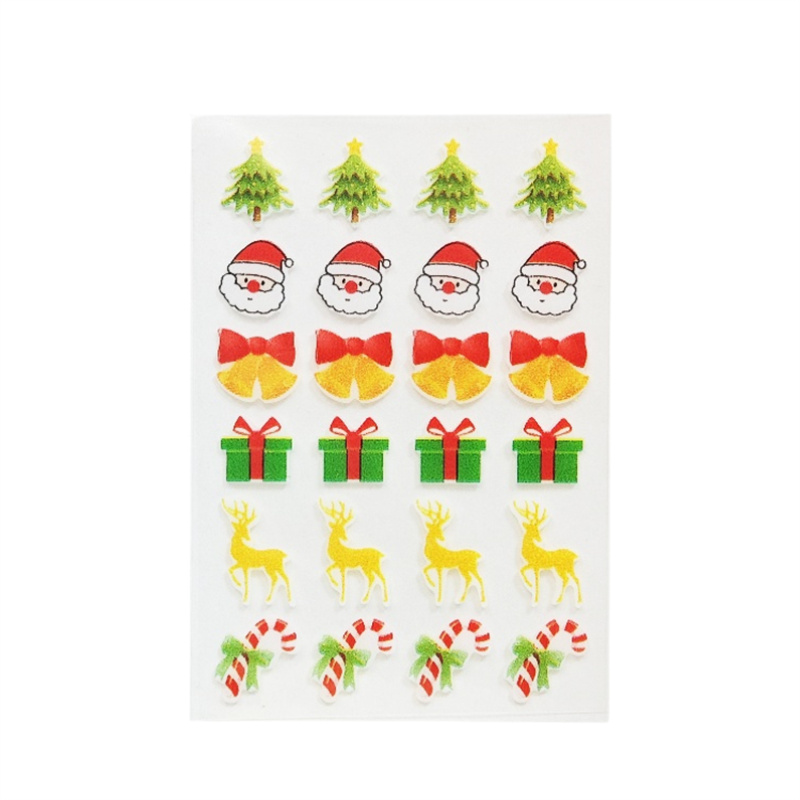
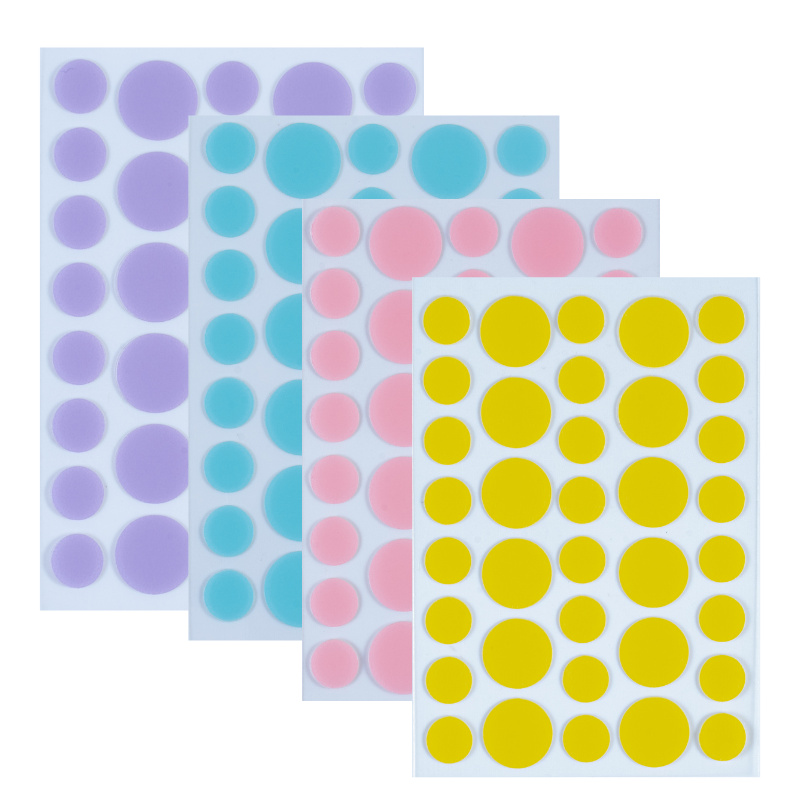
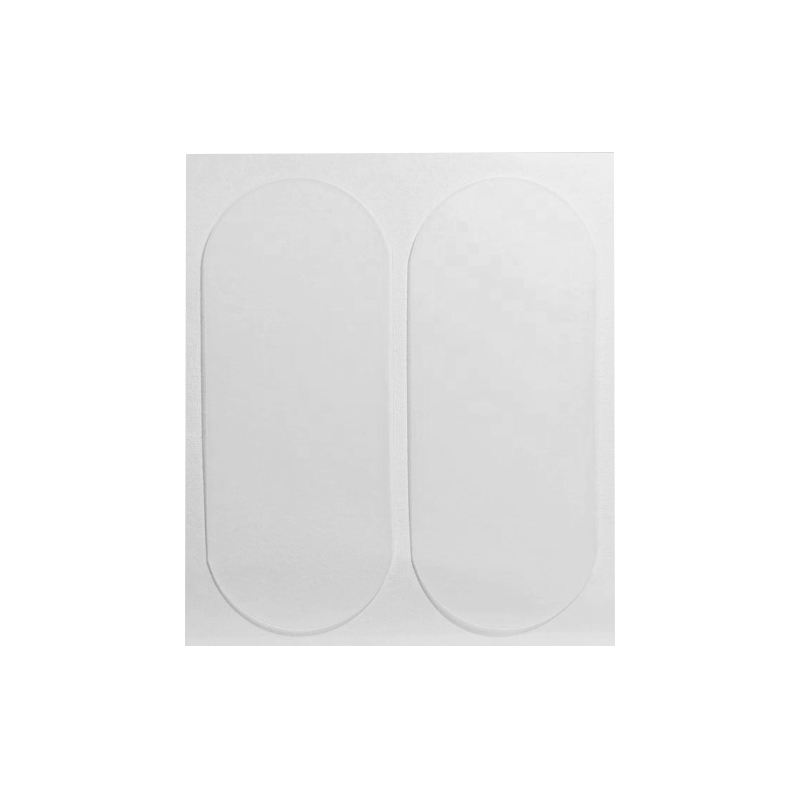
A hydrocolloid acne patch is a medical-grade adhesive dressing that absorbs pus and fluid from acne, protects the wound from bacteria, and accelerates skin healing in a clean, controlled environment.
These patches create a moist healing environment that can reduce visible inflammation within 6–24 hours for surface-level pimples, making them a widely used non-invasive acne care solution.
Hydrocolloid technology was originally developed for wound care. It works by absorbing fluid and forming a gel-like barrier over the skin.
Clinical dermatology studies show hydrocolloid dressings can reduce wound healing time by up to 30% compared to dry exposure healing.
Acne patches are available in different designs depending on acne severity and treatment needs.
| Type | Thickness | Best For | Healing Speed |
|---|---|---|---|
| Thin Hydrocolloid Patch | 0.3–0.5 mm | Whiteheads & small pimples | 6–12 hours |
| Standard Patch | 0.5–0.8 mm | Inflamed acne | 12–24 hours |
| Microneedle Patch | Variable | Deep cystic acne | 24–48 hours |
Microneedle versions deliver active ingredients like salicylic acid or hyaluronic acid deeper into the skin for enhanced acne treatment.
Hydrocolloid patches are widely used because they offer visible and fast results without harsh chemicals.
Dermatology reports suggest that consistent patch usage can reduce post-acne scarring risk by up to 40% in mild to moderate acne cases.
Correct application is essential for maximum absorption and effectiveness.
A fully saturated patch indicates that excess fluid has been successfully absorbed.
Hydrocolloid patches are most effective for surface-level acne with visible fluid.
Hydrocolloid patches are less effective for blackheads or deep cystic acne unless combined with active ingredients.
Most hydrocolloid acne patches are made from medical-grade polymers such as gelatin, pectin, and carboxymethylcellulose.
These materials are widely used in wound dressings and are generally considered safe for daily cosmetic use.
While effective, hydrocolloid patches are not a complete acne treatment solution.
Even with limitations, they remain one of the most effective non-prescription solutions for rapid surface acne management.
contact us
Don't hesitate to contact when you need us!

Contact Information
NO.3 Jinshui Road, Xiwu Street, Fenghua District, Ningbo, ZheJiang, China.
+86-18158557875





 English
 中文简体
中文简体
 русский
 Español