A nurse removes a gauze dressing from a venous leg ulcer, and the wound bed starts to bleed. The patient flinches as dried fibres pull at fragile granulation tissue. That scene is familiar to anyone who has changed a chronic wound dressing. It is also avoidable.
An advanced wound dressing is not simply a more expensive bandage. It manages moisture, protects the wound bed, reduces pain on removal, and creates conditions that allow cells to migrate and repair. The result is shorter healing time, fewer dressing changes, and decreased infection risk.
An advanced dressing actively controls the wound micro-environment instead of passively covering it. The essential functions are:
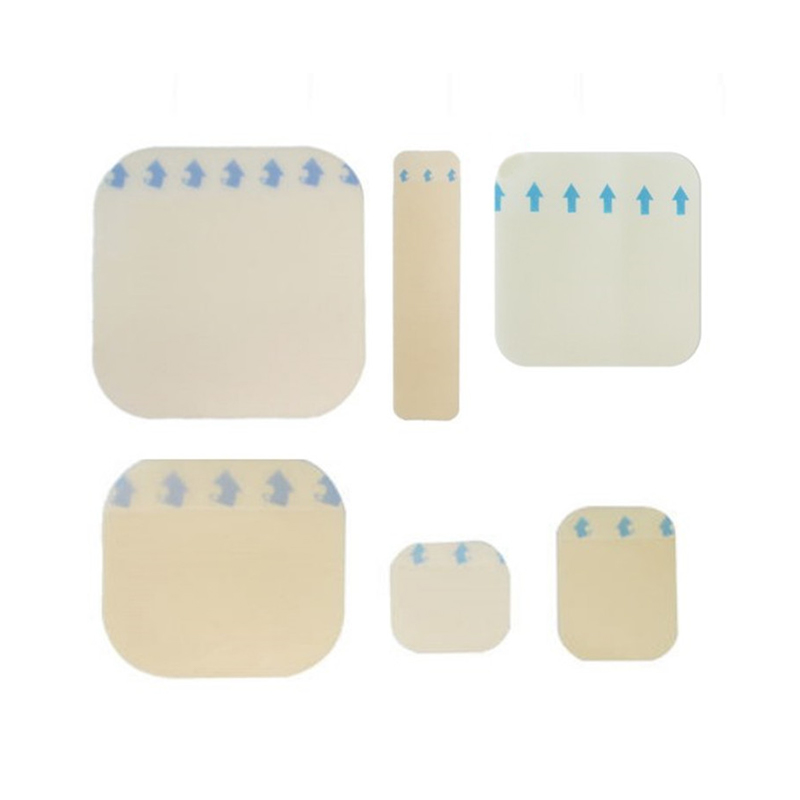
For example, a hydrocolloid dressing contains absorbent particles that form a soft gel when wound fluid contacts the adhesive layer. That gel keeps the wound surface moist and permits painless removal. The mechanism is explained in more detail in this article on why hydrocolloid dressings support moist wound healing.
Advanced does not mean universal. A dressing that works well on a dry postoperative incision will usually perform poorly on a heavily exuding pressure injury.
Choosing an advanced dressing starts with wound exudate level, wound depth, and the condition of the surrounding skin. The table below shows how the main categories fit into a wound care plan.
| Dressing type | Best used for | Selection note |
|---|---|---|
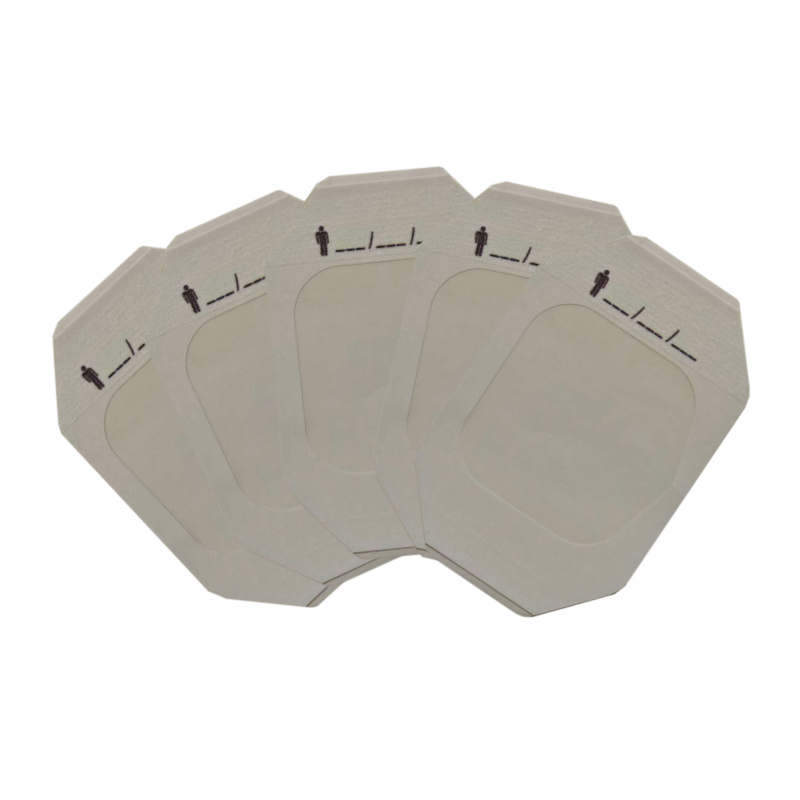
| Transparent film | Superficial wounds, IV sites, postoperative incisions | Allows moisture vapour to escape but absorbs little or no fluid. |
| Hydrocolloid | Light to moderate exudate, pressure areas, blisters | Forms a gel in contact with wound fluid; useful on intact or lightly weeping skin. |
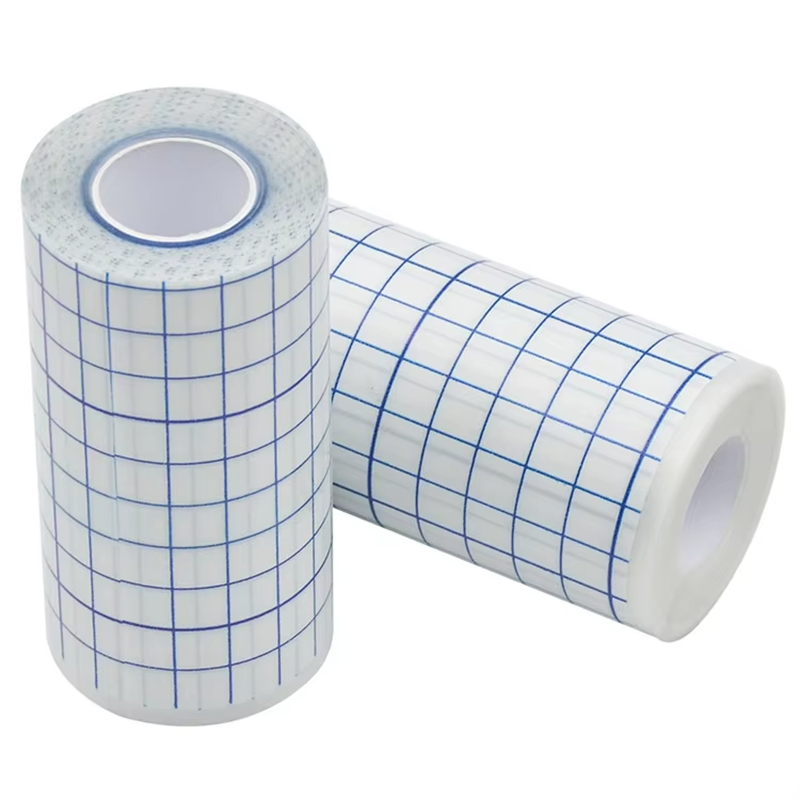
| Nonwoven fabric | Primary or secondary cover dressing for low to moderate exudate | Soft, breathable, and conformable; often combined with a wound contact layer. |
| Foam | Moderate to high exudate, cushioning and absorption | Absorbs fluid vertically while keeping the wound surface moist. |
| Alginate | Moderate to high exudate, deep or cavity wounds | Seaweed-derived fibres absorb fluid and form a gel that does not stick to the wound bed. |
| Silicone gel | Scar management, fragile skin, and repeated dressing changes | Adheres gently and can be repositioned without pulling wound edges. |
| Medicated or antimicrobial | Infected or critically colonised wounds | Often contains silver or another antimicrobial agent; clinical justification is required. |
Absorption capacity is one of the most practical differentiators. This chart gives relative guidance, not absolute values, because actual performance depends on dressing thickness and formulation.
These are simplified trends. Fluid handling also depends on wound depth, dressing size, and whether a secondary absorber is used.
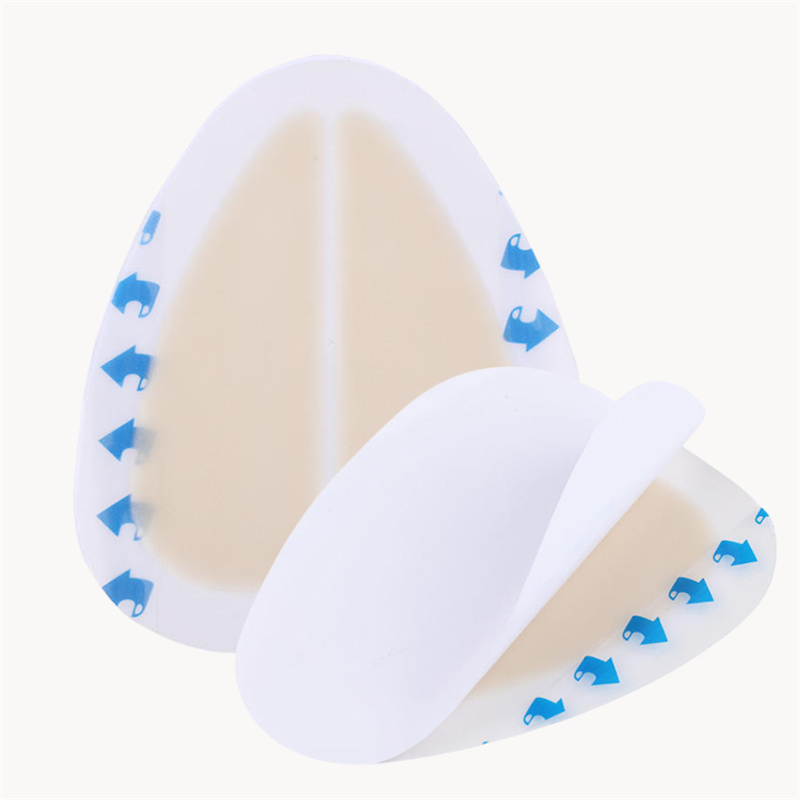
For a pressure injury on the sacrum, the dressing must absorb wound fluid while staying in place over a curved surface. A thicker hydrocolloid dressing conforms to the area and helps protect the surrounding skin from friction. An anatomically shaped option is often easier to apply in that position.
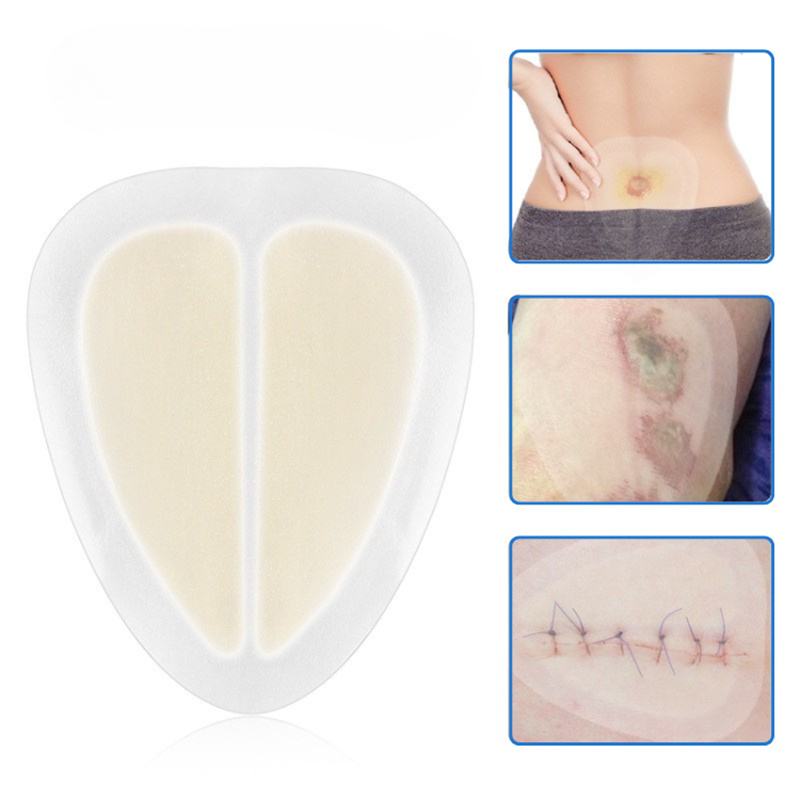 Sacral Hydrocolloid Dressing for Pressure Ulcer PreventionThis sacral-specific hydrocolloid dressing conforms to curved surfaces, absorbs exudate, and protects fragile skin, making it ideal for bedridden patients with pressure injuries.View Product →
When exudate is heavy, an alginate dressing is usually the first choice. It converts to a gel as it absorbs, so it does not dry out or adhere to the wound surface. Alginate dressings are typically covered with a secondary nonwoven or foam dressing to contain leakage and keep the wound environment stable.
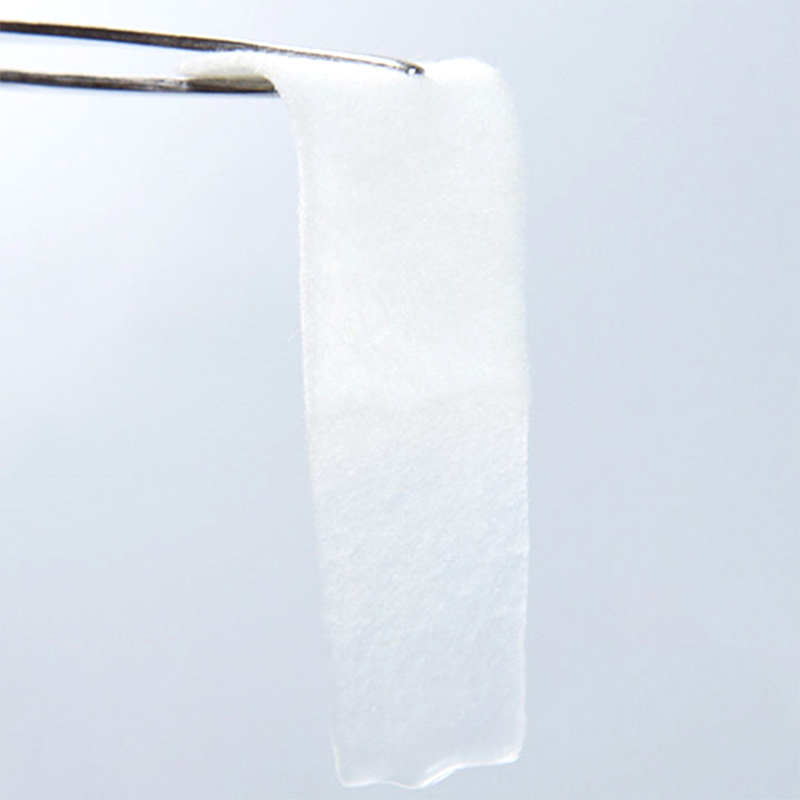 High-Absorbency Alginate Wound DressingMade from seaweed-derived alginate, this dressing gels on contact with exudate, absorbing 15–20 times its weight while maintaining a moist healing environment for moderate to heavy wounds.View Product →
For a clean surgical wound that needs visibility and waterproof protection, a transparent film dressing can be used. It should only be applied to wounds with low or minimal exudate. If fluid collects beneath the film, the dressing must be changed more often.
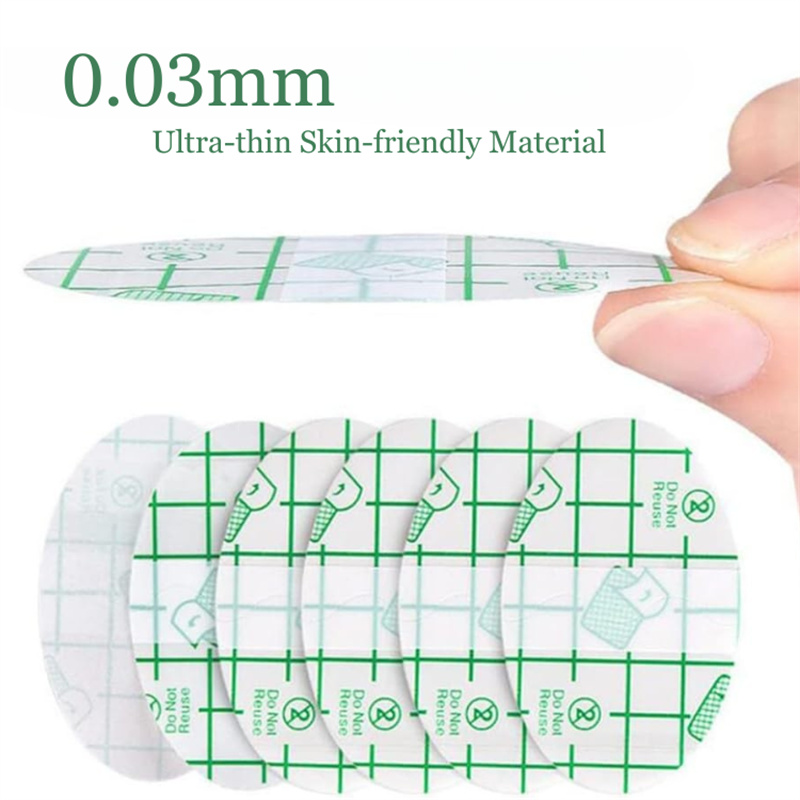 Ultra-Thin Transparent Waterproof PatchAn invisible, waterproof dressing that protects low-exudate wounds while allowing easy visibility. Its ultra-thin PU film adheres securely and resists friction, making it perfect for everyday care.View Product →
For low to moderate exudate on fragile skin, nonwoven dressings offer a softer contact surface than standard gauze. Their structure influences moisture handling and conformability. A closer look at medical nonwoven dressing materials explains why fibre composition matters.
Clinical teams evaluate advanced dressings by patient outcomes. Purchasing teams evaluate them by specification, compliance, and total cost. Both views matter when a hospital, distributor, or private-label brand sources these products.
The first step is to define measurable requirements before comparing product codes. Useful parameters include:
For a private-label programme, customisation options matter as much as base material quality. A manufacturer that can adjust shape, colour, thickness, adhesive strength, absorbency, and packaging allows a brand to differentiate without changing the core formulation. This is particularly relevant in the advanced wound dressing segment because clinical buyers expect consistent sizing, clear labelling, and reproducible performance.
Before committing to a supplier, request samples and compare them on the actual wound types you expect to treat. Check batch-to-batch consistency, verify the moisture handling claims, and run a small pilot order. A dressing that performs well in a bench test but poorly in clinical use is not an advanced dressing, regardless of how it is labelled.
Advanced wound dressing selection should be deliberate. Assess the wound, quantify exudate, choose a category, test wear time, and review the surrounding skin response. The right dressing is the one that keeps the wound progressing and the patient comfortable.
contact us
Don't hesitate to contact when you need us!

Contact Information
NO.3 Jinshui Road, Xiwu Street, Fenghua District, Ningbo, ZheJiang, China.
+86-18158557875





 English
 中文简体
 русский
 Español