


 English
 中文简体
中文简体
 русский
 Español
Wound healing is a complex biological process that depends on precisely managed conditions at the wound surface. Decades of clinical research have established that maintaining a continuously moist wound environment significantly accelerates healing, reduces pain, and minimizes scarring compared to allowing wounds to dry under conventional gauze. Moist healing hydrocolloid dressings are engineered specifically to sustain this optimal environment, making them one of the most widely adopted advanced wound care technologies in both clinical and consumer settings.
Understanding Moist Wound Healing
The principle of moist wound healing was first established in the 1960s, fundamentally challenging the long-held clinical assumption that wounds healed best when kept dry. Research demonstrated that a moist wound surface allows keratinocytes to migrate more efficiently across the wound bed, promotes the orderly deposition of fibrinogen and fibronectin, and sustains the enzymatic activity necessary for tissue regeneration. Dry wound environments, by contrast, force cells to burrow beneath dried scabs, slowing epithelialization and increasing scarring risk.
Moist healing hydrocolloid dressings operationalize this science. By forming a semi-occlusive or occlusive seal over the wound, they trap the body's own wound fluid, creating a sustained hydrated microenvironment that activates and supports the biological cascades responsible for repair. This mechanism underpins their effectiveness across a wide spectrum of wound types, from chronic pressure ulcers to acute surgical sites and everyday abrasions.
Hydrocolloid particles absorb wound fluid and transform it into a protective gel, managing moisture without over-drying.
The gel layer sustains continuous hydration at the wound surface, enabling faster cell migration and re-epithelialization.
The outer layer blocks bacteria, water, and contaminants while allowing gas exchange to prevent anaerobic conditions.
Structure and Composition of Hydrocolloid Dressings
Hydrocolloid dressings are engineered as bilayer systems, with each layer performing a distinct and complementary function. Understanding this architecture clarifies why these dressings perform so differently from traditional gauze or simple adhesive bandages.
Composed of hydrocolloid particles including carboxymethylcellulose (CMC), gelatin, and pectin suspended in an adhesive matrix. When in contact with wound exudate, these particles absorb fluid and swell into a cohesive, viscous gel. This gel maintains continuous moisture at the wound surface, facilitates autolytic debridement of necrotic tissue, and actively supports innate immune function by activating granulocytes and monocytes within the wound environment.
Typically composed of polyurethane film, foam, or a film-foam combination. This layer is waterproof and impermeable to external bacteria and viral particles, protecting the wound from contamination. It is simultaneously vapor-permeable, allowing gas exchange to prevent maceration of surrounding skin and to maintain aerobic conditions conducive to healing. The outer layer also provides structural integrity to the dressing, supporting extended wear times of up to seven days without removal.
The adhesive properties of the hydrocolloid matrix allow the dressing to conform closely to wound contours, creating a secure seal even over irregular surfaces, joints, and areas subject to movement. This conformability reduces the risk of edge lifting and bacterial infiltration at the dressing margins, which is a common failure mode of standard adhesive dressings.
The Science Behind Moist Healing Acceleration
The moist environment created by hydrocolloid dressings accelerates wound repair through several interacting biological mechanisms. At the cellular level, keratinocytes responsible for re-epithelialization migrate significantly faster over a moist, gel-covered wound surface than over a dry, crusted bed. The moist medium also improves the migration and proliferation of fibroblasts, the cells responsible for synthesizing collagen and building granulation tissue, which is the scaffolding upon which new skin forms.
Autolytic debridement is another critical benefit of the moist healing environment. The occlusive nature of hydrocolloid dressings concentrates the body's own proteolytic enzymes and phagocytic cells within the wound, allowing them to liquefy and remove necrotic tissue naturally. This process eliminates or reduces the need for sharp surgical debridement in many wound types, lowering patient discomfort and procedural burden on clinical staff.
A 2023 meta-analysis examining 25 clinical studies found that hydrocolloid dressings achieved a higher wound closure rate and the fastest healing time when compared with other categories of moist dressings, reinforcing their position as a benchmark intervention in moist wound therapy. The viscous gel layer also supports innate immunity directly, creating an environment in which immune cell function is optimized rather than impaired by desiccation or repeated mechanical disruption from dressing changes.
Clinical Applications
Pressure Ulcers and Decubitus Wounds
Hydrocolloid dressings are among the most established interventions for Stage I and Stage II pressure ulcers. Their ability to maintain a moist environment, cushion the wound from further mechanical pressure, and extend wear time without disturbing the wound bed makes them well suited to the management of bedridden and mobility-limited patients.
Minor Burns and Abrasions
For superficial and partial-thickness burns, hydrocolloid dressings create a moist healing microenvironment that reduces pain, protects exposed nerve endings, and promotes re-epithelialization. Clinical studies have demonstrated comparable or superior outcomes to silver sulfadiazine cream for minor burn wounds, with significantly better patient comfort scores.
Postoperative and Surgical Wounds
Research comparing hydrocolloid dressings with conventional daily dressing changes after dermatologic and excisional surgery found that a single hydrocolloid application rated significantly higher in comfort, convenience, and scar appearance. Patients benefit from reduced dressing change frequency and less mechanical disruption to the healing surgical site.
Acne and Dermatological Conditions
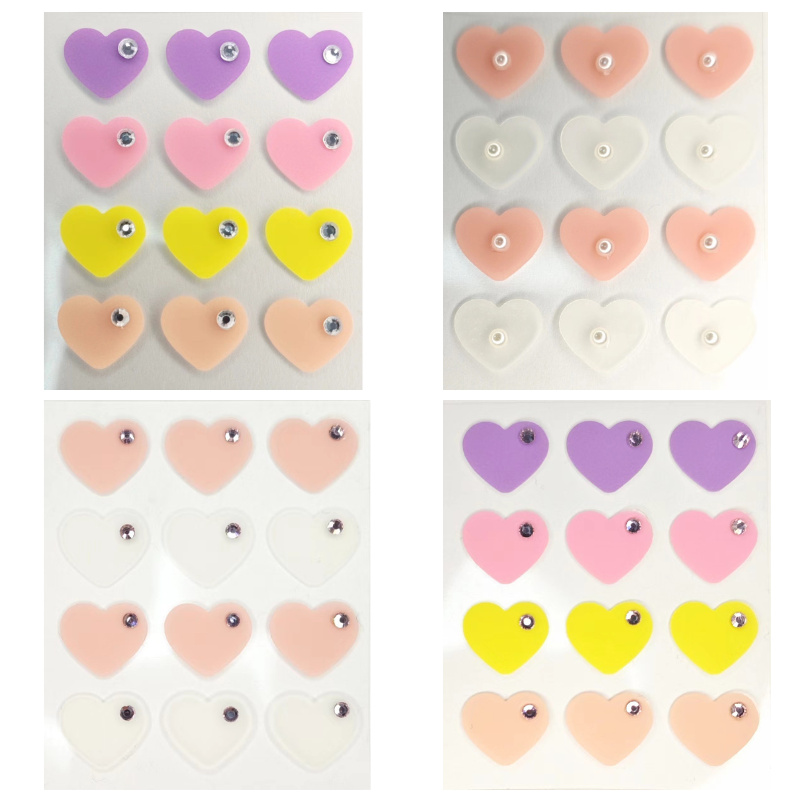
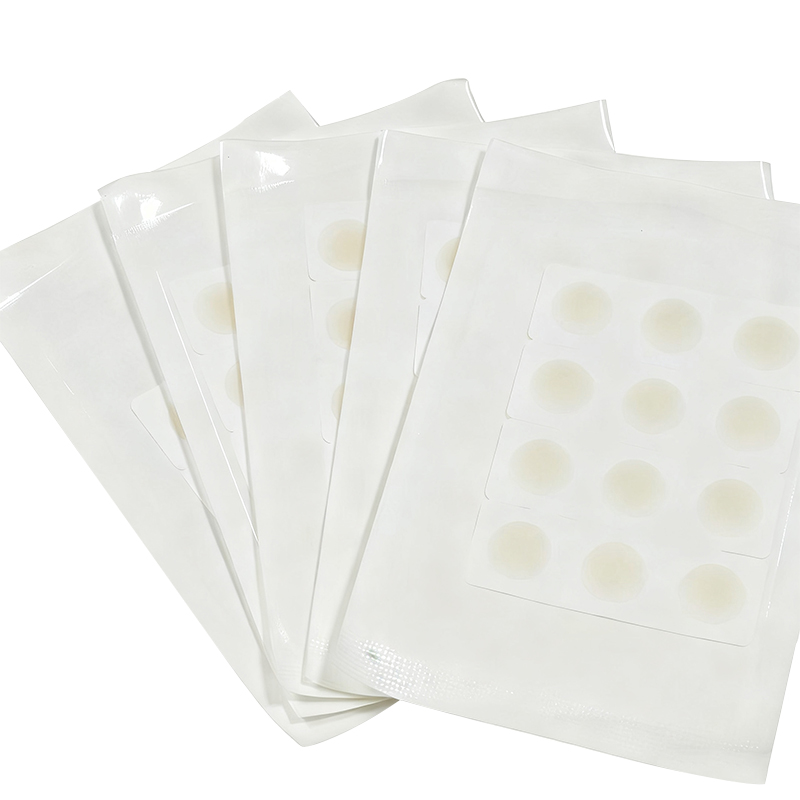
Hydrocolloid pimple patches have gained widespread consumer adoption for the treatment of inflammatory acne lesions. By absorbing sebum and purulent exudate from a pimple while maintaining a protected moist microenvironment, these patches reduce lesion inflammation, prevent manual manipulation, and lower the risk of post-inflammatory hyperpigmentation. Clinical studies confirm statistically significant reductions in inflammation and acne severity with consistent use.
Chronic Ulcers and Leg Wounds
Diabetic foot ulcers, venous leg ulcers, and other chronic wounds with moderate exudate levels are common indications for hydrocolloid therapy. The ability of the dressing to manage wound fluid, maintain a consistently moist bed, and allow extended wear periods reduces nursing workload and improves outcomes in outpatient wound care programs.
Scar Management
Hydrocolloid dressings have demonstrated utility in the prevention and treatment of hypertrophic scars and keloids. Applied to fresh surgical closures, they reduce the risk of excessive scar formation. Studies in post-caesarean section patients found that weekly hydrocolloid dressing changes over six months significantly reduced hypertrophic scarring incidence at the incision site.
Key Benefits of Moist Healing Hydrocolloid Dressings
- Accelerated wound closure through sustained moist healing conditions that optimize cell migration and proliferation
- Reduced pain at the wound site due to hydrated nerve endings and gentle, non-traumatic dressing removal
- Built-in autolytic debridement that removes necrotic tissue using the body's own enzymes without surgical intervention
- Bacterial barrier that prevents external contamination while supporting the wound's internal immune defences
- Extended wear times of three to seven days that reduce dressing change frequency, patient discomfort, and clinical workload
- Improved scar outcomes through reduction of wound surface disruption during the critical proliferative healing phase
- Conformability to body contours, joints, and irregular wound shapes for consistent edge-to-edge sealing
- Transparent or semi-transparent versions allowing visual monitoring of wound progress without removing the dressing
- Waterproof outer layer enabling patients to bathe and maintain normal hygiene during the healing period
Types of Hydrocolloid Dressing Formats
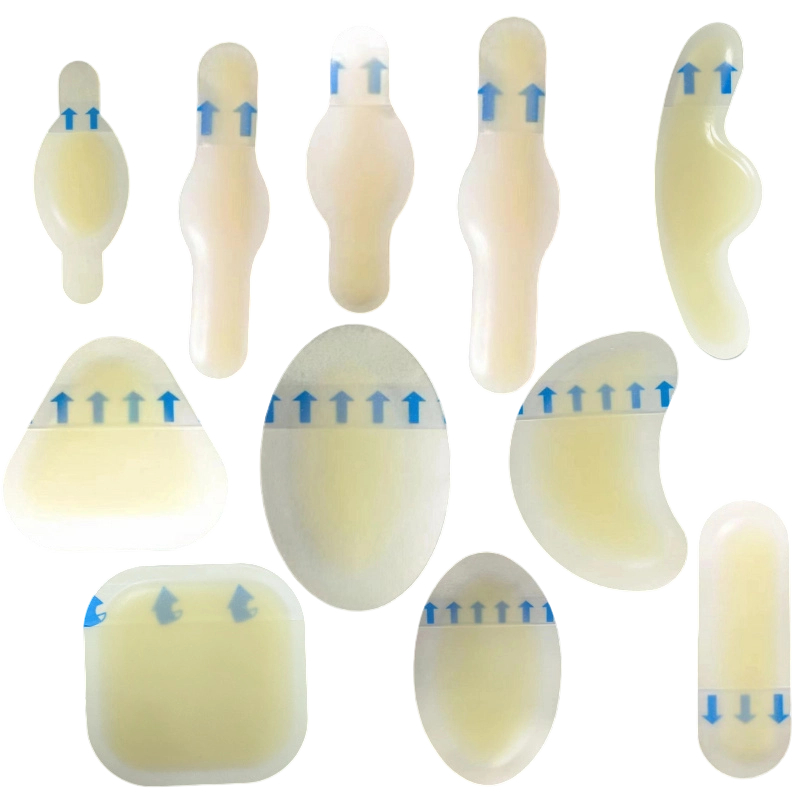
The hydrocolloid dressing category encompasses a range of formats engineered for specific wound types, anatomical locations, and exudate levels. Selecting the correct format is essential to maximizing clinical outcomes.
| Format | Best Use | Key Characteristics |
|---|---|---|
| Standard Sheet | Flat pressure ulcers, surgical sites, minor burns | Full adhesive coverage, sizes from small patches to large wound formats, available with beveled or straight edges |
| Thin or Extra-Thin | Superficial wounds, skin tears, prevention of friction injury | High flexibility and conformability, semi-transparent for visual monitoring, reduced bulk for comfortable wear |
| Hydrocolloid Paste | Deep or irregularly shaped cavity wounds | Applied into wound cavities before cover dressing, conforms to complex geometry, manages exudate in difficult anatomical sites |
| Hydrocolloid Powder | Fragile or friable wound surfaces with moderate exudate | Absorbs moisture on contact to form a protective gel layer, used as adjunct to sheet dressings on difficult wound beds |
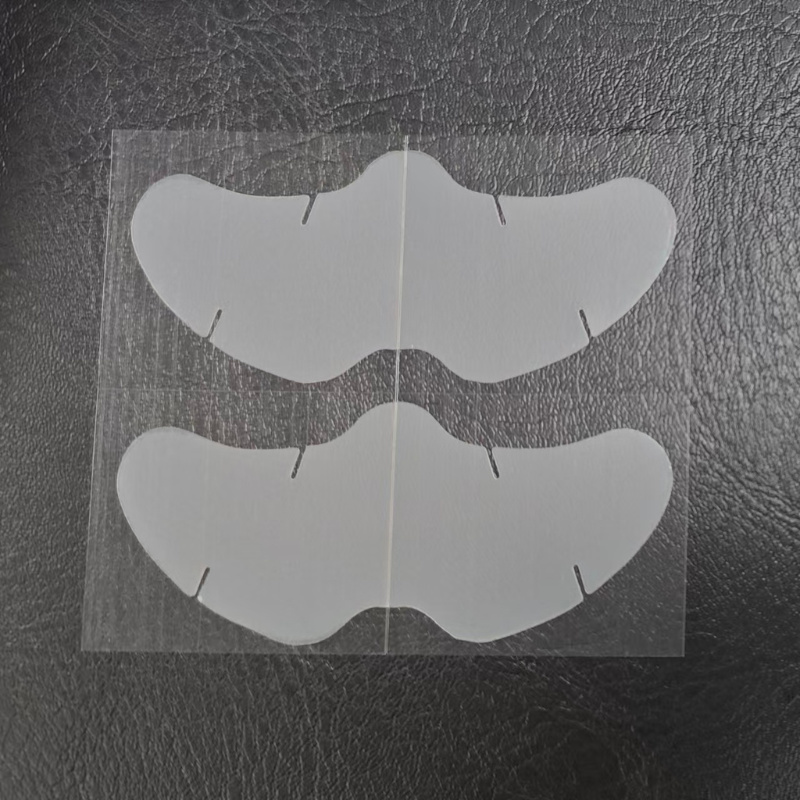
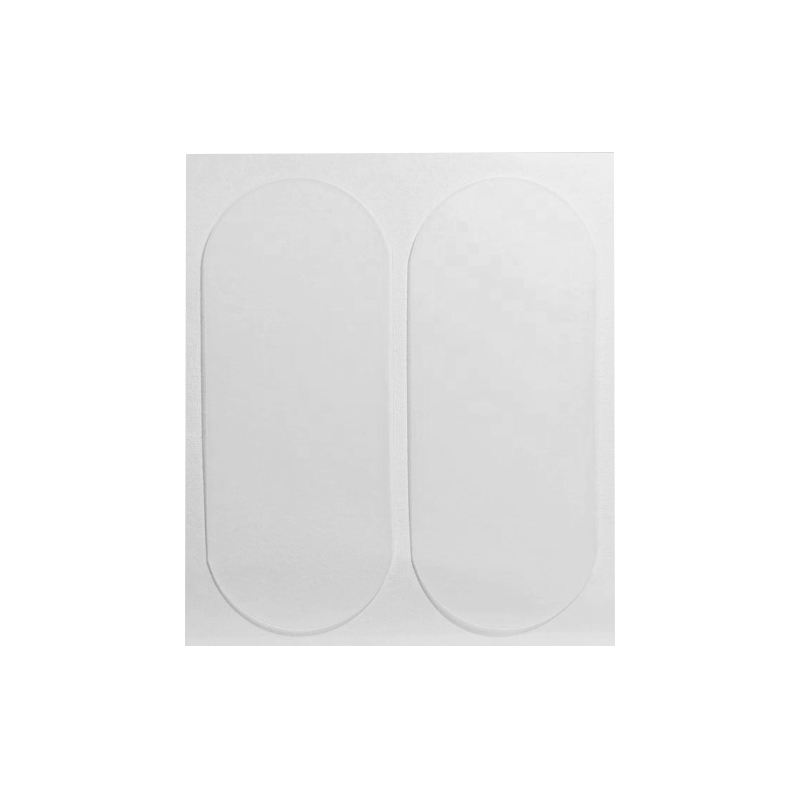
| Acne Patch | Inflammatory papules, pustules, and post-inflammatory healing | Ultra-thin, skin-toned options for discreet daytime wear, absorbs sebum and exudate to flatten and heal lesions |
How to Apply Moist Healing Hydrocolloid Dressings Correctly
Correct application technique directly affects how well a hydrocolloid dressing performs. The wound site should be gently cleaned with saline or a mild wound cleanser and patted dry around the perimeter, as the adhesive border requires dry skin to seal effectively. The dressing should be sized to extend at least two centimeters beyond the wound margin on all sides to ensure consistent occlusion and prevent edge lifting.
Warming the dressing briefly between the palms before application softens the hydrocolloid adhesive and improves conformability to irregular skin surfaces. Once applied, firm pressure should be held across the dressing surface for approximately thirty seconds to activate the adhesive bond. The dressing should ideally be changed when the gel blister visible beneath the outer layer reaches within two centimeters of the dressing edge, or at a minimum every three to seven days depending on the wound's exudate level and clinical guidance.
On removal, the dressing should always be peeled back slowly and parallel to the skin surface rather than lifted perpendicularly, to minimize mechanical trauma to the wound edges and surrounding skin. Any yellowish gel residue left on the wound surface after removal is normal and represents the spent hydrocolloid gel matrix. It can be gently rinsed away with saline without disrupting the wound bed.
When Hydrocolloid Dressings Are Not Suitable
- Heavily exuding wounds, where the gel may become overwhelmed and cause perilesional maceration if not changed frequently enough
- Clinically infected wounds with active signs of cellulitis, as the occlusive environment can be counterproductive in the presence of heavy bacterial bioload
- Wounds requiring frequent clinical inspection, where the occlusive nature would necessitate removal too often to justify extended wear benefits
- Deep cavity wounds without use of an appropriate hydrocolloid paste or filler underneath, where a flat sheet dressing cannot adequately contact the wound base
- Patients with known hypersensitivity to hydrocolloid adhesive components, who may experience perilesional irritation or contact dermatitis
Hydrocolloid Dressings in Comparison to Other Moist Wound Therapies
Moist healing hydrocolloid dressings occupy a well-defined position within the broader advanced wound care market. Compared with hydrogel dressings, which donate moisture to dry wounds, hydrocolloid dressings are primarily designed to absorb and manage exudate, making them more appropriate for wounds with active fluid production. Compared with foam dressings, which offer higher fluid handling capacity, hydrocolloids provide superior adhesion, conformability, and autolytic debridement potential for low-to-moderate exudate wounds.
Alginate dressings, derived from seaweed polymers, share the ability to absorb large volumes of exudate but do not provide the same barrier protection or wear longevity as hydrocolloids. Silver-impregnated dressings address bioburden in critically colonized wounds where plain hydrocolloids would be contraindicated. Understanding these distinctions allows clinicians and patients to select the modality best matched to the wound's current physiological state, rather than applying a single dressing type throughout the entire healing continuum.
Commercially Available Products and Innovation Trends
Hydrocolloid dressings have been commercially available since the early 1980s, with DuoDerm introduced in the United Kingdom in 1982 and the United States in 1983. The market has since expanded to include a wide array of products across manufacturers, including Aquacel, Comfeel, Mepilex, Tegaderm, Hydrocoll, Allevyn, Cutimed, and numerous private-label options. Each formulation varies in adhesive strength, gel-forming agent composition, outer film construction, and dimensional options, offering clinicians considerable flexibility in matching the dressing to specific wound profiles.
Innovation in the hydrocolloid category continues to advance. Ultra-thin formulations with enhanced transparency are improving wound monitoring without dressing removal. Antimicrobial hydrocolloid variants incorporating silver or other agents are extending the technology to mildly infected wounds. Consumer-facing hydrocolloid patches for skincare and acne management have achieved mainstream popularity, introducing the science of moist wound healing to a new generation of users outside the clinical wound care environment, and driving further research into the dermatological applications of hydrocolloid technology.
Conclusion
Moist healing hydrocolloid dressings represent one of the most clinically validated and broadly applicable technologies in modern wound management. By creating and sustaining a continuously moist wound microenvironment, they accelerate the biological processes of healing, reduce pain and scarring, protect against infection, and improve the patient experience through extended wear and non-traumatic removal. From chronic pressure ulcers and burns in hospital settings to postoperative wounds, minor abrasions, and acne patches in everyday use, hydrocolloid dressings deliver measurable benefits grounded in decades of clinical science. Selecting the correct format, applying the dressing with proper technique, and understanding the wound types for which they are most suited allows clinicians and patients alike to harness the full potential of moist healing hydrocolloid technology.