


 English
 中文简体
中文简体
 русский
 Español
Acne affects approximately 85 percent of individuals between the ages of 12 and 24, and remains one of the most common dermatological concerns across all age groups. While topical medications and oral treatments have long formed the backbone of acne management, a new generation of targeted interventions has transformed how individual blemishes are treated. The medical-grade waterproof acne patch combines clinical wound care technology with precision skin engineering, delivering a fast-acting, protective, and scientifically validated solution that works around the clock and stands up to sweat, water, and daily activity.
What Is a Medical-Grade Waterproof Acne Patch
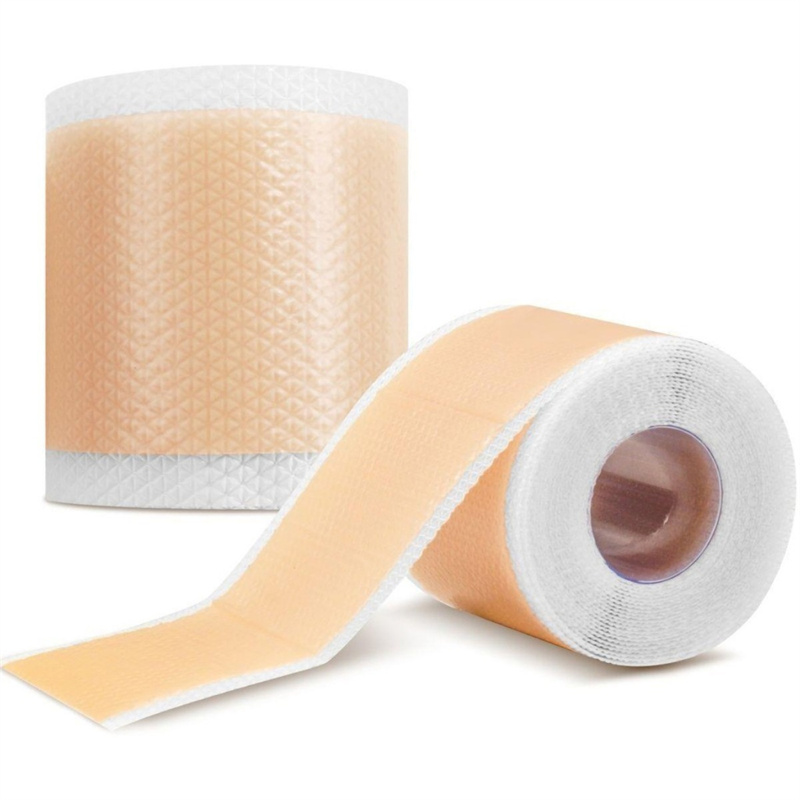
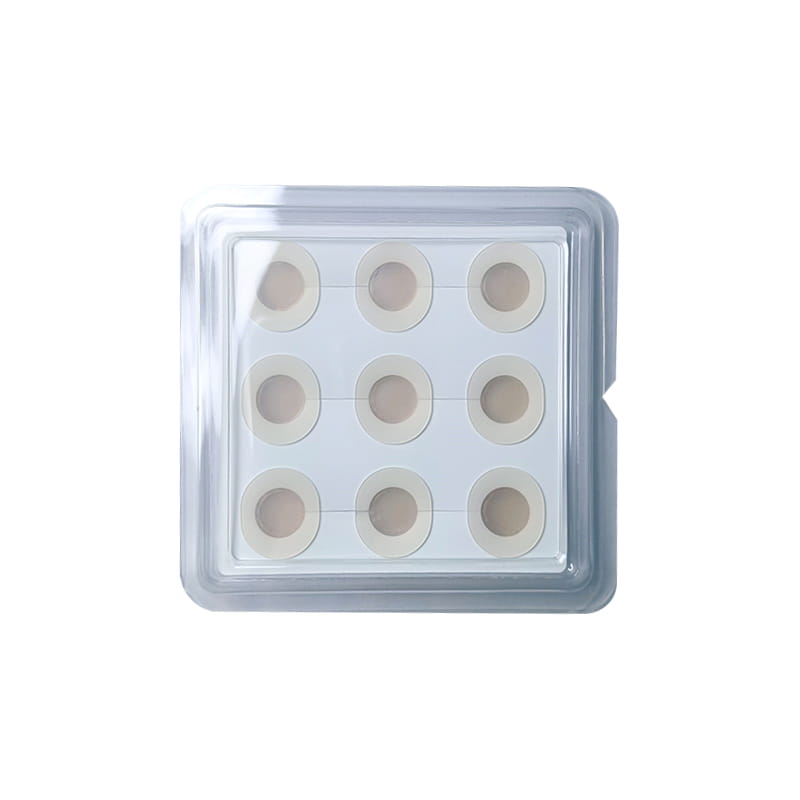
A medical-grade waterproof acne patch is a precisely engineered adhesive dressing designed to treat individual acne lesions by creating a controlled healing microenvironment directly over the blemish. The term medical-grade refers to the quality standard of the hydrocolloid or polymer matrix used in the patch, indicating that it meets the material and biocompatibility requirements applied to clinical wound care products rather than cosmetic-only formulations. This distinction matters because medical-grade hydrocolloid absorbs exudate more effectively, adheres more reliably to skin, and is manufactured under stricter quality controls than standard adhesive patches.
The waterproof designation addresses one of the most practical limitations of earlier acne patches: the loss of adhesion and protective seal when the skin is exposed to water, perspiration, or facial cleansers. Medical-grade waterproof acne patches use polyurethane outer films or reinforced adhesive borders that maintain a complete occlusive seal even during washing, exercise, swimming, and humid conditions, allowing the patch to work continuously without interruption throughout the day or night.
The Material Science: What Makes a Patch Medical-Grade
The foundation of a medical-grade acne patch is the hydrocolloid matrix, a pressure-sensitive adhesive composed of gel-forming polysaccharide compounds. The primary components, carboxymethylcellulose (CMC), gelatin, and pectin, are the same materials used in clinical wound dressings for pressure ulcers, burns, and surgical sites. When these particles contact moisture from sebum, pus, or wound exudate, they hydrate and expand into a viscous gel. This gel simultaneously absorbs impurities from the lesion and maintains a moist healing environment at the skin surface.
Medical-grade classification requires that these materials meet defined standards for absorption capacity, biocompatibility, and freedom from irritating additives such as latex, fragrances, parabens, and harsh preservatives. The result is a material that is gentle enough for sensitive and acne-prone skin while retaining the high-performance exudate management properties of clinical wound care dressings. The hydrocolloid used in medical-grade patches can absorb significantly more fluid per unit area than standard cosmetic patch materials, which translates to faster visible flattening of raised lesions and more efficient extraction of the contents of open pimples.
Structure and Anatomy of a Medical-Grade Waterproof Acne Patch
A thin, flexible polyurethane film that forms the waterproof and breathable exterior of the patch. This layer is impermeable to water, sweat, and external bacteria while remaining semi-permeable to water vapor, preventing moisture buildup beneath the patch. In premium medical-grade products, the outer film is ultra-thin, often between 0.03 and 0.06 millimeters, and semi-transparent or skin-toned to minimize visibility under makeup or in direct light. Tapered micro-edges allow the patch perimeter to blend seamlessly into surrounding skin, eliminating the lifted-edge appearance of thicker patches.
A reinforced ring of medical-grade acrylate or hydrocolloid adhesive that ensures the patch maintains a complete seal against the skin under mechanical stress, moisture exposure, and facial movement. The adhesive is formulated to be hypoallergenic and residue-free on removal, avoiding the perilesional irritation that is a common complaint with lower-quality patch adhesives. Waterproof patches use adhesive formulations with enhanced moisture resistance to preserve seal integrity during cleansing and physical activity.
The central zone of hydrocolloid material that directly contacts the blemish. In non-medicated patches this is pure hydrocolloid matrix. In medicated variants, active pharmaceutical or cosmetic ingredients including salicylic acid, niacinamide, tea tree oil, or hyaluronic acid are incorporated into or coated onto the hydrocolloid core, releasing gradually into the lesion during wear. In microneedle patches, this layer is replaced by an array of dissolvable microneedle tips that penetrate the skin surface to deliver ingredients directly into deeper tissue layers.
How Medical-Grade Waterproof Acne Patches Work
- Adhesion and Sealing: On application to clean, dry skin over a blemish, the hydrocolloid matrix bonds to the skin surface and the polyurethane outer film creates a waterproof occlusive seal. This seal isolates the lesion from external bacteria, environmental pollutants, and mechanical interference such as touching or picking.
- Exudate Absorption: The hydrocolloid core draws sebum, pus, and wound fluid from the blemish by osmotic and absorptive action. As the material takes up fluid, it swells visibly from transparent to opaque white, signaling absorption and providing a satisfying visual indicator of efficacy.
- Moist Healing Environment: The absorbed fluid is retained within the hydrocolloid gel rather than being allowed to evaporate, sustaining a continuously moist microclimate over the lesion. This environment accelerates keratinocyte migration and tissue repair, reduces the formation of scabs and crusts, and minimizes post-inflammatory hyperpigmentation by preventing surface disruption during healing.
- Immune Support: The viscous gel layer created by the hydrocolloid matrix activates innate immune cells including granulocytes and monocytes within the wound environment, supporting the body's natural defence against bacterial colonization without requiring antibiotic agents.
- Barrier Maintenance: Throughout the entire wear period, the waterproof outer layer maintains the occlusive seal against water, sweat, and facial cleansers, ensuring the therapeutic microenvironment is preserved continuously even during activities that would compromise the adhesion of standard patches.
Types of Medical-Grade Waterproof Acne Patches
Standard Hydrocolloid Patch
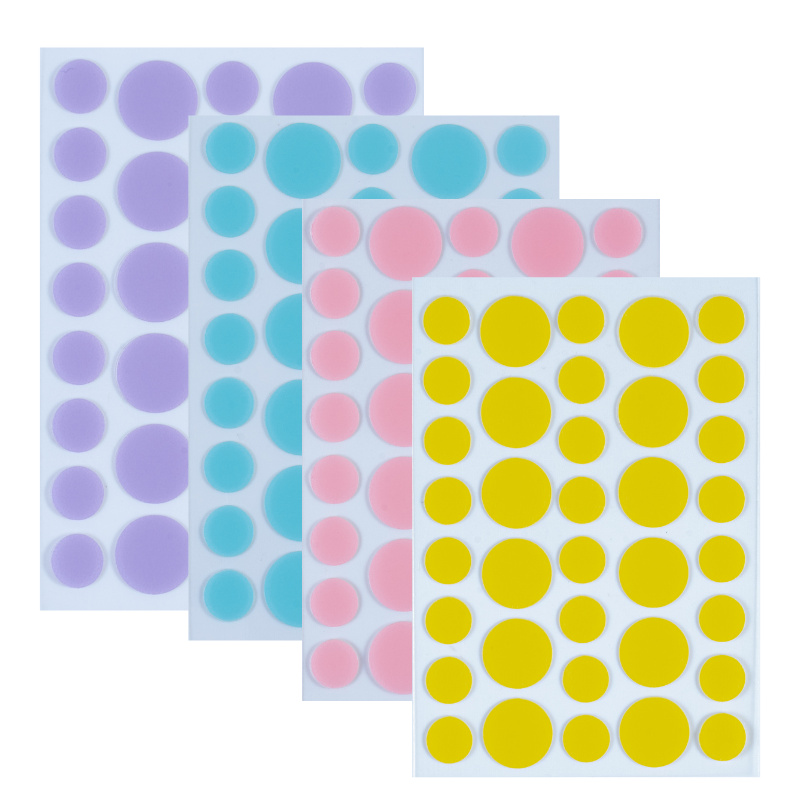
The original and most widely used format. Pure medical-grade hydrocolloid matrix with a waterproof polyurethane backing. Best suited to whiteheads, surfaced pustules, and open pimples where the hydrocolloid can directly contact and absorb the lesion contents. Available in multiple diameters from 7 mm to 12 mm for coverage flexibility.
Medicated Hydrocolloid Patch
Incorporates cosmetic actives such as salicylic acid, niacinamide, centella asiatica, tea tree oil, or vitamin A into the hydrocolloid core. Salicylic acid exfoliates dead skin cells within the pore while the hydrocolloid manages exudate, producing a combined keratolytic and absorptive effect. Effective for surfaced blemishes with visible pore blockage and early-stage papules.
Microneedle Acne Patch
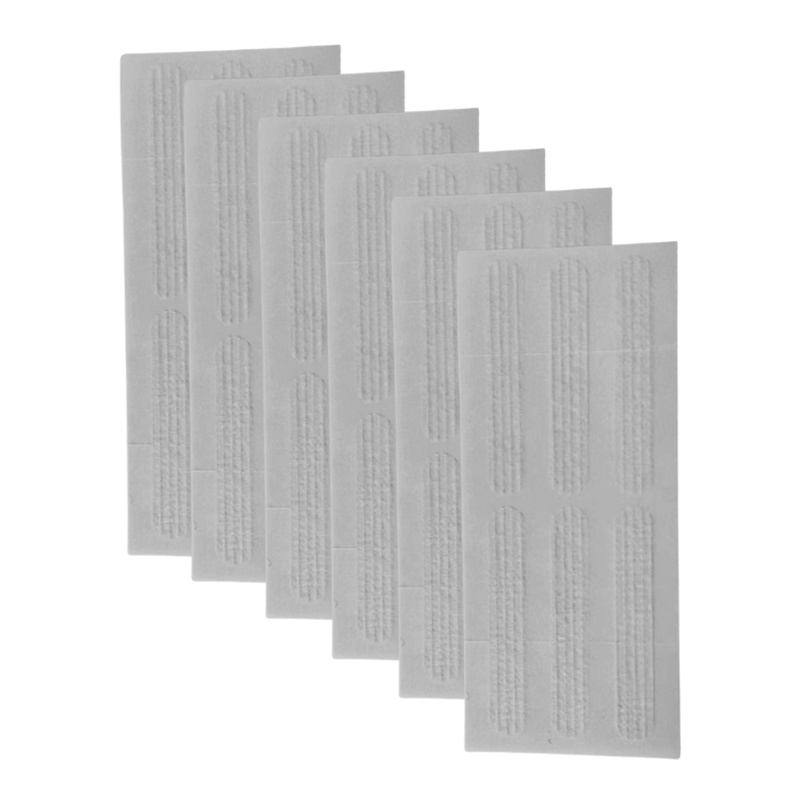
Uses an array of dissolvable microneedle tips, typically containing salicylic acid, hyaluronic acid, niacinamide, or oligopeptides, to penetrate the skin surface and deliver active ingredients into deeper tissue layers. Designed for under-the-skin, early-stage, and cystic blemishes that are not yet surfaced and cannot be treated by surface contact absorption alone.
Key Active Ingredients in Medical-Grade Acne Patches
| Ingredient | Function | Patch Type |
|---|---|---|
| Medical-Grade Hydrocolloid (CMC, Gelatin, Pectin) | Absorbs exudate and sebum, creates moist healing environment, supports immune cell activity | All types |
| Salicylic Acid (0.5-2%) | Dissolves dead skin cells and debris within pores, softens keratin, facilitates penetration of other actives | Medicated, Microneedle |
| Hyaluronic Acid | Hydrates healing tissue, counteracts the drying effect of salicylic acid, supports tissue repair and anti-inflammatory response | Medicated, Microneedle |
| Niacinamide | Reduces inflammation, regulates sebum production, fades post-inflammatory hyperpigmentation | Medicated, Microneedle |
| Tea Tree Oil | Provides antimicrobial activity against acne-causing bacteria, reduces nodular and cystic lesion size | Medicated |
| Centella Asiatica / Madecassoside | Accelerates wound repair, reduces inflammation and redness, supports collagen synthesis to minimize scarring | Medicated, Microneedle |
| Oligopeptides | Antimicrobial peptides that target acne-causing bacteria at the lesion site with minimal systemic exposure | Microneedle |
The Waterproof Advantage: Why It Matters Clinically
Continuous Occlusion Is the Critical Performance Variable
The therapeutic mechanism of any hydrocolloid acne patch depends entirely on the maintenance of an unbroken occlusive seal over the lesion. Even a brief loss of adhesion allows the moist healing microenvironment to collapse, permits bacterial recontamination from the skin surface, and may expose the lesion to mechanical disruption. Standard non-waterproof patches frequently lose adhesion during face washing, perspiration during exercise, or simply through contact with skin oils over time. Medical-grade waterproof patches address this failure mode directly with polyurethane outer films and reinforced adhesive formulations that maintain complete seal integrity across all typical daily activities. This enables the patch to deliver uninterrupted therapeutic action for its full recommended wear period of six to twelve hours or overnight, which is the duration shown to produce the most clinically significant improvements in lesion parameters across published clinical trials.
Clinical Evidence Supporting Efficacy
A small randomized, double-blind clinical study found that hydrocolloid acne patches produced a statistically significant greater reduction in acne severity and inflammation over three to seven days compared to standard skin tapes, with significantly greater improvements in redness, oiliness, dark pigmentation, and sebum levels. These findings provided an early controlled evidence base for an intervention that had already achieved widespread consumer adoption.
A 14-day randomized controlled trial published in the Journal of the American Academy of Dermatology evaluated the tolerance and efficacy of hydrocolloid patches in subjects aged 12 to 35 years. The study found statistically significant improvements in General Wound Appearance scores as early as Day 1 and Day 4, along with measurable improvements in smoothness, crusting, erythema, lesion diameter, elevation, and dryness at multiple time points. Closed pimples treated with patches showed significantly greater diameter reduction on Day 4 compared to control.
A separate randomized open-label trial using a hydrogel patch over ten days documented a 35 percent reduction in lesion size and a 44 percent improvement in lesion severity by Day 2 compared to untreated controls. The same study also recorded measurable improvements in acne-related quality of life scores, confirming that the psychological burden of visible blemishes is meaningfully reduced alongside the clinical improvements in lesion appearance.
Benefits of Medical-Grade Waterproof Acne Patches
- Rapid visible flattening of surfaced blemishes within 6 to 12 hours of application
- Absorbs pus, sebum, and impurities from open lesions without manual squeezing
- Maintains continuous occlusive seal through washing, sweating, and physical activity
- Creates moist healing environment that reduces scabbing and post-inflammatory scarring
- Physically prevents picking and touching, eliminating a primary driver of acne scarring
- Protects lesion from environmental bacteria, pollutants, and recontamination
- Hypoallergenic and suitable for sensitive and acne-prone skin types
- Ultra-thin translucent or skin-toned design conceals effectively under makeup
- Microneedle variants deliver actives into deep, cystic, and under-skin blemishes
- Reduces post-inflammatory hyperpigmentation risk through protected, undisturbed healing
- Non-drying in contrast to traditional topical spot treatments
- Dermatologist-tested and clinically validated efficacy in randomized controlled trials
How to Use Medical-Grade Waterproof Acne Patches for Best Results
Preparation
Cleanse the affected area with a gentle, non-stripping cleanser and pat completely dry. Any residual moisture, serum, or moisturizer on the skin surface will prevent the hydrocolloid adhesive from bonding correctly and will significantly reduce wear time and efficacy. Apply the patch only to clean, dry skin as the last step before sleep or before applying makeup over the top.
Selection and Sizing
Choose a patch diameter that covers the blemish with at least 1 to 2 mm of clear adhesive border extending beyond the visible lesion perimeter. For standard hydrocolloid patches, select the smallest size that achieves full coverage to avoid unnecessary adhesive contact with surrounding healthy skin. For microneedle patches, the patch should be centered precisely on the blemish apex for optimal needle penetration.
Application
Peel the backing carefully from the patch without touching the hydrocolloid surface, and press firmly onto the target blemish for 20 to 30 seconds to activate the adhesive bond and confirm full edge contact with the skin. Warmth from finger pressure softens the adhesive and improves conformability. Avoid stretching the patch during application, as this can compromise the seal at the edges.
Wear Time and Removal
Leave the patch in place for a minimum of 6 hours, with overnight wear of 8 to 12 hours producing the most clinically significant results. The patch can be changed when the hydrocolloid core turns opaque and white from exudate absorption. To remove, peel from one edge parallel to the skin surface, never lift perpendicularly, to avoid disrupting the healing lesion. Rinse any gel residue with saline or water before applying a fresh patch if needed.
Limitations and Situations Where Acne Patches Are Not Indicated
- Deep cystic or nodulocystic acne lesions, which are not surfaced and require systemic or prescription treatment beyond what any topical patch can address at the skin surface level
- Persistent hormonal acne affecting large areas of the face, jawline, or body, where patches can address individual lesions but cannot correct the underlying hormonal driver of widespread breakouts
- Active skin infections with cellulitis or spreading erythema, where an occlusive dressing may be contraindicated pending medical assessment
- Skin with known hypersensitivity to acrylate adhesives or specific active ingredients such as salicylic acid, in which case an unmedicated pure hydrocolloid format should be selected
- Application over open wounds with heavy exudate or signs of deep tissue involvement, which require clinical wound care evaluation rather than consumer acne patch management
Choosing the Right Medical-Grade Waterproof Acne Patch
With the acne patch market expanding rapidly, identifying genuine medical-grade quality among a wide field of products requires attention to several key indicators. The product should explicitly state medical-grade hydrocolloid as the primary active material and identify the specific hydrocolloid components in the ingredient list. Biocompatibility testing records, dermatologist review, and hypoallergenicity certifications are strong indicators of manufacturing quality appropriate to medical-grade classification.
The waterproof claim should be supported by testing data specifying the conditions under which adhesion is maintained, including water immersion duration and perspiration resistance levels. Ultra-thin format with tapered micro-edges indicates precision manufacturing rather than commodity production. For medicated variants, active ingredient concentrations should be disclosed and fall within established safe use ranges, with salicylic acid between 0.5 and 2.0 percent for topical acne use according to regulatory guidance. Fragrance-free, alcohol-free, and paraben-free formulations are strongly preferred for use on acne-prone and sensitive skin.
The Future of Medical-Grade Acne Patch Technology
Research published in advanced dermatological journals is pointing toward the next generation of acne patch technology. Dissolved bubble microneedle patches under investigation use a layered delivery architecture in which salicylic acid is released rapidly at the skin surface, an anti-inflammatory compound is infused steadily into the dermis, and an antibacterial agent is released slowly from lipid-encapsulated bubbles within the microneedles. This staggered, multi-mechanism delivery approach addresses the challenge of combining hydrophilic and hydrophobic active compounds in a single patch without causing the ingredient interactions or irritation that would result from topical co-application.
Additional innovations include patches with embedded heating elements to enhance hydrocolloid absorption kinetics, patches incorporating microbiome-compatible ingredients that modulate the skin's bacterial ecosystem rather than simply eliminating bacteria, and AI-guided patch selection tools that recommend specific patch types and active ingredient combinations based on photographic assessment of individual lesion characteristics. These developments suggest that medical-grade waterproof acne patches will continue to evolve from a simple wound-care adaptation into a sophisticated, precision-targeted dermatological intervention platform.
Conclusion
Medical-grade waterproof acne patches represent a convergence of clinical wound healing science, advanced materials engineering, and practical dermatology that has produced one of the most accessible and evidence-supported spot treatments available for acne management. By applying medical-grade hydrocolloid technology in a precisely engineered waterproof format, these patches deliver continuous, uninterrupted therapeutic action that accelerates lesion healing, prevents scarring, and protects the skin regardless of daily activity. Whether in standard hydrocolloid, medicated, or microneedle configurations, they provide a non-irritating, clinically validated option for individuals seeking fast, reliable, and visible results from individual blemish treatment, backed by an expanding body of randomized clinical trial evidence.