


 English
 中文简体
中文简体
 русский
 Español
Acne affects more than 650 million people globally, yet the gap between clinical-grade treatment and everyday skincare has historically forced most sufferers to choose between prescription-strength interventions with significant side effects and cosmetic products with modest real-world efficacy. Medical grade invisible acne black technology closes that gap by combining pharmaceutical-grade active compounds, advanced occlusive patch delivery systems, and next-generation bioactive materials into treatments that are clinically verifiable, cosmetically transparent, and capable of delivering results previously achievable only in dermatological settings.
Understanding What Medical Grade Actually Means
The phrase "medical grade" carries regulatory and technical significance that distinguishes it from cosmetic-grade or over-the-counter formulations. In the context of acne treatment technology, medical grade denotes products that have been manufactured under Good Manufacturing Practice conditions, have undergone clinical safety and efficacy testing in human subjects, use active ingredients at concentrations validated by peer-reviewed dermatological research, and in many jurisdictions are classified as Class I or Class II medical devices rather than cosmetics.
This classification matters because it defines what the product is permitted to claim and what quality assurance processes governed its production. A cosmetic product may contain salicylic acid at 0.5 percent and claim to cleanse pores. A medical grade invisible acne treatment may contain salicylic acid at 2 percent within a controlled-release matrix and carry clinical evidence demonstrating statistically significant reduction in acne lesion count. The difference is not merely semantic: it reflects a fundamentally different relationship between the product and the biology of acne pathogenesis.
The Black Technology Layer: What Makes These Systems Advanced
The "black technology" descriptor in acne treatment refers specifically to the convergence of material science innovations, delivery system engineering, and bioactive compound selection that elevates a product from cosmetic intervention to quasi-medical treatment modality. Several distinct technology domains contribute to this convergence.
Hydrocolloid Matrix Engineering
Advanced hydrocolloid formulations used in medical grade patches are derived from the same wound care technology used in clinical burn and surgical dressing applications. The polymer matrix is engineered to absorb exudate from the acne lesion at a controlled rate, creating a moist occlusive microenvironment that accelerates epidermal regeneration while simultaneously delivering active compounds directly into the follicular canal through osmotic pressure differentials.
Microneedle Drug Delivery Arrays
Dissolving microneedle patches represent the most advanced delivery technology in the visible acne treatment category. Arrays of needles measuring 200 to 800 micrometers in height, too short to reach nerve endings and cause pain, penetrate the stratum corneum and dissolve within the skin, depositing encapsulated actives including niacinamide, retinol, and peptide complexes at the precise dermal depth where sebaceous gland activity and bacterial proliferation occur.
Microcurrent and Photobiomodulation Integration
Smart acne patch platforms incorporating piezoelectric elements generate micro-electrical fields that enhance cell membrane permeability, accelerating active ingredient uptake by 40 to 60 percent compared with passive diffusion alone. LED-emitting patch variants combine this effect with 415nm blue light photobiomodulation that has demonstrated direct bactericidal activity against Cutibacterium acnes through porphyrin photoexcitation without thermal damage to surrounding tissue.
Encapsulated Active Compound Systems
Liposomal and nanoparticle encapsulation of active compounds including benzoyl peroxide, azelaic acid, and retinoids allows these ingredients to be delivered in their stable, inactive form and released only upon contact with the specific pH, enzyme, or temperature conditions present within an active acne lesion. This targeted release prevents the skin irritation that occurs when these compounds are applied topically in unencapsulated form.
Circadian-Synchronized Delivery
Cutting-edge formulations are designed around the documented circadian rhythm of skin biology, where sebum production peaks in the early afternoon and epidermal cell regeneration peaks between midnight and 4 AM. Day-formulated patches use anti-inflammatory and sebum-regulating actives timed to the production peak; night patches concentrate regenerative peptides and retinoids to coincide with the skin's natural repair window.
Diagnostic Biosensor Integration
The frontier of medical grade invisible acne black technology incorporates colorimetric biosensors within the patch substrate that change color in response to detected levels of inflammatory biomarkers including interleukin-1 alpha and sebum pH, providing the user with visible confirmation that the patch is actively engaging a clinically significant lesion rather than being applied to a surface blemish that does not require occlusive treatment.
The Science of Invisibility: How Transparent Patches Are Engineered
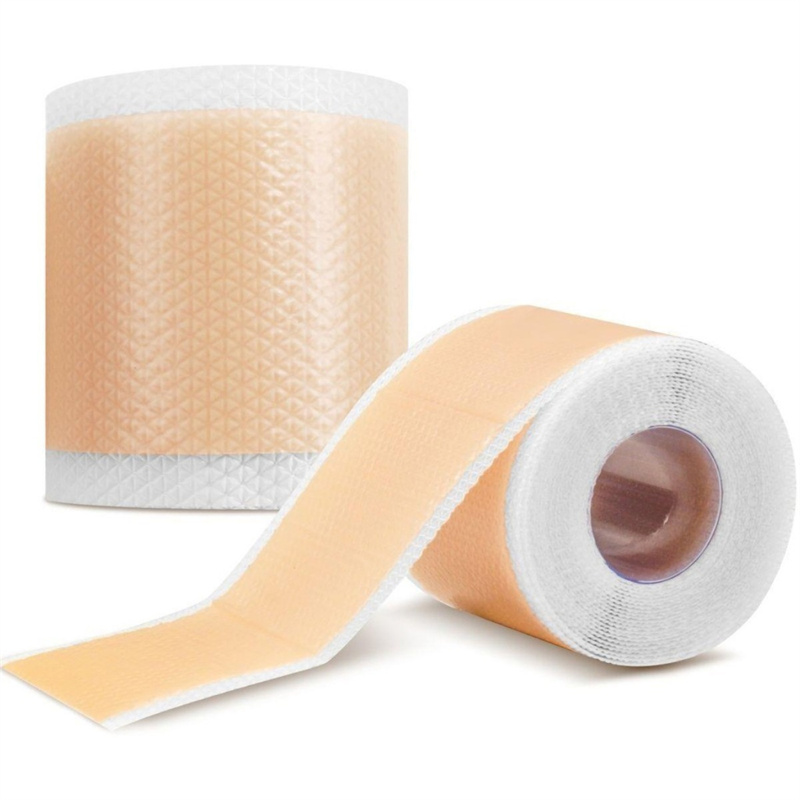
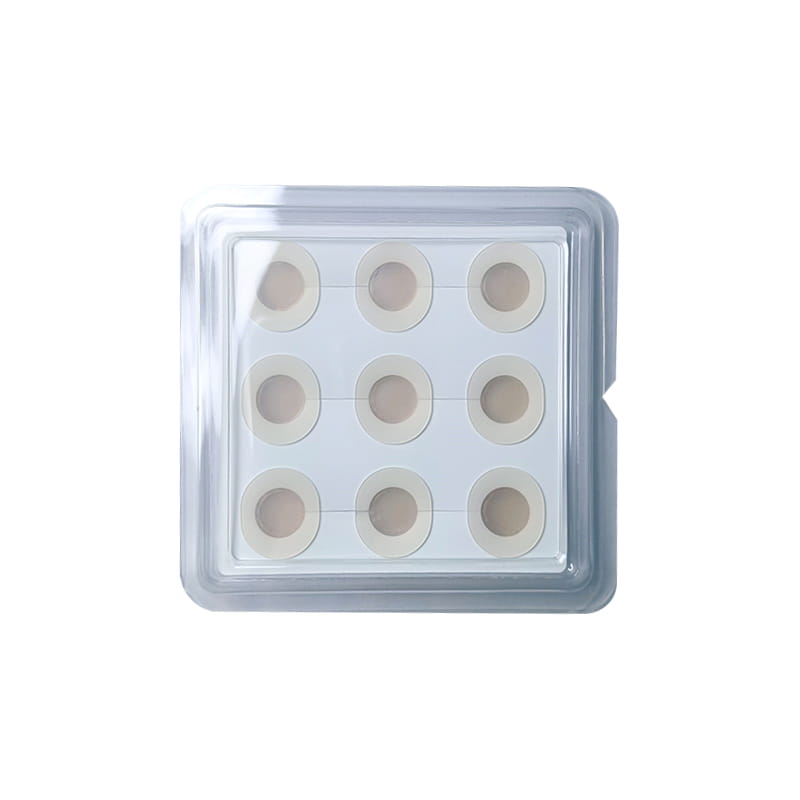
The cosmetic invisibility of medical grade acne patches is itself a significant engineering achievement that required solving several competing material science constraints simultaneously. An effective hydrocolloid matrix must be thick enough to absorb sufficient exudate volume to create the therapeutic occlusive environment, yet thin enough to be optically transparent and mechanically compliant enough to conform to curved facial skin surfaces without visible edge lifting.
Invisible Patch Material Specifications
The refractive index matching between the patch substrate and skin is the most technically challenging aspect of invisibility engineering. Human skin has a refractive index of approximately 1.45, and a patch material that deviates significantly from this value scatters light differently from the surrounding skin, creating visible edges under reflective lighting conditions regardless of how thin the substrate is. Polyurethane films and silicone-based hydrogel substrates have emerged as the preferred base materials for meeting this refractive index requirement while maintaining the mechanical flexibility and biocompatibility demanded by extended facial wear.
Active Ingredients in Medical Grade Acne Technology
The distinction between a medical grade invisible acne treatment and a cosmetic patch lies substantially in the active ingredient selection, concentration, and delivery mechanism. The following compounds represent the evidence base for pharmaceutical-level acne intervention within patch delivery systems.
Salicylic Acid in Controlled-Release Matrices
Beta-hydroxy acid salicylic acid at concentrations of 0.5 to 2 percent within a controlled-release matrix is the most established pharmaceutical active in topical acne treatment. Its lipophilic character allows it to penetrate the sebum-rich environment of the follicular canal where conventional water-soluble actives cannot reach. In patch delivery systems, the controlled-release formulation maintains therapeutic concentration within the lesion for the full duration of patch wear without the peak-and-trough concentration profile that causes the irritation associated with topical salicylic acid application.
Benzoyl Peroxide Encapsulation
Benzoyl peroxide remains the most effective over-the-counter bactericidal agent against Cutibacterium acnes, but its oxidative mechanism also damages surrounding healthy tissue and bleaches fabrics on contact. Encapsulated benzoyl peroxide formulations within hydrocolloid matrices release the active compound only within the anaerobic microenvironment of the lesion, where the concentration of the bacteria targeted by oxidative stress is highest, dramatically reducing collateral irritation compared with conventional topical application at equivalent bactericidal dosing.
Niacinamide and Peptide Complex Delivery
Niacinamide at 4 to 5 percent concentration within patch delivery systems addresses multiple acne pathogenesis pathways simultaneously: it reduces sebum production by inhibiting triglyceride synthesis within sebocytes, downregulates the toll-like receptor 2 inflammatory cascade triggered by C. acnes antigens, and reduces post-inflammatory hyperpigmentation by inhibiting melanosome transfer to keratinocytes. The combination of sebum regulation, anti-inflammatory activity, and pigmentation management within a single compound makes niacinamide the most multifunctional active in the medical grade invisible acne technology toolkit.
Acne Lesion Classification and Matched Technology Selection
Medical grade invisible acne black technology is not monolithic: specific delivery platforms and active compound profiles are optimized for specific lesion types. Applying the wrong technology to the wrong lesion type is the primary reason users report inconsistent results from otherwise high-quality products.
Closed Comedones
Salicylic acid patch with keratolytic emphasis. Goal is follicular canal clearance rather than exudate absorption. Low-absorbency hydrocolloid required.
Open Comedones
Charcoal-infused adhesive patch with adsorptive action on sebum oxidation products. Not a hydrocolloid; functions by mechanical and adsorptive extraction.
Papules
Anti-inflammatory patch with niacinamide and centella asiatica. No needle penetration. Goal is calming immune cascade before lesion progresses to pustule.
Pustules
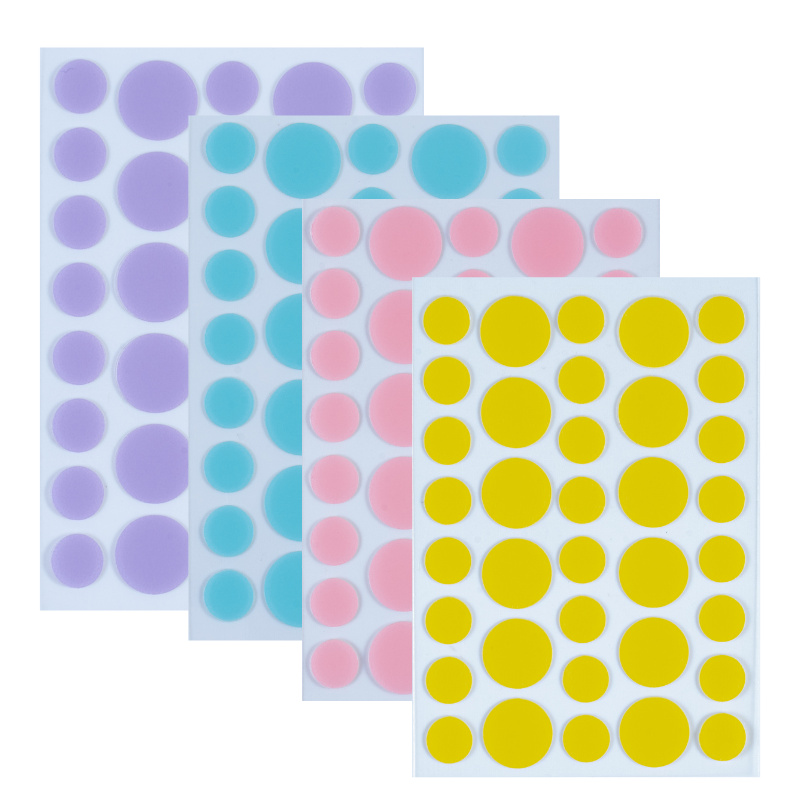
High-absorbency hydrocolloid with encapsulated benzoyl peroxide. Primary function is exudate management and bacterial load reduction. This is the classic patch application.
Nodules and Cysts
Microneedle delivery platform required to reach the dermal depth of nodular lesions. Dissolving needles deposit anti-inflammatory peptides and retinoids beyond stratum corneum barrier.
Clinical guidance: Nodular and cystic acne lesions that extend into the deep dermis are beyond the effective reach of even advanced topical patch systems and should be assessed by a dermatologist. Medical grade invisible acne black technology is most effectively used as a first-line intervention for comedonal, papular, and pustular acne, and as a maintenance and prevention protocol for nodule-prone skin between dermatological treatments rather than as a substitute for clinical care in moderate-to-severe cases.
Comparing Technology Platforms: Performance Across Key Metrics
| Technology Platform | Lesion Penetration | Active Delivery | Invisibility | Best Lesion Type |
|---|---|---|---|---|
| Standard Hydrocolloid Patch | Surface only | Passive diffusion | Semi-visible | Pustules |
| Ultra-Thin Invisible Patch | Surface only | Controlled release | Virtually invisible | Pustules, papules |
| Dissolving Microneedle Patch | Dermal depth | Encapsulated bolus | Invisible post-dissolution | Nodules, cysts |
| LED Photobiomodulation Patch | Tissue penetration | Photochemical | Visible during use | Inflammatory acne |
| Biosensor Diagnostic Patch | Surface sampling | Conditional release | Invisible baseline | All active lesions |
| Charcoal Adsorption Patch | Surface only | No actives | Visibly dark | Open comedones only |
The Role of the Skin Microbiome in Medical Grade Acne Treatment
Contemporary dermatological understanding of acne pathogenesis has moved significantly beyond the historical model of Cutibacterium acnes as the singular bacterial villain in acne development. Current evidence indicates that it is the relative abundance of specific C. acnes phylotypes, combined with the diversity of the broader skin microbiome, that determines acne susceptibility rather than the presence of C. acnes itself, which is a normal commensal of healthy skin at all ages.
Medical grade invisible acne black technology that accounts for this microbiome complexity uses selective rather than broad-spectrum bactericidal compounds, targeting the pro-inflammatory C. acnes phylotypes associated with papulopustular acne while preserving the protective strains that maintain barrier function and competitive exclusion of pathogenic organisms. Postbiotic ingredients including lactobacillus ferment filtrate and saccharomyces cerevisiae extract are being incorporated into next-generation patch formulations specifically to restore microbiome diversity in the treated lesion zone after antimicrobial intervention, reducing the risk of recurrence that characterizes lesion sites treated with non-selective bactericidal approaches.
Application Protocol for Maximum Clinical Efficacy
The clinical evidence base for medical grade invisible acne patches assumes a specific application protocol that maximizes the electrochemical gradient driving active compound delivery and the mechanical seal quality that creates the therapeutic microenvironment. Deviating from this protocol reduces efficacy in measurable ways that explain the inconsistent results many users report.
-
Cleanse and Dry the Target Area Completely Any residual moisturizer, sunscreen, serum, or sebum on the skin surface at the time of patch application reduces adhesion by contaminating the adhesive layer and prevents the patch from creating an airtight seal. Clean the target area with a gentle, non-stripping cleanser and allow at least two minutes of air drying before patch application, not just surface blotting which leaves residual moisture in the stratum corneum that compromises adhesion within the first hour of wear.
-
Apply with Consistent Pressure for Full Peripheral Seal The therapeutic microenvironment within a medical grade patch depends on maintaining an occlusive seal around the entire perimeter of the patch, not only at the center where the active matrix contacts the lesion. Apply the patch flat against the skin and press firmly from the center outward to the edges, holding pressure at the perimeter for a minimum of 30 seconds to activate the adhesive fully and eliminate micro-gaps that allow air exchange with the external environment.
-
Respect the Minimum Therapeutic Contact Time The active compound delivery kinetics of controlled-release patch systems are designed for a minimum contact time of six to eight hours. Removing a patch before this threshold, as users often do when the patch has turned opaque from exudate absorption and they assume treatment is complete, terminates active delivery before the full therapeutic dose has been transferred. Exudate absorption is visible progress, not the end of treatment.
-
Remove by Rolling, Not Peeling Lifting a patch by the edge and peeling it away from the skin creates a tensile force that can mechanically disrupt the healing epidermis beneath the patch and reopen the lesion. Remove by gently rolling the patch from one edge across its surface, allowing the adhesive to progressively detach without tensile stress. Soaking the patch edge with a single drop of micellar water before removal further reduces epidermal disruption on patches that have been worn for extended periods.
-
Apply Post-Treatment Calming Layer The skin beneath a removed patch has been occluded and exposed to concentrated actives for an extended period. Applying a thin layer of centella asiatica-based serum or ceramide moisturizer immediately after patch removal supports barrier restoration and reduces the temporary redness that some actives, particularly salicylic acid and encapsulated retinoids, produce during the re-exposure to ambient conditions.
Integrating Invisible Acne Technology into a Complete Skincare System
Medical grade invisible acne patches achieve their maximum clinical benefit when positioned within a complete skincare system that addresses acne pathogenesis at multiple levels rather than relying on the patch alone as a monotherapy. The four-pathway model of acne development, involving excess sebum production, abnormal follicular keratinization, C. acnes proliferation, and inflammatory cascade activation, requires that the supporting skincare system addresses the pathways not covered by the patch's specific mechanism of action.
Morning Routine Integration
Morning protocol for acne-prone skin using invisible patch technology should center on gentle barrier-supportive cleansing, a non-comedogenic moisturizer with niacinamide for daytime sebum regulation, and a broad-spectrum SPF 30 or higher sunscreen, because post-inflammatory hyperpigmentation from healing lesions darkens rapidly and irreversibly under UV exposure. Day-use invisible patches applied after sunscreen, not before, maintain adhesion and protect lesions from environmental contamination throughout the day.
Evening Routine Integration
The evening protocol should include a double cleanse to remove sunscreen and sebum buildup, a targeted application of retinol or azelaic acid to lesion-adjacent areas to address comedonal microcomedones that are not yet surfaced, and the application of overnight medical grade invisible patches to active pustular or papular lesions. The synchrony between the patch's overnight active delivery and the skin's peak regenerative window between midnight and 4 AM is where the circadian design philosophy of advanced formulations delivers its most measurable benefit.
Ingredient interaction note: Benzoyl peroxide and retinol are chemically incompatible when applied simultaneously: benzoyl peroxide oxidizes retinol, rendering it ineffective and generating irritating byproducts. Apply benzoyl peroxide-containing patches to active lesions and retinol to surrounding skin during the same session, but ensure that the patch creates a complete seal that prevents contact between the two actives at the lesion perimeter. Alternatively, use retinol on alternate nights to the nights on which benzoyl peroxide patches are applied.
Regulatory Landscape and Safety Standards
The regulatory classification of medical grade invisible acne patches varies significantly between major markets and determines what safety testing, labeling, and clinical evidence the manufacturer is required to demonstrate before the product can be sold. Understanding this classification landscape helps consumers distinguish genuinely medical grade products from cosmetics that appropriate the language without meeting the underlying standards.
- EU Class IIa medical device classification requires clinical safety data and notified body review
- US FDA 510(k) clearance for wound care hydrocolloid patches covers acne patch applications
- ISO 10993 biocompatibility testing is the minimum standard for skin-contact medical devices
- INCI ingredient declaration is mandatory but does not indicate concentration, a key medical grade differentiator
- Patch adhesives must meet ISO 29767 for dermal adhesion and removal trauma assessment
- Microneedle patches require additional cytotoxicity and skin sensitization testing under ISO 10993-5 and -10
- Claims of sterility require evidence of validated sterilization process and packaging integrity testing
- Cruelty-free and vegan certifications are independent of medical grade status and must be verified separately
Consumer verification guide: A genuinely medical grade invisible acne product should be able to provide a certificate of analysis from an independent laboratory confirming active ingredient concentrations at stated levels, biocompatibility test reports per ISO 10993, and either regulatory clearance documentation or a detailed explanation of the regulatory pathway under which the product is sold. Any manufacturer unwilling to provide this documentation upon request should be treated with skepticism regardless of how the product is marketed.
The Future of Medical Grade Invisible Acne Technology
The trajectory of innovation in medical grade invisible acne black technology points toward two convergent developments that will further close the gap between dermatological clinic outcomes and at-home treatment results within the next three to five years. The first is personalization through microbiome and genetic profiling: patch systems are under development that are customized to an individual's specific C. acnes phylotype distribution, skin barrier gene expression profile, and inflammatory response tendency, allowing active compound selection and delivery kinetics to be matched to the specific biological context of each user's acne rather than to a population average.
The second development is continuous lesion monitoring through wearable biosensor integration. Rather than applying a patch reactively when a lesion has already formed, next-generation systems use continuous skin surface chemistry monitoring to detect the sebum composition shifts and pH changes that precede visible comedone formation by 24 to 48 hours, triggering preventive patch application before the inflammatory cascade has initiated. This shift from reactive treatment to predictive prevention represents the most significant conceptual advance in acne management since the introduction of isotretinoin, and it is being built on the material science foundation that medical grade invisible acne black technology has already established.
Where Clinical Science Meets Cosmetic Precision
Medical grade invisible acne black technology represents a genuine convergence of wound care material science, controlled-release pharmaceutical delivery, and skin biology research into a form factor that fits invisibly into everyday life. The products at the frontier of this category are not cosmetics that borrow medical language: they are engineered delivery systems with clinical evidence bases, regulatory accountability, and active compound profiles that address acne pathogenesis at the biological level. For the hundreds of millions of people managing acne between dermatological appointments, or seeking to reduce dependence on systemic treatments with significant side effect profiles, these technologies offer an evidence-grounded option that the preceding generation of cosmetic acne patches could not credibly claim. Choosing within this category requires understanding what the evidence actually supports, which compounds address which pathogenesis pathways, and how to apply these systems in ways that realize their full clinical potential rather than their minimum cosmetic utility.