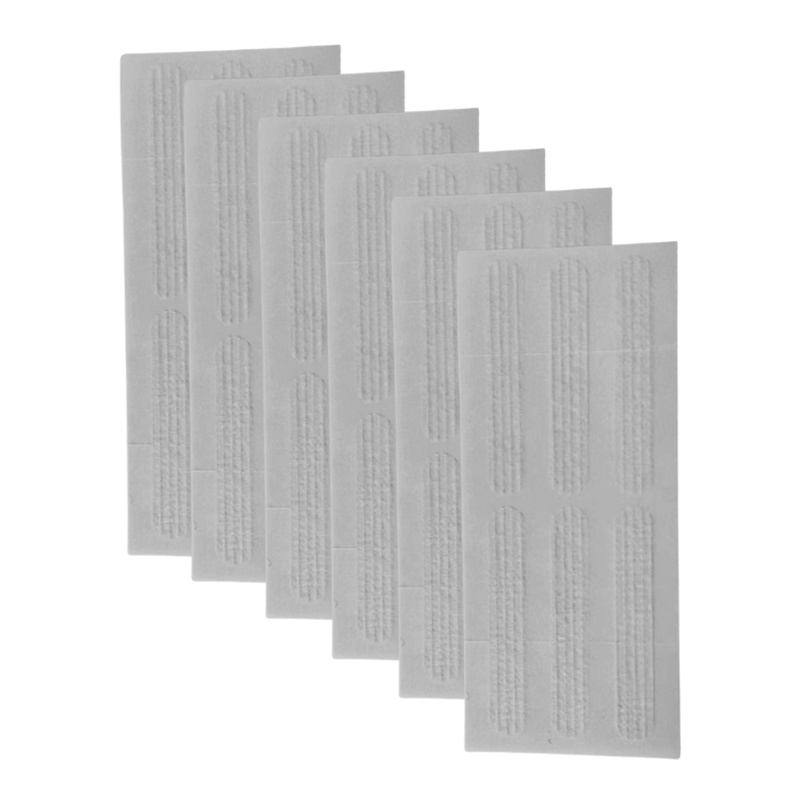
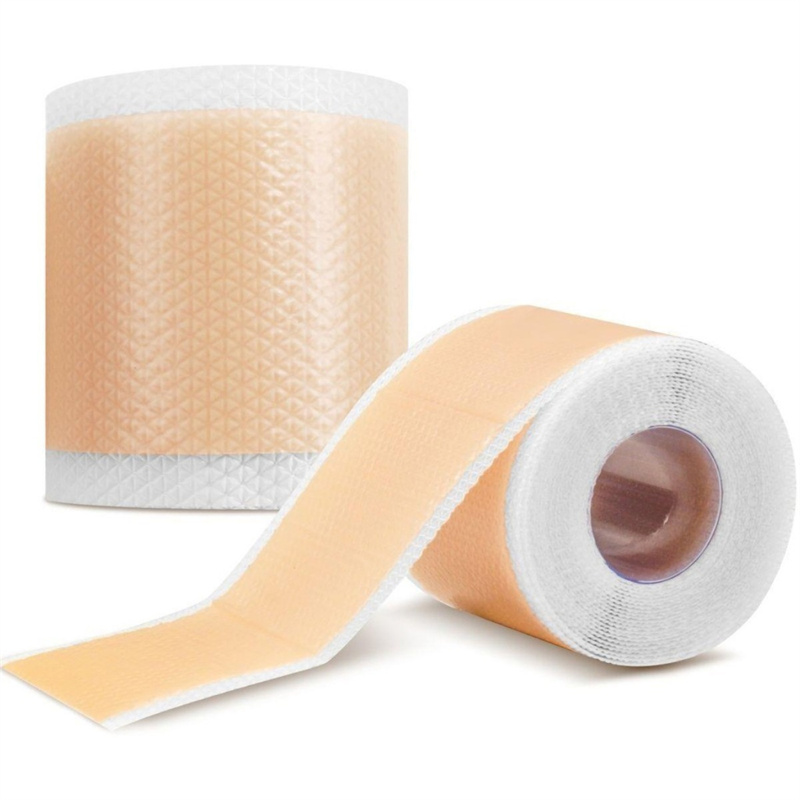
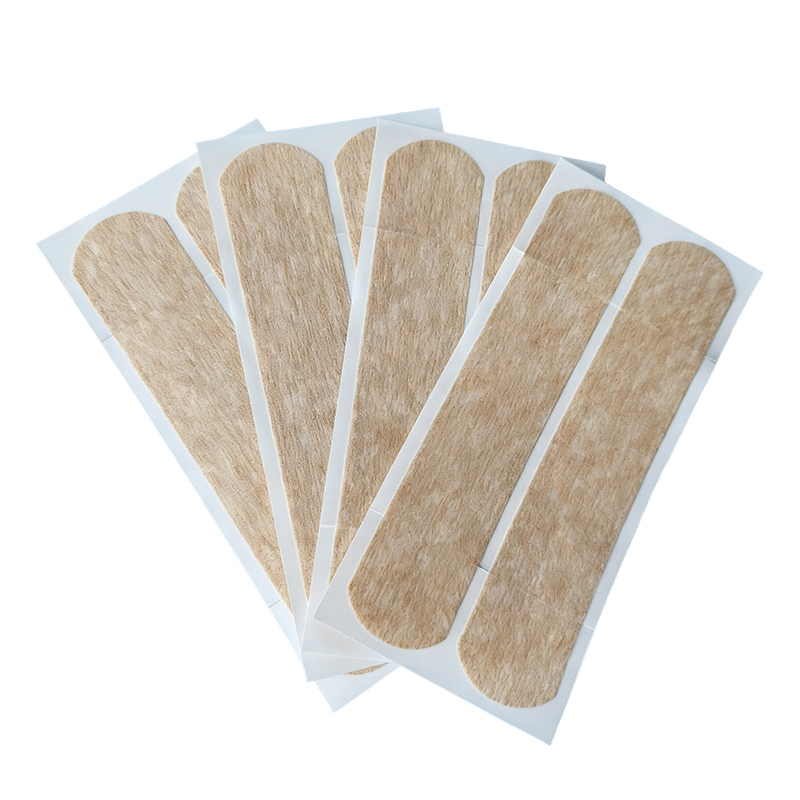
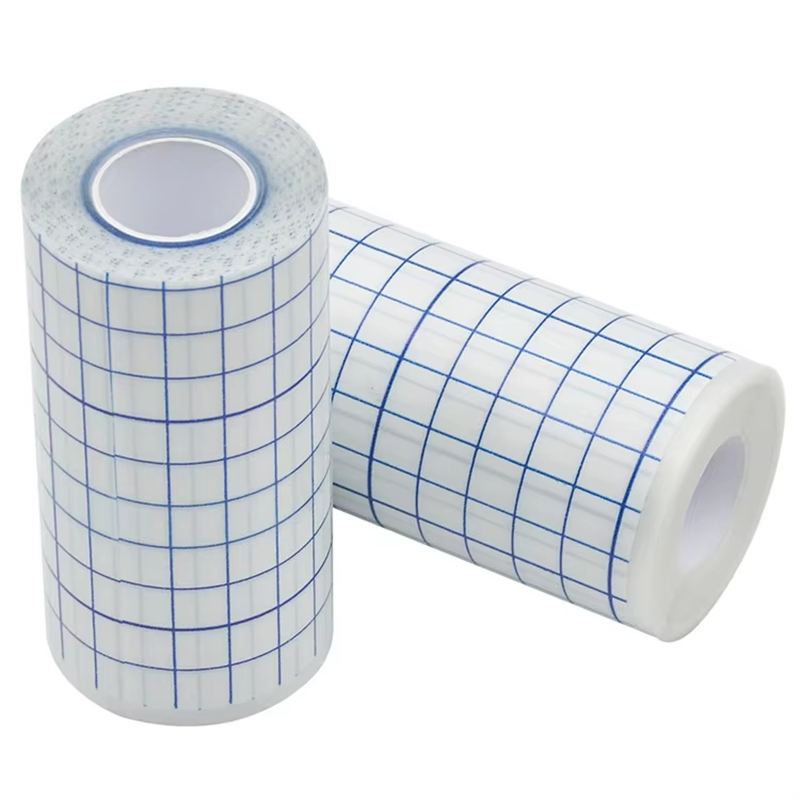
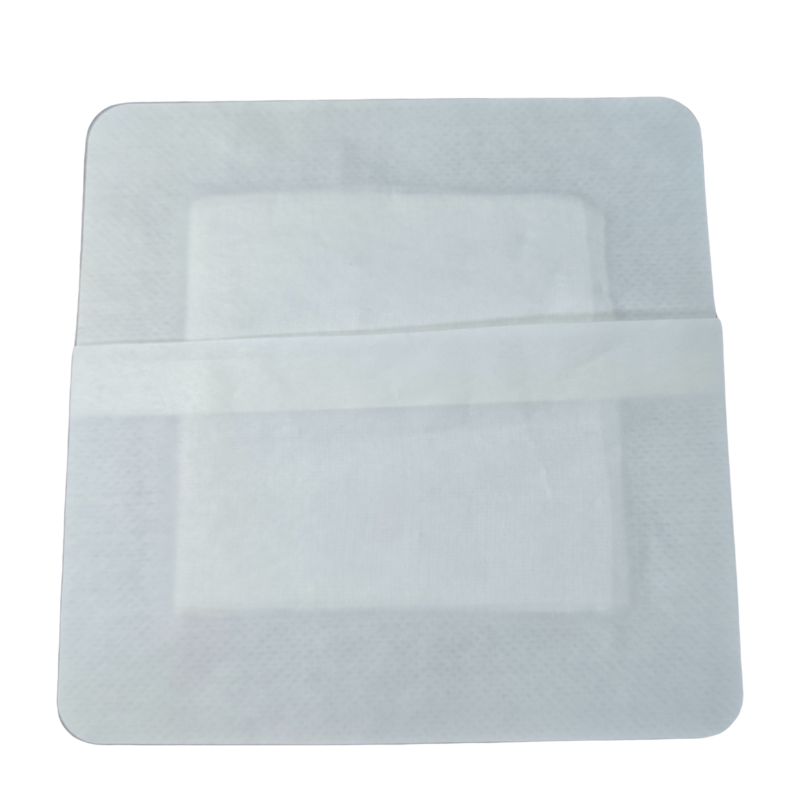
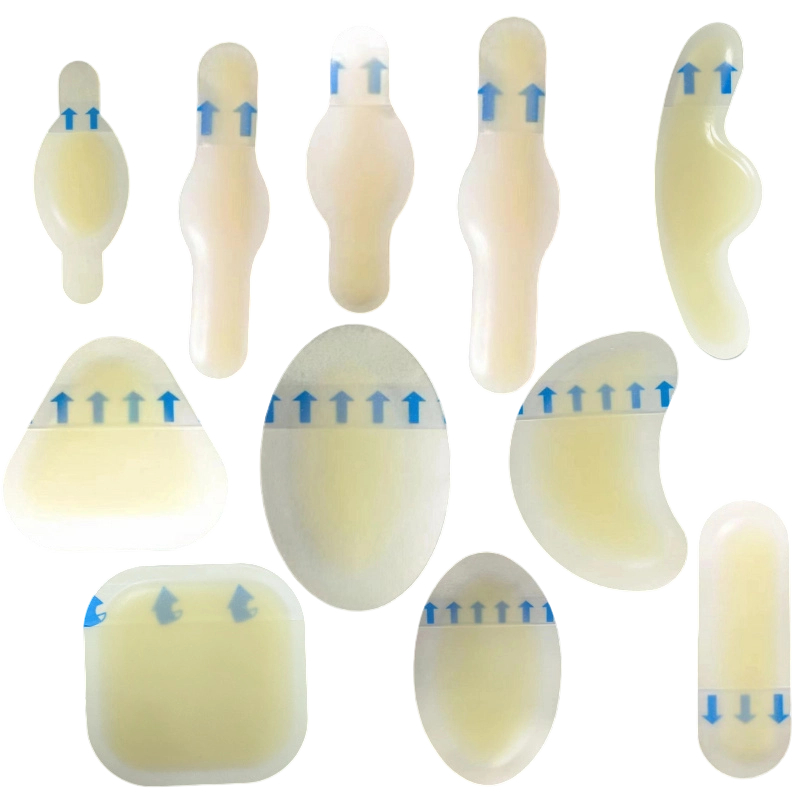
Traditional adhesive dressings have long been the default option for covering minor and moderate wounds, but they come with a well known drawback, the adhesive that keeps them in place can also stick to the healing tissue underneath, causing pain and sometimes reopening delicate new skin when the dressing is removed. This problem is especially significant for wounds that require frequent dressing changes, for individuals with fragile or thin skin, and for wounds where the surrounding tissue is still in an early, sensitive stage of healing.
This article explores what defines a medical-grade, pain-free, atraumatic, non-adhesive wound dressing, how these dressings are designed to minimize pain and tissue disruption, what materials and technologies make this possible, which situations benefit most from this type of dressing, and what practical factors matter when selecting and using one as part of a broader wound care routine.
Each part of the description, medical-grade, pain-free, atraumatic, and non-adhesive, refers to a specific quality that together defines this category of wound care product.
The term medical-grade generally indicates that a product has been manufactured to meet recognized clinical standards for safety, sterility, and material quality, often reviewed or cleared by relevant health authorities. This distinguishes true medical-grade dressings from general first-aid products that may not meet the same standards for use on more sensitive or complex wounds.
Pain-free in this context usually refers to the experience of applying and removing the dressing, rather than a claim about eliminating all sensation from the wound itself. A well designed dressing minimizes the discomfort typically associated with peeling away a stuck adhesive or dry gauze from healing tissue.
Atraumatic is a term used in wound care to describe a dressing that does not cause additional injury or trauma to the wound bed or surrounding skin during removal. This is particularly important for fragile skin, since even small amounts of trauma during dressing changes can slow healing and increase the risk of scarring.
Non-adhesive dressings are designed without a sticky surface that bonds directly to the wound itself. Instead, they may rely on a separate securing method, such as a soft wrap, a gentle border adhesive placed only on the surrounding intact skin, or a retention garment, keeping the dressing in place without the wound-contact layer sticking to the healing tissue.
The way a dressing interacts with a healing wound has effects that go well beyond simple comfort during a dressing change.
As a wound heals, new tissue forms in delicate layers that can be easily disturbed by friction or adhesion. A dressing that sticks to this tissue and is then peeled away can tear away newly formed cells, effectively undoing some of the progress made since the last dressing change.
When dressing changes repeatedly disrupt the wound bed, healing can become inconsistent, with the wound appearing to improve and then regress after each change. Non-adhesive, atraumatic dressings help maintain a more stable healing environment by minimizing this repeated disturbance.
For many people, especially children, older adults, or those managing long-term wounds, the anticipation of pain during a dressing change can create significant anxiety, sometimes leading to avoidance or delayed changes. A genuinely pain-free dressing experience can make it easier to maintain a consistent, timely care routine.
Repeated use of strong adhesives on the same area of skin can lead to irritation, redness, or even skin stripping over time, particularly in people with thin or fragile skin. Non-adhesive designs that rely on gentler securing methods help protect the surrounding healthy skin from this cumulative damage.
This type of dressing is often considered for older adults with thin, fragile skin, individuals managing wounds that require frequent monitoring or changes, people with certain skin conditions that make adhesives poorly tolerated, and situations involving sensitive post-procedure wounds where minimizing additional trauma is a priority. A qualified healthcare provider is best positioned to determine which dressing type is appropriate for a specific wound and individual.
Several design choices work together to allow these dressings to protect a wound effectively without sticking to it.
Many modern atraumatic dressings use a soft silicone layer as the surface that touches the wound. Silicone is gentle on tissue, conforms closely to the wound bed for good coverage, and can be lifted away without pulling at the healing skin underneath.
Some designs use a fine mesh or perforated layer that allows wound fluid to pass through into an absorbent layer above, while the mesh itself remains smooth and non-stick against the wound bed.
Certain dressings apply a specialized coating to an otherwise standard gauze or fabric base, reducing its tendency to stick to the wound while still allowing fluid absorption and breathability.
Rather than applying adhesive across the entire dressing, many non-adhesive wound-contact designs place a gentle adhesive border only around the outer edge, in contact with intact surrounding skin rather than the wound itself, keeping the dressing secure without any sticky material touching the healing tissue.
Good wound dressings help maintain a moisture balance that supports healing, neither too dry nor overly saturated. Breathable outer layers combined with absorbent inner layers help regulate this balance while still allowing the wound to be monitored without excessive disturbance.
A qualified healthcare professional should always assess the specific type, depth, and condition of a wound before recommending a particular dressing, since different wounds have different care requirements throughout the stages of healing.
| Feature | Traditional Adhesive Dressing | Medical-Grade Atraumatic Non-Adhesive Dressing |
|---|---|---|
| Wound Contact Surface | Often adheres directly to wound tissue | Designed to avoid sticking to the wound bed |
| Removal Experience | Can cause pain and tissue disruption | Intended to lift away gently without trauma |
| Impact on Fragile Skin | Higher risk of skin stripping with repeated use | Reduced risk due to gentle securing methods |
| Suitability for Frequent Changes | Less ideal due to cumulative tissue disruption | Better suited for wounds requiring regular monitoring |
| Common Use Cases | Minor everyday cuts and scrapes on healthy skin | Sensitive wounds, fragile skin, and long-term wound care |
Selecting an appropriate wound dressing depends on several factors, and general guidance can help frame the decision, though a healthcare professional should always be consulted for wounds that are deep, infected, slow to heal, or otherwise concerning.
Different wounds, from minor abrasions to more complex chronic wounds, may require different dressing properties, such as varying levels of absorbency or specific moisture management features.
For individuals with known skin sensitivities, fragile skin due to age or medical conditions, or a history of adhesive reactions, a non-adhesive or gentle border-adhesive design is often preferable.
Wounds that require daily or frequent monitoring benefit significantly from atraumatic designs, since these dressings can be changed repeatedly with less cumulative disruption to the healing tissue.
Choosing a product that clearly indicates medical-grade manufacturing standards helps ensure the dressing meets recognized safety and quality benchmarks, which is particularly important for wounds that are healing slowly or require ongoing professional oversight.
A good dressing supports an appropriate moisture balance for the specific wound type, since both excessive dryness and excessive moisture can slow healing in different ways.
Good wound care is not only about protecting a wound from the outside world, it is about doing so in a way that respects the fragile process of healing happening underneath.
The following general practices are commonly recommended alongside the use of these dressings, though specific instructions from a healthcare provider should always take priority for any individual wound.
Dressing change frequency should generally follow the guidance of a healthcare professional familiar with the specific wound, rather than a fixed general schedule, since healing timelines vary significantly between individuals and wound types.
Even with an atraumatic design, gentle handling during both application and removal helps minimize any unnecessary friction or pressure on the wound and surrounding skin.
Any signs of increasing redness, swelling, unusual discharge, worsening pain, or fever should prompt prompt consultation with a healthcare professional, since these can indicate infection or other complications requiring medical evaluation.
Keeping medical-grade dressings in a clean, dry environment before use helps preserve their sterility and performance, particularly for individuals managing wound care routines at home over an extended period.
Wound care sits at an intersection of medical necessity and everyday comfort. A dressing that causes pain with every change can make an already difficult recovery period feel more stressful than it needs to be, particularly for people managing long-term wounds, fragile skin, or heightened sensitivity to pain. Medical-grade, pain-free, atraumatic, non-adhesive wound dressings address this challenge directly, offering a way to protect and support healing tissue without adding unnecessary discomfort to the process.
As wound care technology continues to develop, this category of dressing reflects a broader shift toward designs that consider not only clinical effectiveness but also the everyday experience of the person managing the wound, recognizing that gentle, thoughtful care can support both physical healing and a calmer overall recovery experience.
Medical-grade, pain-free, atraumatic, non-adhesive wound dressings represent a thoughtful evolution in wound care, one that prioritizes gentle handling of fragile healing tissue alongside reliable clinical performance. By avoiding direct adhesion to the wound bed, minimizing trauma during removal, and supporting a stable healing environment, these dressings offer a more comfortable and consistent approach to managing wounds that require careful, ongoing attention.
contact us
Don't hesitate to contact when you need us!

Contact Information
NO.3 Jinshui Road, Xiwu Street, Fenghua District, Ningbo, ZheJiang, China.
+86-18158557875





 English
 中文简体
中文简体
 русский
 Español