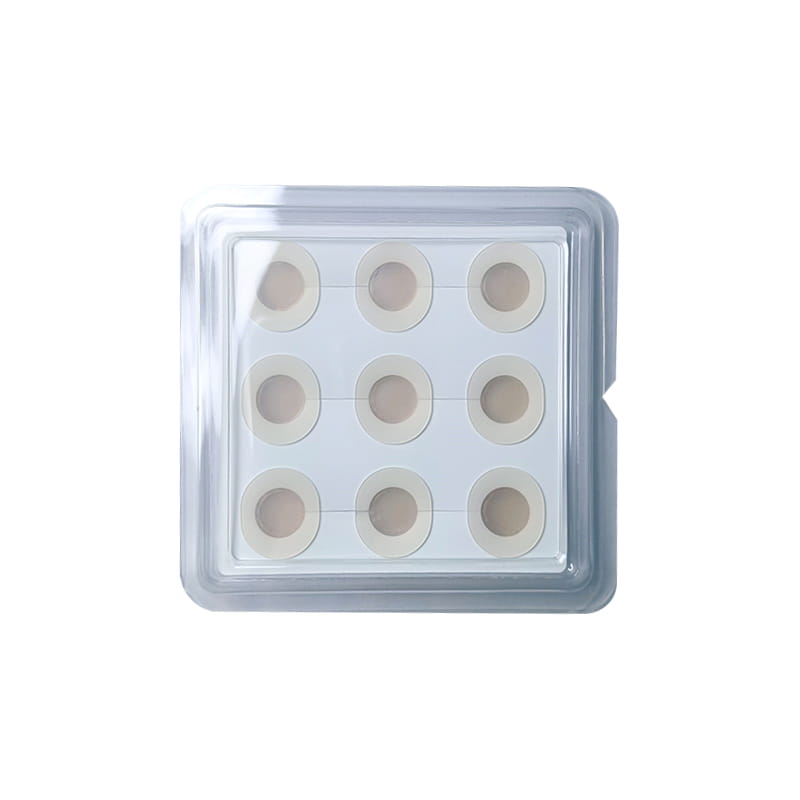
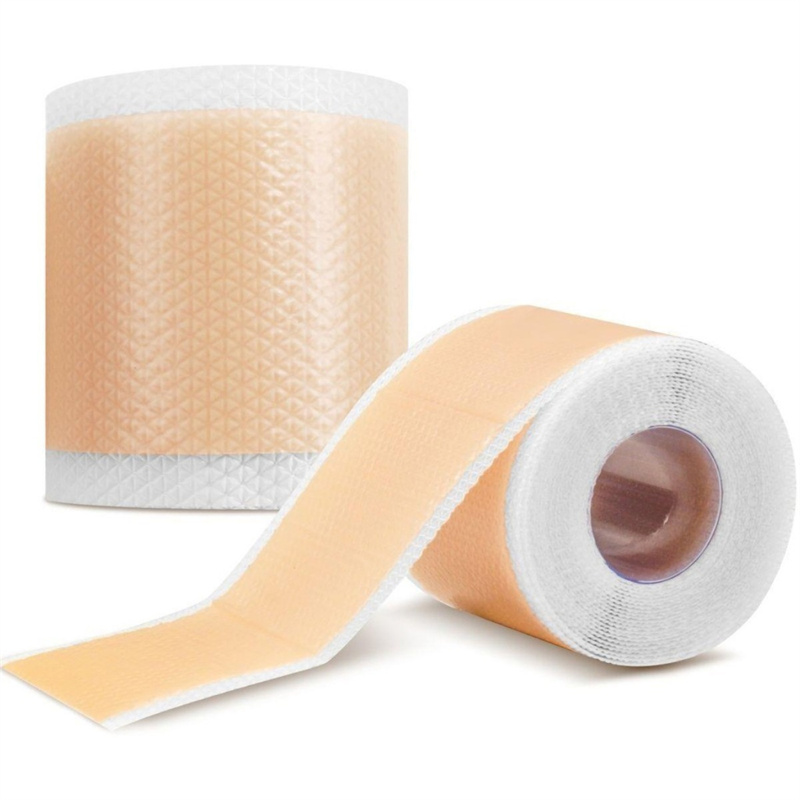
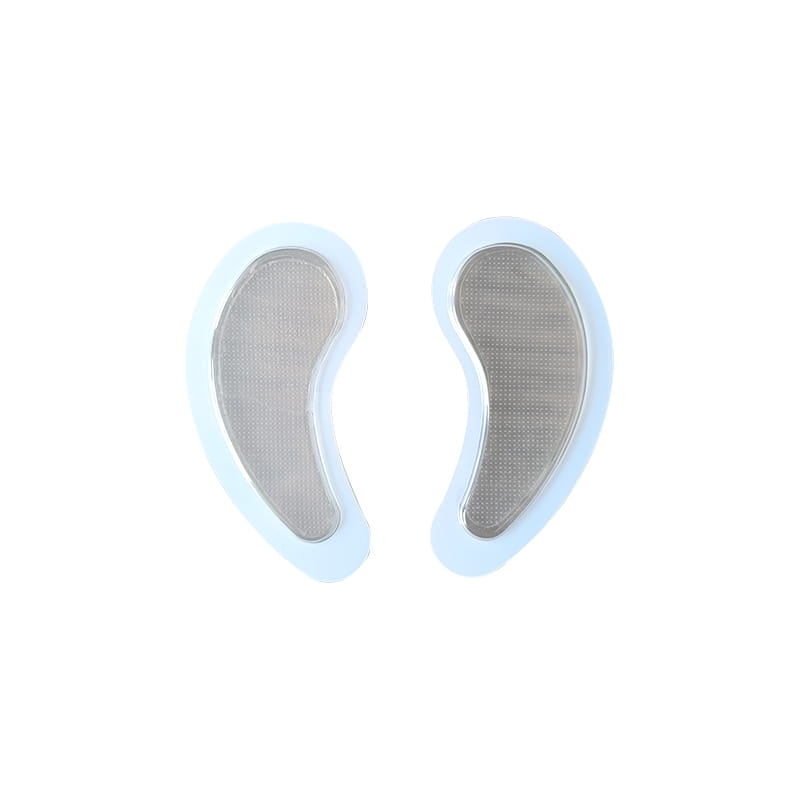
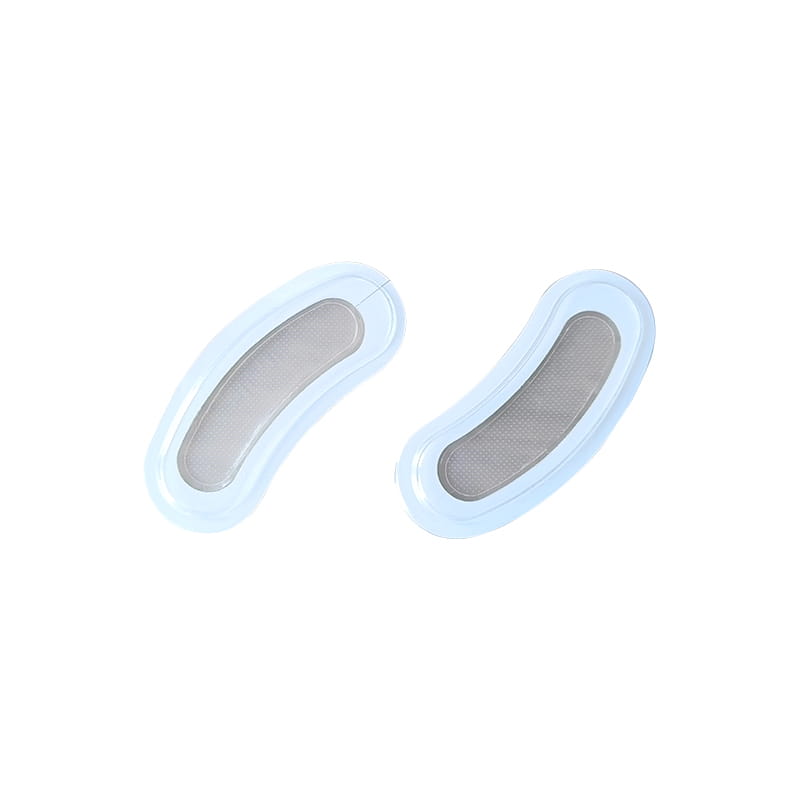
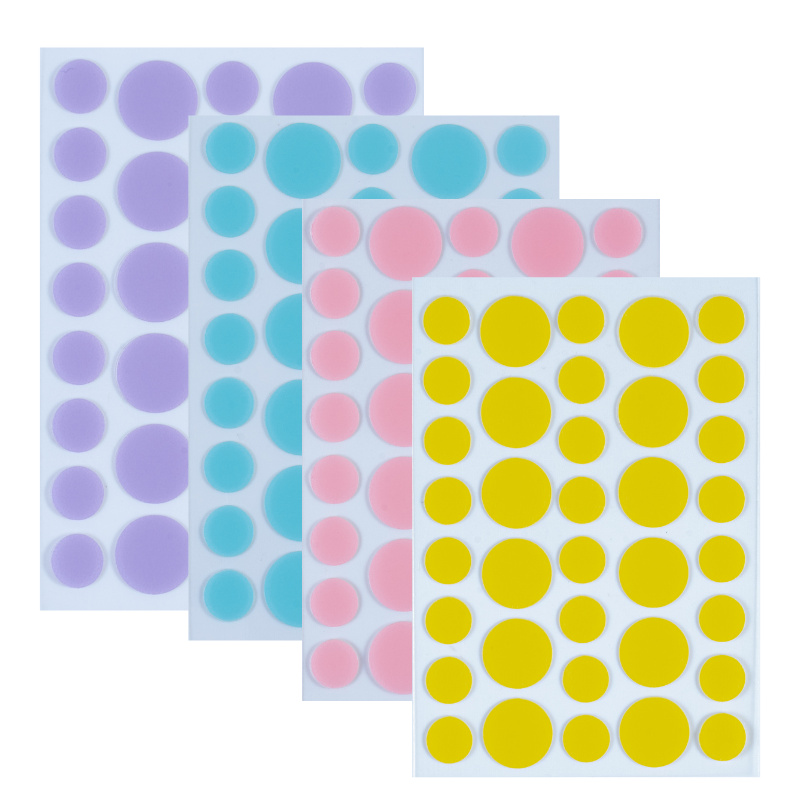
Blemish care has evolved considerably over the past decade, moving from simple topical spot treatments toward increasingly sophisticated delivery systems designed to work with the skin's structure rather than simply sitting on its surface. Among the most notable innovations in this space is the Medical-grade Targeted Penetration Microneedle Pimple Patch, a product category that combines dermatological engineering with active ingredient science to address blemishes more directly than traditional patches. This article explores the technology, materials, benefits, and proper use of microneedle pimple patches, along with guidance for selecting and incorporating them into a broader skincare routine.
A microneedle pimple patch is a small adhesive patch embedded with an array of tiny, dissolvable needles, often measuring less than a millimeter in length, arranged on its inner surface. Unlike traditional hydrocolloid patches, which work primarily by absorbing surface fluid and protecting the blemish from external contamination, microneedle patches are designed to gently penetrate the outermost layer of skin, allowing active ingredients to be delivered more directly into the targeted area.
The term medical-grade in this context typically refers to the use of biocompatible materials and manufacturing standards similar to those used in other minimally invasive skincare and medical delivery devices, reflecting a higher standard of material purity, safety testing, and quality control compared to conventional cosmetic-grade patches.
The core innovation behind microneedle pimple patches lies in their ability to bypass some of the natural barrier function of the stratum corneum, the outermost layer of skin that typically limits the absorption of topical ingredients. By creating microscopic channels through this barrier, the microneedles allow active compounds to reach slightly deeper into the skin where they can more directly interact with the blemish.
Most medical-grade microneedle patches use dissolving needle technology, meaning the microneedles themselves are formulated from water-soluble polymers, often combined with hyaluronic acid or other skin-friendly compounds, along with the active treatment ingredients. Once applied, these needles gradually dissolve as they absorb moisture from the skin, releasing their ingredient payload directly into the targeted area over several hours.
Unlike medical-grade microneedling devices used for broader skin treatments, pimple patches are engineered with intentionally shallow needle depth, sufficient to enhance ingredient absorption in the localized blemish area while remaining within a range generally considered appropriate for at-home cosmetic use.
As the microneedles dissolve gradually rather than releasing their full ingredient payload instantly, the patch can provide a more sustained delivery of active ingredients over the course of wear time, often several hours or an overnight application.
The performance and safety of a microneedle pimple patch depend heavily on the materials used in both the needle structure and the adhesive backing.
| Component | Common Materials | Function |
|---|---|---|
| Microneedle Structure | Hyaluronic acid, dissolvable polymer matrices | Forms the dissolving needle tips that carry active ingredients into the skin |
| Active Ingredient Reservoir | Salicylic acid, niacinamide, centella asiatica extract, tea tree extract | Delivers targeted treatment compounds to the blemish site |
| Adhesive Base Layer | Medical-grade hypoallergenic adhesive | Secures the patch to the skin while minimizing irritation risk |
| Backing Film | Thin, flexible medical-grade polymer film | Protects the patch structure and maintains shape during wear |
Many formulations incorporate hyaluronic acid not only as a structural component of the microneedle itself but also as a hydrating agent that supports the skin barrier during the healing process, helping to reduce the dryness or tightness sometimes associated with acne spot treatments.
While both microneedle and hydrocolloid patches fall into the broader category of spot treatment patches, they differ significantly in mechanism and intended use case.
| Feature | Hydrocolloid Patch | Medical-grade Microneedle Patch |
|---|---|---|
| Primary Mechanism | Absorbs surface fluid and protects the area | Delivers active ingredients through targeted penetration |
| Best Suited For | Blemishes that have already come to a head or are oozing | Early-stage, under-the-skin blemishes and closed comedones |
| Ingredient Delivery | Minimal to none, primarily physical barrier function | Active ingredient delivery beneath the surface layer |
| Typical Wear Time | Several hours to overnight | Several hours to overnight, depending on dissolution rate |
| Visible Texture | Slightly raised, opaque appearance | Often thinner and less visible, with a translucent finish |
Many users find value in incorporating both patch types into their routine at different stages of a blemish's lifecycle, using microneedle patches during the earlier, under-the-skin stage and switching to hydrocolloid patches once the blemish reaches the surface.
Because microneedle patches involve breaching the outermost skin barrier, even at a shallow depth, manufacturing quality and material safety are particularly important considerations for this product category.
Reputable manufacturers conduct biocompatibility testing on the materials used in microneedle construction to confirm they do not provoke unwanted skin reactions when used as directed.
Given the penetrative nature of the product, many medical-grade microneedle patches are produced in controlled cleanroom-style manufacturing environments to minimize contamination risk during production.
The consistent shape, height, and density of the microneedle array is achieved through precision micro-molding techniques, ensuring uniform penetration performance across the surface of the patch.
Depending on the region and specific ingredient formulation, microneedle pimple patches may be classified as cosmetic products or, in some cases, as medical devices subject to additional regulatory oversight. Consumers are encouraged to review product labeling and manufacturer documentation for information relevant to their local regulatory classification.
By creating a pathway through the outer skin barrier, microneedle patches allow active ingredients to reach areas that topical creams or gels may not penetrate as effectively on their own.
Because microneedle patches do not rely on surface fluid absorption the way hydrocolloid patches do, they are often considered more appropriate for treating blemishes that are still developing beneath the skin's surface, where a hydrocolloid patch would have little material to absorb.
Many microneedle patches are designed with a thin, often translucent profile, making them less visually noticeable during daytime wear compared to the thicker, more opaque appearance of traditional hydrocolloid patches.
The inclusion of hyaluronic acid and other soothing ingredients within the microneedle structure allows the patch to support skin hydration and comfort alongside its primary treatment function.
While microneedle pimple patches are generally formulated for broad compatibility across skin types, certain considerations can help ensure a positive experience.
Look for products that clearly list their full ingredient composition, including both the microneedle matrix materials and any active treatment ingredients, allowing for informed comparison and sensitivity screening.
Products manufactured under recognized quality standards, such as those associated with medical device or pharmaceutical-grade production environments, often provide additional assurance of material purity and consistency.
Higher-quality microneedle arrays typically feature consistent needle spacing and height, contributing to more uniform penetration and ingredient delivery across the treated area.
Third-party testing results, dermatologist evaluation, and consumer feedback can offer additional insight into a product's real-world performance and tolerability.
Microneedle pimple patches are most effective when used as part of a broader, consistent skincare approach rather than as a standalone solution. A gentle daily cleansing routine, appropriate moisturization, and consistent use of broad-spectrum sun protection all contribute to overall skin health and can support the effectiveness of targeted spot treatments. For individuals dealing with persistent or severe acne concerns, consulting a dermatologist for a comprehensive treatment plan is generally recommended, with spot treatment patches serving as a complementary tool within that broader strategy rather than a replacement for professional guidance.
Ongoing formulation research continues to explore new combinations of active ingredients within microneedle structures, aiming to address a broader range of skin concerns beyond traditional blemish treatment.
Some manufacturers are exploring customizable patch formulations tailored to individual skin type or specific concern profiles, potentially offering more targeted treatment options in the future.
Continued advancement in biodegradable and sustainably sourced microneedle materials aims to reduce the environmental impact of single-use skincare products without compromising performance.
Emerging skincare technology trends point toward greater integration between diagnostic tools, such as skin analysis devices or apps, and targeted treatment products like microneedle patches, potentially allowing for more personalized treatment recommendations based on individual skin assessment data.
Medical-grade Targeted Penetration Microneedle Pimple Patches represent a meaningful advancement in localized blemish care, offering a more direct approach to active ingredient delivery compared to traditional surface-level spot treatments. By combining dissolvable microneedle technology with carefully selected active ingredients and medical-grade material standards, these patches provide a targeted, relatively discreet option for addressing early-stage blemishes within a broader skincare routine. As with any active skincare product, understanding proper usage, ingredient composition, and individual skin considerations helps ensure the best possible experience, while consultation with a dermatologist remains valuable for anyone managing more persistent or complex skin concerns.
contact us
Don't hesitate to contact when you need us!

Contact Information
NO.3 Jinshui Road, Xiwu Street, Fenghua District, Ningbo, ZheJiang, China.
+86-18158557875





 English
 中文简体
中文简体
 русский
 Español