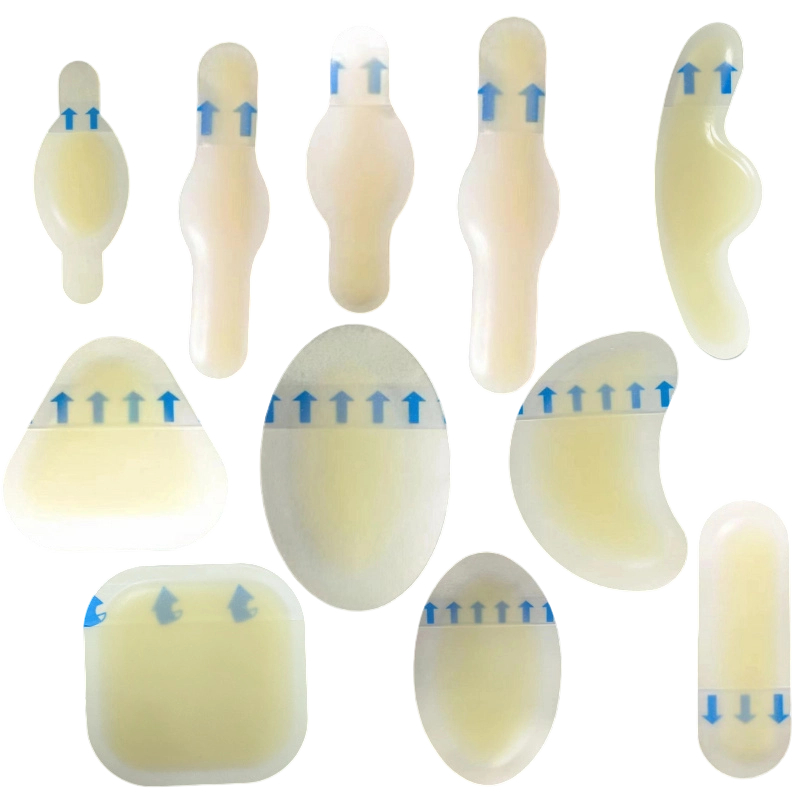
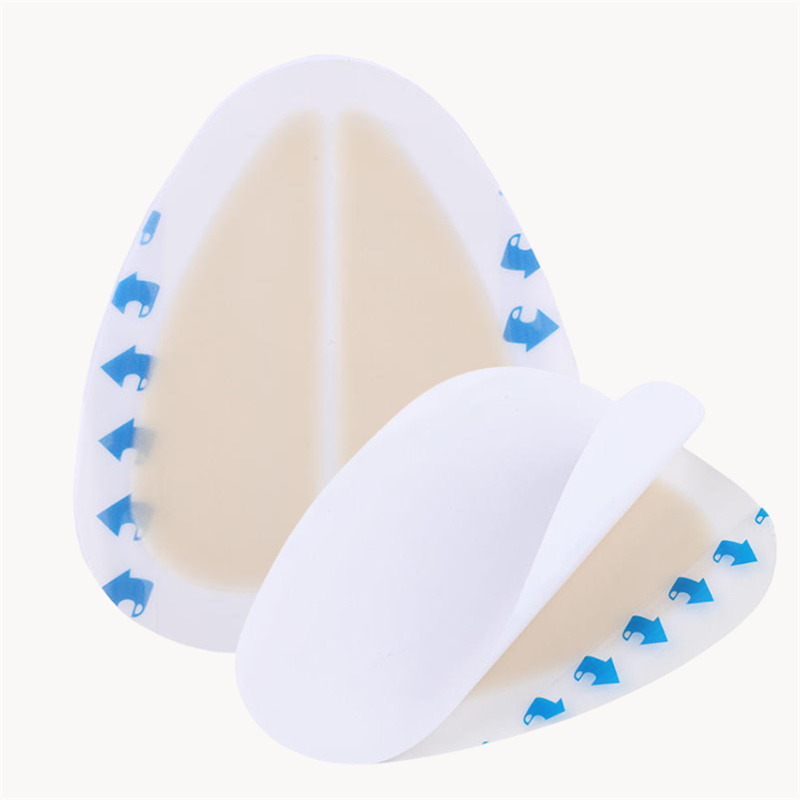
A transparent film dressing that starts lifting at the corner after six hours is usually not a production defect. It is a mismatch. The film went onto a wound producing moderate exudate, or the adhesive was chosen for skin that had just been prepped with a barrier wipe.
Disposable wound dressings are a specification purchase, not a commodity purchase. Two products can sit in identical 4 x 4 inch boxes and still differ in backing thickness, adhesive chemistry, moisture vapour transmission rate and sterility assurance level. When any one of those parameters is wrong, unit price stops mattering. Extra dressing changes, wasted clinical time and returns cost far more than the few cents saved.
What follows is how single-use dressings are classified, which numbers on a specification sheet actually predict performance, and where B2B buyers most often lose money on a bulk order.
Disposable means single-use: the dressing arrives in a sealed, validated pack, is applied once, and is discarded. It is never laundered, re-sterilised or re-applied. That status is what drives the regulatory load around the product, and it is why the packaging matters as much as the dressing inside it.
Three characteristics separate a genuine single-use medical dressing from a low-cost lookalike:
Performance claims should be backed by recognised methods: EN 13726 for absorbency, moisture vapour transmission and peel strength of film dressings, and ISO 10993 for biocompatibility. When you compare quotes, compare the test reports behind them.
Nearly every disposable wound dressing on the market belongs to one of five material families. Choosing the family settles most of the clinical risk; size, shape and packaging handle the rest.
| Family | Construction | Exudate level | Typical wear time | Common single-use formats |
|---|---|---|---|---|
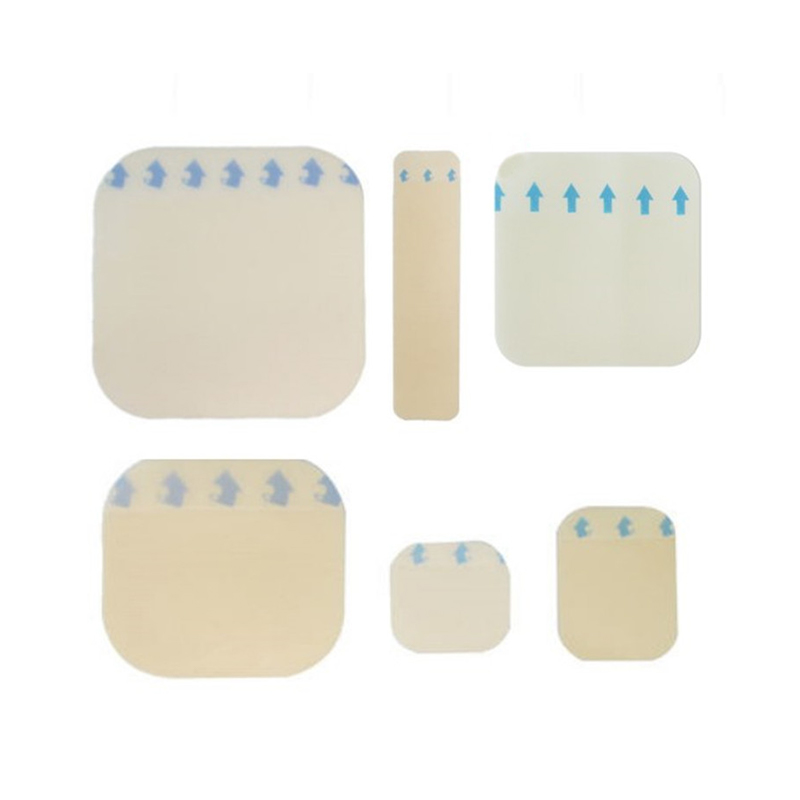
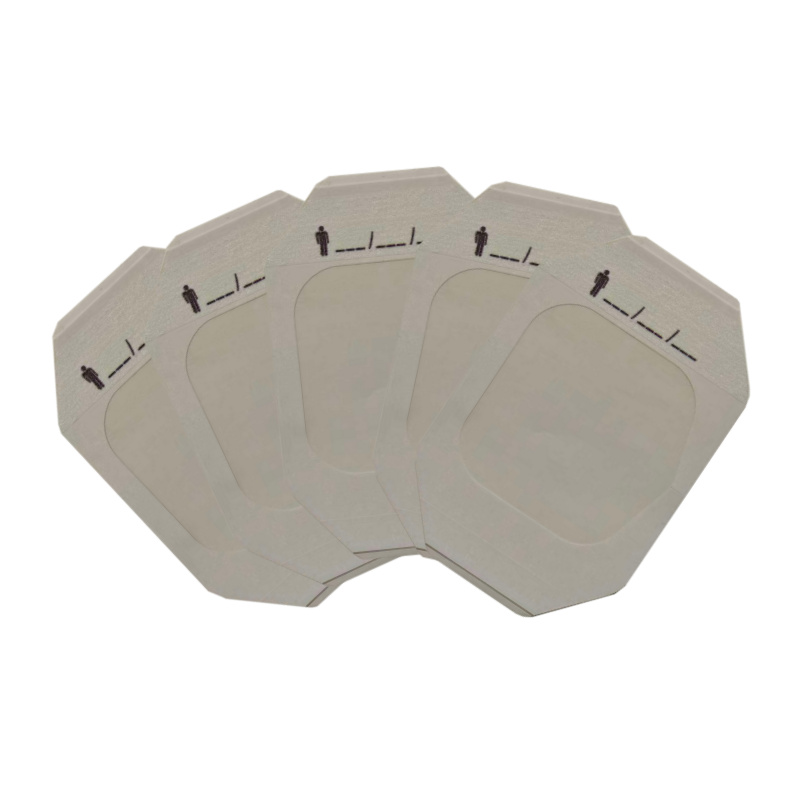
| Transparent film | Polyurethane film with acrylic adhesive | None to minimal | 3-5 days | IV fixation, superficial cuts, waterproof cover |
| Hydrocolloid | Gel-forming hydrocolloid matrix on a film backing | Low to moderate | 3-7 days | Blisters, donor sites, acne patches, sacral dressings |
| Alginate and non-adhesive absorbents | Calcium alginate or gelling fibre | Moderate to heavy | 2-3 days | Cavity wounds and bleeding sites under a secondary cover |
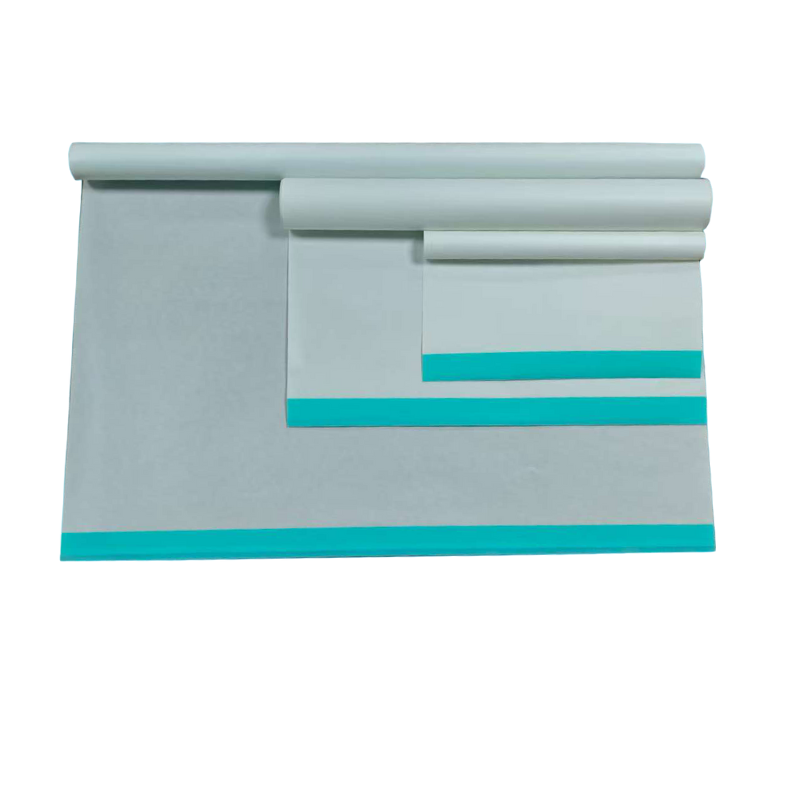
| Nonwoven | Spunlace or coated nonwoven pad, with or without adhesive border | Low to moderate | 1-3 days | Post-operative protection, bulk clinic use, roll format |
| Soft silicone | Silicone gel adhesive on a carrier film | Minimal | 5-7 days | Fragile skin, scar management, atraumatic removal |
Hydrocolloid is the family most buyers underestimate. The matrix absorbs fluid and forms a gel, keeping the wound bed moist without an added moisturiser, and the dressing can stay in place for several days. The mechanism behind this, how a hydrocolloid bandage interacts with wound fluid, is well documented. On thin or fragile skin, an ultrathin version delivers the same environment at a lower profile that flexes with movement.
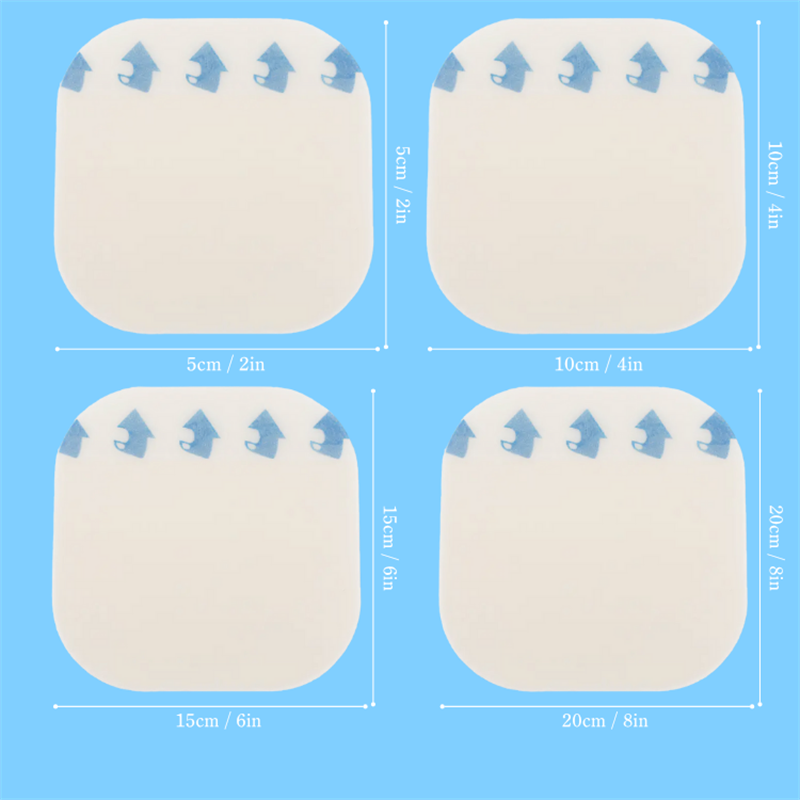 Ultra-Thin Hydrocolloid Wound Dressing for Moist HealingEdge-free, waterproof, breathable hydrocolloid dressing that absorbs exudate and conforms to irregular wounds, useful for superficial, surgical, and aesthetic applications.View Product →
A nominal 4 x 4 inch dressing rarely arrives at exactly 4.000 inches. Rotary die-cutting typically holds the cut line to roughly plus or minus 0.5 mm, and that tolerance matters on multi-layer products where pad, adhesive border and release liner must stay aligned. Ask for the tolerance in writing, then measure a sample against a steel rule before approving a production run.
Peel strength for film dressings is reported in N/25 mm on a defined substrate. Skin-friendly acrylic adhesives usually sit between about 0.5 and 1.5 N/25 mm. Above that range, the dressing can lift fragile or neonatal skin on removal; below it, the edge rolls within hours on a moving joint such as a knee. Ask for the residue result after 24-hour wear as well, because adhesive left on skin generates complaints.
MVTR describes how quickly a dressing lets water vapour escape, usually in g/m²/24 h. Transparent films commonly fall between roughly 300 and 800 g/m²/24 h depending on thickness. A film with very low MVTR traps fluid under the adhesive and macerates surrounding skin; one with very high MVTR lets a low-exudate wound dry out. Match the number to the wound rather than to the largest value on the datasheet.
Check the sterilisation method, the SAL and the shelf-life validation behind the expiry date. For export, confirm that the dossier covers biocompatibility, microbial limits and heavy metals, since those are the documents a distributor's quality team requests before listing the product.
One box cannot serve every wound. A practical selection path looks like this:
On heavy-exudate wounds the absorbing layer does the work and the cover holds it in place. An alginate dressing is the standard answer: it gels on contact with fluid, can be removed without tearing new tissue, and arrives individually wrapped for single use.
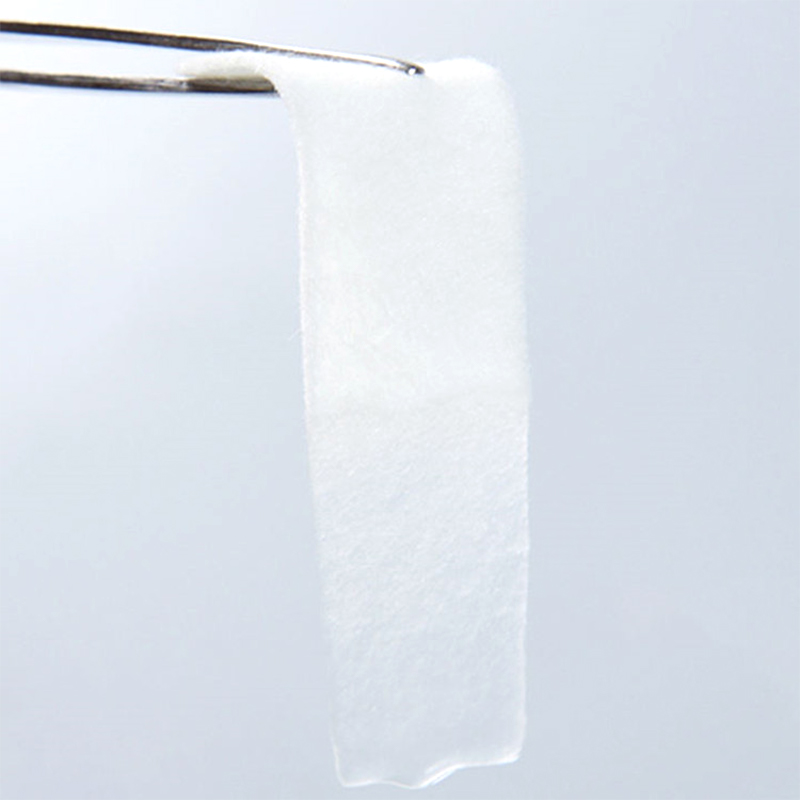 Alginate Wound Dressing for Moderate to Heavy ExudateSeaweed-derived alginate dressing gels on contact with exudate, absorbs up to 20 times its weight, and supports moist healing for draining wounds.View Product →
Procurement compares cost per box; the ward experiences cost per dressing change. The useful formula is unit price plus clinician time plus ancillary fixation plus disposal. A dressing costing three times more but staying on for four days often beats gauze and tape changed twice daily once nursing minutes are counted.
Three cost lines are easy to overlook:
If a quotation looks far below the field, check backing thickness, adhesive coat weight and sterilisation method before assuming the market has simply been beaten on price.
For private-label buyers, the specification conversation usually covers shape, colour, thickness, adhesive level, absorbency and packaging format. Packaging is often the longest decision: paper-plastic pouches suit clinical channels, foil pouches suit longer shelf life, and printed colour boxes suit retail. Working with a supplier that already runs hydrocolloid, silicone gel, nonwoven and PU film lines shortens that loop, since the same dressing and patch portfolio can absorb several SKUs under one quality system.
Production schedules follow a predictable pattern. Custom work takes longest because tooling, print proofs and first-article approval all sit in front of the run:
The chart reflects typical production planning for dressings of this type; actual dates depend on artwork approval, material availability and order quantity.
Request documentation at quotation stage rather than after the purchase order: ISO 13485 certification, CE or FDA registration as applicable, ISO 10993 biocompatibility reports, microbial and heavy-metal test data, MSDS, and for the EU, cosmetic product notification where a patch is positioned as a cosmetic rather than a device.
A useful test of any supplier is the transparent, film-based end of the range, where adhesive and MVTR tolerances are tightest. A waterproof transparent patch is a small item, but it reveals whether coating, die-cutting and pouch sealing are genuinely under control.
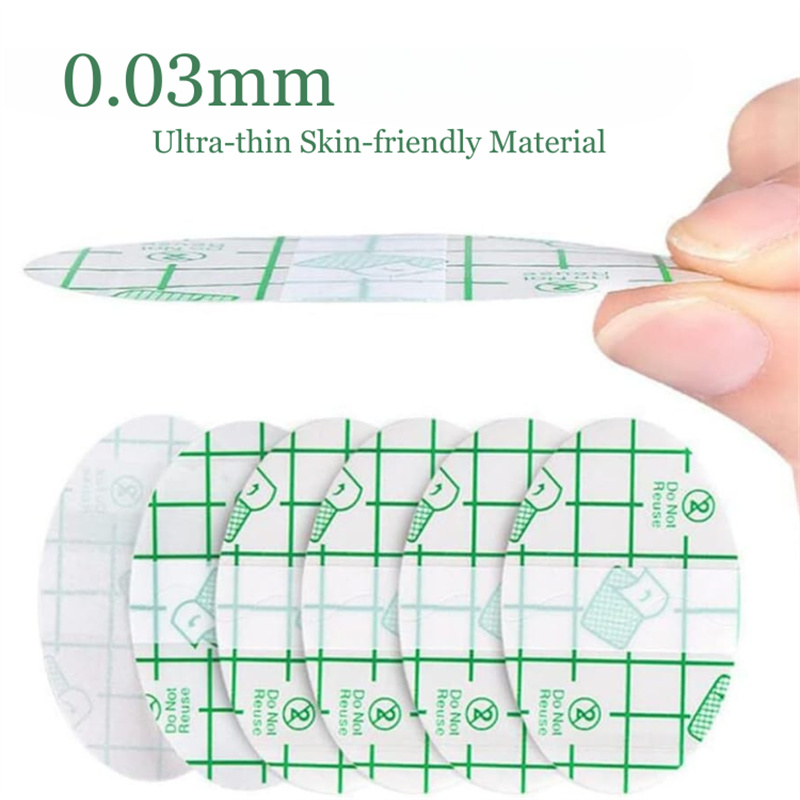 Transparent Waterproof Patch for Invisible Skin ProtectionUltra-thin PU or PE patch with medical-grade waterproof adhesive, offering discreet coverage for daily care and protection against water and sweat.View Product →
Disposable wound dressings reward buyers who specify before they negotiate. Decide the material family from the exudate level, write down size tolerance, peel strength, MVTR and sterilisation method, and check shelf life against your realistic inventory turnover. Then request samples and test reports in the same email.
Done that way, the cheapest quote and the best-value quote become visible at a glance, which is exactly what a specification is for.
contact us
Don't hesitate to contact when you need us!

Contact Information
NO.3 Jinshui Road, Xiwu Street, Fenghua District, Ningbo, ZheJiang, China.
+86-18158557875





 English
 中文简体
中文简体
 русский
 Español