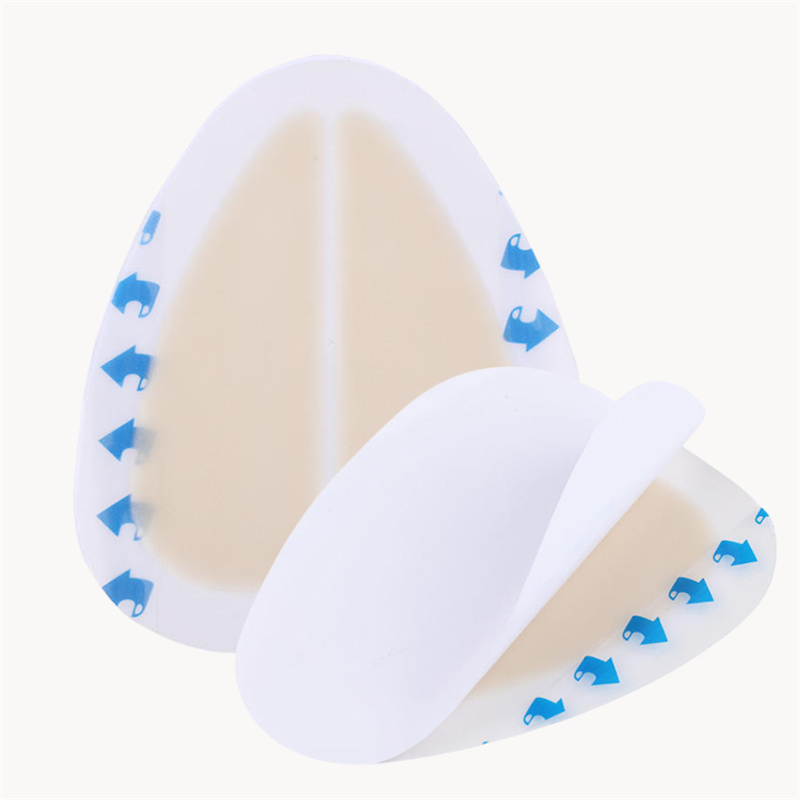
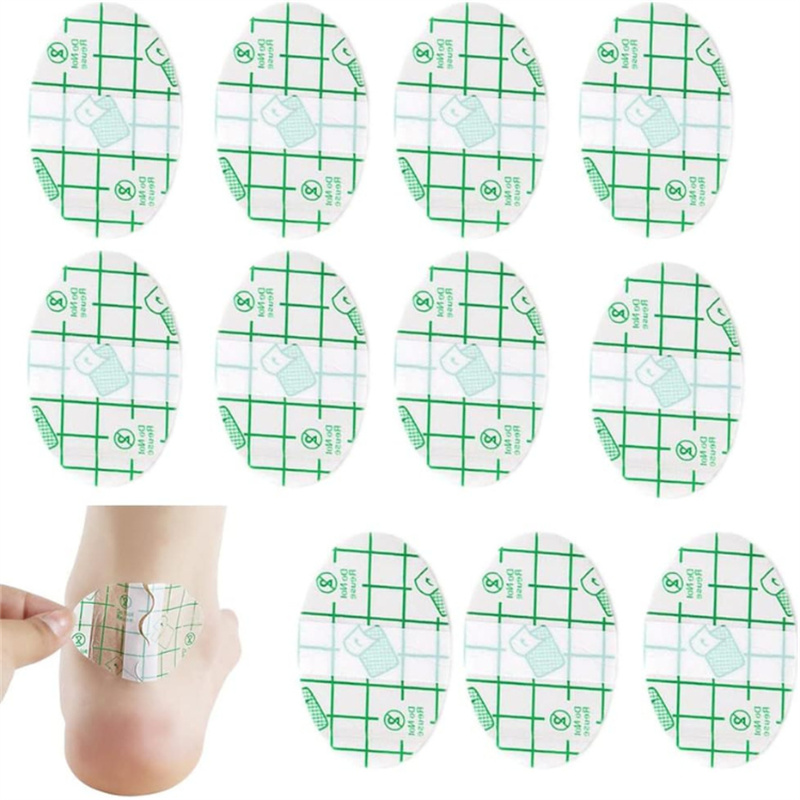
A purchasing manager sends a short brief: a translucent patch that stays on a blister for three days, survives a shower, disappears under makeup, and still shows whether the wound underneath is settling. That brief describes a transparent hydrocolloid dressing almost exactly — and it also describes where the product fails if the wound is infected or draining heavily. The short answer: transparent hydrocolloid dressings are the right choice for low to moderate exudate, for intact or lightly broken skin, and for any site where visibility saves a dressing change. They are the wrong choice for infected wounds, high-exudate wounds, and ulcers that need a clinical assessment before anything is sealed over them.
A hydrocolloid dressing is a laminate, not a single sheet, and three layers decide how it performs in the field:
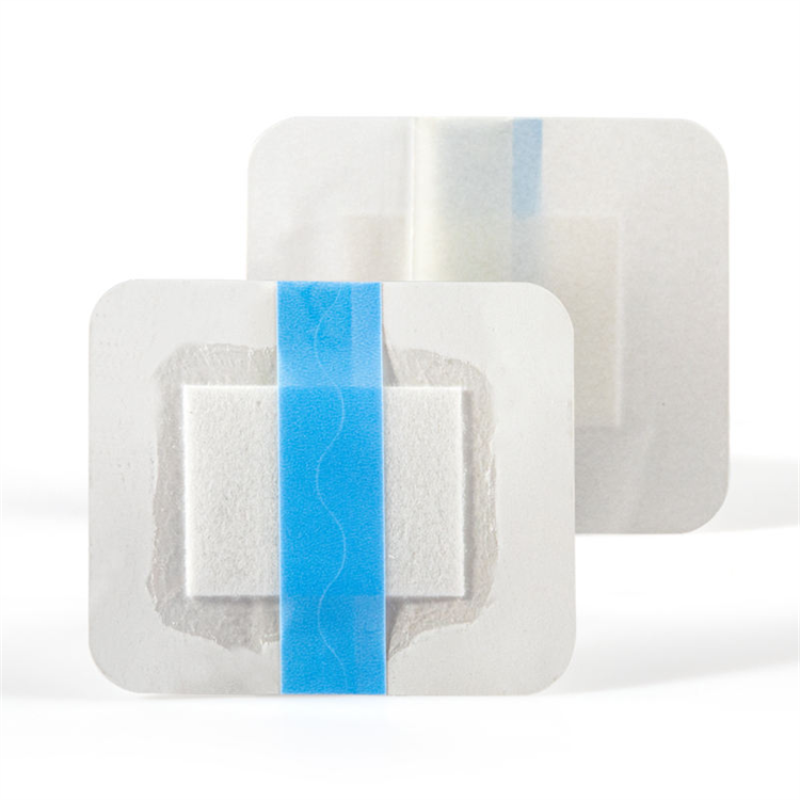
Two practical consequences follow. First, transparency belongs to the film, not the matrix: most matrices are slightly hazy and turn milky white as they absorb exudate. That colour change is a feature, not a defect — it signals that the dressing is working and gives users a rough change indicator. Second, thickness changes behaviour. Standard hydrocolloid dressings usually sit around 0.4 mm to 0.6 mm and manage more fluid, while ultra-thin versions come closer to 0.2 mm, contour better on the face, and are the format most often specified for cosmetic and acne applications.
When a project needs that low profile without losing gel formation, an ultra-thin hydrocolloid dressing is the logical starting point for sampling.
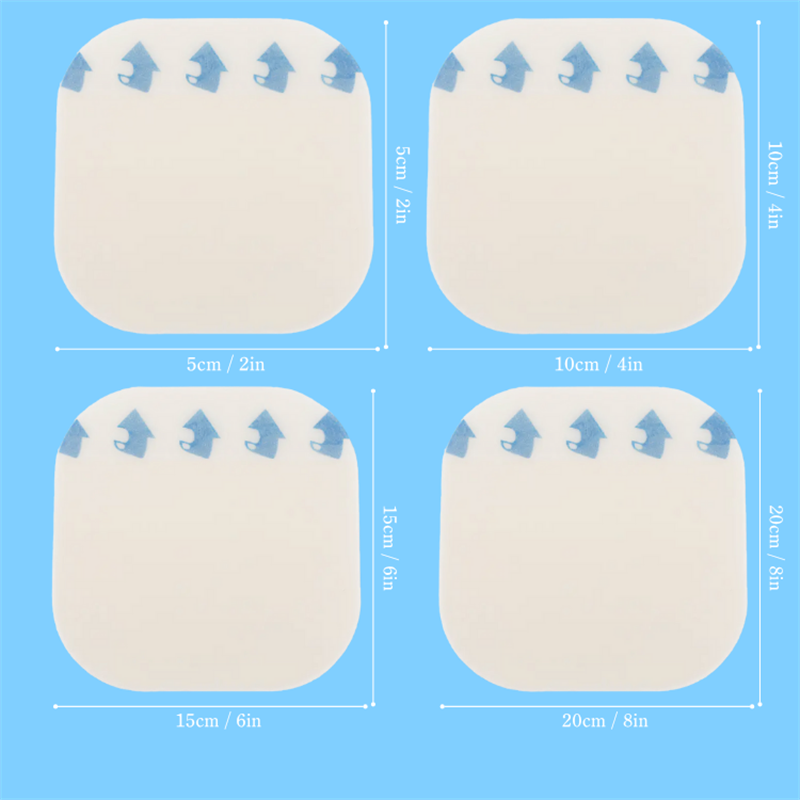 Ultra-Thin Borderless Hydrocolloid Dressing for Flexible Wound CoverageA low-profile, edge-free hydrocolloid dressing that absorbs exudate, maintains a moist wound environment, and can be cut to fit irregular superficial wounds.View Product →
Once applied to clean, dry skin, the dressing seals the site and traps the wound's own moisture. Fluid is drawn into the matrix, the matrix swells into a gel, and the wound bed stays moist without pooling. Three outcomes matter to the person wearing it:
The limit is fluid volume. A hydrocolloid handles a moderate amount of exudate, but a heavily draining wound will lift the edges within hours, and a wound that is already infected should not be sealed under an occlusive dressing without clinical direction. If the site produces more than a small amount of fluid, or if there is spreading redness, heat, or odour, choose a different product and get the wound assessed.
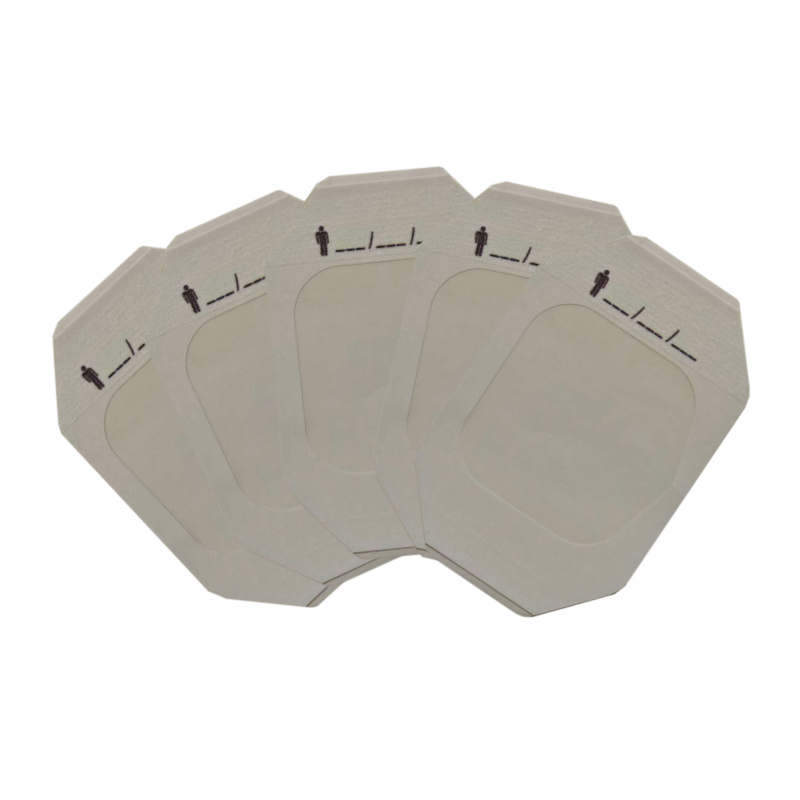
Transparent film and transparent hydrocolloid are frequently confused because both are see-through. The difference is what happens to fluid. Film has no absorbent layer, so it suits dry, clean sites such as IV insertion points. Hydrocolloid gels on contact, so it belongs on sites with light to moderate exudate. Gauze absorbs, but it also dries the wound bed and needs replacing far more often.
| Consideration | Transparent hydrocolloid | Transparent film | Gauze plus tape |
|---|---|---|---|
| Exudate handling | Absorbs fluid and forms a gel | None; fluid pools under the film | Absorbs, but dries the surface |
| Moisture balance | Supports moist wound healing | Occlusive; can macerate skin | Often leaves the bed too dry |
| Visibility | Wound visible; matrix turns milky | Fully visible | Requires lifting to inspect |
| Typical wear time | 3 to 7 days | 3 to 5 days | 1 to 2 days |
| Best suited to | Low to moderate exudate, blisters, closed incisions, intact skin protection | IV sites, clean dry wounds, secondary fixation | High exudate and infected wounds under clinical care |
The bars are planning figures, not specifications. Exudate level, skin condition, and the anatomical site will shift the interval, and a dressing that lifts at the edges should be replaced regardless of the calendar. For a deeper comparison of the two transparent formats, see this review of transparent hydrocolloid versus traditional dressings.
A blister from new running shoes or a long shift in safety boots is exactly the profile hydrocolloid handles well: low fluid, high friction, and a site that gets washed daily. A transparent patch cushions the area, keeps the blister roof intact where possible, and can stay in place for several days.
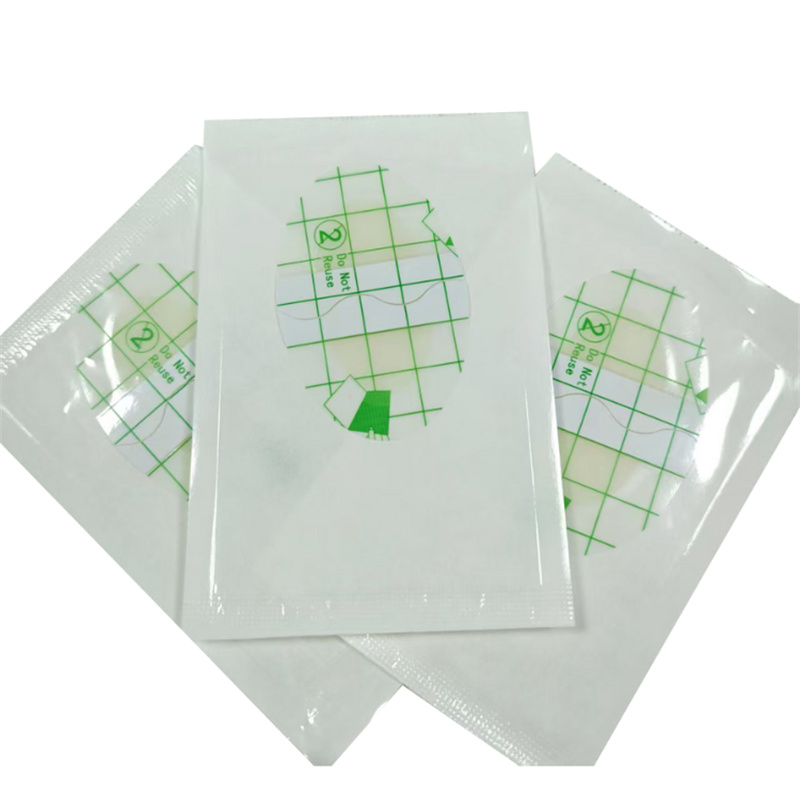 Ultra-Thin Transparent Hydrocolloid Blister Patch for Daily Skin ProtectionA thin, waterproof hydrocolloid patch that cushions blisters, absorbs exudate, and stays close-fitting during daily wear and washing.View Product →
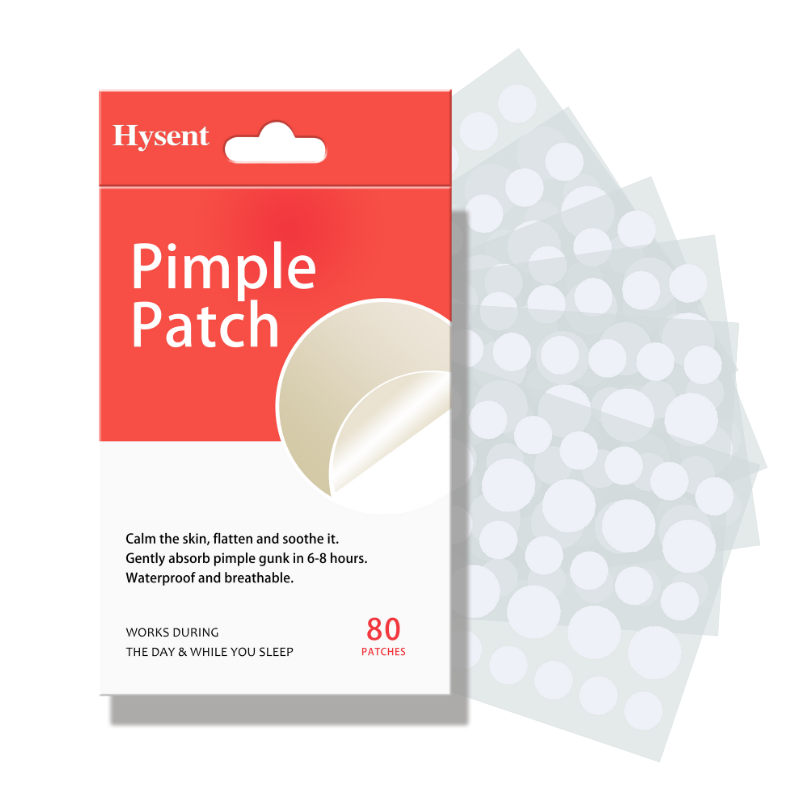
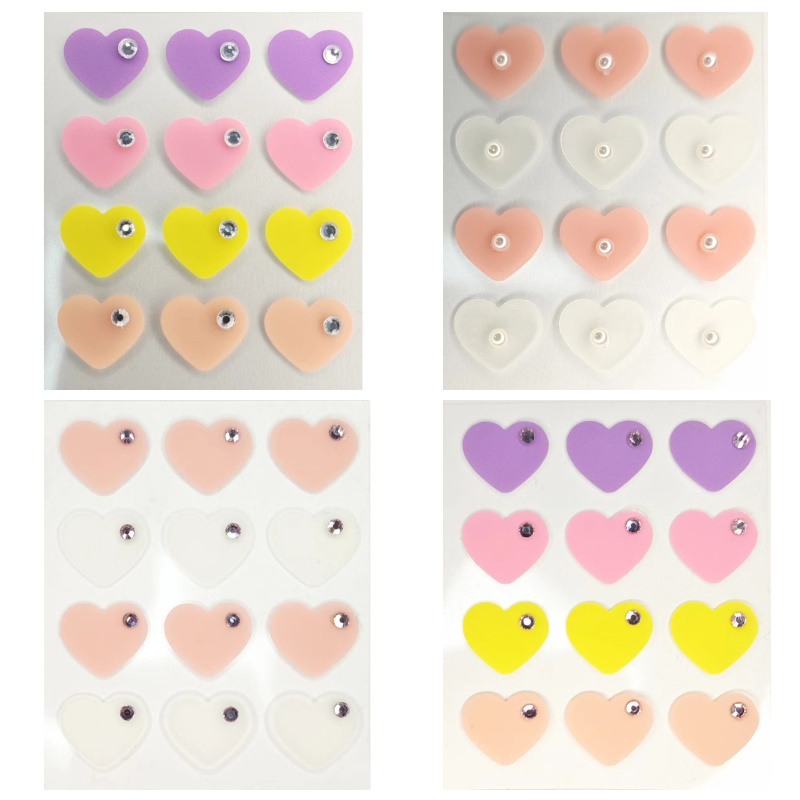
On a facial lesion the priorities flip. The patch must be nearly invisible, thin enough to sit under makeup, and easy to remove. A transparent hydrocolloid acne patch draws fluid from a whitehead overnight and discourages picking. Diameter matters more than thickness here — a patch that covers the lesion plus two or three millimetres of surrounding skin adheres far better than one that stops at the edge of the bump.
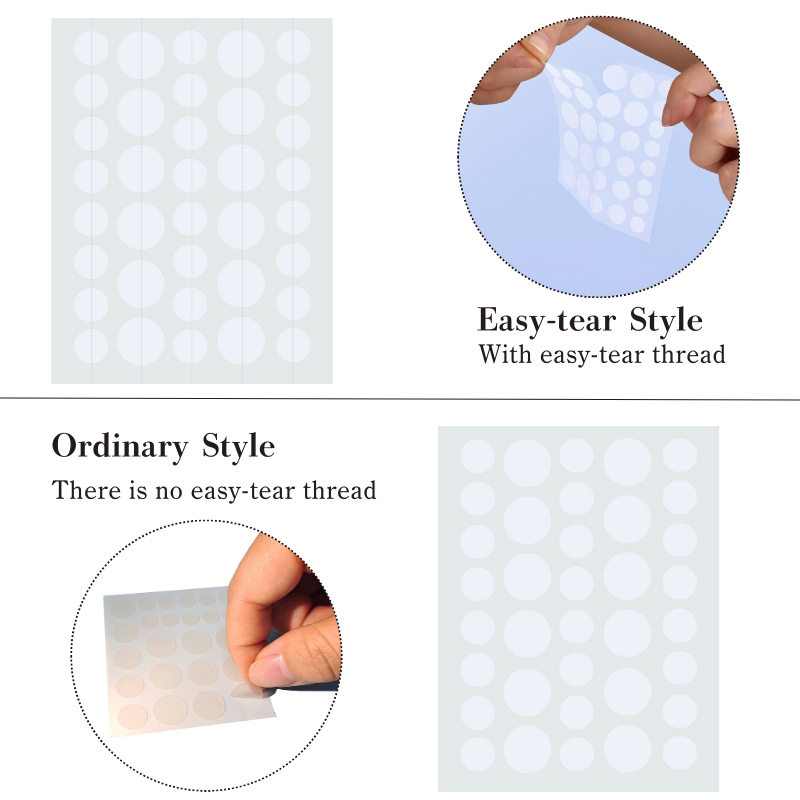 Transparent Hydrocolloid Acne Patch for Spot Treatment and Makeup-Friendly WearAn ultra-thin, transparent hydrocolloid acne patch that absorbs secretions, helps discourage picking, and sits discreetly under makeup or bare skin.View Product →
Shallow abrasions, graft donor sites with light drainage, and closed surgical incisions are common indications. On a closed incision, the dressing protects the line from friction and shower water while allowing the clinician to watch the wound edges. Change the dressing when the gel front reaches the border, or when the seal breaks — whichever happens first.
Because hydrocolloid absorbs shear rather than fluid, it is also used over intact skin at pressure points: heels, the sacrum, the ears behind mask straps, and the bridge of the nose under goggles. The skin must be clean, dry, and free of existing breakdown; inspect daily for early signs of damage.
Most quality problems with transparent hydrocolloid products trace back to an incomplete specification rather than a bad material. Put these six points in writing before sampling:
It also helps to work with a hydrocolloid dressing manufacturer that already runs multiple platforms — hydrocolloid, silicone gel, and PU film — because shape, colour, thickness, adhesion, and absorbency changes can be evaluated in one development cycle instead of three.
Choosing a transparent hydrocolloid dressing is really two decisions made in order. First, match the format to the site: ultra-thin and fully transparent for facial lesions, standard thickness for blisters and low-exudate wounds, film-only products for dry sites such as IV insertions. Second, match the supplier to the brief: written tolerances, adhesion and absorbency data, packaging tooling, and a realistic lead time. Get both right and the patch stays where it was placed, the wound stays visible, and nobody has to guess when it should come off.
contact us
Don't hesitate to contact when you need us!

Contact Information
NO.3 Jinshui Road, Xiwu Street, Fenghua District, Ningbo, ZheJiang, China.
+86-18158557875





 English
 中文简体
 русский
 Español