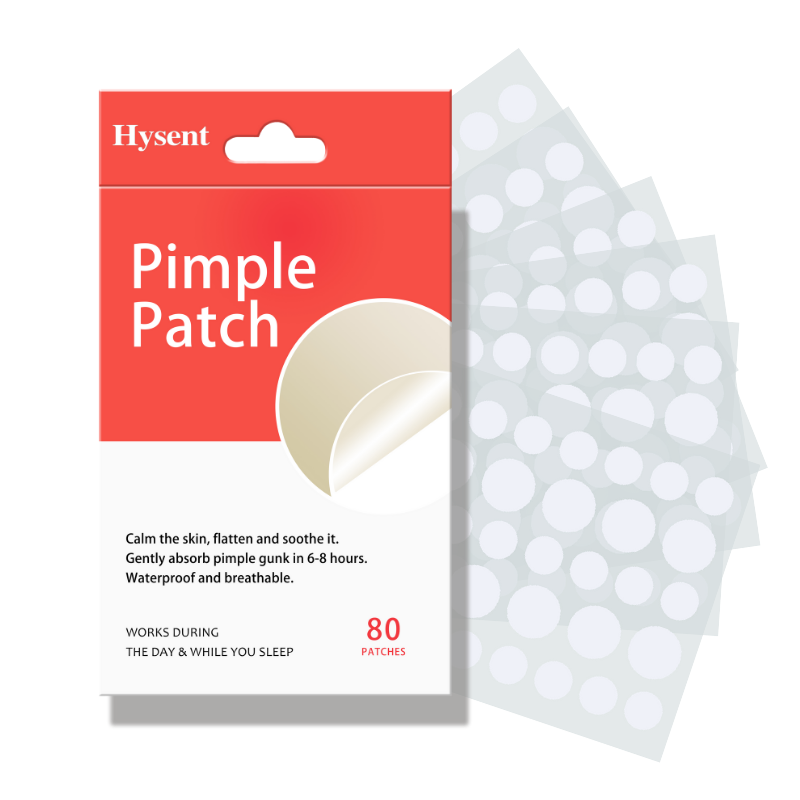
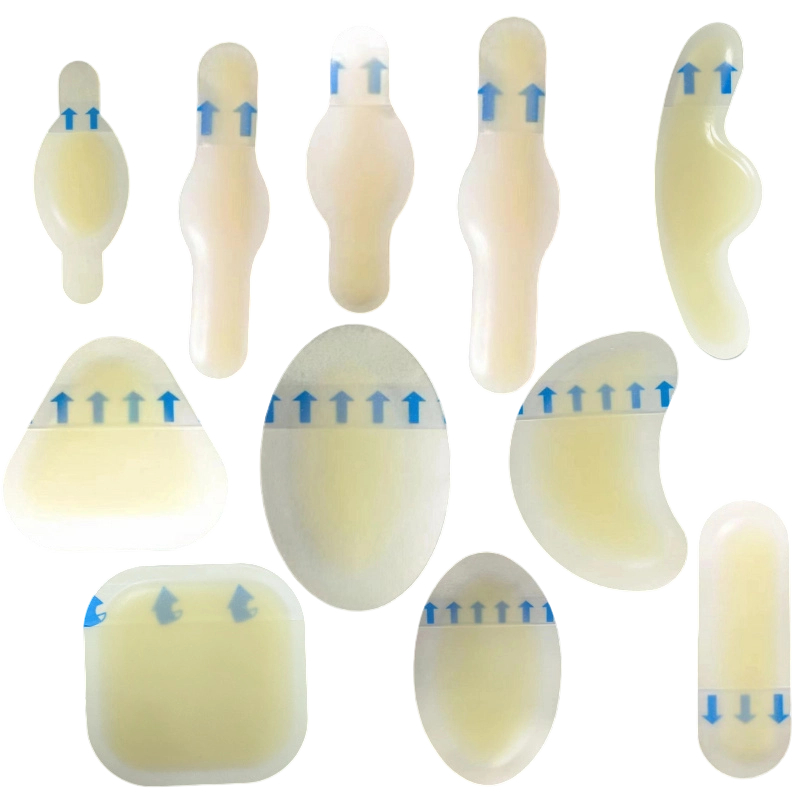
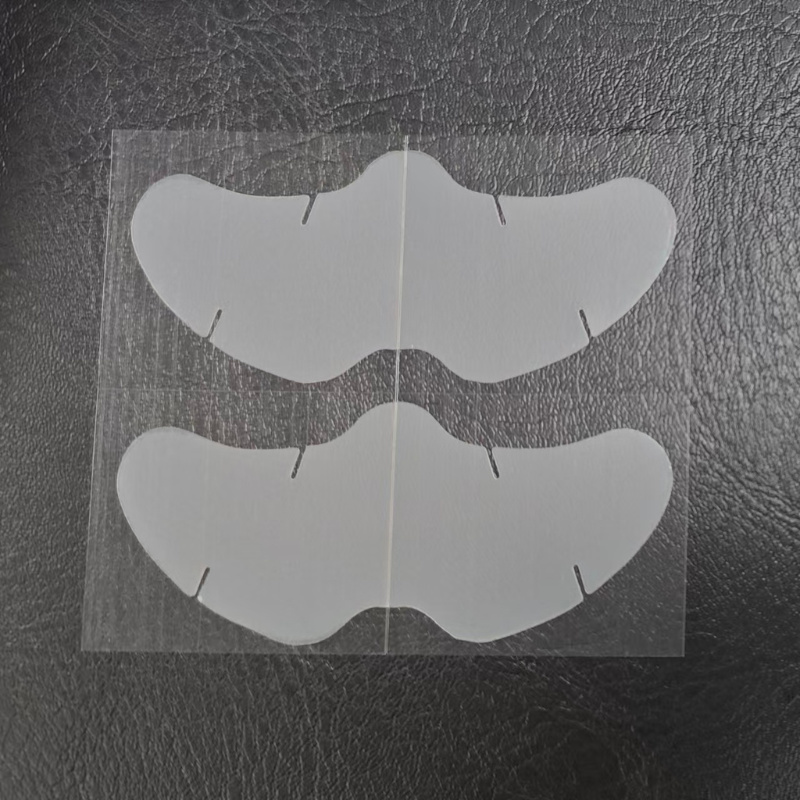
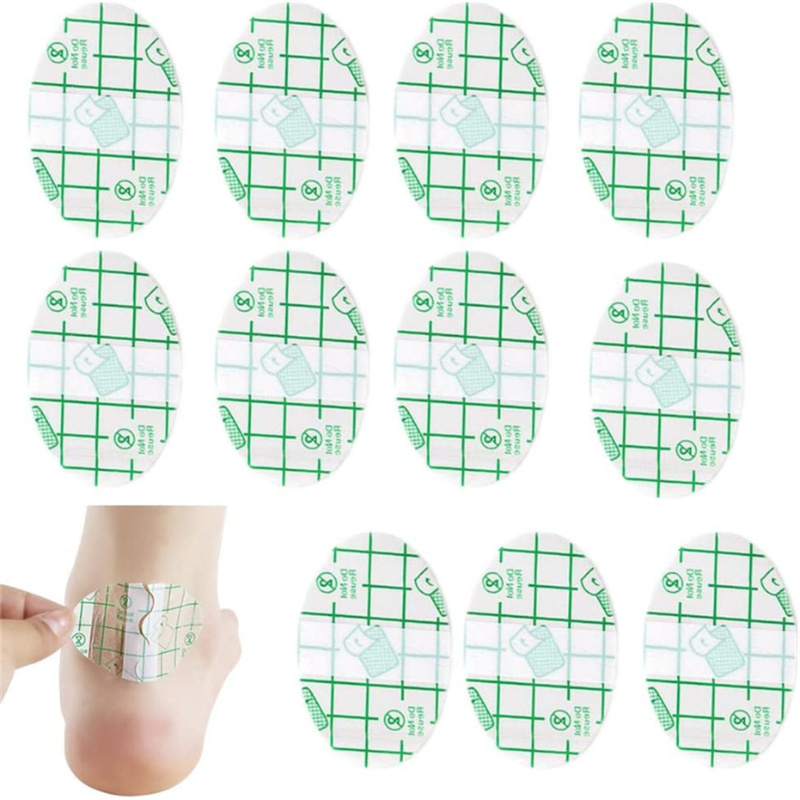
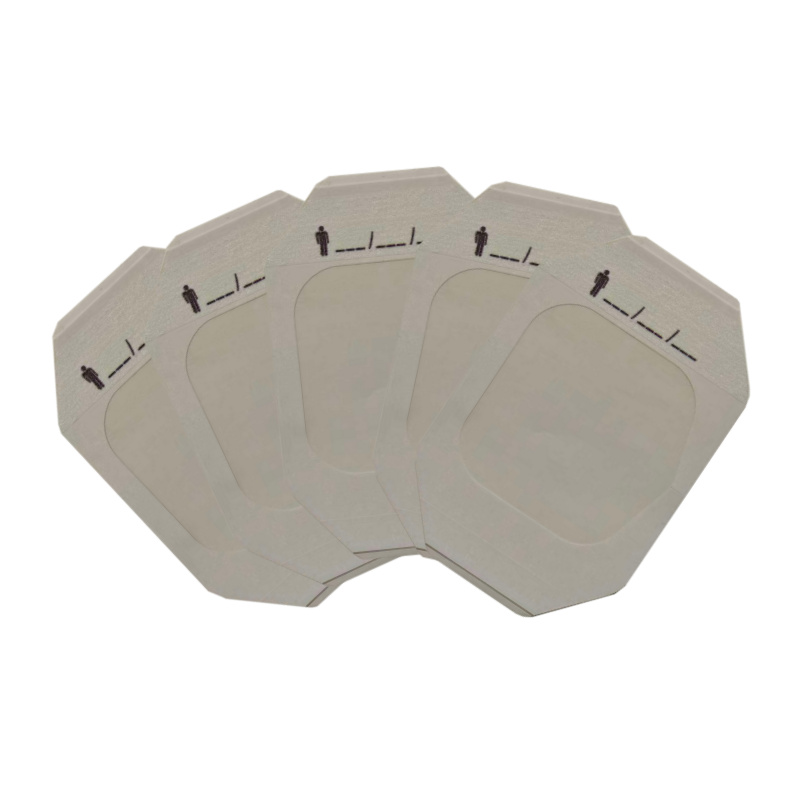
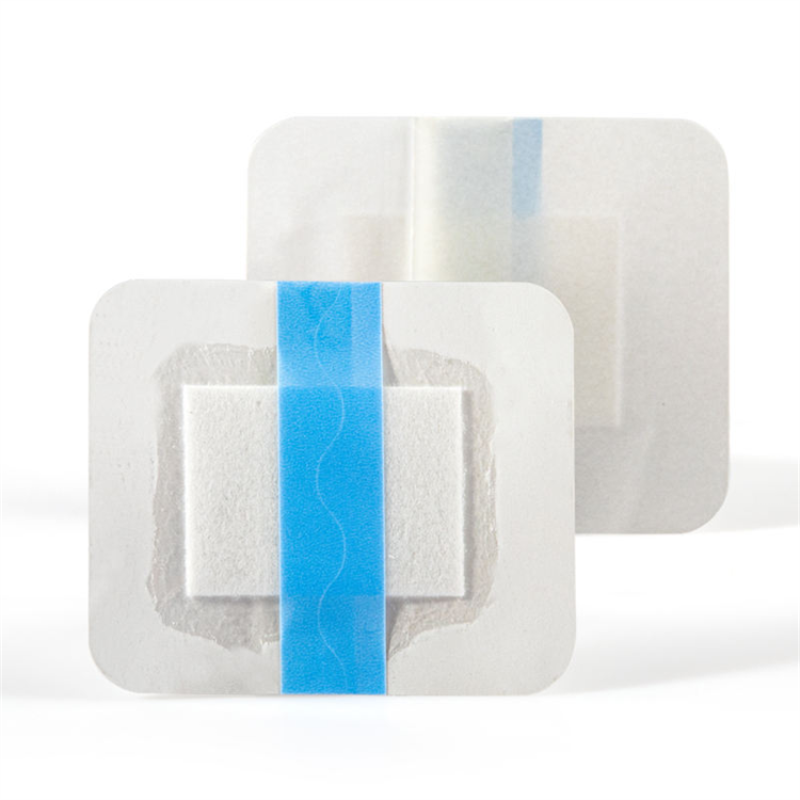
Transparent hydrocolloid dressings offer superior wound healing, enhanced patient comfort, and reduced infection risks compared to traditional gauze or bandage dressings. Their ability to maintain a moist healing environment while allowing visual monitoring sets them apart in clinical and home care settings.
Gauze and cotton bandages tend to absorb wound exudate but can dry out the wound, potentially delaying healing. Frequent dressing changes are necessary, increasing the risk of contamination and patient discomfort.
These dressings maintain a controlled moist environment, which accelerates epithelial cell migration and tissue repair. Patients experience fewer dressing changes, reducing exposure to pathogens and minimizing pain during removal.
Open or permeable dressings can allow bacteria to enter the wound site, raising infection risk. Studies show that gauze dressings may require daily changes to prevent microbial colonization.
The semi-occlusive nature of hydrocolloid dressings acts as a barrier against bacteria while allowing gaseous exchange. This decreases infection rates and protects delicate wounds such as burns, ulcers, or surgical sites.
Rigid gauze or adhesive bandages can cause skin irritation, especially during repeated changes. Limited flexibility may restrict patient movement, and uneven adhesion can compromise wound coverage.
Hydrocolloid dressings conform to body contours, providing comfortable, long-lasting adhesion. Patients can maintain normal activity, and gentle removal reduces trauma to surrounding skin.
Opaque dressings prevent visual monitoring, requiring frequent removal to assess healing. This can disrupt the wound environment and prolong recovery.
The transparent layer allows clinicians and patients to observe wound progress without removing the dressing. This feature supports timely interventions and minimizes unnecessary disruptions.
Although initial material cost is lower, frequent changes and higher infection risk may increase overall treatment costs. Daily dressing replacement adds labor and consumable expenses.
Despite higher unit cost, reduced frequency of changes (every 3–7 days) and decreased infection rates can lower total treatment costs. The long-term benefit includes faster healing and reduced hospital stay duration.
| Feature | Traditional Dressing | Transparent Hydrocolloid Dressing |
|---|---|---|
| Healing Environment | Dry, frequent changes required | Moist, controlled, promotes faster healing |
| Infection Risk | Higher, more exposure | Lower, semi-occlusive barrier |
| Patient Comfort | Moderate, risk of skin irritation | High, conforms to wound and body |
| Monitoring | Requires removal | Visible through transparent layer |
| Cost-Effectiveness | Lower initial, higher overall | Higher initial, lower total |
Medical transparent hydrocolloid dressings outperform traditional dressings in healing efficiency, patient comfort, infection prevention, and monitoring. Their adoption in clinical and home care is a practical solution for modern wound management, ensuring faster recovery and improved patient outcomes.
contact us
Don't hesitate to contact when you need us!

Contact Information
NO.3 Jinshui Road, Xiwu Street, Fenghua District, Ningbo, ZheJiang, China.
+86-18158557875





 English
 中文简体
中文简体
 русский
 Español