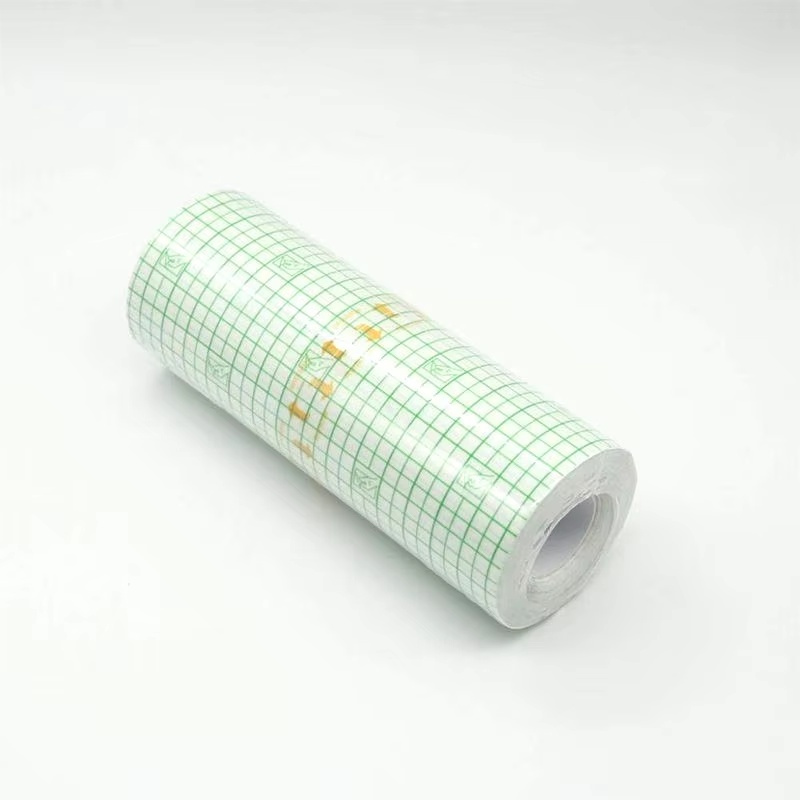
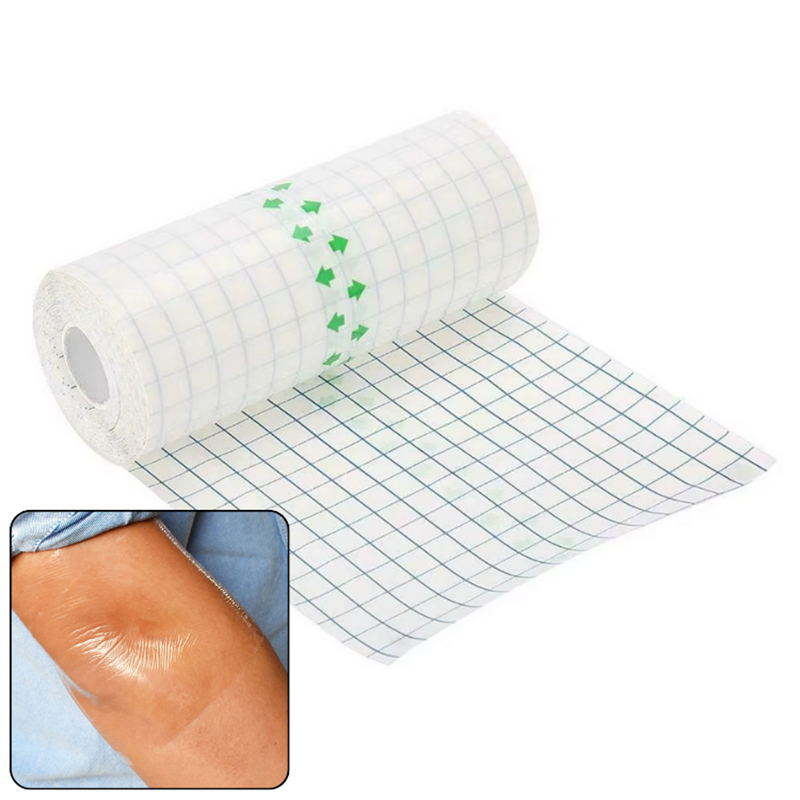
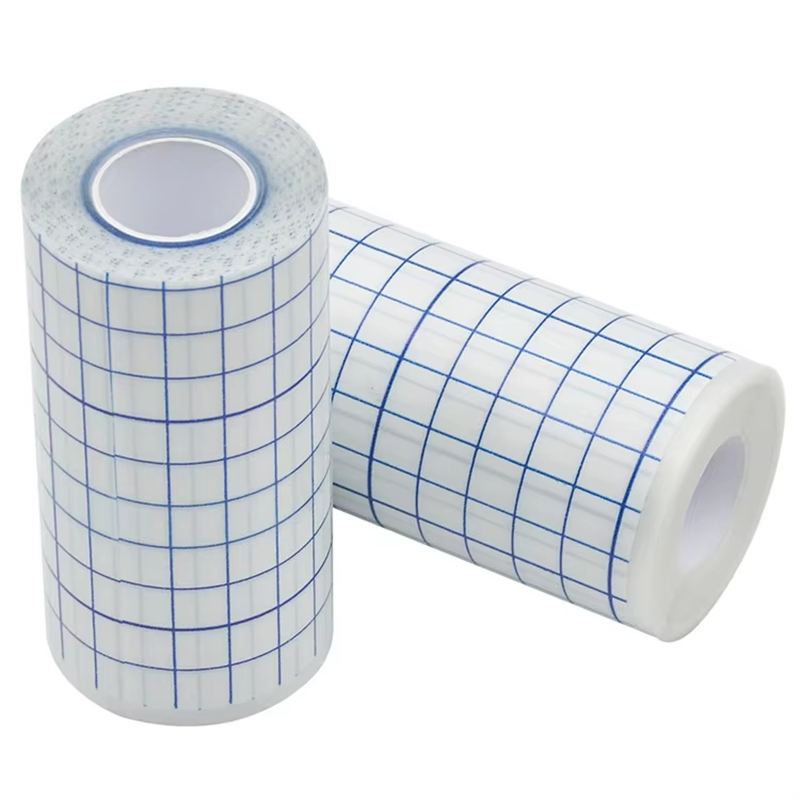
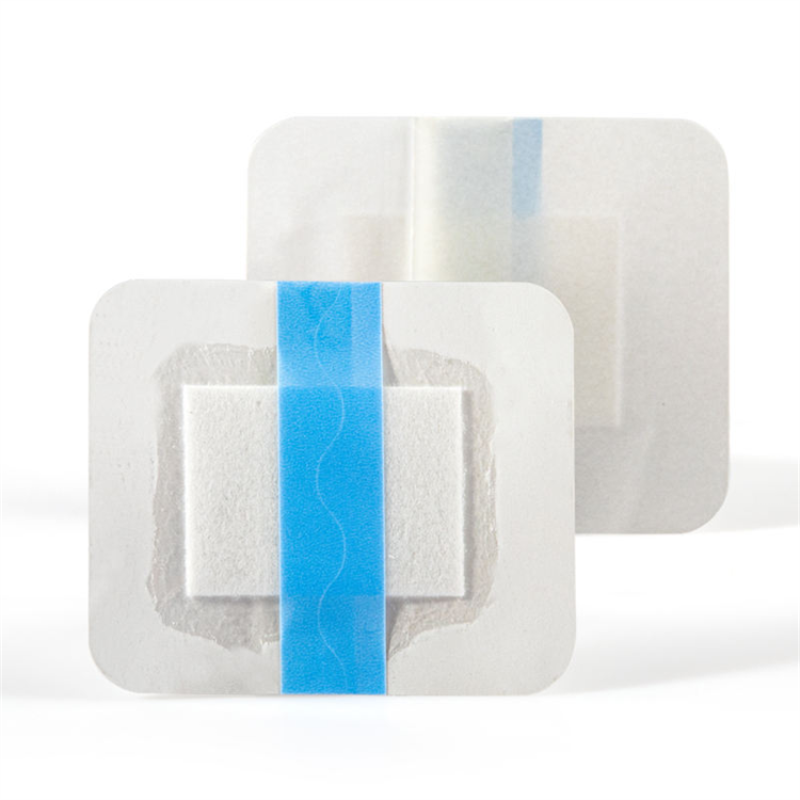
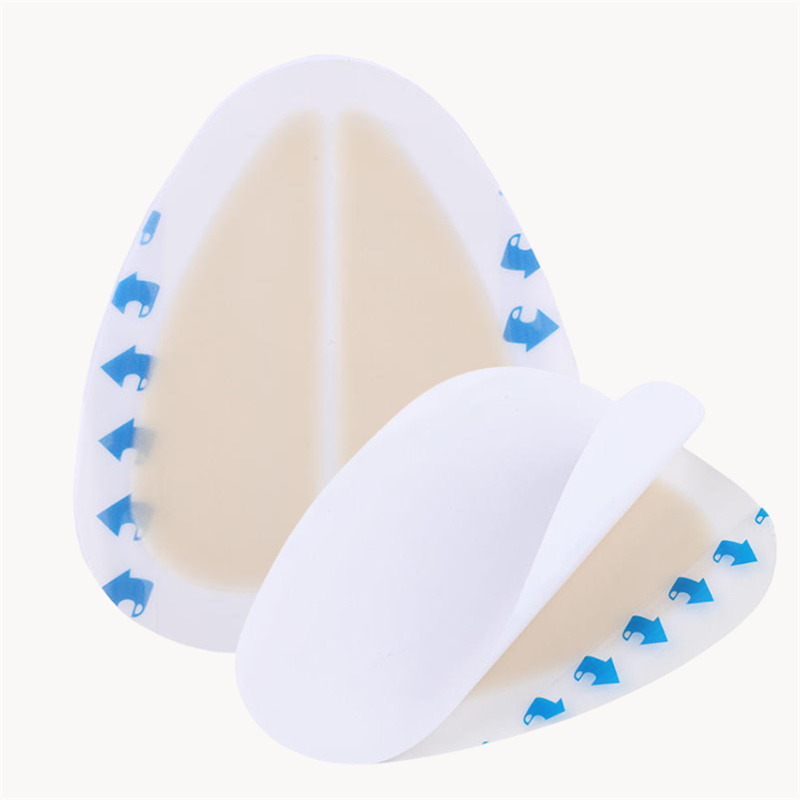
PU dressing roll materials are widely used in hospitals, clinics, emergency care environments, and home healthcare because they provide flexible wound protection while maintaining breathability and moisture balance. These dressings are designed to create a protective barrier against external contaminants while supporting comfortable long-term wear. Modern polyurethane dressing rolls help reduce infection risk, improve dressing stability, and support a controlled healing environment for various wound types.
Compared with traditional gauze-based solutions, PU dressing rolls offer better transparency, stronger flexibility, and improved moisture vapor transmission. Their thin-film structure allows clinicians and caregivers to monitor the skin or wound condition without frequent removal, reducing unnecessary disruption during recovery.
The growing emphasis on infection prevention, patient comfort, and efficient wound management has increased demand for advanced dressing materials. PU dressing roll products are now commonly selected for post-surgical care, catheter fixation, superficial wounds, pressure-prone skin areas, and waterproof medical protection.
PU dressing rolls are typically made from polyurethane film combined with medical-grade adhesive layers and release liners. Each layer serves a specific functional purpose related to protection, adhesion, comfort, and moisture control.
The polyurethane film acts as the primary protective barrier. It is designed to be thin, flexible, waterproof, and breathable. This structure helps shield wounds from bacteria, fluids, and environmental contaminants while still allowing oxygen and moisture vapor exchange.
Many PU films are transparent, enabling healthcare providers to inspect wound conditions without removing the dressing repeatedly.
The adhesive layer secures the dressing to the skin while minimizing irritation. Acrylic-based medical adhesives are commonly used because they balance adhesion strength with skin compatibility.
High-quality adhesive formulations maintain reliable fixation even during movement or mild moisture exposure.
Release liners protect the adhesive before use and help simplify application procedures. Split backing structures are commonly used because they improve positioning accuracy during dressing placement.
| Component | Primary Function | Key Benefit |
|---|---|---|
| PU Film | Barrier protection | Waterproof and breathable |
| Medical Adhesive | Skin fixation | Stable attachment |
| Release Liner | Application support | Improved handling |
The popularity of PU dressing roll materials comes from their ability to combine flexibility, protection, and patient comfort in a single product.
Maintaining balanced wound moisture is important for tissue repair. Excess moisture can increase skin maceration risk, while overly dry conditions may slow healing.
PU dressing rolls are engineered with moisture vapor transmission properties that allow excess humidity to escape while maintaining protective coverage.
Waterproof functionality allows patients to shower or perform daily activities with reduced concern about moisture contamination. This feature improves convenience and may help reduce unnecessary dressing changes.
Flexible PU films adapt well to body movement and uneven surfaces. Areas such as elbows, knees, shoulders, and ankles benefit from dressings that remain secure during bending and stretching.
Flexible wound dressings can significantly improve patient comfort and reduce edge lifting during movement-intensive activities.
Transparency allows clinicians to observe skin condition, drainage patterns, or irritation without removing the dressing. Reduced dressing disturbance may help preserve the wound healing environment.
PU dressing roll products are used across a wide range of healthcare applications because they combine versatility with efficient protection.
After surgical procedures, maintaining a clean wound environment is essential. PU dressing rolls help shield incision areas from contaminants while allowing visual monitoring.
Transparent fixation dressings are commonly used to secure intravenous catheters and medical tubing. Visibility around insertion sites helps clinicians monitor for redness or irritation.
Minor cuts, abrasions, and superficial wounds may benefit from breathable waterproof protection that minimizes friction and environmental exposure.
Protective PU films are sometimes applied to vulnerable skin areas exposed to repeated friction or pressure. Thin-film protection may help reduce skin irritation in high-contact regions.
| Application Area | Purpose | Benefit |
|---|---|---|
| Surgical Incisions | Protect healing tissue | Reduced contamination risk |
| IV Catheter Sites | Secure tubing | Visible insertion monitoring |
| Minor Wounds | Surface protection | Breathable healing environment |
| Pressure Areas | Skin protection | Reduced friction damage |
Performance consistency is important in medical dressing production because wound protection directly affects patient safety and treatment outcomes.
Adhesives must provide stable fixation without causing unnecessary skin trauma during removal. Excessively aggressive adhesion can damage fragile skin, especially in elderly or sensitive patients.
Moisture vapor transmission rate testing helps determine how effectively a dressing manages humidity exchange. Balanced transmission rates help support healthier wound environments.
Quality PU dressing rolls should resist penetration from water, bacteria, and external contaminants while maintaining structural integrity during use.
Biocompatibility evaluation is important for products intended for prolonged skin contact. Manufacturers often perform irritation and sensitization testing to assess safety performance.
Skin-friendly adhesive systems are especially important for patients requiring repeated dressing changes or extended wear durations.
Traditional gauze-based dressings remain widely used, but PU dressing roll materials offer several functional advantages in specific clinical scenarios.
Traditional dressings often require removal for wound inspection. Transparent PU films allow observation without disturbing the wound site.
Conventional cotton-based dressings absorb water quickly, increasing replacement frequency. PU films maintain water resistance while preserving adhesion.
Thin polyurethane films conform more easily to moving body surfaces than thicker dressing materials. Improved flexibility can help reduce dressing edge lifting.
| Feature | PU Dressing Roll | Traditional Gauze |
|---|---|---|
| Transparency | High | Low |
| Water Resistance | Strong | Limited |
| Flexibility | High | Moderate |
| Moisture Control | Balanced | Variable |
Advancements in coating technology, film processing, and adhesive chemistry continue to improve the performance of medical dressing materials.
Modern manufacturing methods allow production of thinner films without sacrificing strength. Reduced thickness improves flexibility and patient comfort.
Precision coating systems improve adhesive uniformity and reduce inconsistencies across production batches. Uniform adhesive distribution helps stabilize dressing performance.
Manufacturers increasingly design dressing materials to withstand common sterilization methods while preserving transparency, flexibility, and adhesive function.
Roll-format dressings allow healthcare professionals to cut customized lengths for different applications. This improves material efficiency and reduces unnecessary waste.
Selecting appropriate dressing materials requires consideration of wound type, wear duration, patient skin condition, and environmental exposure.
Patients with fragile or sensitive skin may require gentler adhesive formulations to reduce irritation risk during dressing removal.
Longer wear applications demand reliable adhesion and moisture management. Dressing performance may vary depending on body location and patient activity level.
High-moisture environments may benefit from films with stronger moisture vapor transmission properties to reduce skin maceration risk.
Roll-based products allow flexible sizing for different wound shapes and medical device fixation needs. This adaptability supports more efficient inventory management in healthcare facilities.
The continued development of breathable polyurethane films, advanced adhesive systems, and flexible roll-based medical materials is helping healthcare providers achieve more efficient wound management while improving patient comfort and protection in a wide range of clinical environments.
contact us
Don't hesitate to contact when you need us!

Contact Information
NO.3 Jinshui Road, Xiwu Street, Fenghua District, Ningbo, ZheJiang, China.
+86-18158557875





 English
 中文简体
中文简体
 русский
 Español