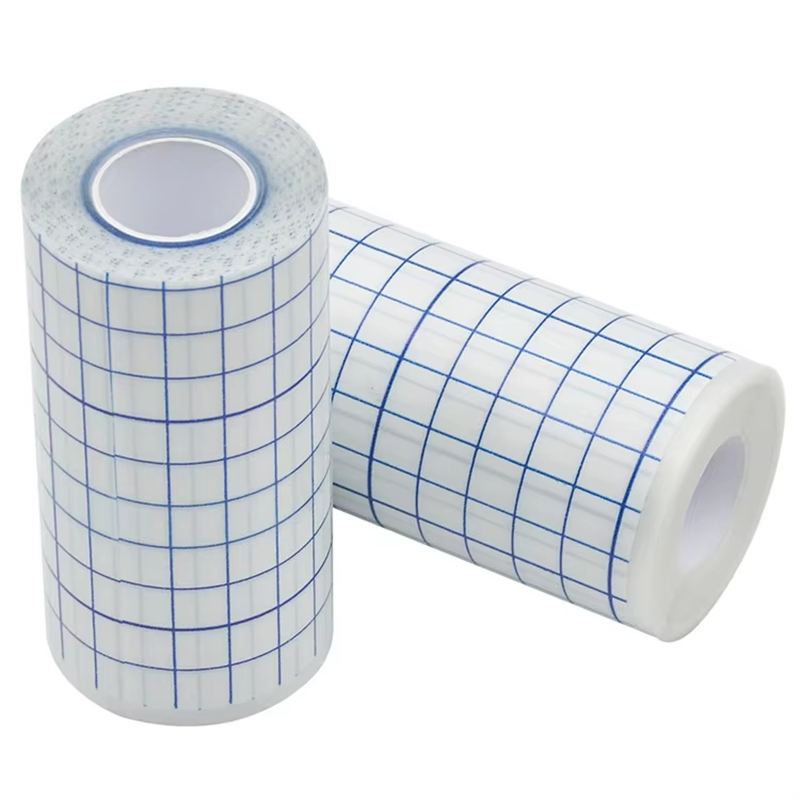
Three weeks after a kitchen burn has closed over, the scar is raised, pink and itchy, and the patient wants a straight answer: silicone sheet or silicone gel? For skin that is closed, dry and healed, a silicone gel dressing is the default first choice, and it works mainly by controlling water loss and mechanical tension over the scar rather than by releasing an active drug. That one distinction explains almost every practical rule that follows: why it must not sit on an open wound, why it needs 12 hours of contact or more per day, and why washing and reusing a sheet is normal practice rather than a compromise.
This guide covers what silicone gel dressings are made of, how they behave on skin, realistic wear schedules, the specifications worth pinning down, and the point at which silicone stops being the right answer and a hydrocolloid or alginate takes over. For the wider clinical background, this guide to silicone gel dressings in wound care goes deeper into the dressing family.
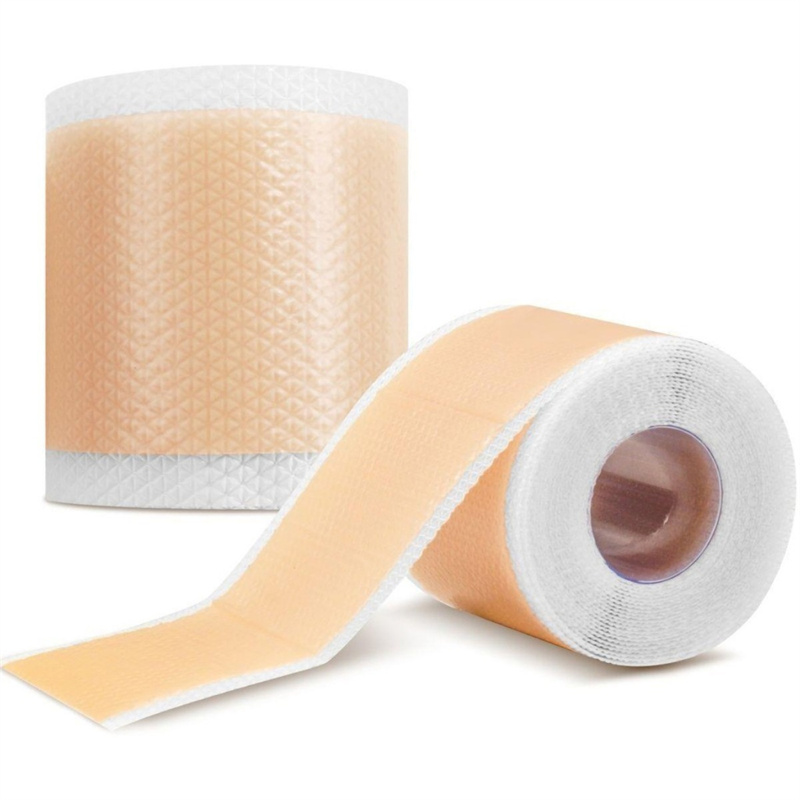
A silicone gel dressing is a cross-linked polydimethylsiloxane (PDMS) sheet, typically 0.3 mm to 1.0 mm thick, with a soft, rubber-like feel and no tack on the wound-facing side in most designs. Many products bond the gel layer to a thin backing membrane or film that keeps the sheet from tearing during handling and washing.
What it is not matters just as much. It does not absorb exudate, it carries no silver, honey or antibiotic, and it is not a contact layer for a wound that is still open and weeping. The word "dressing" misleads first-time buyers here: in scar care, most silicone sheeting is applied after epithelialisation, when the skin surface is intact. Applying it earlier traps moisture against broken skin and raises the risk of maceration and bacterial growth.
Reuse is designed in. A sheet is rinsed in lukewarm water with mild, fragrance-free soap, air dried, and re-applied once tack returns. Service life depends on thickness, body site and cleaning frequency; some hospital patient leaflets advise replacing a sheet after about a week, while many manufacturers state two to four weeks. Treat the shorter figure as the safe default for a high-movement site.
Three mechanisms are usually cited, and all three shape how the product should be used.
The practical consequence: consistency beats intensity. Twenty hours a day for eight weeks outperforms two hours a day for six months, and the same sheet worn intermittently rarely produces a visible change.
Skin needs a tolerance check before it is committed to long wear. The ramp below is a working schedule used in scar clinics and works well as a patient instruction sheet.
Once silicone is confirmed as the right material, the remaining decisions are thickness, tack and backing. Thinner sheets of 0.2 mm to 0.4 mm suit linear incisions, the face and joints, where profile and flexibility matter. Sheets of 0.5 mm to 1.0 mm suit raised or hypertrophic scars and areas under pressure, but their thicker edges lift sooner and demand better fixation.
Tack is a balance rather than a target. Higher peel adhesion keeps a sheet in place through showers and movement but risks stripping fragile peri-scar skin on removal; lower tack is kinder but needs secondary fixation. Buyers who specify peel adhesion, probe tack and moisture vapour transmission rate separately tend to avoid the complaints that come from a single "stickiness" value.
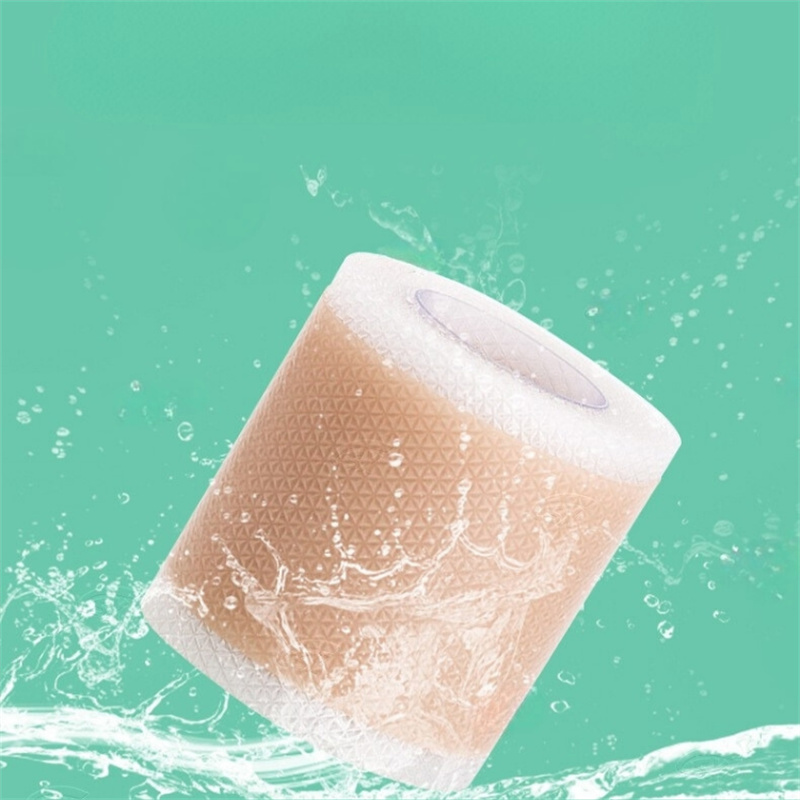 Medical Silicone Scar Patches and Customizable Reusable RollsSoft, self-adhesive silicone dressings and rolls designed for scar hydration, gentle adhesion, waterproof wear, and reusable care with customizable sizing.View Product →
Common failure modes are predictable: edge lift after two days usually means the skin was not fully dry or a cream was used underneath; overnight migration points to insufficient tack or the wrong sheet size; a shiny, weeping area under the sheet means it was applied too early on skin that had not fully healed.
The choice between formats follows the skin, not the scar type. Silicone sheeting manages closed, healed skin with no exudate. A hydrocolloid handles an open, lightly exuding wound and forms a gel on contact with fluid. An alginate covers heavy exudate but needs a secondary dressing. Getting this order wrong is the most expensive mistake in scar and wound care procurement, because the product is blamed for a selection error.
| Format | Skin state | Exudate | Typical wear | Reusable |
|---|---|---|---|---|
| Silicone gel sheet | Closed, healed, dry | None expected | 12-20 h per day, 8-12 weeks | Yes, washed daily |
| Liquid silicone gel | Closed, healed, dry | None | Once or twice daily, thin film | No |
| Hydrocolloid | Open, granulating | Low to moderate, absorbed into the gel | 3-7 days per sheet | No |
| Alginate | Open, moderate to heavy | High absorption, needs a cover | 1-3 days | No |
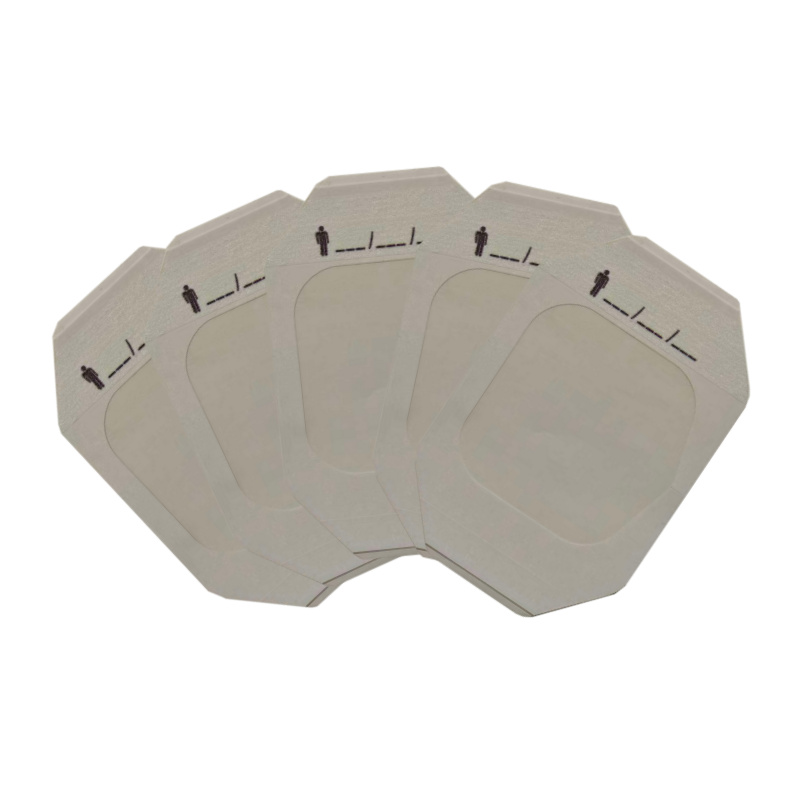
| Transparent film | Intact or nearly closed skin | None | 3-7 days | No |
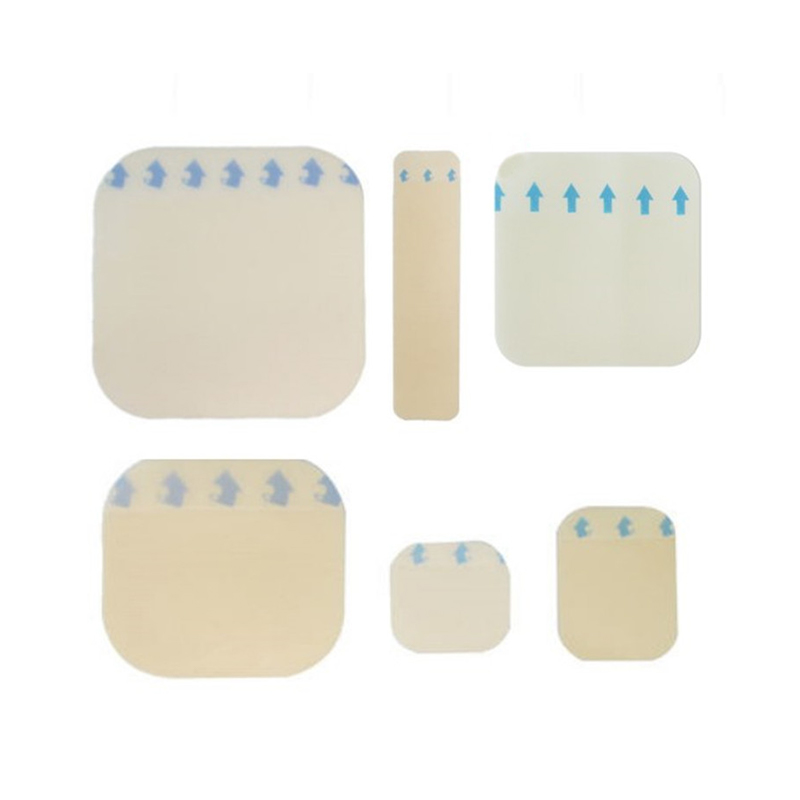
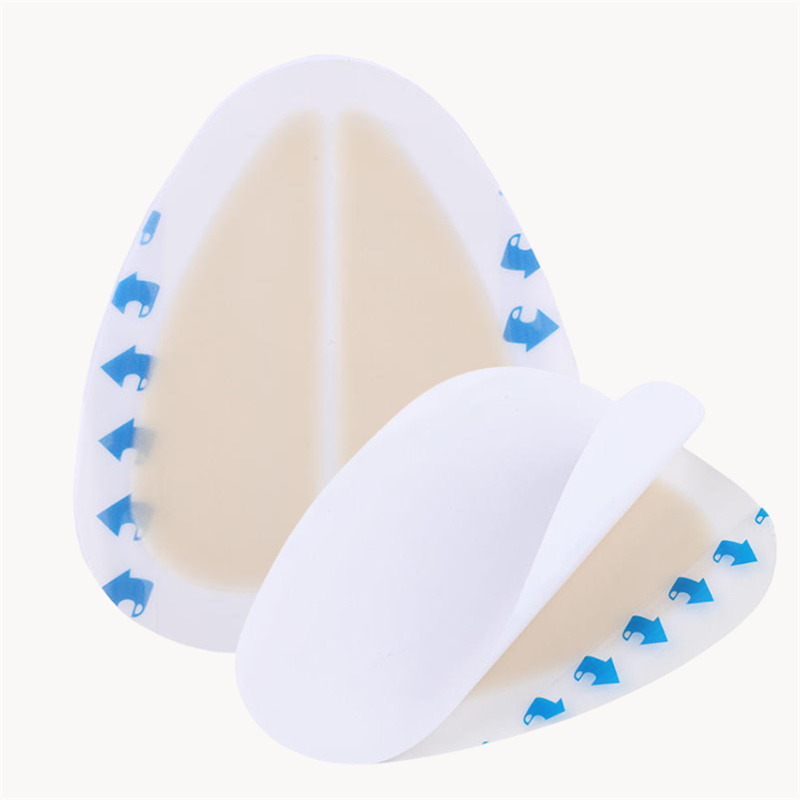
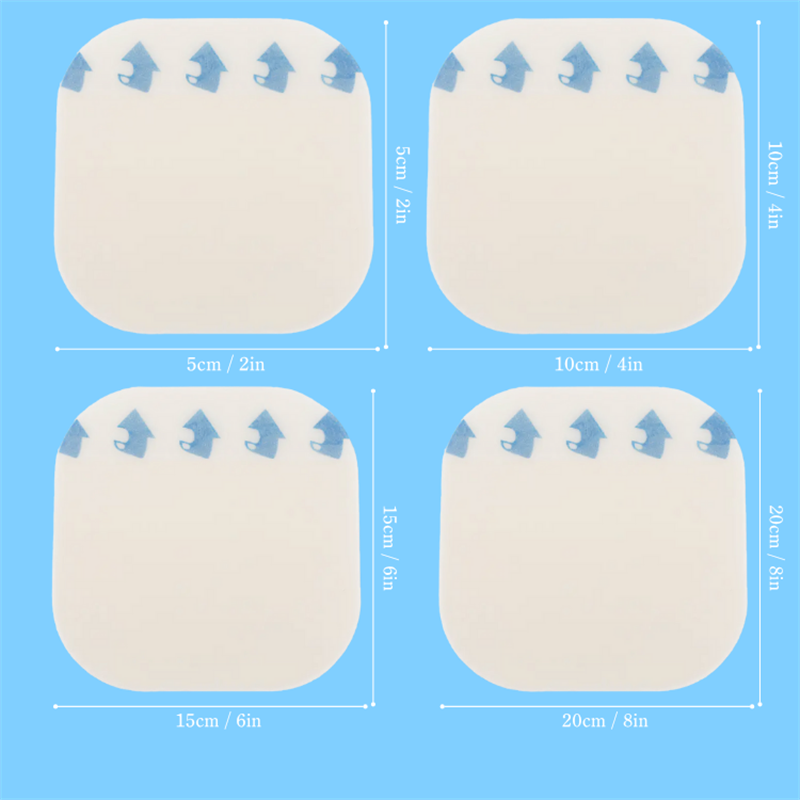 Ultra-Thin Borderless Hydrocolloid Dressing for Wound CareEdge-free, waterproof hydrocolloid dressing that absorbs exudate and adapts to irregular wounds; suitable for superficial and lightly exuding wound care.View Product →
In practice, a clinic or brand line often stocks both: silicone for the scar phase and a thin hydrocolloid for the earlier, still-closing phase.
For buyers, a silicone gel dressing specification should be narrow enough to test and wide enough to allow two suppliers to quote. Thickness with a tolerance band, peel adhesion, probe tack, moisture vapour transmission rate, backing film gauge, release liner type, sheet dimensions and edge finish all belong in the document, alongside biocompatibility, microbial limits, shelf life and packaging format.
Certification and process evidence carry real weight in this category, because the product contacts compromised or recently healed skin. A supplier working to ISO 13485, with CE or FDA registration, a controlled-environment production area and documented in-process inspection, will usually be able to support a customer audit without extra preparation. Suppliers that combine conversion and trade functions, such as a custom medical dressing manufacturer handling both OEM and ODM work, can also take on shape, colour, thickness, tack, absorbency and packaging changes.
Silicone gel dressings are a mature, well-understood category, and most failures come from selection or adherence rather than from the material itself. Confirm the skin is closed and dry, set a wear schedule the patient can actually keep, specify thickness and tack with tolerances, and reserve hydrocolloid or alginate for the exuding phase that comes earlier in the healing timeline.
contact us
Don't hesitate to contact when you need us!

Contact Information
NO.3 Jinshui Road, Xiwu Street, Fenghua District, Ningbo, ZheJiang, China.
+86-18158557875





 English
 中文简体
中文简体
 русский
 Español