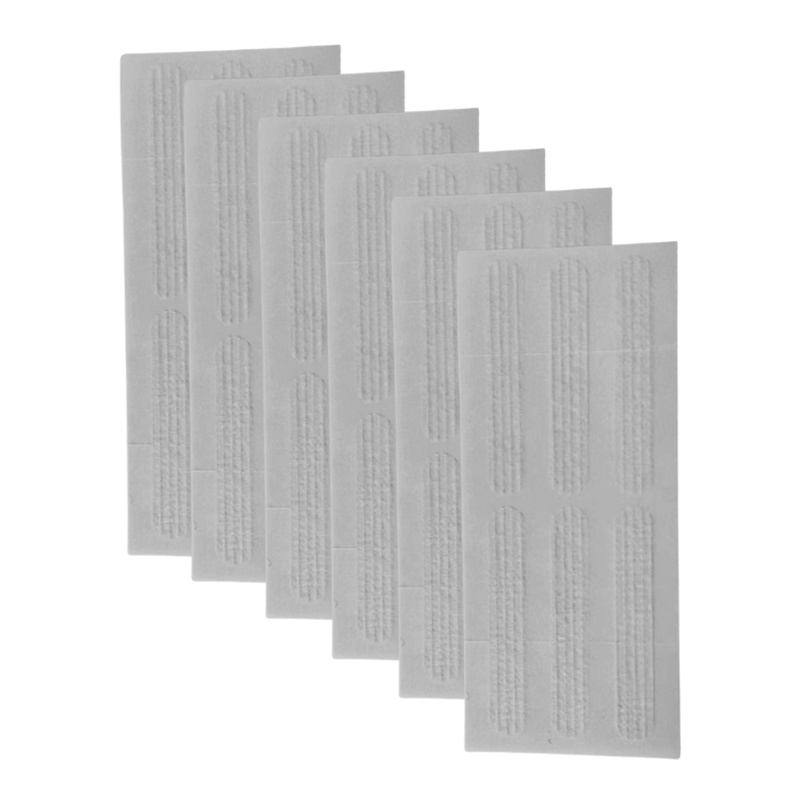
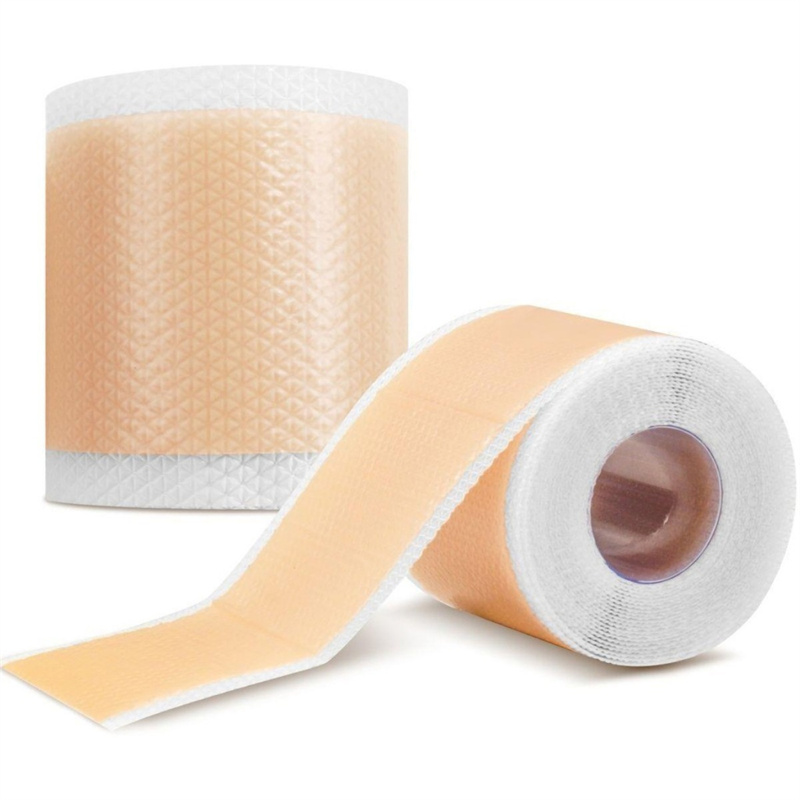
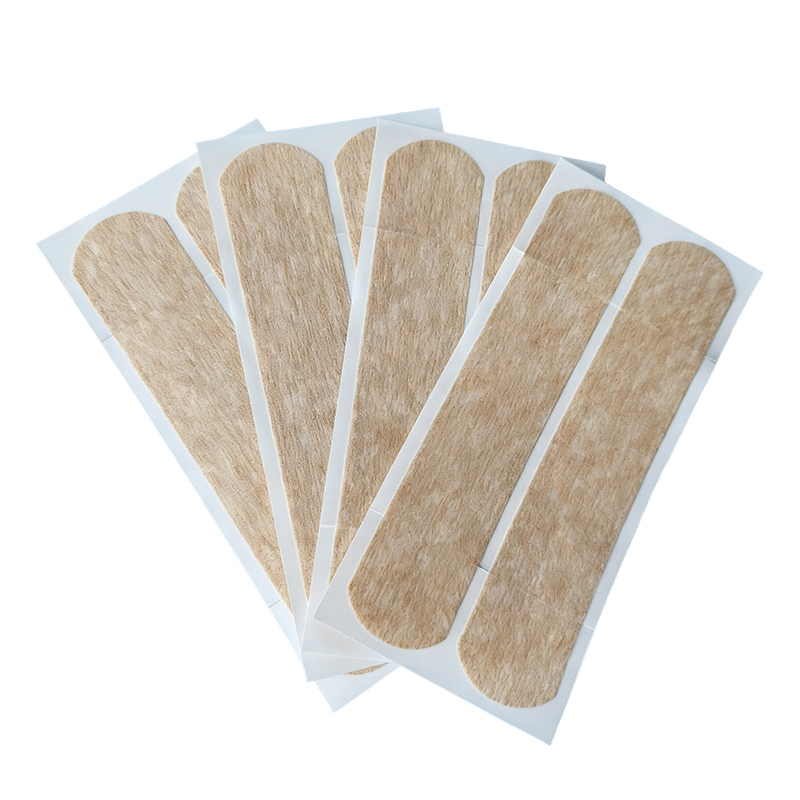
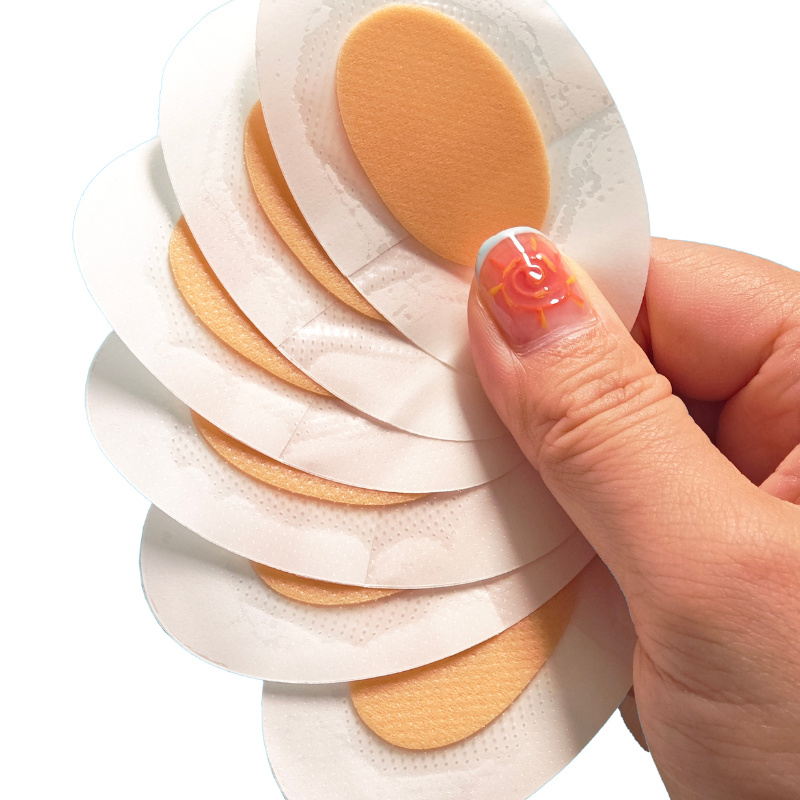
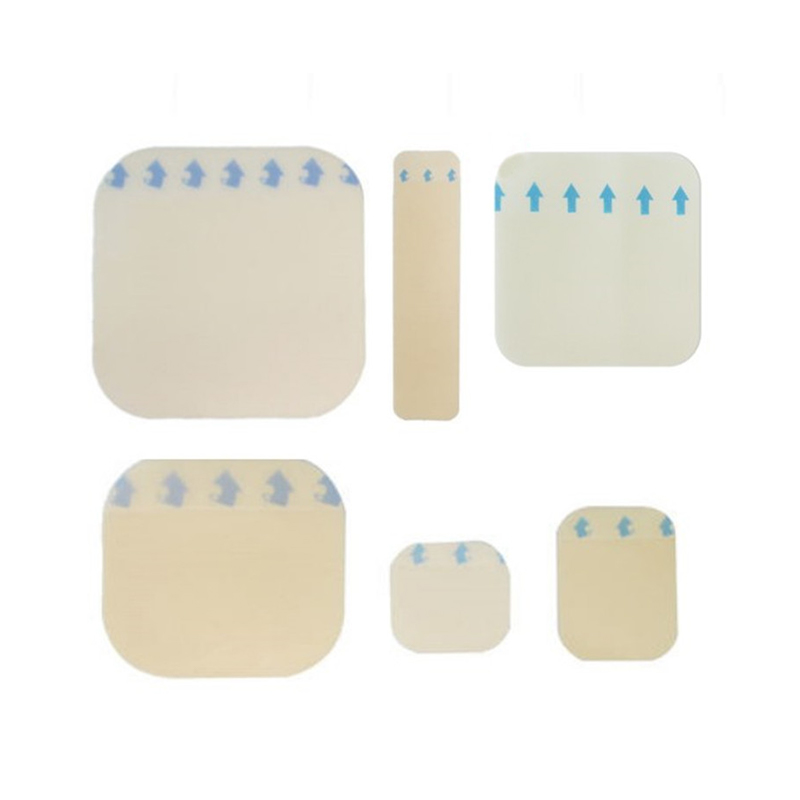
Medical wound closure tape provides a fast, non-invasive method to close minor wounds and surgical incisions. It minimizes the need for sutures or staples, reducing infection risk and improving cosmetic outcomes. This tape adheres securely, supports proper healing, and is designed for easy removal without damaging delicate skin.
Understanding the different types helps medical professionals select the right product for various wound types and patient needs.
These strips, often made of polyester or nylon, are applied across wound edges to promote healing. They are particularly effective for superficial lacerations or post-surgical incisions.
Elastic tapes conform to joint areas or irregular skin surfaces, maintaining closure even when the skin moves. These tapes reduce tension at wound edges and support faster healing.
Transparent tapes allow continuous wound observation without removal. They are waterproof and breathable, minimizing infection risk and skin maceration.
Medical wound closure tape offers multiple clinical benefits compared to traditional sutures and staples.
Tape application is minimally invasive, reducing puncture sites and lowering the risk of bacterial infection associated with sutures or staples.
By holding wound edges together gently and uniformly, the tape reduces scarring and improves aesthetic outcomes over time.
Unlike staples or sutures, medical tape is removed without puncturing the skin, providing a painless patient experience during dressing changes.
Proper application is essential to achieve optimal healing and avoid complications.
Clean the wound with antiseptic solution and dry surrounding skin. Ensure the skin is free from oils and moisture for maximum tape adhesion.
Apply tape across wound edges without stretching excessively. Excess tension can cause skin irritation or compromise circulation.
Inspect the wound regularly. Replace the tape if it becomes wet, soiled, or loose. Consistent monitoring ensures faster healing and prevents infection.
The choice of material impacts both patient comfort and wound healing efficiency.
Materials like porous fabric or nylon allow oxygen flow while preventing fluid accumulation. This promotes faster tissue regeneration.
Medical-grade adhesives reduce allergic reactions. Using hypoallergenic tape is critical for sensitive skin or pediatric patients.
Elastic tapes conform to joints and dynamic skin areas. They maintain closure even with movement, reducing dehiscence risk.
Tape-based wound closure offers practical advantages in both clinical and home care settings.
Medical wound closure tape is a reliable, patient-friendly solution for managing minor wounds and surgical incisions. Its versatility, ease of use, and favorable clinical outcomes make it an indispensable tool in modern healthcare, providing faster healing, reduced scarring, and enhanced patient comfort.
contact us
Don't hesitate to contact when you need us!

Contact Information
NO.3 Jinshui Road, Xiwu Street, Fenghua District, Ningbo, ZheJiang, China.
+86-18158557875





 English
 中文简体
中文简体
 русский
 Español