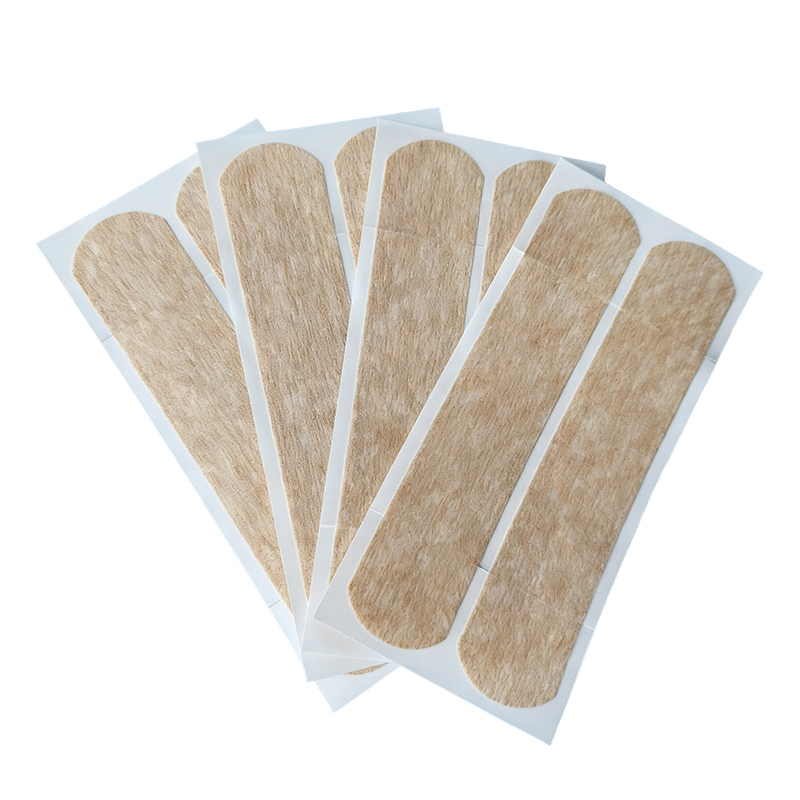
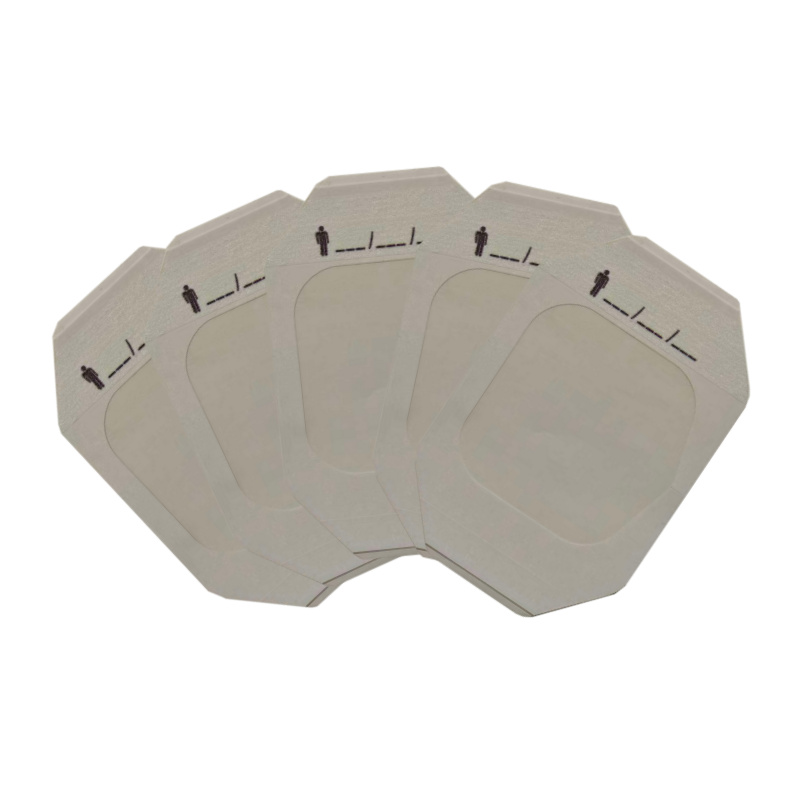
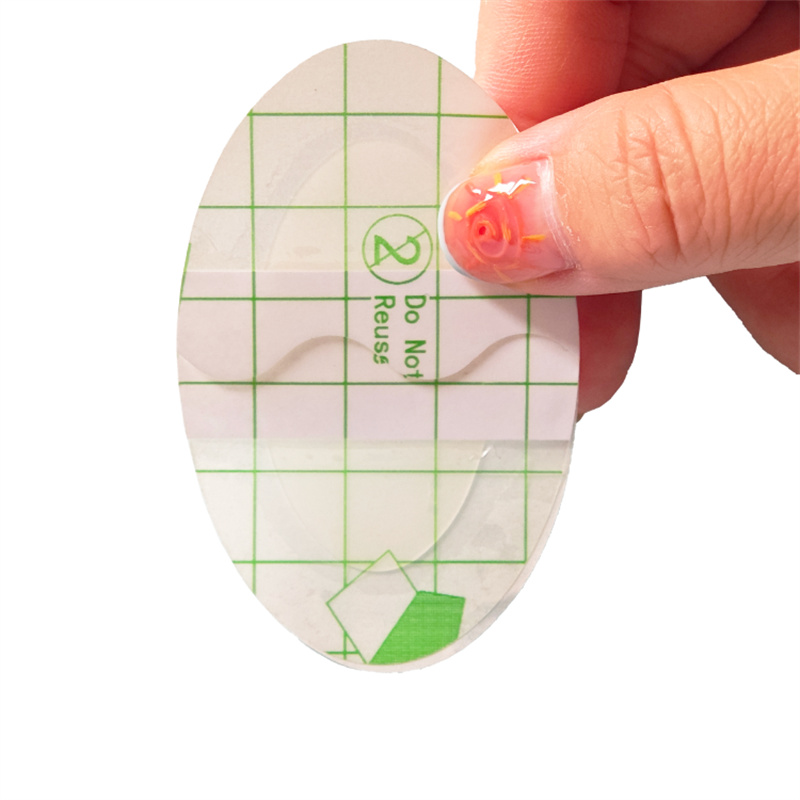
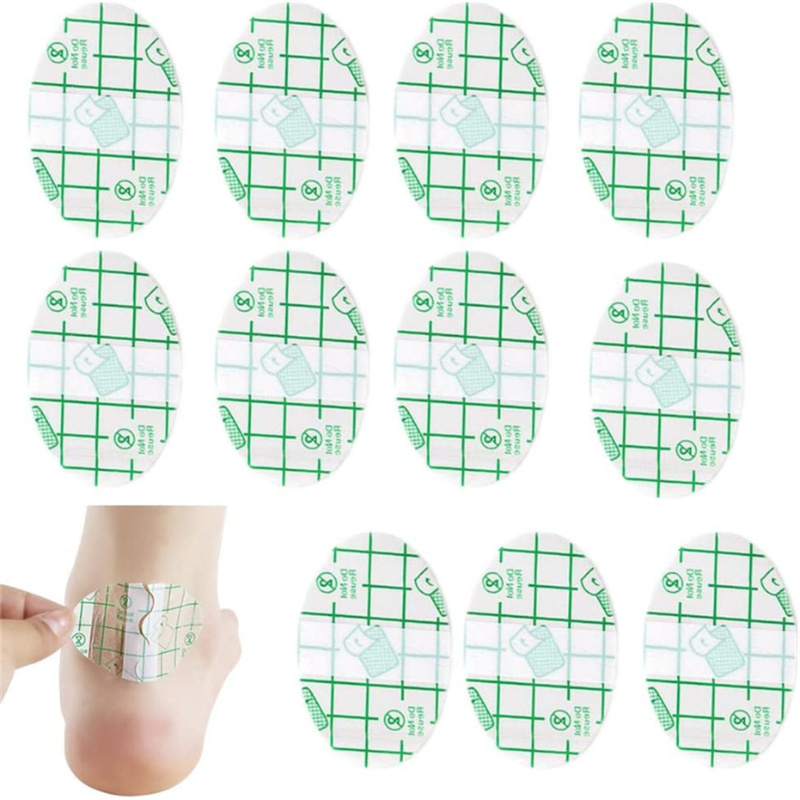
Yes, hydrocolloid dressings are generally safe and effective on minor open wounds — such as blisters, small abrasions, superficial cuts, and popped pimples — because they create a moist healing environment that has been shown to speed epithelial repair compared to leaving a wound uncovered. However, hydrocolloid patches are not appropriate for deep wounds, infected wounds, wounds with heavy drainage, or wounds showing signs of tissue death, since the dressing's occlusive, opaque surface can trap bacteria and delay detection of a worsening infection.
This guide explains how hydrocolloid dressings work, which types of open wounds they're suited for, and when you should choose a different dressing or see a healthcare provider instead.
A hydrocolloid dressing is made from a gel-forming material — typically sodium carboxymethylcellulose, gelatin, or pectin — bonded to a flexible, waterproof outer film. When the dressing contacts wound exudate (fluid from the wound), the gel-forming particles absorb moisture and swell into a soft gel, which keeps the wound bed moist while forming a protective barrier against outside bacteria and water.
Research on wound care has consistently shown that moist wound environments heal faster than dry ones, since new skin cells migrate more easily across a moist wound bed than across a dry scab. This is the core principle behind hydrocolloid dressings and why they are widely recommended for minor open wounds over simply exposing the area to air.
Because hydrocolloid dressings are occlusive and opaque, they are not suitable for every type of open wound. Avoid using one, or check with a healthcare provider first, in the following situations:
| Dressing Type | Best For | Change Frequency |
|---|---|---|
| Hydrocolloid Dressing | Minor blisters, abrasions, draining lesions | Every 3-7 days |
| Standard Adhesive Bandage | Very minor cuts and scrapes | Daily |
| Gauze and Tape | Larger wounds needing regular cleaning | Daily or as directed |
| Foam Dressing | Wounds with moderate to heavy drainage | Every 2-4 days |
Start by cleaning the wound gently with mild soap and water, then pat the surrounding skin completely dry, since hydrocolloid adhesive bonds poorly to damp skin. Select a patch size that extends at least 1 cm beyond the wound edges to maintain a secure seal, and press firmly around the perimeter for 30 seconds to activate the adhesive.
Leave the dressing in place for 3 to 7 days unless it lifts, leaks, or the wound worsens underneath. A cloudy, opaque bubble forming under the patch is normal and indicates the gel is absorbing fluid — this is not a sign of infection on its own, but a foul odor, spreading redness, or increasing pain warrants removing the dressing and seeking medical advice.
Seek medical attention if a wound covered with a hydrocolloid dressing shows increasing pain, spreading redness, red streaking, fever, or a foul-smelling discharge, as these can indicate infection requiring treatment beyond dressing care. Wounds that are deep, won't stop bleeding, or result from an animal bite or a puncture from a dirty object should be evaluated by a healthcare provider before any dressing is applied, since they may need cleaning, stitches, or a tetanus check that a hydrocolloid patch cannot substitute for.
contact us
Don't hesitate to contact when you need us!

Contact Information
NO.3 Jinshui Road, Xiwu Street, Fenghua District, Ningbo, ZheJiang, China.
+86-18158557875





 English
 中文简体
中文简体
 русский
 Español