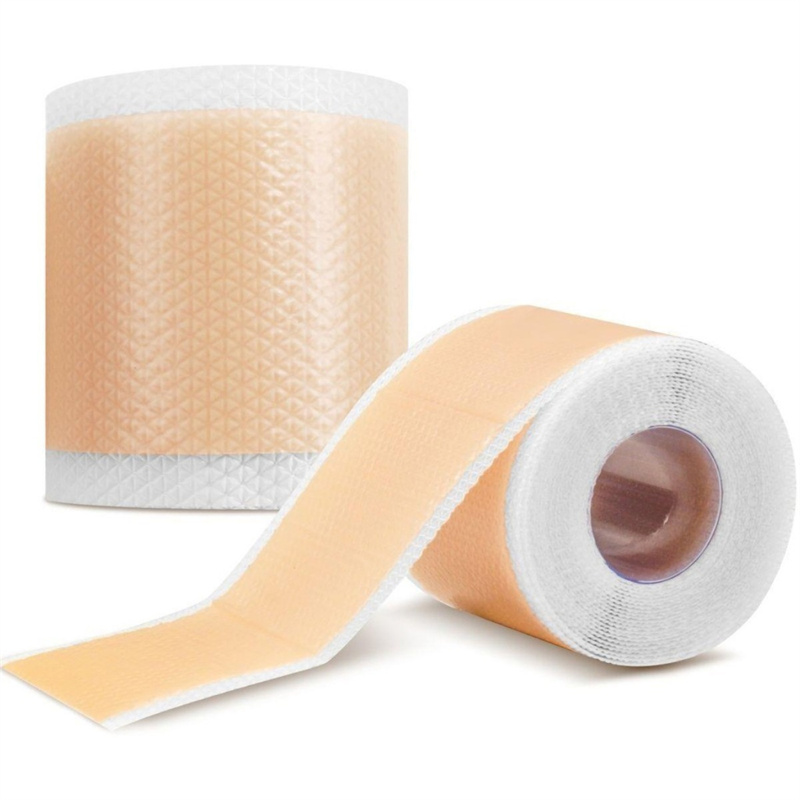
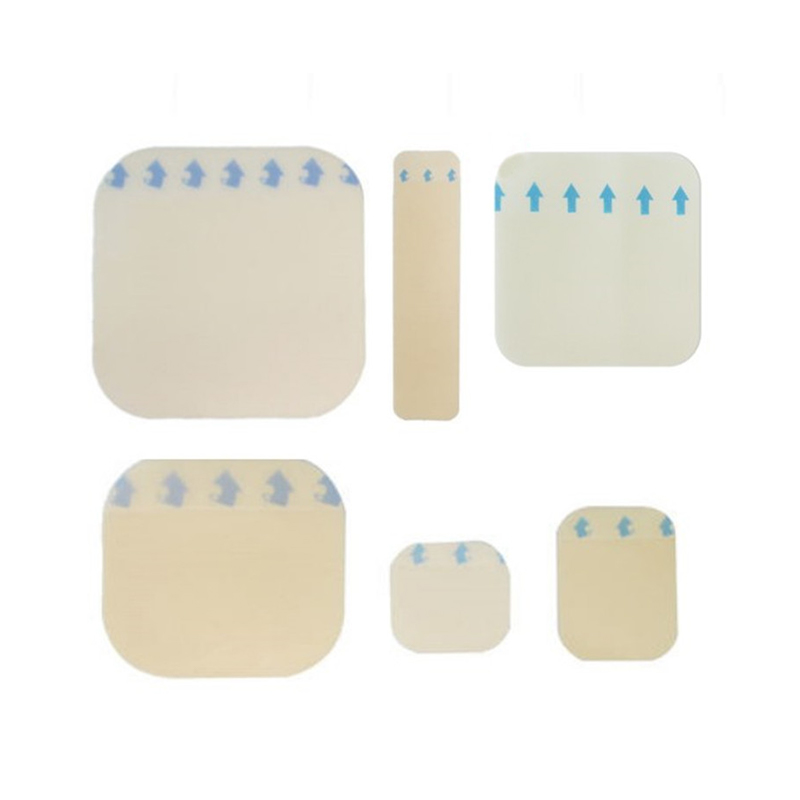
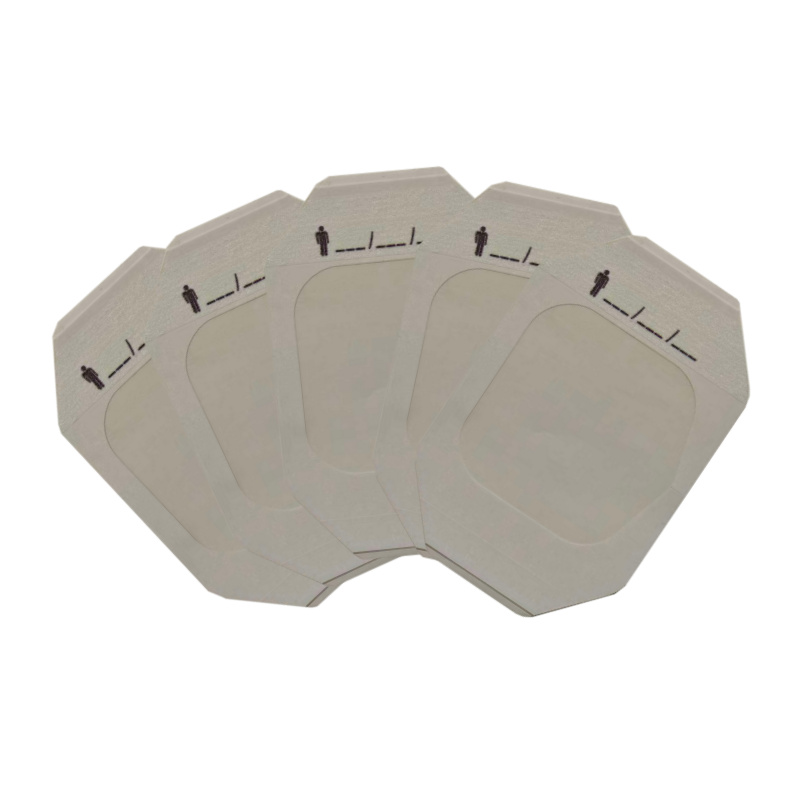
A medical nonwoven dressing is a wound covering made from spunlace nonwoven fabric — fibers bonded together by high-pressure water jets (hydroentanglement) rather than woven or knitted into a fabric structure. This construction gives nonwoven dressings a key clinical advantage over traditional woven gauze: minimal lint shedding, consistent absorbency across the whole pad, and a softer, more conformable feel against the wound bed. That combination is why nonwoven dressings have become the standard base material for surgical dressings, wound pads, sterile wipes, and adhesive island dressings across modern wound care.
The specific fiber blend and weight of the nonwoven fabric — not just the word "nonwoven" on the label — determine how a dressing actually performs on a wound, which is what the rest of this guide breaks down.
Most medical nonwoven dressings use spunlace fabric, produced through a specific manufacturing sequence: fibers are opened and loosened, then arranged into a web using carding and drafting machines, and finally bonded together by fine, high-pressure water jets that entangle the fibers into a cohesive cloth. No adhesive or thermal bonding chemicals are needed, which keeps the fabric soft and reduces the risk of skin irritation — an important factor for dressings that stay in contact with broken skin for extended periods.
Not all nonwoven dressing fabric is the same fiber composition. The blend directly affects absorbency, cost, and softness.
| Fiber Blend | Absorbency | Typical Use |
|---|---|---|
| 100% cotton spunlace | High, natural fiber | Wound dressings, sensitive skin contact |
| Viscose/polyester blend (70/30) | Moderate to high | General wound pads, wipes, swabs |
| Wood pulp-viscose blend | Very high, bulk absorption | High-exudate wound care, medical wipes |
| 100% polyester spunlace | Lower, quick-dry | Backing layers, non-absorbent components |
GSM (grams per square meter) measures the density and weight of the nonwoven fabric, and it directly affects both absorbency and strength. Medical-grade spunlace fabric is commonly produced in the 30-120 GSM range, with higher GSM fabrics holding more liquid and providing greater structural integrity. Documented testing on liquid-distribution layers used in wound dressings compared a 40 GSM spunlace fabric to a 70 GSM version of the same viscose/polyethylene blend — the heavier fabric provided a denser web with more fiber mass per unit area, which translates to more absorbent capacity for managing wound exudate.
Tensile strength also varies by direction in nonwoven fabric — one tested 40 GSM viscose/polyethylene spunlace showed a tensile force at break of 60 N in the machine direction versus just 17 N in the cross direction, illustrating that nonwoven fabric strength isn't uniform and needs to be engineered with the dressing's intended stress points in mind.
The core difference comes down to construction method and its downstream effects. Woven gauze is made by interlacing threads in a grid pattern, which can fray at cut edges and shed loose fibers ("lint") into the wound bed — a risk during dressing changes on open or granulating wounds. Nonwoven fabric's hydroentangled fiber structure produces a lint-minimized surface with more consistent absorbency across the pad, since the fiber distribution isn't dependent on a woven thread pattern that can loosen or shift.
Nonwoven dressings also tend to conform more softly to body contours and wound irregularities, which improves comfort for extended wear compared to the stiffer feel of traditional cotton gauze.
contact us
Don't hesitate to contact when you need us!

Contact Information
NO.3 Jinshui Road, Xiwu Street, Fenghua District, Ningbo, ZheJiang, China.
+86-18158557875





 English
 中文简体
中文简体
 русский
 Español