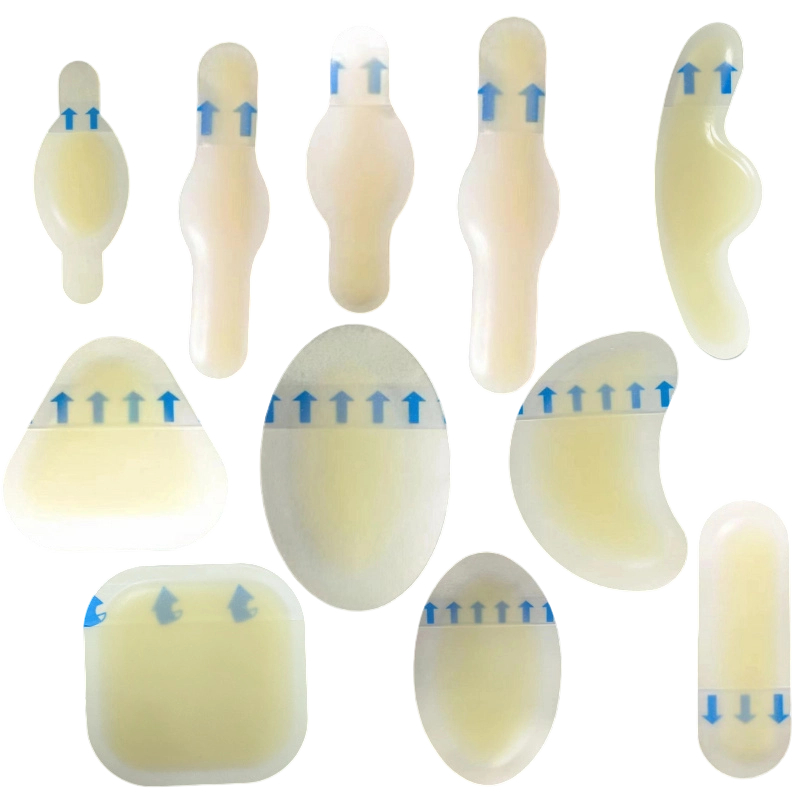
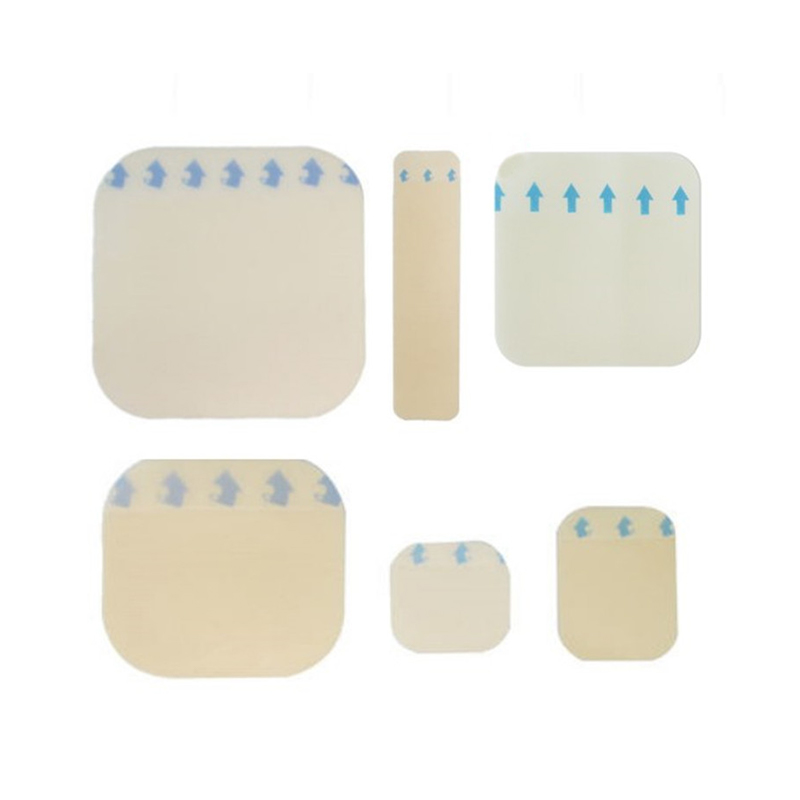
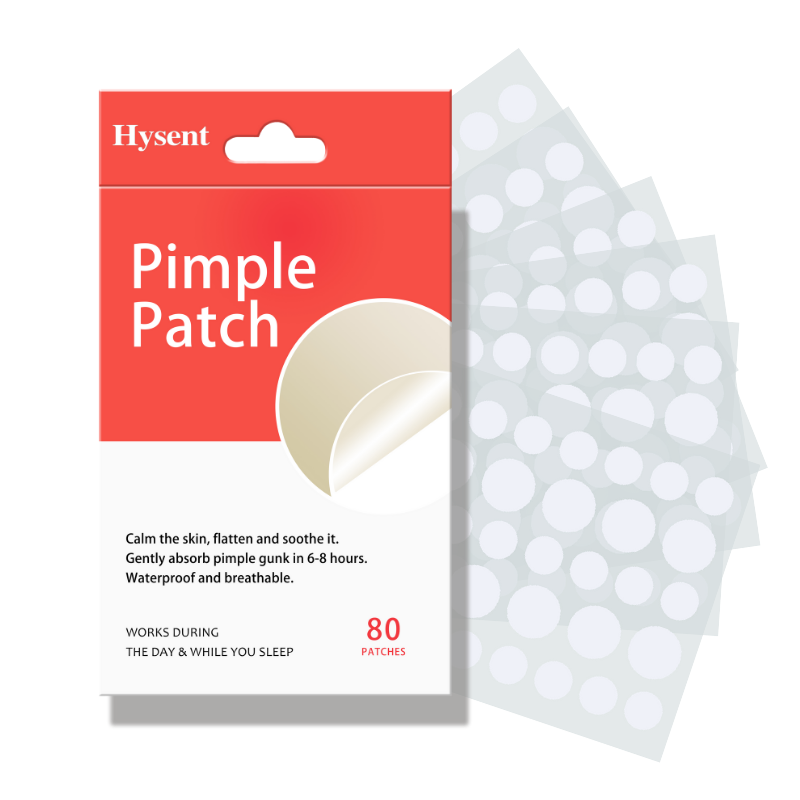
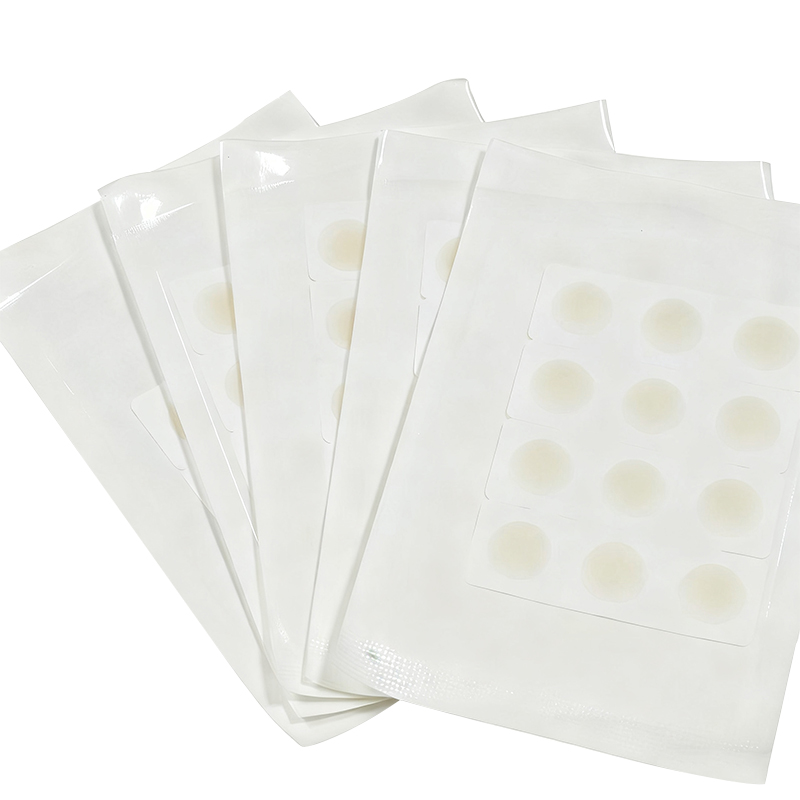
Research comparing moist wound care against traditional dry gauze has consistently found that wounds covered with a hydrocolloid dressing tend to close sooner and with less visible scarring than wounds left exposed to air or covered with a dry dressing that needs frequent changing. The mechanism behind this outcome is not the material acting as a medicine, since hydrocolloid dressings contain no active drug ingredient, but rather the sealed, moist environment the dressing creates, which allows the body's own repair cells to migrate across the wound bed more efficiently than they can when that surface dries out and forms a hard scab. This does not mean every wound benefits equally; superficial abrasions, blisters, and pressure-related skin breakdown generally respond well, while deep, heavily draining, or infected wounds usually require a different approach and closer clinical oversight.
For much of the twentieth century, common medical practice held that a wound healed properly only when it was kept dry and exposed to open air, on the assumption that moisture invited infection. Studies conducted from the 1960s onward, beginning with observations on how skin heals under an occlusive film, demonstrated that wounds covered in a way that kept the surface consistently moist actually formed new tissue at a quicker rate and with a smoother, less noticeable scar than wounds allowed to dry out. Keeping the wound bed moist also reduces the pain associated with changing a dressing, since a dry gauze pad tends to stick to newly forming tissue and tear it away during removal, while a moist wound surface releases the dressing without disturbing the fragile cells underneath.
Hydrocolloid dressings were developed specifically to create and sustain this kind of sealed, moist healing environment without requiring daily dressing changes, which distinguishes them from simple plastic film dressings that offer a moisture barrier but little in the way of fluid management.
As a wound produces natural fluid, known as exudate, the particles embedded in the inner layer of a hydrocolloid dressing absorb that fluid and swell into a soft, cohesive gel directly over the wound surface. This gel keeps the wound bed moist without allowing excess liquid to pool against the skin, which reduces the likelihood of the surrounding tissue becoming waterlogged or irritated. Because the gel forms gradually as fluid is absorbed, dressing removal tends to be considerably more comfortable than removing a dry gauze pad, since the gel layer separates cleanly from the wound rather than pulling at newly formed, fragile tissue underneath.
A hydrocolloid dressing has a defined absorption capacity, and on wounds producing a heavy volume of fluid, the gel can saturate the dressing faster than expected, sometimes causing leakage around the edges if it is not changed on schedule. For this reason, dressings are typically checked and replaced every few days rather than left in place indefinitely, with the exact interval depending on how much fluid a particular wound produces.
Above the gel-forming inner layer, a hydrocolloid dressing includes a flexible outer film that is permeable to water vapor but resistant to liquid water and airborne bacteria, allowing the dressing to breathe slightly while still blocking outside contaminants from reaching the wound. This outer barrier is part of why hydrocolloid dressings can typically stay in place through activities such as light bathing, without needing to be replaced simply because the skin around the wound got briefly wet. The barrier also helps maintain a stable temperature at the wound surface, since sudden cooling has been associated in wound healing research with a temporary slowdown in cellular repair activity.
The table below summarizes how a sealed, moist environment created by a hydrocolloid dressing generally compares with a traditional dry gauze approach across several practical factors relevant to everyday wound care.
| Factor | Hydrocolloid Dressing | Dry Gauze |
|---|---|---|
| Wound bed environment | Kept consistently moist | Dries out between changes |
| Dressing change frequency | Every few days, depending on exudate | Often daily or more frequently |
| Comfort during removal | Gel separates without sticking | Can adhere to healing tissue |
| Scarring appearance | Often less noticeable | Can be more pronounced |
Hydrocolloid dressings see everyday use on minor cuts and abrasions, friction blisters from footwear or sports activity, and areas of skin breakdown associated with prolonged pressure, such as early-stage pressure injuries in patients with limited mobility. They are also applied to certain post-procedure sites, including some minor surgical wounds and skin graft donor areas, where clinicians want to encourage a moist healing environment while minimizing how often the wound needs to be disturbed for a dressing change. In sports medicine settings, thinner hydrocolloid patches are sometimes used preventively on areas prone to blister formation, since the smooth outer surface reduces friction against footwear or equipment before skin breakdown even begins.
Hydrocolloid dressings are generally not recommended for wounds showing clear signs of infection, since the sealed, moist environment that supports healthy tissue repair can also create favorable conditions for bacterial growth if pathogens are already present. Deep wounds, wounds with significant tunneling, and burns beyond a minor, superficial level typically call for a dressing type suited to those specific needs, often under the guidance of a healthcare provider rather than a general-purpose adhesive dressing. Anyone managing a wound that shows increasing redness, warmth, swelling, or discharge with an unusual odor should have it evaluated rather than continuing routine dressing changes on their own.
contact us
Don't hesitate to contact when you need us!

Contact Information
NO.3 Jinshui Road, Xiwu Street, Fenghua District, Ningbo, ZheJiang, China.
+86-18158557875





 English
 中文简体
中文简体
 русский
 Español