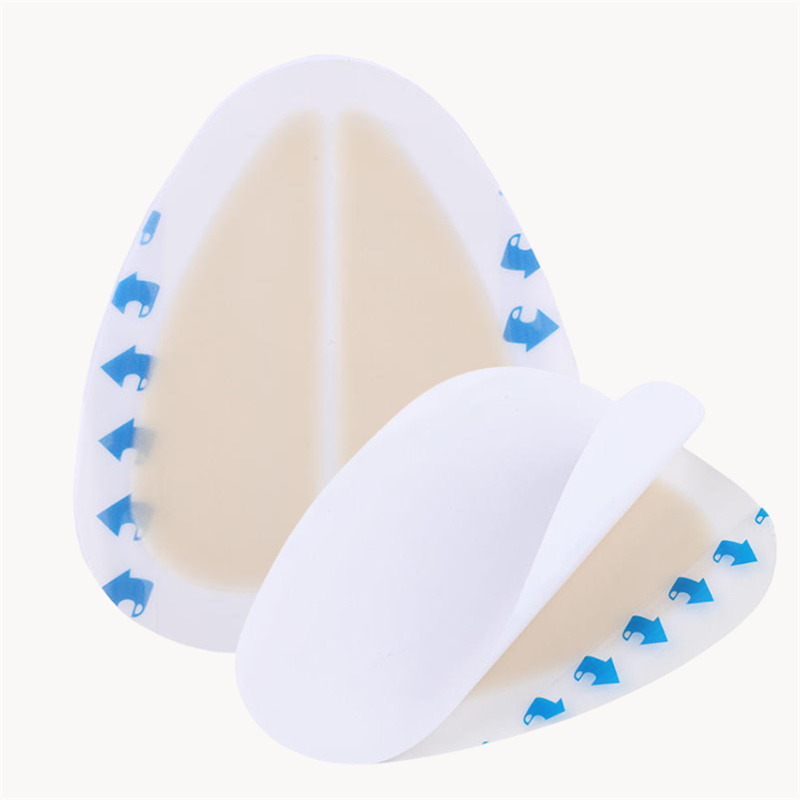
DuoDERM is a well known brand of hydrocolloid wound dressing used to protect and support the healing of a wide range of minor to moderate wounds, including pressure sores, leg ulcers, minor burns, skin tears, and post surgical incisions. It works by forming a moist, sealed environment over the wound that supports the body's own healing process while shielding the area from bacteria, friction, and outside moisture. This guide explains exactly what DuoDERM hydrocolloid dressing is used for, how it works, the different product variations available, and how to apply and change it correctly.
This article provides general educational information about DuoDERM hydrocolloid dressings and is not a substitute for professional medical advice. Wound care needs vary significantly from person to person, so any specific wound should be evaluated by a doctor, nurse, or wound care specialist before choosing or continuing a particular dressing.
DuoDERM is a hydrocolloid dressing manufactured by ConvaTec, widely used in hospitals, nursing homes, and home care settings for managing a variety of wounds. The dressing is made from a flexible, self adhesive material containing gel forming agents, most commonly carboxymethylcellulose, combined with an outer layer that is typically waterproof and bacteria resistant. When applied over a wound, the inner surface of the dressing interacts with wound fluid to form a soft gel, which helps maintain a moist healing environment directly over the wound bed.
The term hydrocolloid describes the core technology behind the dressing, referring to a class of wound care materials designed to absorb light to moderate amounts of wound drainage while keeping the wound surface moist rather than allowing it to dry out, a healing approach generally referred to as moist wound healing, which has become a standard principle in modern wound care.
For much of the twentieth century, conventional wisdom held that wounds healed best when kept dry and exposed to air. Research beginning in the nineteen sixties demonstrated that wounds actually heal faster and with less scarring when kept consistently moist, since a moist environment supports the migration of new skin cells across the wound bed, reduces pain associated with dressing changes, and helps prevent the formation of a hard scab that can slow the healing process. DuoDERM and other hydrocolloid dressings were developed specifically to create and maintain this kind of moist healing environment.
As a wound produces natural fluid, called exudate, the hydrocolloid particles within the dressing absorb that fluid and swell into a soft, cohesive gel. This gel keeps the wound bed moist without becoming overly wet, and it also makes dressing removal considerably more comfortable, since the gel prevents the dressing from sticking directly to new, fragile tissue the way a traditional dry gauze dressing often does.
The outer layer of a DuoDERM dressing is typically designed to be impermeable to water and external bacteria while still allowing some water vapor to pass through, a property often described as breathable. This barrier helps keep the wound protected from outside contamination and allows the wearer to bathe or shower without needing to remove the dressing in many cases, while still permitting a controlled amount of moisture vapor exchange with the surrounding air.
DuoDERM is approved and commonly used for a fairly broad range of wound types, generally falling into the category of minor to moderately exuding wounds that are not actively infected. The sections below cover the most common uses.
Pressure ulcers, also called bedsores or decubitus ulcers, develop when sustained pressure on the skin, often over bony areas like the heels, hips, or lower back, reduces blood flow to the tissue and causes it to break down. DuoDERM is frequently used for early stage pressure ulcers, providing cushioning against further friction and pressure while maintaining a moist environment that supports the healing of the affected skin.
Chronic leg ulcers caused by poor venous circulation or diabetes related complications are another common application for hydrocolloid dressings. DuoDERM can help manage light to moderate drainage from these wounds while protecting the surrounding skin, though these wounds often require a broader treatment plan under medical supervision, including addressing the underlying circulatory or metabolic issue driving the ulcer.
Superficial and shallow partial thickness burns are sometimes managed with hydrocolloid dressings once the initial cooling and cleaning of the burn has taken place, since the moist barrier can help reduce pain and support the healing of the damaged skin layer. Deeper or more extensive burns typically require specialized burn care and would not be appropriate for a standard hydrocolloid dressing alone.
Skin tears, common among older adults with thinner, more fragile skin, and minor abrasions from falls or scrapes are frequently treated with DuoDERM, particularly because the gentle, non adherent healing surface reduces the risk of further damaging fragile skin during dressing changes compared to adhesive tape based dressings.
Some surgical incisions, particularly those healing without complication and producing only light drainage, are managed with hydrocolloid dressings during the recovery period, offering a protective, waterproof barrier that can remain in place for several days at a time, reducing the frequency of dressing changes needed compared to some traditional dressing types.
In some surgical settings, DuoDERM is used over donor sites, meaning the area of skin from which a graft was taken, since the moist healing environment can support faster re epithelialization of these typically shallow but sometimes painful wound areas.
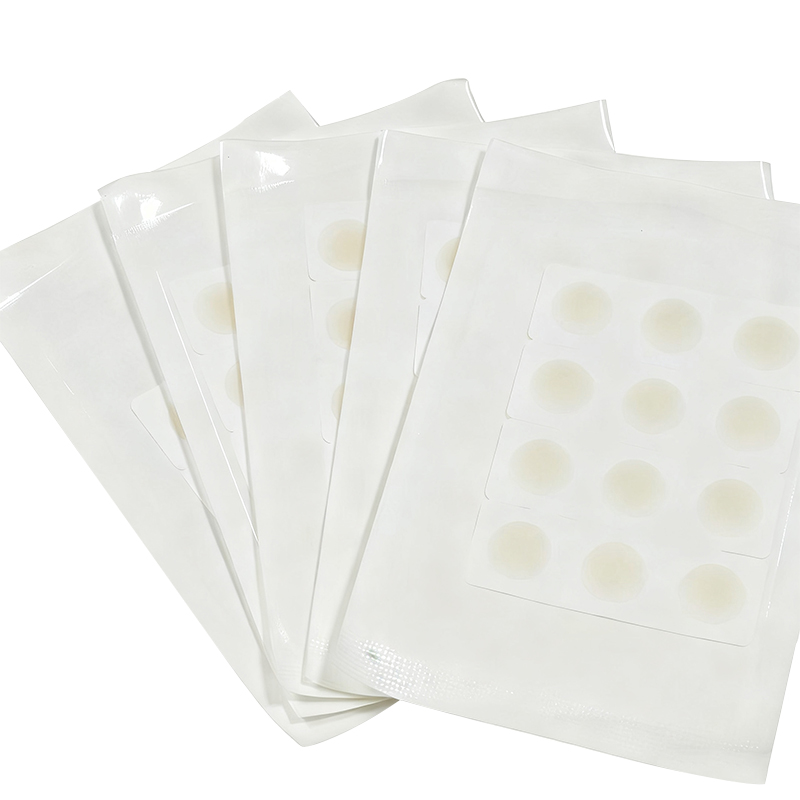
Smaller hydrocolloid dressing formats are commonly used for everyday minor cuts, blisters, and areas of friction related skin breakdown, offering a cushioned, waterproof cover that can stay in place through daily activities, including bathing, for several days at a time.
DuoDERM and similar hydrocolloid dressings generally work best on wounds that are clean, have light to moderate drainage, and show no signs of active infection. Wounds with heavy drainage, significant dead tissue, or signs of infection typically require a different type of dressing or direct medical treatment instead.
The DuoDERM product line includes several variations designed for different wound characteristics and body locations, and understanding the differences helps in choosing the appropriate format for a particular wound.
This thinner, more flexible version is designed for shallow wounds with minimal drainage, or for use as a protective covering over areas at risk of friction or pressure damage, such as covering a healing area prone to rubbing against clothing or bedding. Because it is thinner and more transparent than the standard formulation, it also allows for easier visual monitoring of the wound underneath in some cases.
This version includes a visual indicator, often a small window or marked change in the dressing surface, that helps signal to caregivers when the dressing is approaching saturation and needs to be changed, without requiring full removal to check the wound underneath.
Standing for controlled gel formulation, this version is designed to absorb somewhat more drainage than the extra thin variant, making it suitable for wounds producing a moderate amount of exudate, such as many pressure ulcers and leg ulcers.
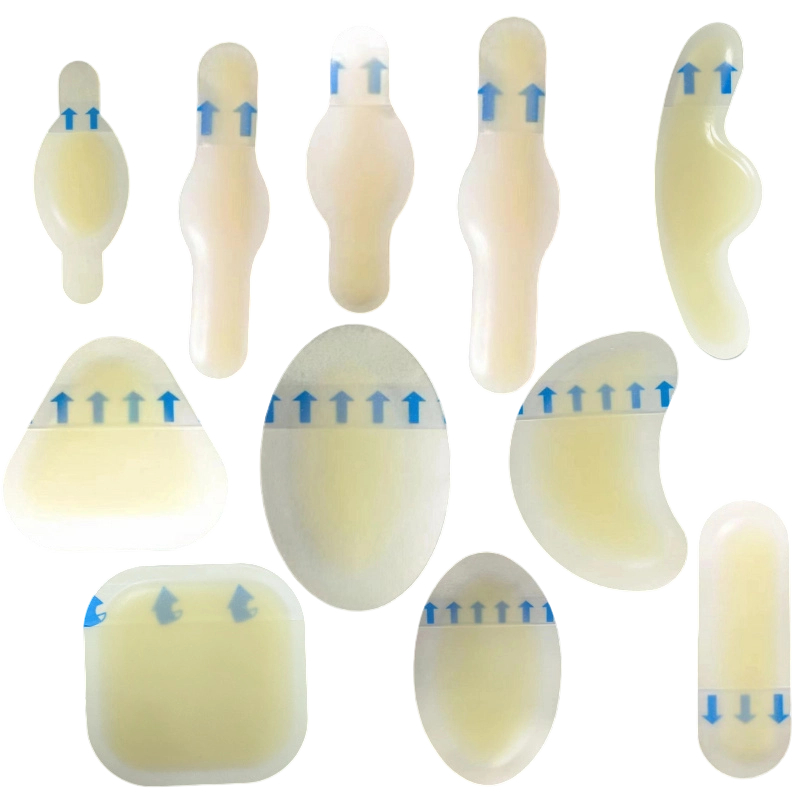
Some DuoDERM products are manufactured in specific shapes designed to fit common problem areas more precisely, such as the heel or sacral area, which are particularly common sites for pressure ulcers and benefit from a dressing contoured to fit the curve of the body more securely.
One of the notable advantages of hydrocolloid dressings compared to many traditional dressing types is that they are generally designed to remain in place for several days at a time, rather than requiring daily changes. Depending on the amount of wound drainage and the specific product used, a DuoDERM dressing may typically stay in place anywhere from three to seven days, though the exact duration should always follow the guidance of the treating healthcare provider and the specific product instructions, since wounds with heavier drainage generally require more frequent changes.
A dressing should be changed before its scheduled interval if it becomes visibly saturated with fluid, begins to lift or peel away at the edges, becomes soiled from an external source, or if there are any signs of increasing pain, redness, swelling, or unusual odor from the wound area, any of which could indicate the wound needs to be reassessed by a healthcare provider.
Because the hydrocolloid material forms a soft gel against the wound, removal is generally more comfortable than peeling off a traditional adhesive dressing, but a few steps help make the process even gentler. Lifting one corner slowly and peeling the dressing back parallel to the skin, rather than pulling straight upward, reduces stress on the surrounding skin. If the dressing feels stuck at any point, moistening the edge slightly with water or saline can help loosen the adhesive without damaging the healing tissue underneath.
Hydrocolloid dressings like DuoDERM are not appropriate for every wound, and using them in the wrong situation can potentially delay healing or mask a developing problem. A healthcare provider should always be consulted for wounds falling into any of the following categories.
Because DuoDERM creates a sealed, occlusive environment over the wound, it is especially important to know what signs might indicate a developing infection underneath, since the dressing itself can make visual inspection less frequent than with an open dressing. Watch for a foul odor when the dressing is removed, a notable increase in the amount or thickness of drainage, redness extending beyond the wound edges, increasing pain or tenderness, warmth around the wound area, or fever. Any of these signs warrants prompt evaluation by a healthcare provider, along with discontinuing the hydrocolloid dressing until the wound has been assessed.
| Dressing Type | Best Suited For | Change Frequency |
|---|---|---|
| Hydrocolloid, such as DuoDERM | Light to moderate drainage, pressure ulcers, minor burns, surgical wounds | Every three to seven days |
| Traditional gauze | Wounds needing frequent inspection or packing | Daily or more often |
| Foam dressing | Moderate to heavy drainage | Every one to three days, depending on drainage |
| Alginate dressing | Heavily draining wounds | Every one to three days, depending on drainage |
| Transparent film | Very shallow wounds, minimal drainage, IV site protection | Every three to seven days |
Choosing between these dressing categories generally depends on the amount of wound drainage, the depth and location of the wound, and whether frequent visual inspection is needed, which is why a healthcare provider will often select a specific dressing type based on a direct assessment of the wound rather than a single dressing being appropriate for every situation.
Hydrocolloid dressing technology traces back to research in the field of stoma care during the nineteen seventies, where materials capable of adhering securely to skin while managing moisture were first developed to protect the skin around surgical stomas. Researchers and clinicians soon recognized that the same gel forming, moisture managing properties that made these materials useful for stoma care could be adapted for general wound management, leading to the development of dedicated hydrocolloid wound dressings during the following decade. DuoDERM, introduced by what later became ConvaTec, was among the earliest and most widely adopted hydrocolloid dressing brands, and it played a significant role in popularizing the broader shift toward moist wound healing principles across hospitals and clinical wound care practices worldwide.
Since those early formulations, hydrocolloid technology has continued to be refined, with modern versions offering improved absorption capacity, better conformability to curved or difficult body areas, and reduced risk of skin irritation upon removal compared to earlier generations of the product. Despite these refinements, the core underlying principle, using a gel forming material to maintain a moist, protected wound environment, has remained essentially unchanged since the technology was first introduced.
Understanding where a hydrocolloid dressing fits within the overall wound healing process can help clarify why it is chosen for certain wounds and stages rather than others. Wound healing is generally described in terms of several overlapping phases, and hydrocolloid dressings are most useful during specific parts of this process.
In the earliest phase after an injury, the body works to control bleeding and begin clearing away debris and bacteria from the wound site. Wounds in this very early phase, particularly if there is significant active bleeding or visible debris, are often not yet appropriate for a hydrocolloid dressing until initial cleaning and, if necessary, medical debridement has taken place.
As the wound moves into the proliferative phase, new tissue, including collagen and new blood vessels, begins to form across the wound bed, a process often visible as the appearance of granulation tissue. This is generally where hydrocolloid dressings like DuoDERM are most valuable, since the moist environment they maintain directly supports the migration of new cells across the wound surface and helps protect this fragile new tissue from mechanical disruption.
In the final phase, the new tissue continues to strengthen and remodel over weeks to months. Many smaller wounds will have progressed to a point where a hydrocolloid dressing is no longer necessary by this stage, though larger or more complex wounds may continue to benefit from continued dressing support well into this later phase of healing.
Aging skin tends to become thinner and more fragile, with reduced elasticity and slower natural healing processes, making older adults particularly susceptible to both pressure ulcers and skin tears. The gentle adhesive properties of hydrocolloid dressings, combined with their cushioning effect against friction and pressure, make them a commonly chosen option in elder care and nursing home settings, though extra care during application and removal is still important given the increased fragility of aging skin.
Diabetes can significantly affect wound healing due to impaired circulation and nerve sensation, particularly in the feet and lower legs. While hydrocolloid dressings are sometimes used for certain diabetic wounds, foot ulcers in particular often require a more comprehensive, medically supervised treatment approach that addresses blood sugar control, pressure offloading, and regular professional wound assessment alongside any dressing choice, since diabetic wounds can progress seriously if not monitored closely.
Although hydrocolloid dressings are generally well tolerated, a small percentage of individuals may experience mild skin irritation or a reaction to the adhesive itself. Anyone with a known history of skin sensitivity or previous reactions to adhesive dressings should mention this to a healthcare provider before beginning use, since alternative low adhesive or silicone based dressing options may be more appropriate in these cases.
DuoDERM dressings, like most medical wound care products, should be stored in a cool, dry place away from direct sunlight and excessive heat, both of which can degrade the adhesive properties and gel forming materials over time. Unopened packages typically carry an expiration date printed on the packaging, and using a dressing past its expiration date is generally discouraged, since the adhesive and absorptive performance cannot be guaranteed beyond that point. Once a package has been opened, the remaining dressings should be resealed as well as possible and used within a reasonable timeframe, since exposure to air and humidity can gradually affect the material even before the printed expiration date is reached.
DuoDERM and other hydrocolloid dressings are available in a range of pack sizes and formats, from small individual dressings suited for minor cuts and blisters to larger sizes intended for pressure ulcers and surgical wounds. Pricing varies considerably depending on size, quantity, and the specific product variation chosen. In many healthcare systems, hydrocolloid dressings used for the treatment of diagnosed chronic wounds, such as pressure ulcers or venous leg ulcers, may be covered in part by health insurance or prescribed as part of a broader wound care plan, whereas dressings purchased for minor everyday cuts and blisters are typically an out of pocket retail purchase. Checking with a healthcare provider or pharmacist about coverage options can be worthwhile for anyone managing an ongoing chronic wound requiring frequent dressing changes over an extended period.
DuoDERM is rarely the only element of a comprehensive wound care plan, particularly for chronic or complex wounds. Healthcare providers often combine hydrocolloid dressing use with other supportive measures depending on the underlying cause of the wound.
For pressure ulcers, simply covering the wound with a hydrocolloid dressing addresses only part of the problem, since ongoing pressure on the area can continue to impair healing regardless of the dressing used. Repositioning schedules, specialized cushions, and pressure redistributing mattresses are commonly used alongside dressing changes to relieve the underlying pressure that caused the wound in the first place.
Venous leg ulcers are frequently treated with compression bandaging or compression stockings in combination with a hydrocolloid dressing, since improving venous return in the leg addresses the underlying circulatory issue contributing to the wound, while the dressing manages the wound surface itself.
Adequate protein, vitamin, and overall caloric intake plays an important role in the body's ability to repair damaged tissue. For individuals with chronic or slow healing wounds, healthcare providers may evaluate and address nutritional factors as part of the broader treatment plan, recognizing that even the most appropriate dressing choice cannot fully compensate for significant nutritional deficits affecting the healing process.
For individuals with diabetes, maintaining blood sugar within a healthy target range is a critical component of supporting wound healing, since elevated blood sugar levels can impair circulation and immune function in ways that slow healing regardless of dressing choice.
Beyond the general categories described earlier, the full DuoDERM product range includes options tailored to specific clinical needs, and healthcare providers typically select among these variations based on wound depth, drainage level, and location on the body.
Some DuoDERM products include an additional adhesive border surrounding the central hydrocolloid pad, providing extra security against the edges lifting, which can be particularly useful for wounds located in areas subject to more movement or friction, such as joints or areas that rub against clothing.
In addition to sheet dressings, some hydrocolloid product lines include paste or gel formulations designed to fill in wounds with uneven depth or minor cavities before a cover dressing is applied, helping maintain consistent contact between the hydrocolloid material and all areas of the wound bed, including areas that a flat sheet dressing alone might not reach effectively.
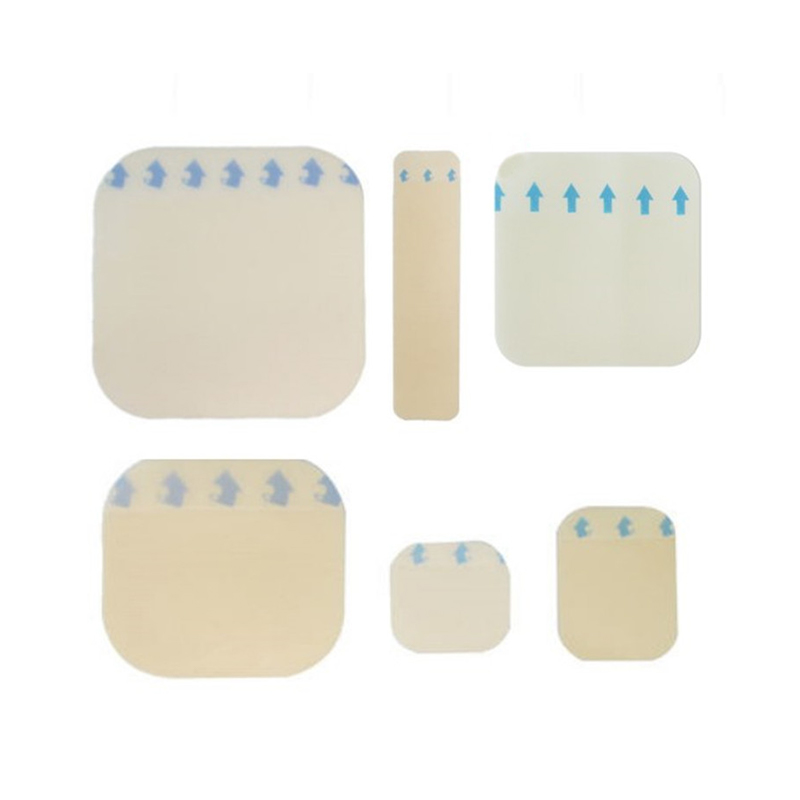
Product lines typically span a considerable size range, from small dressings intended for minor cuts and blisters on fingers or toes, up to large sheet formats intended for sizable pressure ulcers or surgical wound areas, allowing healthcare providers and caregivers to select an appropriately sized dressing without excessive trimming or overlap of multiple smaller dressings.
It is common for a wound treated with a hydrocolloid dressing to look somewhat different at each dressing change compared to how it might appear with a dry gauze dressing, and understanding what is normal can reduce unnecessary worry for caregivers and patients alike. The wound bed often appears moist and may have a somewhat shiny or gel like coating directly from the dressing interaction, rather than a dry scab. Some minor bleeding upon dressing removal can occasionally occur, particularly for wounds with actively forming new tissue, though this should be minor and should not increase over successive dressing changes. Gradual reduction in wound size, a healthy pink or red color in the wound bed, and decreasing drainage over time are generally positive signs that the wound is progressing well under hydrocolloid dressing care.
Many people managing a hydrocolloid dressing at home are caregivers looking after a family member rather than medical professionals, and a few additional practices can help make the process smoother and safer for both the caregiver and the person receiving care.
Before beginning a dressing change, gathering all needed supplies within reach, including clean gloves, the new dressing, any cleaning solution recommended by a healthcare provider, and a small bag for disposing of the old dressing, helps keep the process efficient and reduces the chance of contaminating the wound partway through the change.
For anyone managing a chronic wound over an extended period, keeping a brief written or photographic record at each dressing change, noting the approximate size of the wound, the color and amount of any drainage, and the condition of the surrounding skin, can be extremely useful during follow up visits with a healthcare provider, helping to establish whether the wound is trending toward healing or whether the current treatment approach may need to be reconsidered.
Even a wound that initially seemed to be healing well under hydrocolloid dressing care should be reassessed by a healthcare provider if progress appears to stall for an extended period, if the wound appears to be growing larger rather than smaller over successive changes, or if any of the infection warning signs discussed earlier develop at any point during treatment. Chronic wounds in particular often benefit from periodic reassessment even when things appear to be going well, since the overall treatment plan may need adjustment as healing progresses through its different phases.
For individuals who experience discomfort during dressing changes, timing the change for a period when pain medication, if prescribed, is at peak effectiveness, and working slowly and gently through the removal and reapplication process, can make a meaningful difference in the overall experience, both for the person receiving care and for the caregiver performing the change.
Can DuoDERM get wet in the shower
Yes, the outer layer of most DuoDERM formulations is designed to be waterproof, allowing normal bathing or showering without needing to remove the dressing, though prolonged submersion, such as swimming, may reduce how well the dressing adheres over time.
Does DuoDERM hurt to remove
Hydrocolloid dressings are generally designed to be gentler on the wound and surrounding skin during removal compared to traditional adhesive dressings, since the gel formed against the wound reduces sticking to new tissue, though slow, careful removal parallel to the skin is still recommended for comfort.
Is it normal for the dressing to develop a yellowish gel and odor
Yes, the formation of a soft yellowish gel and a mild odor upon removal is a normal result of the hydrocolloid material interacting with wound fluid, though a strong, foul, or worsening odor could indicate infection and should be evaluated by a healthcare provider.
Can DuoDERM be used on children
DuoDERM and similar hydrocolloid dressings are used in pediatric settings for certain wound types, but any use on a child should be guided by a pediatrician or wound care professional familiar with the specific wound and the child's overall health.
What should be done if the dressing starts to peel off early
If the edges begin lifting before the scheduled change, the loose portion can often be trimmed away if the seal elsewhere remains intact, but if a significant portion of the dressing has lifted, it is generally best to remove it fully, clean the area as directed, and apply a fresh dressing.
Can DuoDERM be cut to a custom shape
Many DuoDERM products can be trimmed to better fit an irregular wound shape or a specific body location, as long as the trimmed dressing still extends well beyond the wound edges on all sides to maintain a secure seal.
Can DuoDERM be used together with topical creams or ointments
Generally, topical creams or ointments should not be applied underneath a hydrocolloid dressing unless specifically directed by a healthcare provider, since many topical products can interfere with the dressing's adhesive properties or its ability to form the intended gel layer, potentially reducing effectiveness or causing the dressing to fail to adhere properly.
How does a caregiver know which size DuoDERM to buy
The general guidance is to select a dressing that extends at least one inch beyond every edge of the wound once applied, so measuring the wound itself, including its widest points, before purchasing dressings helps ensure an appropriately sized product is chosen, and a healthcare provider can offer specific sizing recommendations for a particular wound.
DuoDERM hydrocolloid dressing has earned its place as a trusted tool in modern wound care because it directly supports one of the most well established principles in the field, namely that a moist, protected wound environment generally heals better and more comfortably than a dry, exposed one. From everyday minor cuts and blisters to more involved chronic wounds like pressure ulcers and venous leg ulcers, the dressing offers a practical combination of protection, comfort, and reduced dressing change frequency that has made it a familiar name in hospitals, care facilities, and home medicine cabinets alike.
DuoDERM hydrocolloid dressing has become a widely trusted option for managing a broad range of wounds, from everyday cuts and blisters to pressure ulcers, leg ulcers, minor burns, and surgical incisions, largely because it supports the moist wound healing process while offering comfortable, longer lasting wear compared to many traditional dressing types. Understanding what it is used for, how it works, and when a different approach is needed helps ensure it is applied appropriately and effectively. Because individual wounds vary so widely in cause, depth, and drainage level, working with a healthcare provider to confirm that a hydrocolloid dressing is the right choice for a particular wound remains the safest and most effective path toward proper healing. With proper selection, application, and monitoring, this simple sheet of gel forming material can play a genuinely meaningful role in a person's recovery journey.
contact us
Don't hesitate to contact when you need us!

Contact Information
NO.3 Jinshui Road, Xiwu Street, Fenghua District, Ningbo, ZheJiang, China.
+86-18158557875





 English
 中文简体
中文简体
 русский
 Español