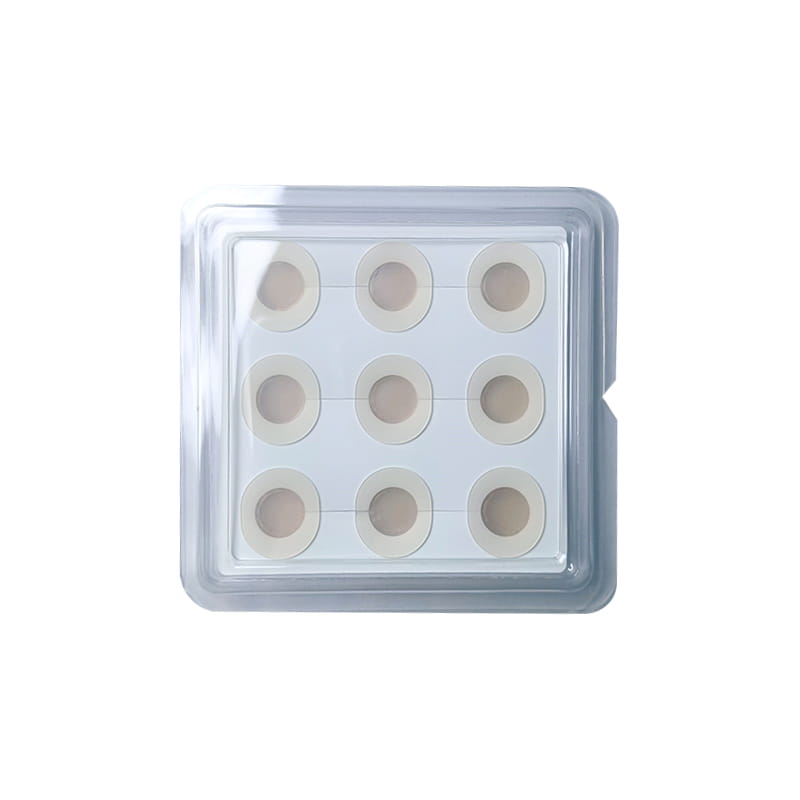
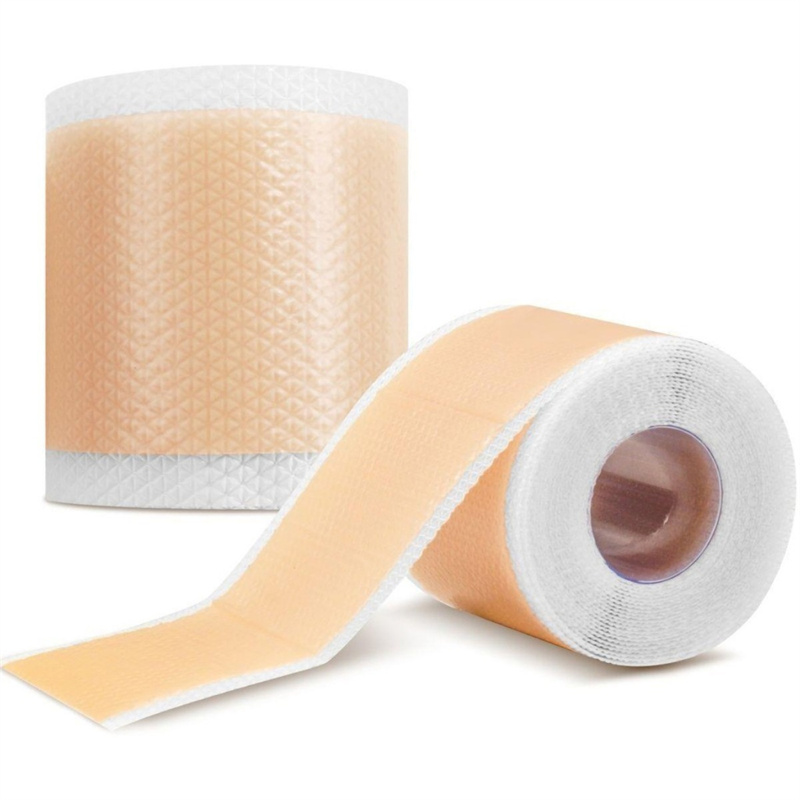
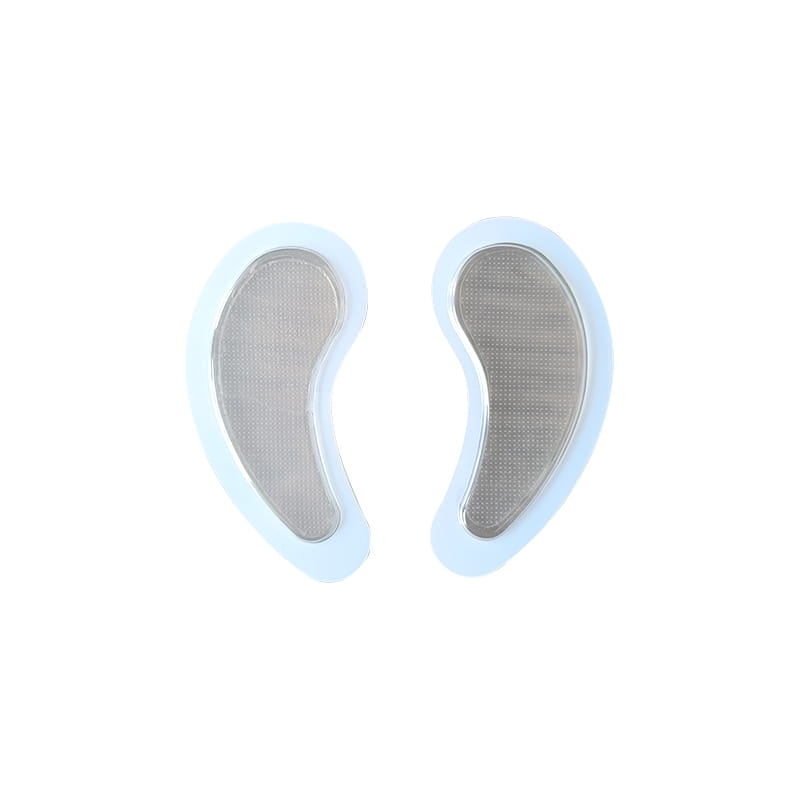
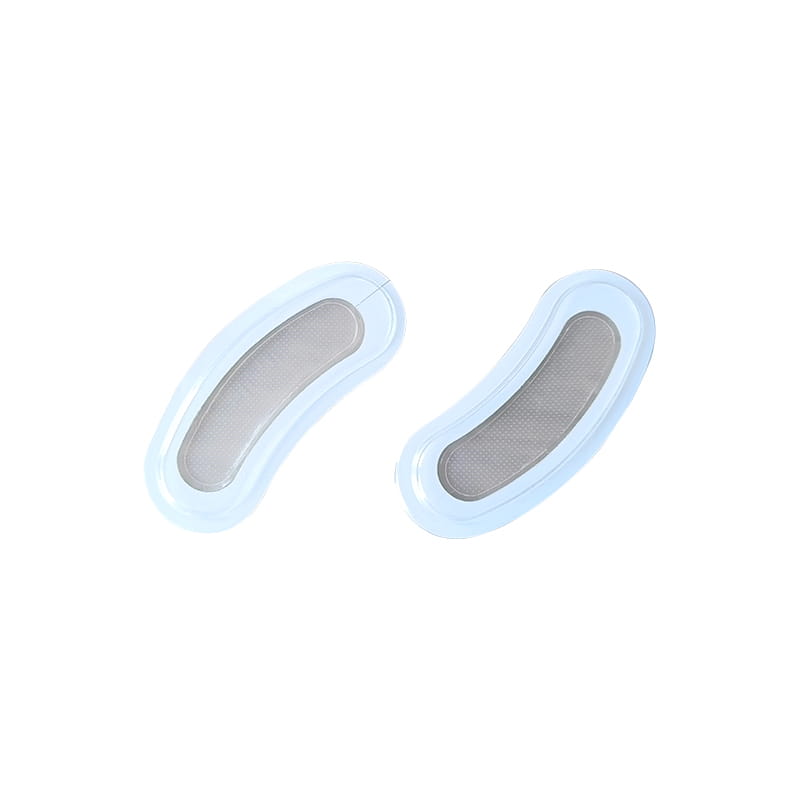
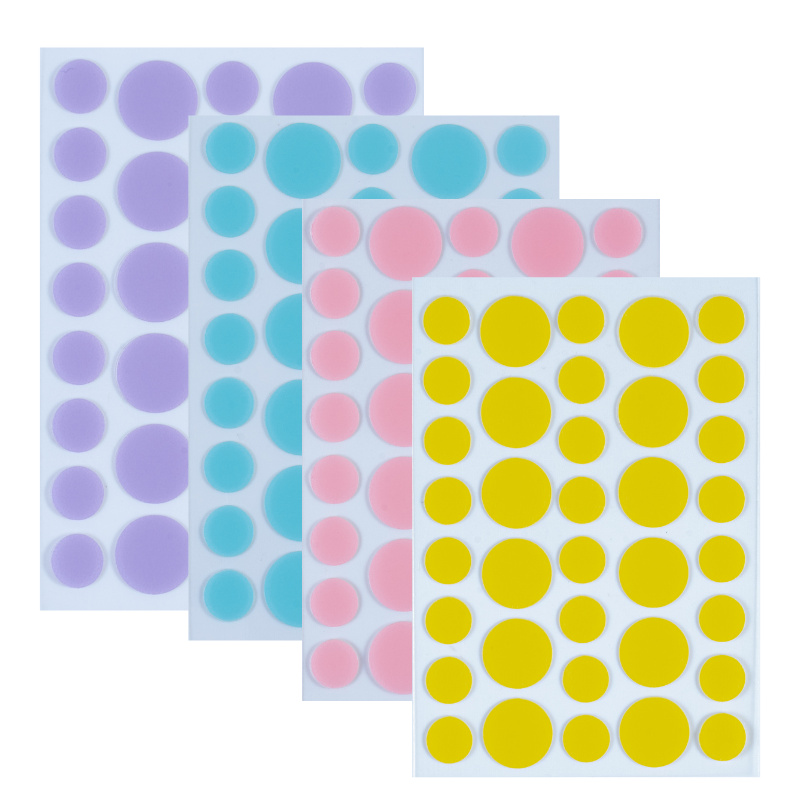
Medical-grade targeted microneedle patches represent a fundamental shift in transdermal drug delivery, combining precision materials science with site-specific pharmacokinetics to overcome the biological barriers that have long constrained topical therapeutics.
A medical-grade targeted microneedle patch is a wearable transdermal delivery device engineered to penetrate the outermost layer of skin, known as the stratum corneum, without reaching the vascularized dermis in an uncontrolled manner. The patch consists of an array of microscale projections, each ranging from 25 to 1000 micrometers in height, fabricated from biocompatible polymers, metals, or silicon, and loaded with a precisely calibrated therapeutic payload.
The adjective "medical-grade" distinguishes these devices from cosmetic or over-the-counter variants by imposing stringent standards on biocompatibility, sterility, dose accuracy, and reproducible manufacturing. Regulatory bodies such as the US Food and Drug Administration and the European Medicines Agency classify them as combination drug-device products, requiring both pharmaceutical and device approvals before clinical use.
The word "targeted" signals that the patch does not merely deliver a drug through the skin at random. Instead, it may achieve targeting through geometric placement on the body, through functionalized needle surfaces that preferentially bind specific cell types, or through stimuli-responsive materials that release cargo only in the presence of a disease-associated biomarker such as elevated glucose or a particular pH.
Understanding how a medical-grade targeted microneedle patch works requires examining the sequence of events from application to pharmacological effect.
When the patch is pressed against the skin, the needle array breaches the stratum corneum, which is 10 to 20 micrometers thick and otherwise impermeable to most macromolecules. Penetration depth is governed by needle geometry, applied force, and tissue mechanics, and it can be tuned to terminate in the viable epidermis or the upper dermis.
Depending on needle architecture, the therapeutic agent is released by one of several mechanisms: dissolution of a solid polymer needle tip, diffusion through a coated channel, active pumping through a hollow bore, or triggered release via a smart polymer that responds to skin temperature or interstitial fluid composition.
Released drug molecules diffuse into the interstitial space where they encounter resident immune cells, keratinocytes, or the subepidermal capillary network. Surface-functionalized needles may anchor ligands that bind dendritic cells for vaccination purposes, or they may carry nanoparticle carriers that preferentially accumulate in tumor microenvironments when applied over a solid mass.
For systemically acting drugs such as insulin or parathyroid hormone, molecules enter the dermal capillaries and reach the bloodstream within minutes, bypassing hepatic first-pass metabolism. For locally acting agents such as anti-inflammatory corticosteroids, the drug remains concentrated at the application site, increasing local efficacy while minimizing systemic side effects.
Because needle dimensions are below the threshold of nerve fiber activation, patients typically report no pain. Upon removal, microchannels close within two hours due to the skin's rapid healing response, leaving no persistent lesion. Biodegradable polymer needles dissolve in situ, eliminating sharps waste entirely.
The engineering design of the microneedle array determines its therapeutic capabilities, manufacturing complexity, and regulatory classification.
| Type | Construction | Drug Loading | Primary Application |
|---|---|---|---|
| Solid | Silicon, metal, or rigid polymer; no drug inside | Pre-treatment poration then topical application | Skin permeation enhancement, cosmetic actives |
| Coated | Solid core with drug-excipient coating | Thin-film deposition or dip-coating | Vaccines, peptides, biologics |
| Hollow | Bored channel through needle shaft | Reservoir backing layer; pressure-driven flow | Controlled-rate systemic delivery, glucose monitoring |
| Dissolving | Entire needle made of drug-polymer matrix | Embedded during fabrication | Single-dose vaccines, hormones, analgesics |
| Hydrogel-forming | Swellable polymer needles that absorb interstitial fluid | Drug diffuses outward as needle swells | Sustained release over days; biosensing |
| Stimuli-responsive | Smart polymer matrix with molecular gates | Triggered by glucose, pH, reactive oxygen species | Closed-loop diabetes management, cancer therapy |
Material selection is the single most consequential decision in medical-grade microneedle patch development, governing biocompatibility, mechanical strength, drug stability, and regulatory pathway.
PLGA is the gold standard for biodegradable needles. Its degradation rate is tunable from days to months by adjusting lactide-to-glycolide ratio and molecular weight, enabling customized sustained-release profiles without additional engineering of the drug molecule itself.
Naturally abundant in the dermis, hyaluronic acid dissolves rapidly in interstitial fluid and is inherently biocompatible. It is preferred for vaccine and cosmetic-pharmaceutical (cosmeceutical) applications where rapid drug release is desired and where the carrier polymer itself may serve a therapeutic moisturizing function.
PVP offers excellent drug compatibility for a wide range of small molecules and biologics, rapid dissolution kinetics, and straightforward cGMP manufacturing through solvent casting. Its low cost and established FDA safety profile make it the most commercially deployed dissolving needle matrix.
Metal needles are machined by laser ablation or electrochemical etching for hollow and coated architectures. They provide superior mechanical robustness for difficult anatomical sites, are autoclave-sterilizable, and are the platform of choice for reusable applicator systems in clinical settings.
PGA degrades faster than PLGA and is favored for acute-indication patches where drug delivery must be complete within 24 to 48 hours. Its brittleness requires careful applicator design to ensure reliable skin penetration without fracture before insertion.
Derived from Bombyx mori silkworm cocoons, silk fibroin forms mechanically tough needles that are both biodegradable and protein-stabilizing. It is emerging as the preferred matrix for temperature-sensitive biologic payloads such as live attenuated viruses and monoclonal antibody fragments.
Closed-loop glucose-responsive microneedle patches represent one of the most clinically significant innovations in diabetes management. These patches integrate glucose-oxidase enzyme chemistry within a phenylboronic acid-modified hydrogel matrix. As interstitial glucose rises, the gel swells and releases insulin proportionally, mimicking the pancreatic response without any electronic component or patient input. Clinical studies have demonstrated glucose normalization within 30 minutes of hyperglycemic excursions, with a therapeutic window extending beyond 72 hours on a single patch application.
Targeted microneedle patches allow intralesional delivery of corticosteroids, retinoids, and small-molecule kinase inhibitors directly into the viable epidermis and upper dermis, achieving drug concentrations at the disease site that are orders of magnitude higher than those achievable with topical creams while maintaining negligible systemic plasma levels. This is particularly valuable in the management of psoriatic plaques, alopecia areata, and actinic keratosis, where the balance between local efficacy and systemic toxicity is critical.
The skin is an immunologically privileged site enriched with antigen-presenting Langerhans cells and dermal dendritic cells. Antigen-coated or antigen-loaded dissolving microneedle patches delivered to the skin produce T-cell and antibody responses comparable or superior to intramuscular injection while requiring as little as one-tenth of the antigen dose. This dose-sparing effect has profound implications for pandemic vaccine manufacturing capacity and for resource-limited immunization programs where cold-chain logistics are prohibitive.
A Phase II randomized controlled trial published in Nature Medicine demonstrated that a dissolving microneedle patch delivering influenza hemagglutinin antigen achieved seroconversion rates of 94 percent in healthy adults compared to 91 percent for standard intramuscular injection, with a significantly superior tolerability profile and no requirement for trained personnel for administration.
Separate studies in non-human primates have shown that HIV envelope glycoprotein delivered via antigen-functionalized microneedle arrays targeting skin-resident dendritic cells produced substantially higher mucosal IgA titers than the same antigen delivered by intramuscular injection, suggesting a potential route to vaccines that protect at the primary site of viral entry.
The scalp, face, and neck offer accessible anatomical sites where targeted microneedle patches can deliver neuromodulating agents into proximity with cutaneous nerves. Clinical proof-of-concept has been established for sumatriptan in migraine, lidocaine for post-herpetic neuralgia, and botulinum toxin type A for chronic daily headache, with the patch format eliminating the injection anxiety that limits patient adherence to existing injectable therapies.
In solid tumors accessible at or near the skin surface, including melanoma, squamous cell carcinoma, and certain breast cancer lesions, targeted microneedle patches functionalized with tumor-penetrating peptides or anti-PD-1 checkpoint inhibitor nanoparticles deliver immunotherapeutic payloads directly into the tumor microenvironment. This intratumoral approach generates localized immune activation while avoiding the immune-related adverse events associated with systemic checkpoint inhibitor dosing.
The value proposition of a medical-grade targeted microneedle patch is best understood by comparing it systematically to the delivery modalities it can displace.
| Parameter | Oral | Hypodermic Injection | Conventional Transdermal | Microneedle Patch |
|---|---|---|---|---|
| Bioavailability | Variable; first-pass loss | Near 100% | Low for most drugs | High; bypasses first pass |
| Pain / Invasiveness | None | Significant | None | Minimal to none |
| Molecule size limit | Limited for peptides | No limit | Less than 500 Da | Up to 150 kDa (biologics) |
| Release kinetics | Bolus or extended | Bolus | Passive diffusion only | Bolus, sustained, or triggered |
| Self-administration | Yes | With training | Yes | Yes, no training required |
| Cold-chain requirement | Often yes (biologics) | Often yes | Varies | Stabilized in matrix; reduced |
| Sharps waste | None | Yes | None | None (biodegradable types) |
Achieving medical-grade designation requires that microneedle patch development comply with a demanding intersection of pharmaceutical and device regulatory frameworks.
In the United States, the FDA Center for Drug Evaluation and Research evaluates the drug component while the Center for Devices and Radiological Health reviews the device constituent. Both must satisfy current Good Manufacturing Practice requirements, but GMP standards for pharmaceutical manufacturing and Quality System Regulations for devices differ meaningfully in scope, documentation, and process validation expectations. Sponsors must resolve these overlapping jurisdictions early in development to avoid late-stage regulatory surprises.
Biocompatibility testing follows ISO 10993, the International Standard for Biological Evaluation of Medical Devices. For needles that penetrate skin, cytotoxicity, sensitization, intracutaneous reactivity, and systemic toxicity studies are at minimum required. Biodegradable polymer needles must additionally demonstrate that all degradation products are non-toxic at the concentrations generated in vivo over the intended wear period.
Sterility is among the most technically demanding manufacturing challenges. Unlike solid dosage forms that can be terminal-sterilized by gamma irradiation, many drug-polymer matrices used in dissolving and hydrogel needles are radiation-sensitive. Aseptic manufacturing in cleanroom environments classified to ISO 5 (Class 100) is therefore required, demanding capital-intensive facility construction and rigorous environmental monitoring programs.
Scale-up from laboratory fabrication, typically micromolding or three-dimensional printing, to commercial production introduces new challenges in dimensional consistency, needle sharpness distribution, and drug content uniformity across the array. Advanced optical inspection systems capable of measuring individual needle height and tip radius across millions of units per batch are now part of standard quality control infrastructure for leading manufacturers.
Prausnitz and colleagues at Georgia Tech published the first demonstration that silicon microneedle arrays could increase transdermal permeability of calcein by orders of magnitude, establishing the foundational feasibility of the field.
Hollow microneedle prototypes demonstrated delivery of dextrans up to 40 kDa through the skin at flow rates compatible with insulin dosing, expanding the potential drug space beyond small molecules.
PVP and hyaluronic acid dissolving microneedle patches were tested in first-in-human studies for influenza vaccination, demonstrating safety, tolerability, and immune non-inferiority to intramuscular injection.
The first reports of self-regulated microneedle patches that autonomously modulate insulin release in response to skin glucose concentration were published, demonstrating normoglycemia in diabetic mouse models for up to 10 hours.
Multiple research groups and startup companies initiated accelerated development of microneedle patch formulations for SARS-CoV-2 spike protein and mRNA antigens, with funding from national health agencies seeking thermostable, self-administered vaccine formats for pandemic response.
Several companies submitted New Drug Application and premarket approval packages to the FDA and EMA for dissolving microneedle patch products targeting influenza, parathyroid hormone for osteoporosis, and zolmitriptan for migraine, marking the transition from clinical research to commercial medicine.
Despite remarkable progress, several technical and commercial barriers must be resolved before medical-grade targeted microneedle patches achieve widespread clinical adoption.
Ensuring that every patch in a production batch contains the same drug quantity within narrow pharmaceutical tolerances is substantially more difficult for three-dimensional microneedle arrays than for liquid vials or compressed tablets. Drug content uniformity across an array of several hundred needles, each containing nanogram to microgram quantities of active, demands analytical methods and process controls that are still maturing.
Human skin differs significantly in thickness, hydration state, and mechanical properties across anatomical sites, ethnic backgrounds, ages, and disease states such as diabetes or psoriasis. Needle dimensions and application force that reliably penetrate the stratum corneum in one population may be insufficient in another. Adaptive applicator designs that sense skin resistance and modulate insertion depth in real time represent a promising but not yet commercialized solution.
Embedding a biologic such as a protein or mRNA within a polymer matrix exposes it to shear forces during fabrication, hydrophobic interfaces, and potential chemical interactions with excipients. Long-term stability data at ambient temperature must demonstrate that potency is maintained through the product's shelf life, typically 18 to 24 months, without refrigeration. Lyophilization-compatible formulation strategies and novel stabilizing excipients are active areas of research.
Current manufacturing costs for medical-grade microneedle patches exceed those for conventional parenteral products for most therapeutic categories. As roll-to-roll continuous manufacturing platforms replace batch micromolding, and as materials costs decrease with scale, the economics are expected to improve substantially over the next decade. Health economic analyses increasingly demonstrate that the reduction in administration costs, cold-chain elimination, and improved patient adherence can offset higher goods cost in total cost-of-care calculations.
contact us
Don't hesitate to contact when you need us!

Contact Information
NO.3 Jinshui Road, Xiwu Street, Fenghua District, Ningbo, ZheJiang, China.
+86-18158557875





 English
 中文简体
中文简体
 русский
 Español