As industries across apparel, medical devices, sporting goods, and industrial manufacturing increasingly prioritize environmental responsibility alongside product performance, the demand for materials that deliver both has grown substantially. Among these materials, sustainable high-performance narrow elastic bands have emerged as a notable solution, combining the mechanical reliability required for demanding applications with manufacturing practices and material choices that reduce environmental impact. This article examines the technical foundations, manufacturing considerations, and application landscape of this evolving product category.
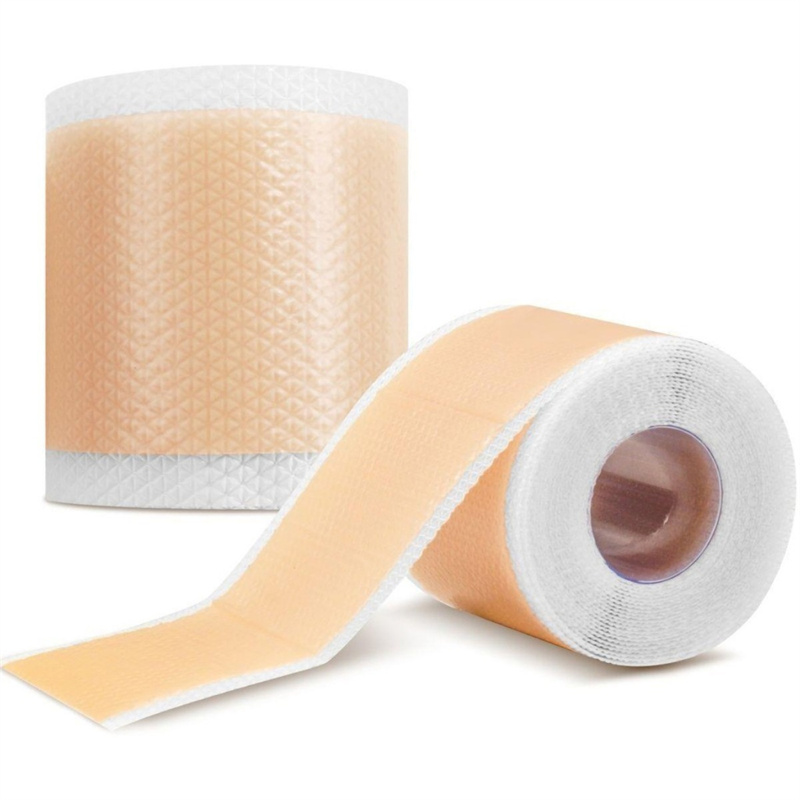
Narrow elastic bands are slim, flexible strips engineered to stretch under tension and return to their original shape once that tension is released. They are widely used as functional components in garments, medical wearables, packaging, and various mechanical assemblies where controlled flexibility and recovery are essential.
When the terms sustainable and high-performance are applied to this product category, they describe elastic bands that meet two parallel objectives. First, they must deliver consistent mechanical performance, including tensile strength, elongation recovery, and durability over repeated stretching cycles. Second, they must be produced using materials and processes that minimize environmental impact, whether through recycled content, reduced resource consumption, or improved end-of-life recyclability.
The performance and environmental profile of narrow elastic bands are determined largely by the materials used in their construction. Understanding these material choices is essential to appreciating how sustainability and performance can coexist.
The elastic core of these bands typically relies on materials such as natural rubber, synthetic rubber compounds, or elastane fibers. Sustainable variants increasingly incorporate bio-based elastomers derived from renewable feedstocks, or recycled rubber content reclaimed from post-industrial or post-consumer sources, reducing dependence on virgin petroleum-derived inputs.
Many narrow elastic bands feature an outer textile covering, often made from polyester, nylon, or cotton blends, which wraps around the elastic core for added durability and a finished appearance. Sustainable production increasingly favors recycled polyester yarns made from post-consumer plastic waste, as well as organically grown or responsibly sourced cotton fibers.
The dyeing and finishing stages of elastic band production can carry a significant environmental footprint if not carefully managed. Sustainable approaches favor low-impact dyes, reduced water consumption processes, and finishing treatments free from harmful chemical residues, aligning with broader environmental and safety standards.
Sustainable high-performance narrow elastic bands are not defined by a single material substitution, but by a holistic approach that considers raw material sourcing, manufacturing efficiency, and end-of-life impact, while maintaining the mechanical reliability that performance applications demand.
Regardless of the sustainability measures applied, narrow elastic bands must meet rigorous performance benchmarks to remain viable for demanding applications. The following characteristics are commonly evaluated during product development and quality assurance.
| Performance Characteristic | Description | Relevance to Application |
|---|---|---|
| Tensile Strength | The maximum stretching force a band can withstand before failure | Determines durability under repeated or heavy use |
| Elongation Recovery | The ability to return to original length after stretching | Affects fit consistency and long-term shape retention |
| Abrasion Resistance | Resistance to surface wear from friction | Important for bands in continuous contact with skin or fabric |
| Colorfastness | Resistance to color fading from washing or light exposure | Maintains aesthetic quality over the product lifecycle |
| Width and Profile Consistency | Uniformity of band width and thickness along its length | Ensures predictable performance and ease of integration |
The manufacturing process for narrow elastic bands has evolved considerably, with sustainability-focused innovations addressing both material usage and energy consumption throughout production.
Narrow elastic bands are typically produced through specialized knitting or weaving processes that integrate elastic yarns with covering materials. Advances in knitting machinery have improved material yield, reducing waste generated during production while maintaining consistent band quality.
Dyeing and finishing stages have traditionally been resource-intensive, particularly in terms of water usage. Modern facilities increasingly adopt closed-loop water recycling systems and energy-efficient drying processes to reduce the overall environmental footprint of production.
Manufacturing scrap generated during cutting and trimming processes can often be collected and reintroduced into recycling streams, particularly when production relies on single-material or easily separable components, supporting circular material flows.
Sustainable high-performance narrow elastic bands serve a wide range of industries, each placing distinct demands on the product's mechanical and environmental attributes.
Narrow elastic bands are extensively used in waistbands, cuffs, and other garment components requiring stretch and recovery. Sustainable variants are increasingly favored by apparel brands seeking to align their supply chains with broader environmental commitments.
Wearable medical devices, compression garments, and protective equipment often rely on narrow elastic bands for secure yet comfortable fit. Performance consistency is critical in these applications, where mechanical failure could compromise device function.
Athletic apparel and equipment frequently incorporate narrow elastic bands to provide support and freedom of movement. Durability under repeated stress cycles is a key requirement in this sector.
Beyond textiles, narrow elastic bands are used in packaging solutions and various industrial assemblies where controlled flexibility and secure retention are needed, often under conditions requiring resistance to environmental exposure.
| Comparison Factor | Conventional Narrow Elastic Bands | Sustainable High-Performance Narrow Elastic Bands |
|---|---|---|
| Raw Material Source | Primarily virgin petroleum-based inputs | Incorporates recycled or bio-based materials |
| Production Resource Use | Higher water and energy consumption | Optimized processes with reduced resource use |
| End-of-Life Impact | Limited recyclability | Designed with circularity considerations in mind |
| Performance Consistency | Standard mechanical performance | Engineered to match or exceed conventional performance |
Ensuring that sustainable elastic bands meet performance expectations requires rigorous testing protocols throughout the production cycle. These typically include the following evaluation steps.
When selecting or designing sustainable high-performance narrow elastic bands for a specific application, several factors should be carefully evaluated to ensure optimal results.
The market for sustainable high-performance narrow elastic bands continues to evolve as material science advances and industry expectations shift toward greater environmental accountability.
Ongoing research into plant-derived and biodegradable elastomer alternatives is expected to expand the range of sustainable material options available for elastic band production, gradually reducing reliance on conventional synthetic inputs.
Brands and manufacturers are increasingly adopting traceability measures that allow material origins and production practices to be verified, supporting more credible sustainability claims throughout the supply chain.
Efforts to develop effective recycling pathways for elastic textile components are gaining momentum, aiming to recover usable material from end-of-life products and reintroduce it into new manufacturing cycles.
Material scientists continue to refine formulations that maintain or improve mechanical performance while incorporating greater proportions of recycled or renewable content, narrowing the gap between sustainable and conventional product performance.
Sustainable high-performance narrow elastic bands represent a meaningful convergence of environmental responsibility and engineering reliability. By carefully selecting materials, refining manufacturing processes, and maintaining rigorous performance standards, manufacturers can deliver products that satisfy the functional demands of apparel, medical, sporting, and industrial applications without compromising on sustainability goals. As material innovation and supply chain transparency continue to advance, this category of elastic bands is well positioned to play an increasingly important role in industries seeking to balance performance with long-term environmental stewardship.
contact us
Don't hesitate to contact when you need us!

Contact Information
NO.3 Jinshui Road, Xiwu Street, Fenghua District, Ningbo, ZheJiang, China.
+86-18158557875





 English
 中文简体
中文简体
 русский
 Español