What is Medical Nonwoven Dressing?
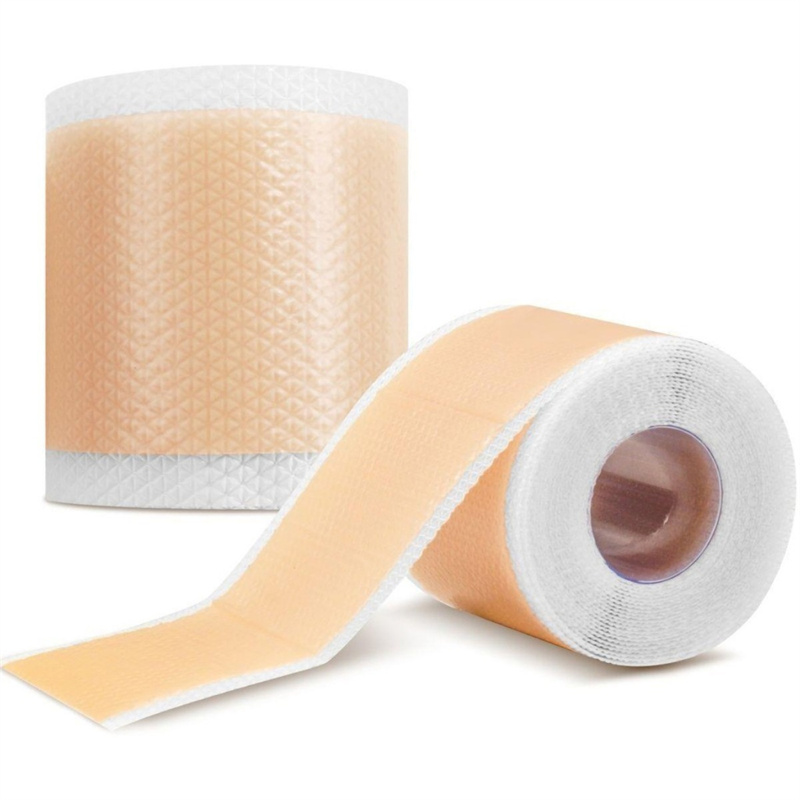
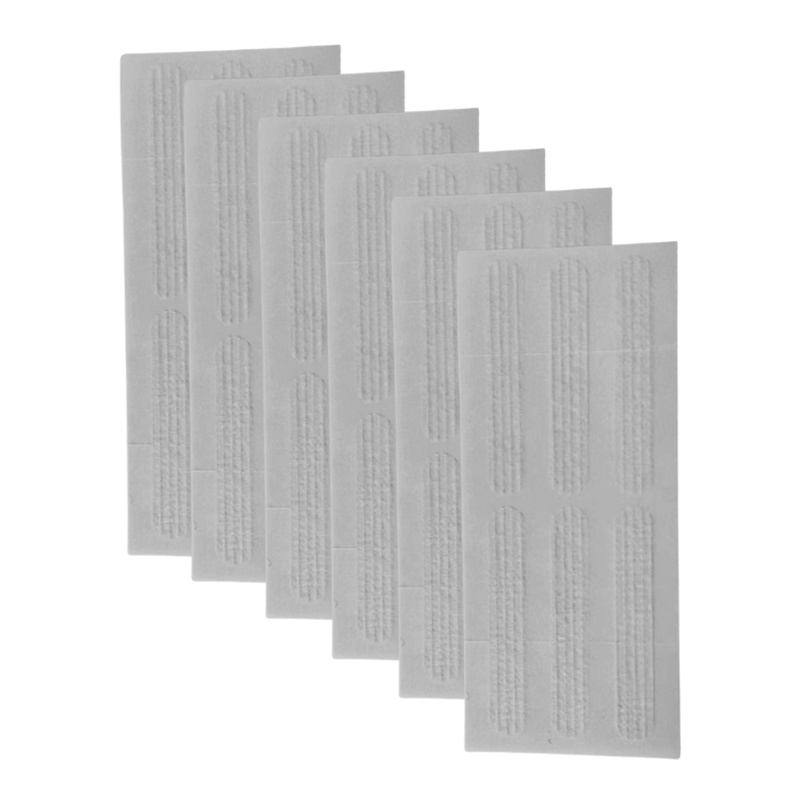
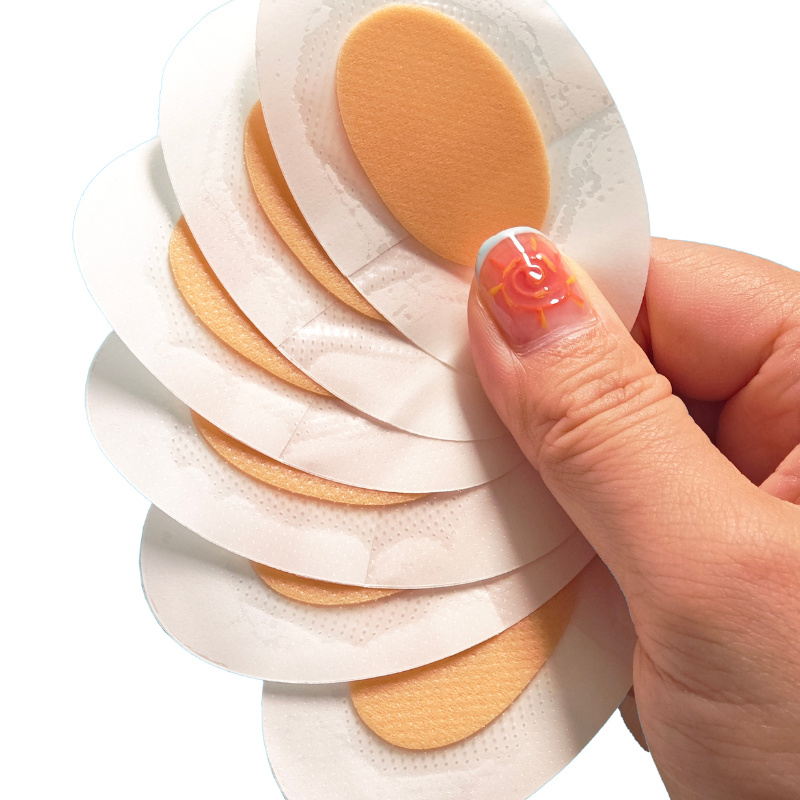
Medical nonwoven dressings are advanced wound care products designed to promote faster healing while providing protection and comfort to patients. Unlike traditional woven fabrics, these dressings are made from fibers that are bonded together using methods such as heat, chemicals, or mechanical processes, rather than weaving or knitting. This results in a fabric-like material that is lightweight, breathable, and highly absorbent.
Benefits of Medical Nonwoven Dressings
Medical nonwoven dressings have gained popularity due to their numerous advantages in wound management. Some key benefits include:
- Enhanced comfort: The soft texture of nonwoven materials ensures minimal irritation on the skin, making them suitable for sensitive and fragile skin.
- Breathability: These dressings allow for adequate airflow to the wound site, which helps prevent maceration and promotes faster healing.
- Moisture management: Nonwoven dressings can absorb exudates from the wound, maintaining an optimal moisture balance for healing and reducing the risk of infection.
- Reduced pain: The gentle adhesion of nonwoven dressings minimizes discomfort during dressing changes, which is particularly important for patients with chronic wounds.
Types of Medical Nonwoven Dressings
There are several types of medical nonwoven dressings, each designed to meet specific wound care needs:
- Absorbent nonwoven dressings: Ideal for moderately to heavily exuding wounds, these dressings help to absorb wound exudates, keeping the wound clean and dry.
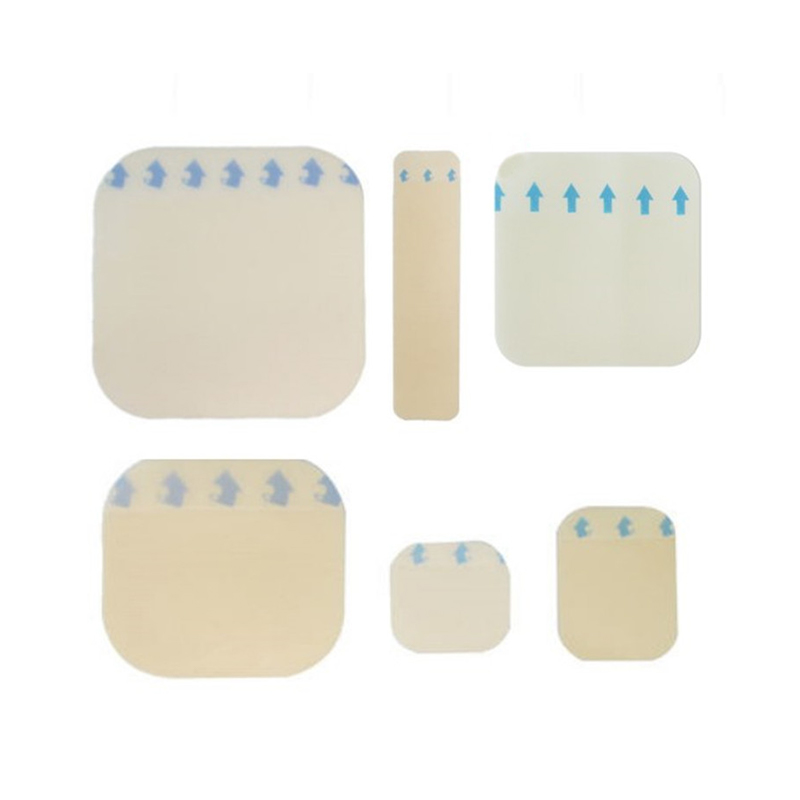
- Hydrocolloid nonwoven dressings: These dressings are designed to maintain a moist wound environment, which accelerates healing while protecting the wound from external contaminants.
- Foam-based nonwoven dressings: Offering high absorbency and cushioning, these dressings are used for wounds that require extra protection and comfort.
- Alginate nonwoven dressings: Made from seaweed, alginate dressings are highly absorbent and promote healing in wounds with significant exudate production, such as venous leg ulcers.
Applications of Medical Nonwoven Dressings
Medical nonwoven dressings are used in a variety of clinical settings and can be applied to various types of wounds:
- Acute wounds: These include surgical wounds, burns, and traumatic injuries where rapid healing and infection prevention are essential.
- Chronic wounds: Nonwoven dressings are particularly effective for chronic conditions such as diabetic ulcers, pressure sores, and venous ulcers, where regular dressing changes are needed.
- Post-surgical care: After surgical procedures, nonwoven dressings help to promote healing and protect against infection, making them ideal for postoperative wound management.
- Burn treatment: Due to their ability to provide moisture control and a sterile barrier, nonwoven dressings are frequently used in the treatment of burns.
The Role of Medical Nonwoven Dressings in Infection Control
One of the primary concerns in wound care is preventing infection. Medical nonwoven dressings play a critical role in infection control by:
- Barrier protection: Nonwoven dressings provide an effective barrier against bacteria and other harmful pathogens, reducing the risk of wound contamination.
- Moisture balance: By maintaining an optimal moisture level at the wound site, nonwoven dressings help prevent wound dehydration and promote natural healing processes, which reduces the likelihood of infection.
- Air permeability: The breathability of nonwoven dressings ensures that the wound site remains ventilated, preventing excessive moisture buildup that can lead to bacterial growth.
Considerations for Choosing the Right Medical Nonwoven Dressing
When selecting a medical nonwoven dressing, it is important to consider several factors to ensure that the dressing suits the needs of the wound and promotes effective healing:
- Wound type: Different types of wounds, such as acute or chronic, may require different dressing materials for optimal care.
- Exudate level: Consider the amount of fluid the wound is producing. Highly absorbent dressings may be necessary for wounds with high exudate.
- Adhesive properties: Some nonwoven dressings come with an adhesive layer for better adherence, while others are non-adhesive and may require secondary bandages.
Conclusion: The Future of Medical Nonwoven Dressings
Medical nonwoven dressings represent a significant advancement in wound care, offering numerous benefits that contribute to improved patient outcomes. With their versatility, comfort, and efficiency in promoting healing and infection control, nonwoven dressings are likely to continue playing a key role in modern healthcare. As the healthcare industry evolves, the development of even more specialized and effective nonwoven dressings will further enhance wound care practices.






 English
 中文简体
中文简体
 русский
 Español