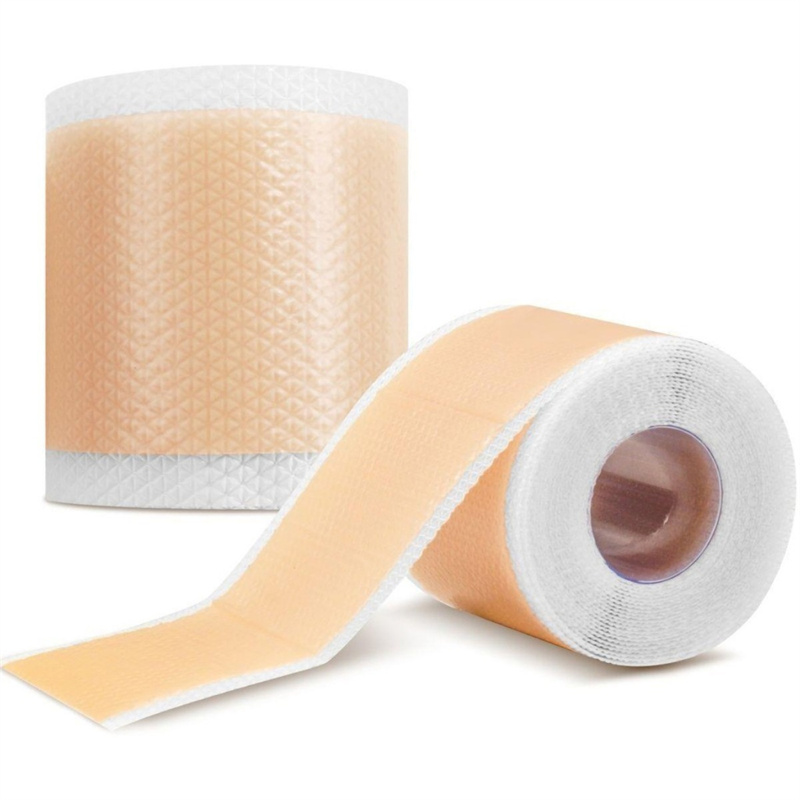
Medical IV catheter dressings are essential for securing intravenous catheters, preventing infection, and ensuring patient comfort during IV therapy. These dressings create a sterile barrier that protects the insertion site from bacteria and physical irritation while allowing visibility for monitoring.
Choosing the right IV dressing can directly influence patient outcomes, reducing the risk of catheter-related bloodstream infections (CRBSIs) and improving adherence in both clinical and home-care settings.
IV dressings are designed to maintain aseptic conditions around the catheter site. Most dressings are manufactured under strict sterile conditions and include antimicrobial options to prevent bacterial colonization.
Transparent polyurethane dressings allow healthcare professionals to visually inspect the insertion site without removing the dressing, which helps in early detection of redness, swelling, or infection.
Advanced IV dressings use medical-grade adhesives that provide secure fixation while remaining gentle on the skin. This ensures patient comfort during extended IV therapy and reduces the risk of skin irritation or pressure injuries.
Permeable dressings allow oxygen and moisture vapor to pass through, reducing maceration and keeping the skin dry. This minimizes skin complications for patients receiving long-term IV therapy.
These thin, flexible dressings adhere well to the skin and provide a clear view of the insertion site. They are commonly used for short-term IV therapy and allow for continuous monitoring without removal.
Gauze dressings are absorbent and ideal for bleeding or oozing sites. They are typically secured with tape and may require frequent changes to maintain sterility and cleanliness.
Hydrocolloid dressings provide cushioning and protection for sensitive skin while maintaining a moist environment for wound healing. They are especially useful for patients with fragile skin or repeated IV insertions.
These dressings contain silver or chlorhexidine to actively reduce microbial growth at the catheter site. Studies have shown a 30–50% reduction in CRBSI rates when antimicrobial dressings are used for high-risk patients.
Proper application is critical to the effectiveness of IV dressings. The key steps include:
| Dressing Type | Best Use | Change Frequency | Infection Prevention |
|---|---|---|---|
| Transparent Film | Short-term IV, visible site | Every 5–7 days or as needed | Good |
| Gauze | Bleeding/oozing sites | Every 1–2 days | Moderate |
| Hydrocolloid | Fragile skin | Every 5–7 days or per protocol | Good |
| Antimicrobial | High-risk patients | Every 5–7 days or as needed | Excellent |
Proper selection and application of medical IV catheter dressings ensures secure catheter fixation, reduces infection risk, and enhances patient comfort. Understanding the differences between transparent, gauze, hydrocolloid, and antimicrobial dressings allows healthcare professionals to tailor care based on patient needs and clinical conditions.
contact us
Don't hesitate to contact when you need us!

Contact Information
NO.3 Jinshui Road, Xiwu Street, Fenghua District, Ningbo, ZheJiang, China.
+86-18158557875





 English
 中文简体
中文简体
 русский
 Español