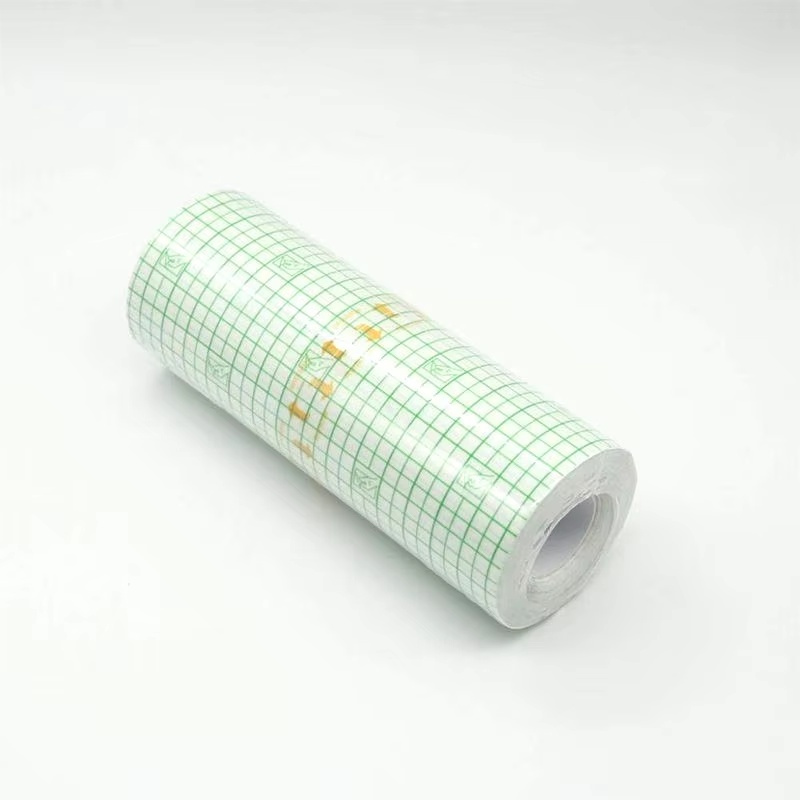
What is Medical Wound Closure Tape?
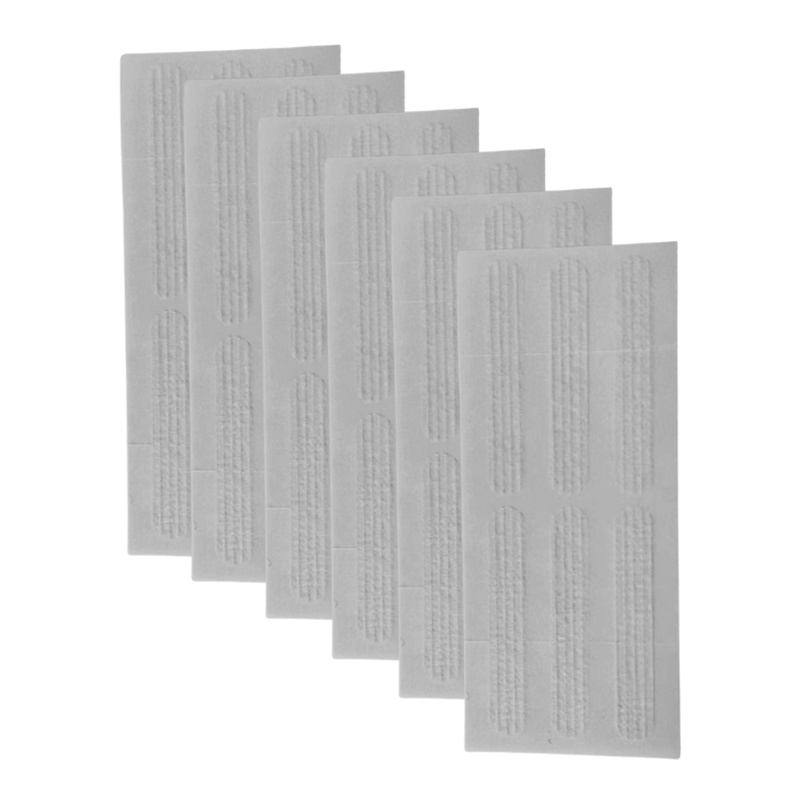
Medical wound closure tape, often referred to as surgical or adhesive wound closure strips, is a medical tool used to secure and close wounds, cuts, and surgical incisions. It is designed to hold the edges of a wound together, promoting faster healing while reducing the risk of infection and scarring. This type of tape provides a non-invasive alternative to sutures or staples, offering a simpler and less painful solution for minor to moderate wounds.
Made from a combination of adhesive materials and fabric or film backing, medical wound closure tapes are specially engineered to adhere securely to the skin without causing irritation. They come in various shapes and sizes to accommodate different wound types and locations on the body. Medical professionals often use these tapes in both hospital settings and home care environments.
Types of Medical Wound Closure Tape
Medical wound closure tapes come in a variety of types, each designed for specific applications. Below are some of the most common types:
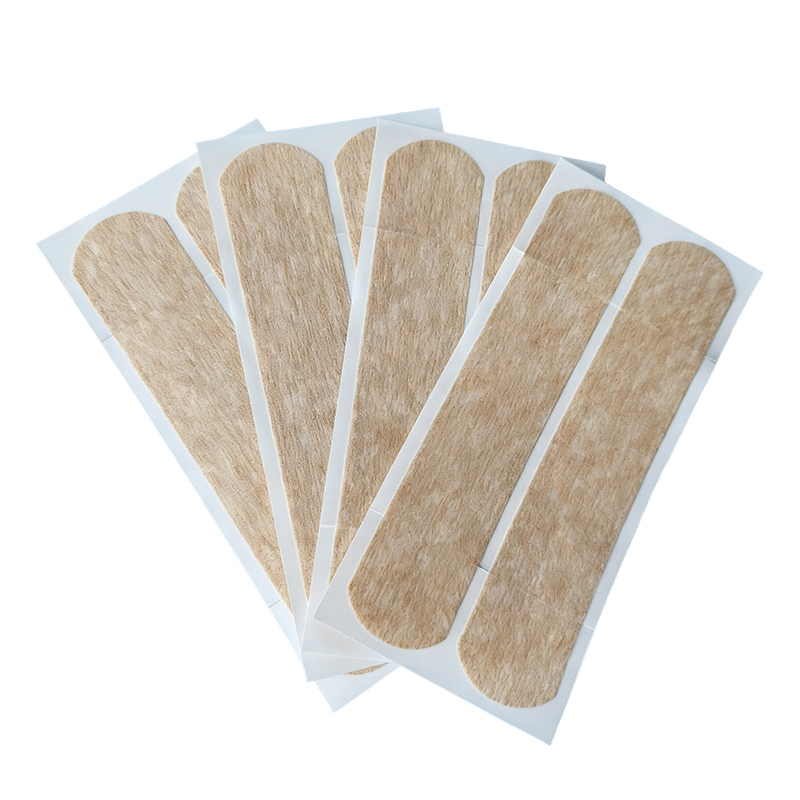
- Adhesive Skin Closure Strips: These strips are one of the most widely used types. They consist of adhesive-backed strips that are placed across a wound to hold the edges together. They are commonly used for small cuts, lacerations, and incisions after surgeries.
- Hydrocolloid Dressings: Hydrocolloid tapes are designed to provide a moist healing environment, which is particularly beneficial for chronic or hard-to-heal wounds. These tapes can absorb exudate and protect the wound from bacteria, while also reducing pain during removal.
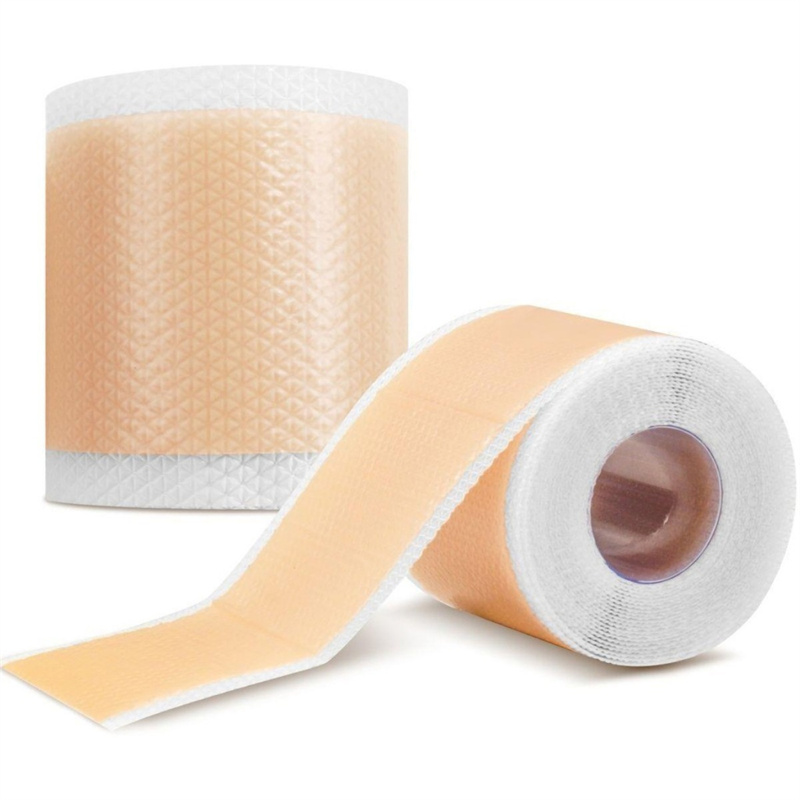
- Silicone-based Wound Closure Tape: These tapes are known for being gentle on the skin and minimizing irritation. Silicone tapes are ideal for patients with sensitive skin or those needing long-term wound care, such as post-operative wounds.
- Butterfly Bandages: These are small adhesive strips with a "butterfly" shape that are typically used to close minor cuts or incisions. The shape allows the tape to gently pull the edges of the wound together.
- Elastic Wound Closure Tape: Elastic tapes are designed to accommodate movement, making them ideal for wounds located on joints or other areas that experience frequent movement. They allow flexibility without compromising adhesion.
How Medical Wound Closure Tape Works
The primary function of medical wound closure tape is to hold the edges of a wound together to facilitate the healing process. Here's how the tape works:
- Adhesion: The tape’s adhesive properties allow it to securely stick to the skin, holding the wound edges in place. This reduces the chances of the wound reopening, thus promoting faster healing.
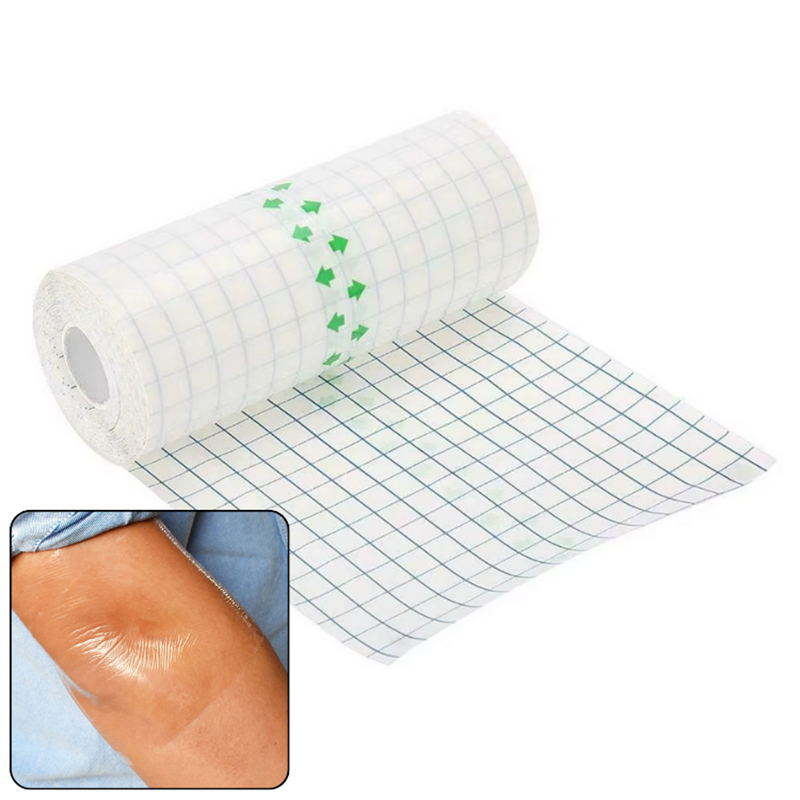
- Wound Protection: Medical wound closure tapes protect the wound from external contaminants, such as dirt and bacteria, which can increase the risk of infection.
- Flexibility and Comfort: Many types of wound closure tapes are designed to allow for some flexibility and movement, providing comfort to patients, especially when placed over joints or areas that move frequently.
- Moisture Management: Certain medical tapes, such as hydrocolloid dressings, create a moist environment around the wound. This promotes better tissue regeneration and can reduce pain during the healing process.
Benefits of Medical Wound Closure Tape
Medical wound closure tape offers numerous benefits over traditional methods such as stitches or staples. Some of the key benefits include:
- Non-invasive: Wound closure tape is non-invasive, reducing the need for needles, stitches, or other surgical procedures. This can make the healing process less painful and more comfortable.
- Reduced Scarring: When used correctly, medical wound closure tapes can minimize scarring compared to traditional sutures. This is particularly beneficial for cosmetic or visible areas of the body.
- Ease of Use: Wound closure tapes are easy to apply and require little training, making them ideal for use in emergency situations or for self-care at home.
- Less Risk of Infection: The protective barrier created by the tape reduces the exposure of the wound to bacteria, decreasing the risk of infection. Some tapes also contain antimicrobial properties to further minimize this risk.
- Comfortable and Flexible: Many tapes are designed to conform to the shape of the body, providing flexibility and comfort for patients during the healing process.
Applications of Medical Wound Closure Tape
Medical wound closure tape is used in various healthcare settings, from emergency care to post-surgical recovery. Below are some common applications:
- Post-surgical Incisions: After a surgical procedure, medical wound closure tape can be used to close incisions and reduce the risk of infection while promoting faster healing.
- Minor Cuts and Lacerations: Medical tapes are often used in place of stitches for small cuts and lacerations. They offer a quick and effective way to close wounds without the need for a professional medical procedure.
- Burns: For superficial burns, medical wound closure tape can be used to cover and protect the area, promoting healing and preventing further injury.
- Chronic Wounds: For chronic wounds such as ulcers or diabetic foot wounds, specialized wound closure tapes (e.g., hydrocolloid dressings) can help maintain a moist healing environment and speed up recovery.
- Cosmetic and Aesthetic Procedures: After cosmetic surgeries, such as facelifts or breast augmentations, medical wound closure tapes can be used to secure the incision sites and minimize scarring.
Choosing the Right Medical Wound Closure Tape
Selecting the appropriate medical wound closure tape depends on several factors, including the type of wound, its location, and the patient’s skin sensitivity. Consider the following when choosing:
- Wound Type: The type of wound (e.g., surgical, cut, burn) will dictate which tape is best. For example, hydrocolloid dressings are ideal for chronic wounds, while adhesive strips are suited for minor cuts.
- Skin Sensitivity: For patients with sensitive skin, silicone-based tapes may be preferable to reduce the risk of irritation or allergic reactions.
- Location of Wound: Tapes that offer flexibility are best for wounds on joints or areas with frequent movement, while more rigid tapes may be used for stationary wounds.






 English
 中文简体
中文简体
 русский
 Español