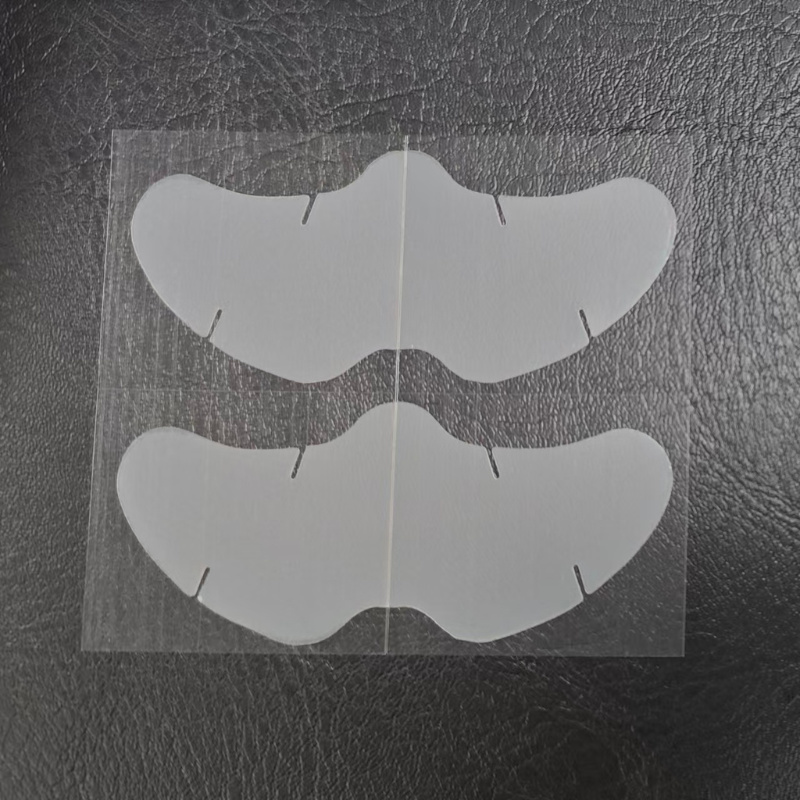
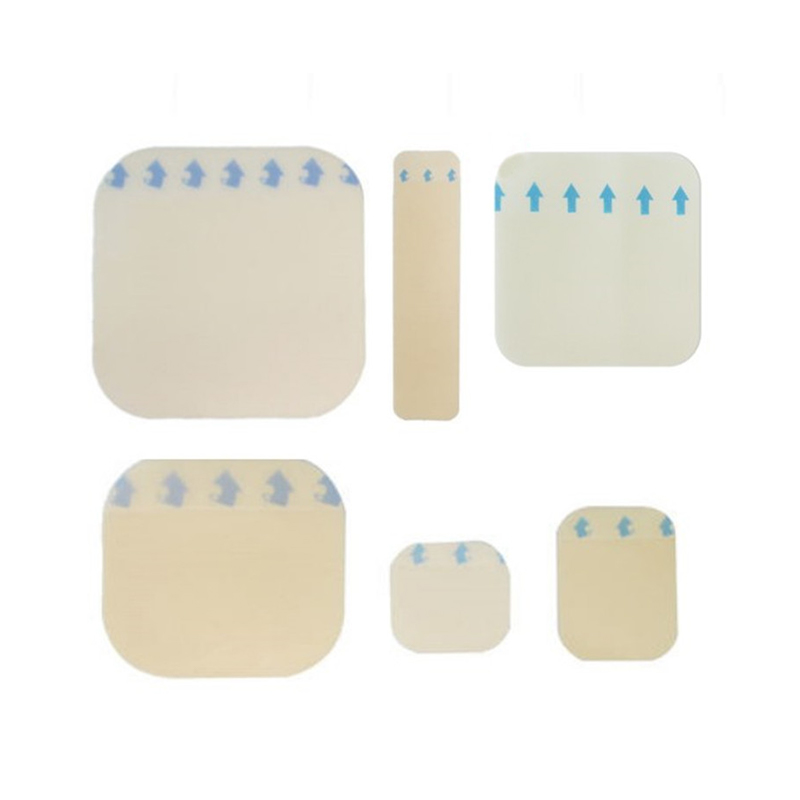
Blisters from new shoes, long hikes, or repetitive movement are painful and easy to aggravate. A standard adhesive bandage may keep dirt out, but it does little to cushion the area or speed recovery. A hydrocolloid gel bandage is different: it absorbs fluid from the blister base, turns into a soft gel cushion, and stays in place for days. For most friction blisters, it is usually regarded as the most effective first-choice treatment.
Hydrocolloid dressings are not ordinary adhesive tapes. Their gel-forming layer contains hydrophilic particles, typically carboxymethylcellulose, pectin, or gelatin, suspended in an adhesive matrix. When wound fluid contacts those particles, they swell and form a cohesive gel. This gel stays over the blister, shielding the vulnerable new skin underneath and preventing the roof of the blister from tearing.
The closed, moist environment created by the gel is a key reason for better outcomes. In moist wound healing, cells can migrate across the wound surface more easily, which reduces scab formation and supports faster re-epithelialization. The gel also spreads pressure over a wider area on the foot or hand, which lowers the pain you feel when walking or wearing shoes.
Another important feature is selective absorption. Small amounts of blister fluid are drawn into the gel, while healthy surrounding skin is not macerated because the dressing's hydrophobic outer layer keeps excess moisture out. As the gel absorbs fluid, it slowly becomes a white, dome-shaped bubble. That bubble is a normal sign that the dressing is working.
Many people reach for a familiar fabric bandage first. It is cheap and easy to find, but for a fluid-filled blister it has real limitations. Comparative testing has consistently shown that hydrocolloid patches outperform ordinary bandages in pain relief, healing time, wear time, and cushioning.
| Feature | Hydrocolloid Gel Bandage | Ordinary Adhesive Bandage |
|---|---|---|
| Pain relief | Gel cushion spreads pressure and reduces friction | Thin absorbent pad offers limited padding |
| Healing environment | Moist wound healing promotes cell migration | Dries the wound and often forms a scab |
| Wear time | Can stay on for up to 7 days | Usually requires daily replacement |
| Water resistance | Waterproof backing handles showers and sweat | Weak adhesive may peel off when wet |
| Friction protection | Low-friction surface and thicker cushion | Fabric edges can catch on socks or shoes |
The wear time is especially valuable on toes and heels, where frequent changes would disturb the healing skin. In sports settings, a bandage that stays on through sweat and foot swelling gives real consistency. The waterproof film also lets you shower without covering the patch in tape, which most people appreciate.
Hydrocolloid bandages are most useful when the blister is intact, partially torn, or already exposed but still clean and free of infection. They are a good option for friction blisters from running, hiking, rowing, or wearing new footwear. For deeper burns, infected wounds, or chronic wounds with poor blood flow, professional guidance should come first.
To apply one correctly, you do not need much skill, but a few steps make a difference:
Once applied, the dressing can stay on for several days. Change it when the white gel bubble has reached the edge of the patch, when fluid leaks, or when the patch starts to lift on its own. If you remove it early, pull it off in the direction of hair growth or use a gentle adhesive remover to avoid tearing the new skin.
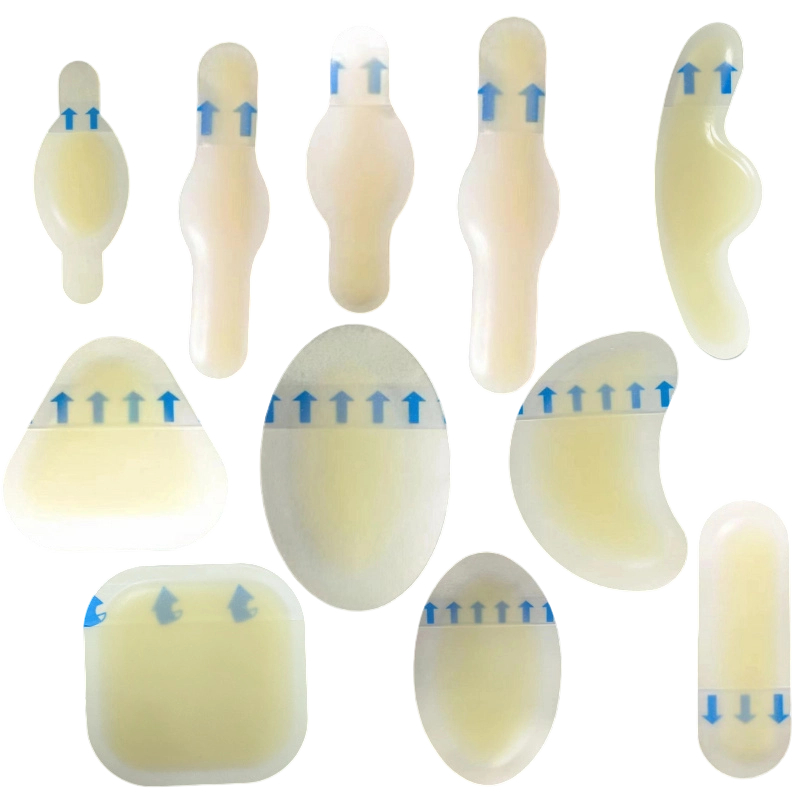
For an individual user, the best hydrocolloid patch is one that fits the blister location, skin type, and activity level. A heel patch should be thick enough to absorb fluid but have a tapered edge so it does not peel under socks. A toe patch should be small and contoured. For hot weather and open footwear, a thin, transparent patch is cosmetically nicer. Manufacturers produce many shapes and configurations because no single patch works for every blister.
For example, a well-designed hydrocolloid blister patch balances a thin edge for adhesion and a thicker center for absorption. It should also have a low-friction outer surface, because friction from shoes is what causes many blisters in the first place. That type of product is especially useful for runners and outdoor workers.
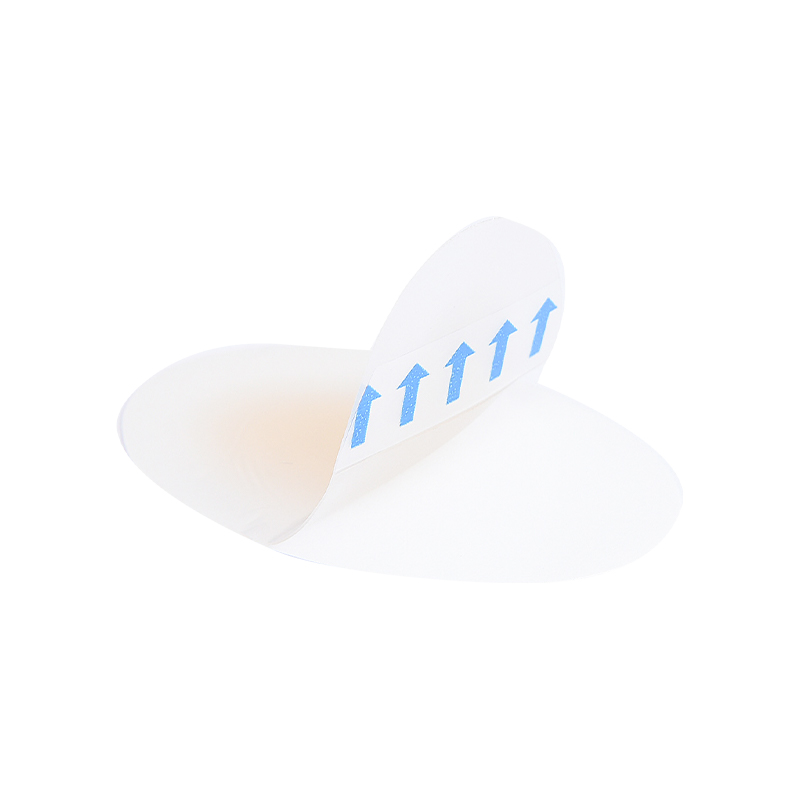 OEM/ODM Hydrocolloid Blister Patch Suppliers, Manufacturers - Ningbo Hysent MediNingbo Hysent Medical Technology Co., Ltd. is China OEM/ODM Hydrocolloid Blister Patch suppliers and manufacturers,The hydrocolloid blist...View Product →
If you notice hot spots before an actual blister forms, a slightly different tool can help. An anti-chafing patch can be placed on a high-friction area, such as the back of the heel or the side of a toe, to reduce shear and catch irritation before it becomes a blister. Many athletes use this strategy during long events.
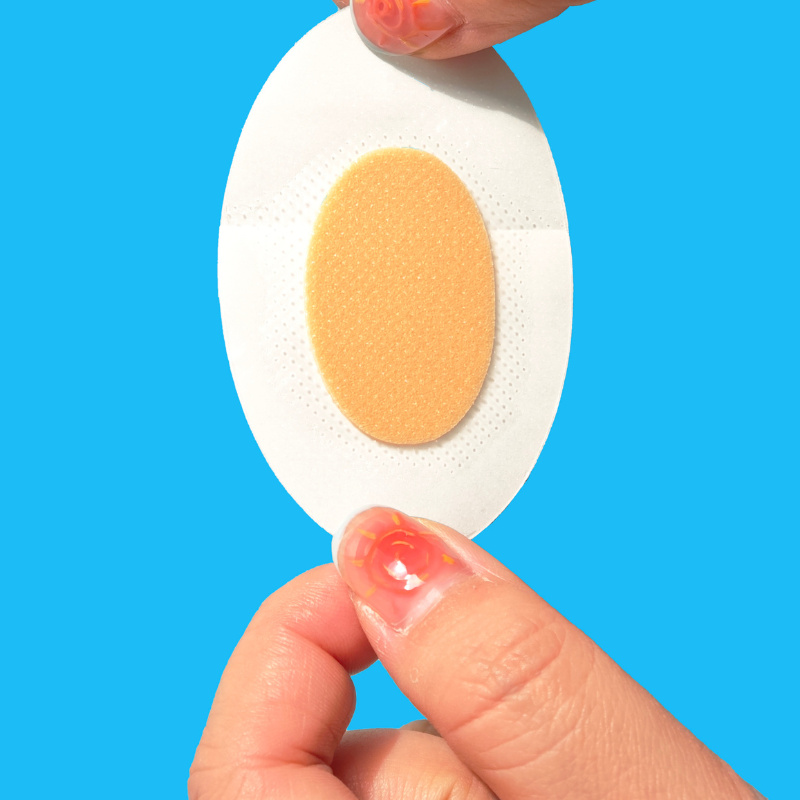 OEM/ODM Anti-Chafing Patch Suppliers, Manufacturers - Ningbo Hysent Medical TechNingbo Hysent Medical Technology Co., Ltd. is China OEM/ODM Anti-Chafing Patch suppliers and manufacturers,Anti-friction patches are prod...View Product →
For situations where you want the patch to be as invisible as possible, a water-colloid transparent patch can be worn all day on hands or feet. The translucent backing blends with the skin better than a beige pad, while still providing the same gel protection. This type is popular for hikers, dancers, and people who spend long hours in dress shoes.
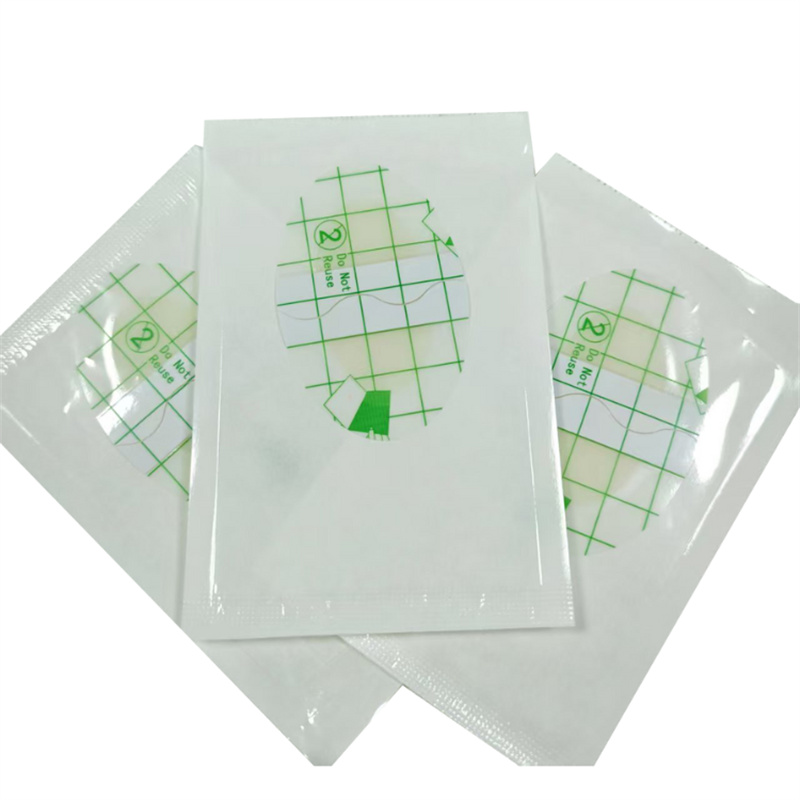 OEM/ODM Water Colloid Transparent Patch Suppliers, Manufacturers - Ningbo HysentNingbo Hysent Medical Technology Co., Ltd. is China OEM/ODM Water Colloid Transparent Patch suppliers and manufacturers,The water colloid...View Product →
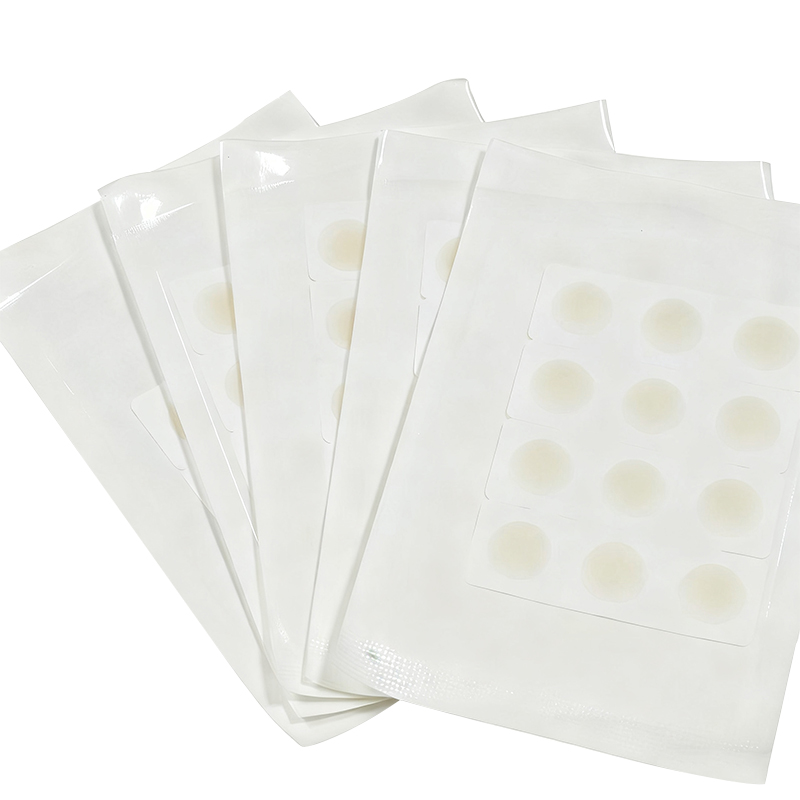
If you are a brand owner, private-label buyer, or distributor, the performance of a hydrocolloid patch depends on measurable specifications: gel thickness, absorption capacity, backing film type, adhesive tack, and release liner. These parameters influence how the patch behaves on different skin types and in different climates. For this reason, many customers prefer to work with a factory that offers OEM and ODM services rather than reselling a generic product. At a production level, you can adjust the gel formula, thickness, color, shape, and packaging. Common packaging options include paper-plastic pouches, aluminum foil bags, and cardboard boxes, depending on your market position and regulatory requirements.
Adhesion on sensitive skin is another important consideration. People with eczema or adhesive allergies may need a lower-tack adhesive and careful removal. If you are developing your own product, testing a range of adhesive levels is wise. The same is true if you use transparent dressings elsewhere; our detailed analysis of sticking and sensitive skin care with transparent dressings outlines practical considerations in a related context.
Hydrocolloid bandages are safe for routine blisters, but they are not a substitute for proper medical evaluation in certain cases. Do not use them on deep, heavily exudating wounds that need professional debridement, on infected areas with purulent discharge, or on burns that require specific burn care. Caution is also warranted for people with diabetes, peripheral arterial disease, or compromised immune function; a small blister can become a serious ulcer in those settings. If the skin feels hot, redness spreads around the patch, or you develop fever, remove the dressing and see a healthcare professional.
In normal use, the main side effect is mild maceration or an adhesive reaction. If you have a known allergy to hydrocolloid adhesives, do a patch test on undamaged skin before applying it to a blister. Remove the dressing gradually, and wash the area with mild soap and water if necessary. A layer of white residue on the skin is just gel remnants and is not harmful; it can be washed off gently.
The evidence and practical experience both point to the same conclusion: hydrocolloid gel bandages are an efficient and reliable solution for friction blisters. They reduce pain, protect the healing surface, and stay in place long enough for the skin to recover without repeated disturbance. Whether you choose a standard blister patch, an anti-chafing variant, or a transparent design, the key is matching the dressing to the blister and the activity that caused it. For commercial buyers, working with an experienced hydrocolloid dressing manufacturer opens the door to custom sizes, thicknesses, adhesives, and packaging that fit a specific market. The same hydrocolloid technology that heals blisters also helps clear up acne, as our earlier guide on how effective acne patches are for acne explains, which is useful if you are expanding a product range.
contact us
Don't hesitate to contact when you need us!

Contact Information
NO.3 Jinshui Road, Xiwu Street, Fenghua District, Ningbo, ZheJiang, China.
+86-18158557875





 English
 中文简体
中文简体
 русский
 Español