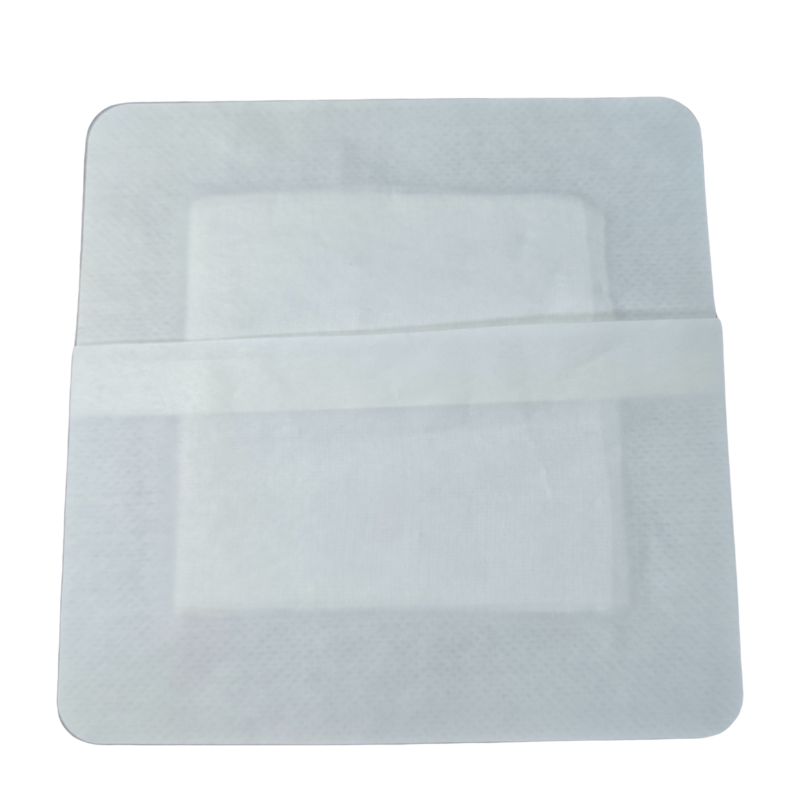
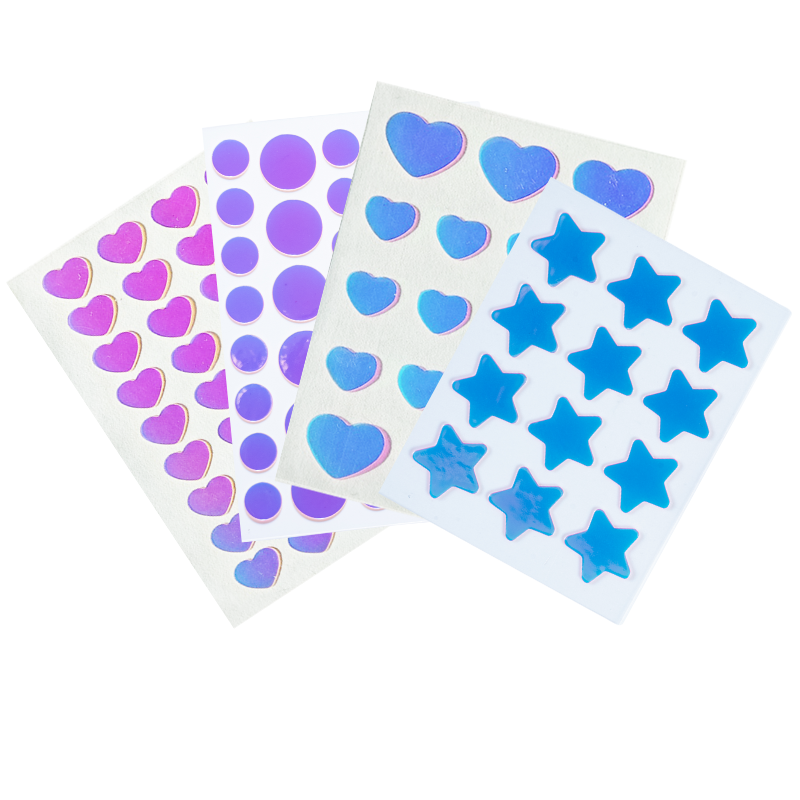
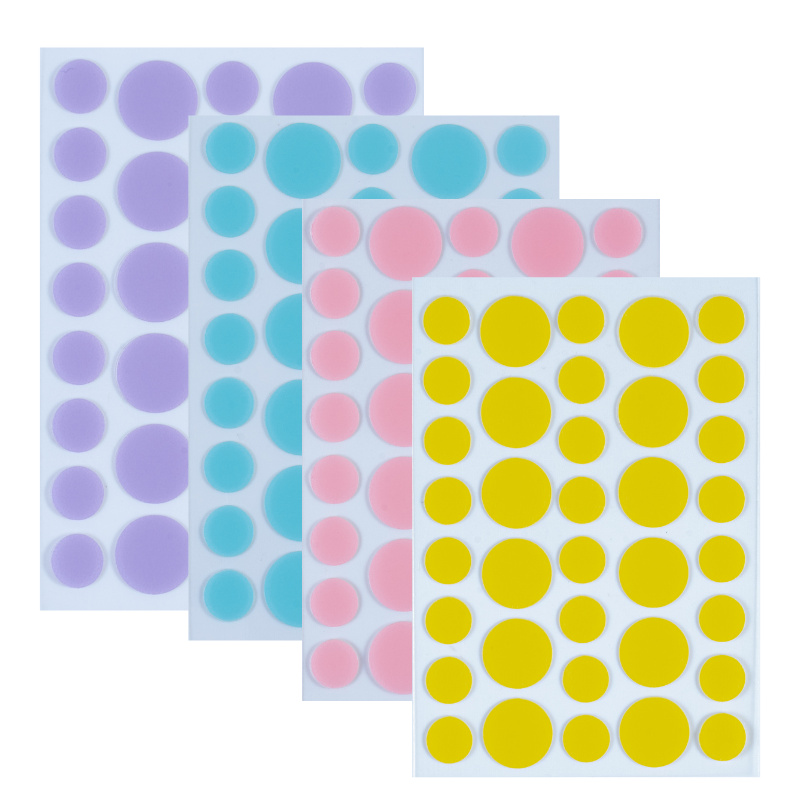
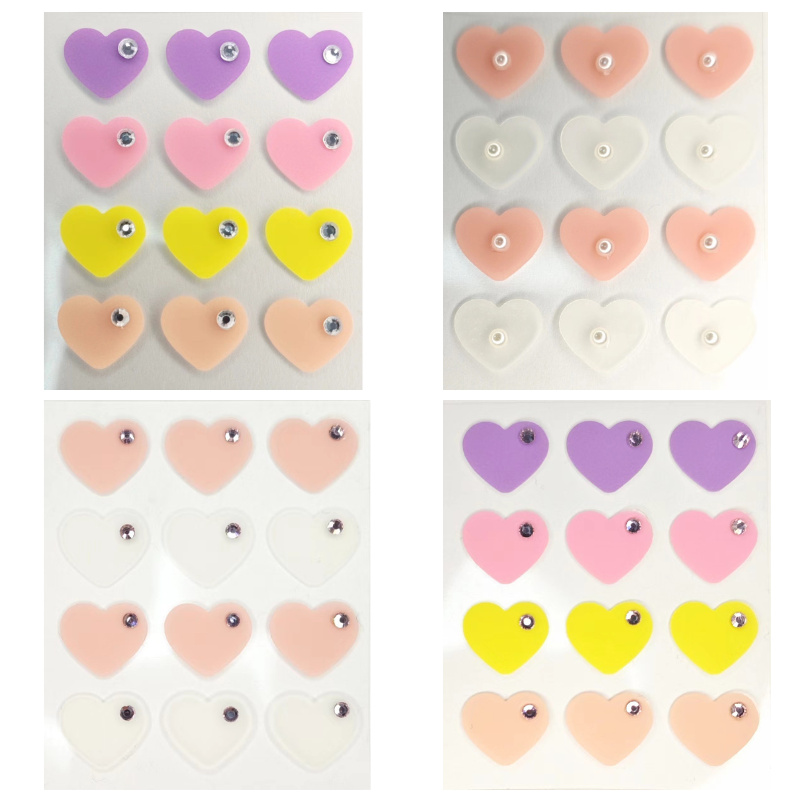
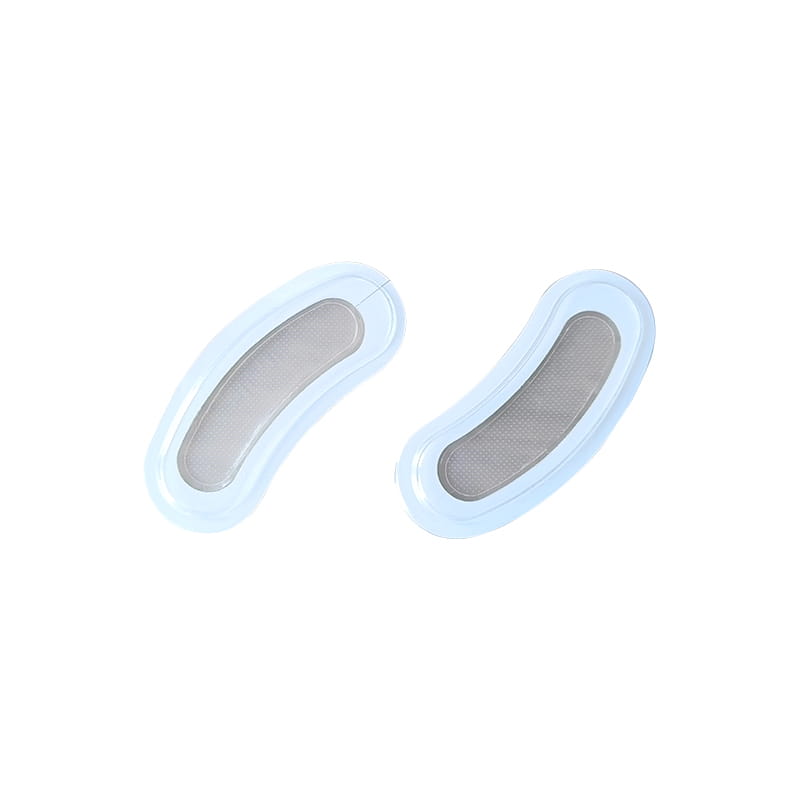
A hydrocolloid pimple patch is a small adhesive dressing designed to be placed directly over a blemish. It is derived from medical hydrocolloid materials that have long been used in wound care. These materials are known for their ability to absorb moisture while maintaining a protective barrier over the skin. In acne care, the same principle is applied to help isolate the affected area from external irritants such as bacteria, friction, and environmental pollutants.
Hydrocolloid materials are composed of polymers that swell when they come into contact with fluid. When applied to the skin, the patch adheres gently and begins interacting with moisture released from the blemish. This interaction creates a slightly gel-like environment beneath the patch, which supports a stable surface condition. Because the material is designed for prolonged skin contact, it is generally formulated to remain compatible with a wide range of skin types.
One of the most frequent questions surrounding the use of a hydrocolloid acne patch is whether it can irritate the skin. Skin irritation may present as redness, itching, dryness, or discomfort. These reactions can be influenced by individual skin sensitivity, the condition of the skin barrier, and how long the patch is worn. Understanding the causes of irritation helps clarify whether the patch itself or external factors are responsible.
The adhesive used in a hydrocolloid pimple patch plays a significant role in how the skin responds. Medical-grade adhesives are typically designed to adhere securely without aggressive bonding. This balance helps keep the patch in place while reducing stress on the outer layer of the skin. In most cases, irritation related to adhesives occurs when the skin barrier is already compromised or when patches are removed abruptly without proper care.
Skin sensitivity varies widely from person to person. Individuals with sensitive or reactive skin may notice mild redness after removing a patch, even if the product itself is designed for gentle use. This reaction does not necessarily indicate damage but rather a temporary response to occlusion or adhesive contact. For users with resilient skin, such reactions are often minimal or absent.
Occlusion refers to the sealing of the skin surface, which reduces water loss and limits exposure to air. A hydrocolloid acne patch creates this occlusive environment intentionally. While this can support blemish management, prolonged occlusion may lead to a warm, moist condition that some skin types find uncomfortable. This sensation is not always irritation but can be perceived as such if the patch is worn for extended periods.
The length of time a patch is worn has a direct relationship with skin comfort. Short-term use, such as several hours or overnight, is generally well tolerated. Wearing the same patch for too long may increase the chance of skin sensitivity, especially if the surrounding skin is dry or fragile. Following recommended wear times helps balance effectiveness and comfort.
Another common concern is whether a hydrocolloid pimple patch leaves adhesive residue on the skin after removal. Residue can feel unpleasant and may attract dirt or require additional cleansing. The likelihood of residue depends on adhesive formulation, skin condition, and removal technique. Medical hydrocolloid adhesives are typically designed to lift cleanly, reducing the chance of residue when used correctly.
Adhesive residue may occur if the patch is removed too quickly or at a sharp angle. Excessive skin oils, skincare products applied before patch placement, or prolonged wear can also influence how cleanly the patch detaches. In humid environments, adhesive behavior may change slightly, affecting removal results.
Removing a hydrocolloid acne patch slowly and gently helps minimize both irritation and residue. Peeling from one edge while supporting the skin underneath reduces tension on the surface. Some users find that removing the patch after cleansing or during a warm shower helps soften the adhesive, making removal more comfortable.
| Aspect | With Hydrocolloid Patch | Without Patch | Skin Impact |
| Exposure to bacteria | Reduced due to barrier | Direct exposure | Influences irritation risk |
| Moisture control | Absorbed and contained | Unregulated | Affects skin comfort |
| Mechanical friction | Limited contact | Frequent contact | May affect redness |
If adhesive residue is present after removal, it can usually be addressed with gentle cleansing. Using lukewarm water and a mild cleanser helps dissolve remaining adhesive without scrubbing. Oil-based cleansers may also assist in lifting residue while maintaining skin balance. Avoiding harsh rubbing helps prevent secondary irritation.
The use of skincare products before applying a hydrocolloid pimple patch can influence both irritation and residue. Heavy creams, oils, or occlusive serums may interfere with adhesion, causing uneven contact. This can lead to partial lifting, increased friction, or adhesive transfer to the skin. Applying patches to clean, dry skin generally supports better results.
Patch design, including thickness and flexibility, also affects skin response. Thinner patches tend to conform more closely to facial contours, reducing movement and tension. This flexibility can improve comfort and lower the chance of irritation during facial expressions. Thicker patches may offer stronger absorption but can feel more noticeable on the skin.
Applying a hydrocolloid acne patch to skin that is already broken or inflamed requires caution. While hydrocolloid materials are used in wound care, facial skin is more delicate. On open lesions, sensitivity may be heightened, increasing the chance of discomfort during removal. In such cases, careful monitoring of skin response is important.
Using patches repeatedly on the same area may influence skin tolerance. While occasional use is generally well tolerated, continuous application without breaks may lead to dryness or sensitivity in some users. Allowing the skin time to recover between applications can help maintain comfort and barrier function.
Environmental factors such as temperature, humidity, and air quality can affect how the skin responds to adhesive products. High humidity may increase adhesion strength, while dry conditions may make the skin more prone to irritation. Lifestyle factors, including frequent face touching or mask wearing, may also interact with patch use.
Perception plays a role in how irritation or residue is experienced. Knowing that a hydrocolloid pimple patch is designed for medical-style skin contact can provide reassurance, reducing anxiety-related sensitivity. Users who feel confident in the product may interpret mild sensations as neutral rather than problematic.
| Method | Skin Contact Type | Residue Risk | Irritation Potential |
| Hydrocolloid acne patch | Localized adhesive | Low when removed properly | Varies by sensitivity |
| Topical creams | Spread over area | Possible product buildup | Related to formulation |
| Drying treatments | Direct chemical action | Not applicable | May cause dryness |
When used as directed, a hydrocolloid pimple patch is generally considered compatible with long-term skincare routines. Its design focuses on localized treatment rather than widespread chemical exposure. Over time, users often learn how their skin responds and can adjust usage patterns accordingly to maintain comfort.
Developing simple habits can reduce the likelihood of irritation or residue. Applying patches to freshly cleansed skin, limiting wear time, and removing them gently all contribute to a more comfortable experience. Observing how the skin reacts after each use provides valuable feedback for future applications.
The experience of using a hydrocolloid pimple patch varies based on skin type, application method, and environmental conditions. While mild redness or temporary marks may occur for some users, these effects are often short-lived. Adhesive residue is generally uncommon when patches are applied and removed correctly, making them a practical option for targeted blemish care without extensive skin disruption.
contact us
Don't hesitate to contact when you need us!

Contact Information
NO.3 Jinshui Road, Xiwu Street, Fenghua District, Ningbo, ZheJiang, China.
+86-18158557875





 English
 中文简体
中文简体
 русский
 Español