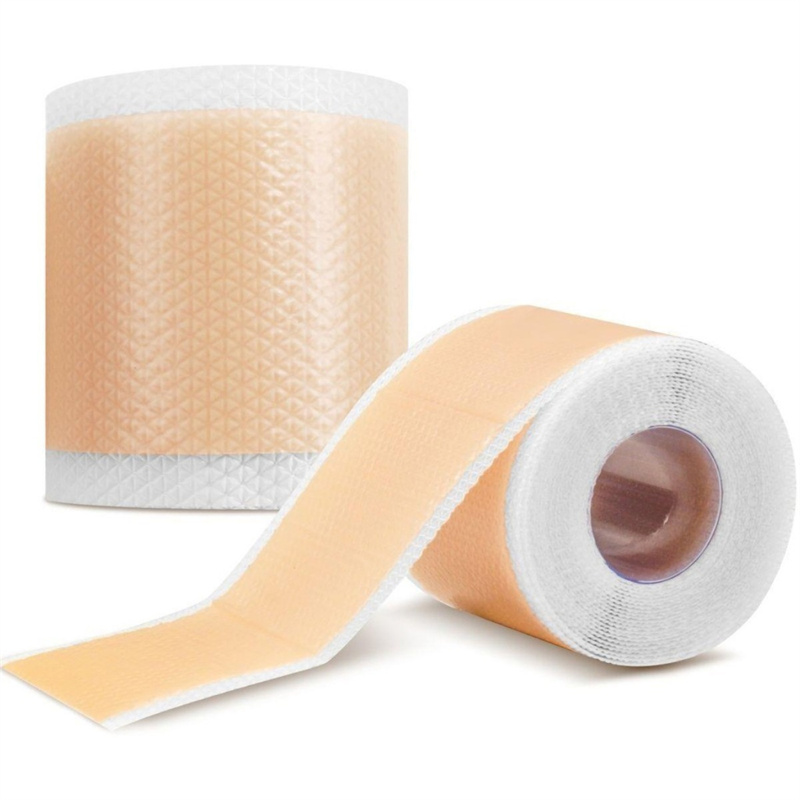
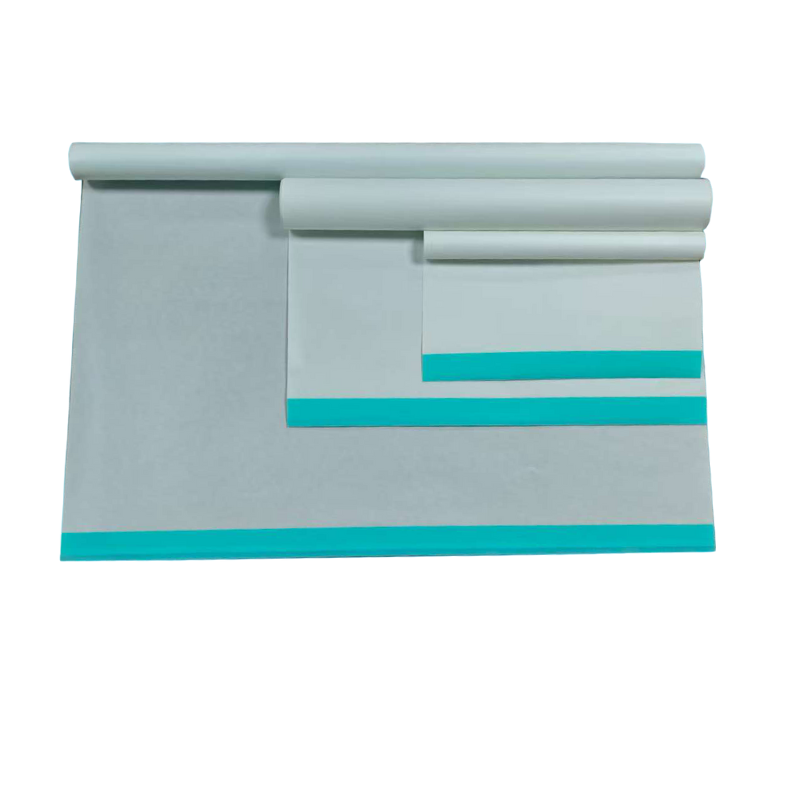
Medical surgical films are essential components in modern healthcare practices. These films are often used to cover wounds, surgical incisions, and other sensitive areas of the body to protect them from external contaminants. Surgical films are designed to provide a barrier against bacteria, moisture, and other environmental factors that may interfere with the healing process. They are commonly made from materials such as polyurethane, silicone, and other biocompatible polymers, which offer flexibility, durability, and breathability. However, one of the most important features of these films is their ability to prevent bacterial infections, which can complicate recovery and lead to more severe complications.
Surgical films are designed to act as protective barriers for the skin or surgical site. Their primary role is to prevent contaminants, including bacteria, from entering a wound or incision. When applied correctly, these films help reduce the risk of infection by creating an impermeable shield that prevents bacterial entry while still allowing the skin to breathe. Many films are also designed to be waterproof, which further prevents bacteria from infiltrating the wound from external sources like water or bodily fluids.
The effectiveness of medical surgical films in preventing bacterial infections largely depends on the quality of the material, the integrity of the film, and the conditions under which it is applied. High-quality surgical films typically incorporate antimicrobial agents or are designed to be highly resistant to bacterial colonization, ensuring that the wound is better protected against infection. However, it is important to understand that while surgical films play a key role in infection prevention, they are not infallible, and proper application and maintenance are critical to their effectiveness.
The effectiveness of medical surgical films in preventing bacterial infections is based on several key factors. First, many surgical films are made from materials that are inherently resistant to bacterial growth. These materials are often treated with antimicrobial coatings that prevent bacteria from adhering to the surface of the film. This reduces the likelihood of bacteria migrating from the surface of the film to the wound, a process that could otherwise lead to infection.
Second, the adhesive properties of surgical films ensure that the film adheres securely to the skin or surgical site, creating a tight seal around the wound. This seal helps to prevent bacteria from entering the wound while maintaining a sterile environment. In addition, many surgical films are designed to be highly breathable, allowing for the passage of air and moisture vapor. This breathable feature helps to maintain a balanced environment that supports the natural healing process without promoting bacterial growth.
Lastly, surgical films are designed to be waterproof, which adds an additional layer of protection. By preventing water and other liquids from coming into contact with the wound, the film reduces the chances of bacterial contamination from external sources. This is especially important in surgical environments or for patients who may be at higher risk of infection due to compromised immune systems.
Many modern medical surgical films are enhanced with antimicrobial agents to provide an additional level of protection against bacteria. These agents work by either inhibiting the growth of bacteria or killing bacteria on contact. There are several types of antimicrobial agents commonly used in surgical films, including silver-based compounds, iodine, and chlorhexidine.
Silver is one of the most widely used antimicrobial agents in medical products, including surgical films. Silver ions have been shown to interfere with the metabolic processes of bacteria, preventing their growth and replication. Silver has broad-spectrum antimicrobial activity, meaning it is effective against a wide range of bacteria, including both gram-positive and gram-negative organisms. Many surgical films contain silver or silver-based compounds that are incorporated into the material to provide continuous antimicrobial protection.
Iodine is another common antimicrobial agent used in medical products. Iodine works by disrupting the cell walls of bacteria and preventing their replication. It is especially effective against a wide range of microorganisms, including bacteria, viruses, and fungi. Iodine-releasing surgical films are particularly useful in environments where infection control is a top priority, such as in hospitals or surgical settings.
Chlorhexidine is another antimicrobial agent commonly used in medical applications. It is known for its ability to kill bacteria by disrupting their cell membranes. Chlorhexidine is effective against a wide range of bacteria and is commonly used in surgical films to reduce the risk of infection. It is particularly effective against both gram-positive and gram-negative bacteria, making it a versatile option for infection prevention.
While medical surgical films are effective at preventing bacterial infections in many cases, they do have some limitations. One of the primary challenges is the risk of the film becoming compromised due to improper application, prolonged use, or physical trauma. If the film is not applied securely or if it becomes damaged or detached, it can no longer provide an effective barrier against bacteria, potentially increasing the risk of infection.
Another limitation is that not all surgical films are designed to provide protection against all types of bacteria. Some films may be more effective against specific types of bacteria or pathogens, while others may have limited antimicrobial properties. For example, films treated with silver or iodine may provide superior protection against certain types of bacteria but may not be as effective against others. It is essential to choose the appropriate type of surgical film based on the patient's risk factors and the potential sources of infection.
Additionally, while surgical films can provide a barrier against external contaminants, they are not capable of addressing the internal factors that may contribute to infection. For instance, if the patient has an underlying condition that impairs their immune system or if the surgical site is contaminated during the procedure, the surgical film alone may not be sufficient to prevent infection. In such cases, proper wound care and additional infection control measures, such as antibiotic therapy or sterile dressing changes, may be required.
For medical surgical films to effectively prevent bacterial infections, proper application and maintenance are essential. The film should be applied in a sterile environment, and it should be checked regularly to ensure it remains intact and securely adhered to the skin. Any signs of damage, such as tears, peeling, or detachment, should be addressed promptly to prevent the entry of bacteria into the wound.
In addition to ensuring the physical integrity of the film, it is important to follow the manufacturer's guidelines regarding the length of time the film should remain in place. Surgical films are typically designed for short-term use, and leaving them on for extended periods may increase the risk of bacterial growth under the film, particularly if moisture accumulates between the film and the skin. It is also important to replace the film as recommended by the healthcare provider to maintain optimal protection.
Furthermore, patients should be instructed to avoid touching or disturbing the film once it has been applied. Touching the film with unclean hands or introducing bacteria from the environment can compromise its effectiveness. It is essential to practice good hygiene when handling the wound site or changing the film to minimize the risk of infection.
Numerous clinical studies have been conducted to evaluate the effectiveness of medical surgical films in preventing bacterial infections. These studies typically assess the infection rates in patients who have surgical wounds or injuries and are using surgical films for protection. The results of these studies generally show that surgical films can significantly reduce the risk of infection when used correctly.
For example, studies comparing the use of antimicrobial-coated surgical films with standard dressings have shown that antimicrobial films reduce the incidence of infection, particularly in surgical wounds that are at high risk of bacterial contamination. The use of silver, iodine, or chlorhexidine-releasing films has been shown to be effective in reducing infection rates in both hospital and outpatient settings.
While the results are promising, it is important to note that the effectiveness of surgical films may vary depending on factors such as the type of wound, the patient's overall health, and the specific bacteria involved. In some cases, additional measures, such as antibiotic treatment or more frequent dressing changes, may be necessary to ensure complete infection control.
contact us
Don't hesitate to contact when you need us!

Contact Information
NO.3 Jinshui Road, Xiwu Street, Fenghua District, Ningbo, ZheJiang, China.
+86-18158557875





 English
 中文简体
中文简体
 русский
 Español