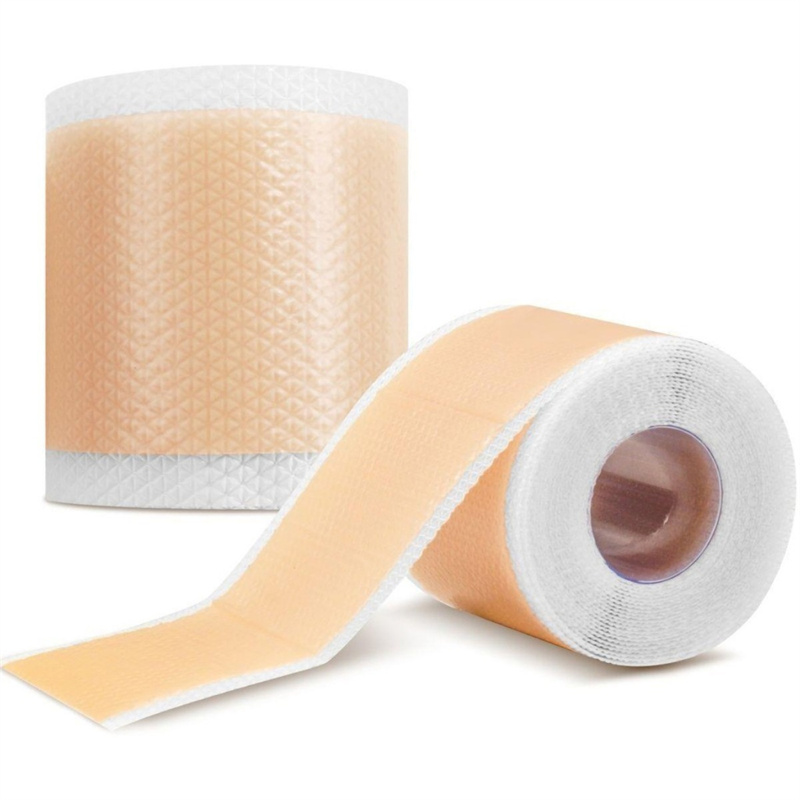
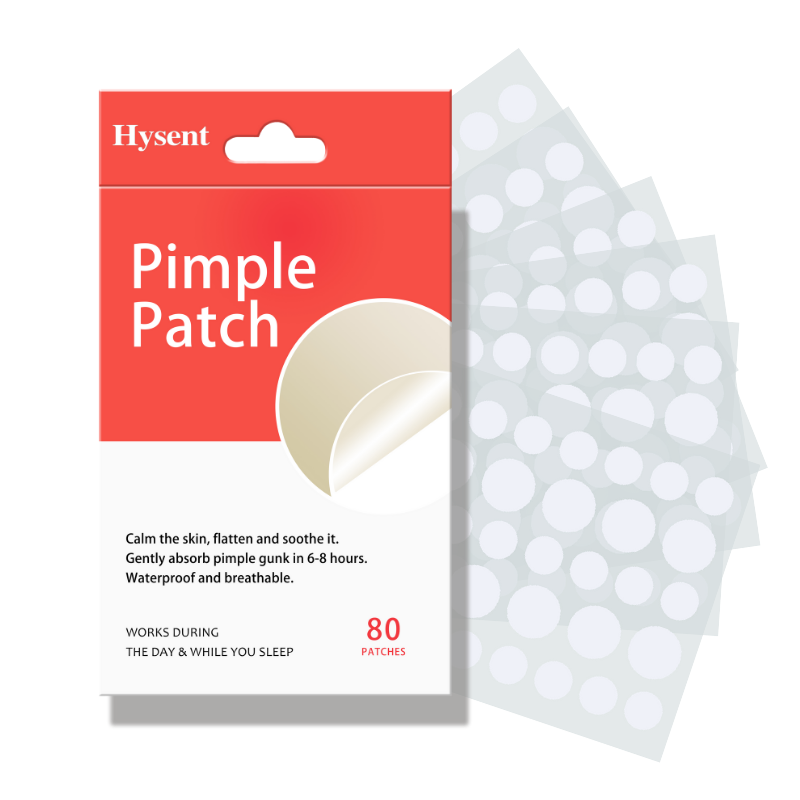
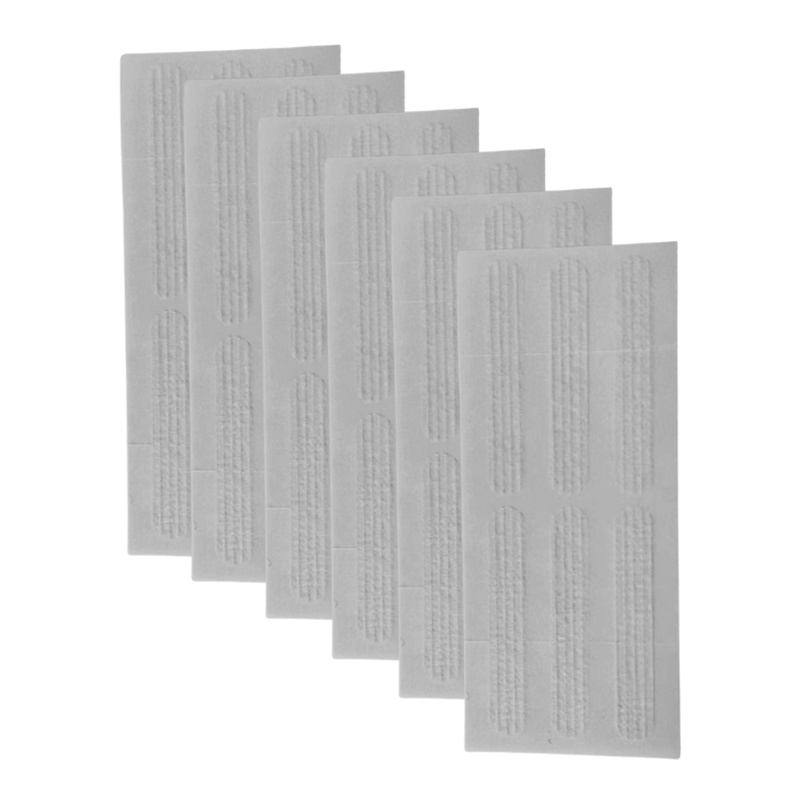
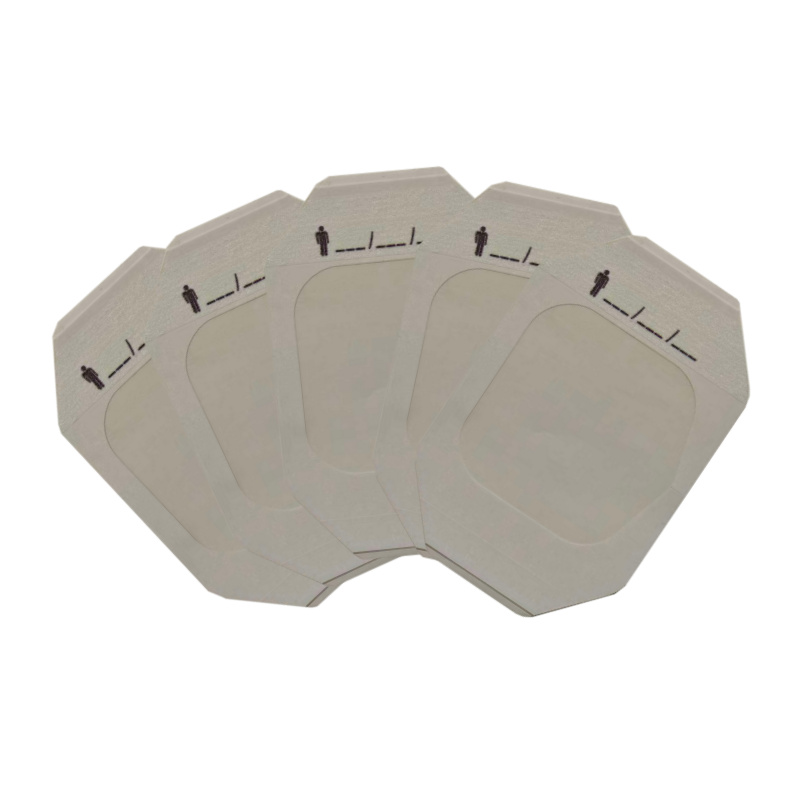
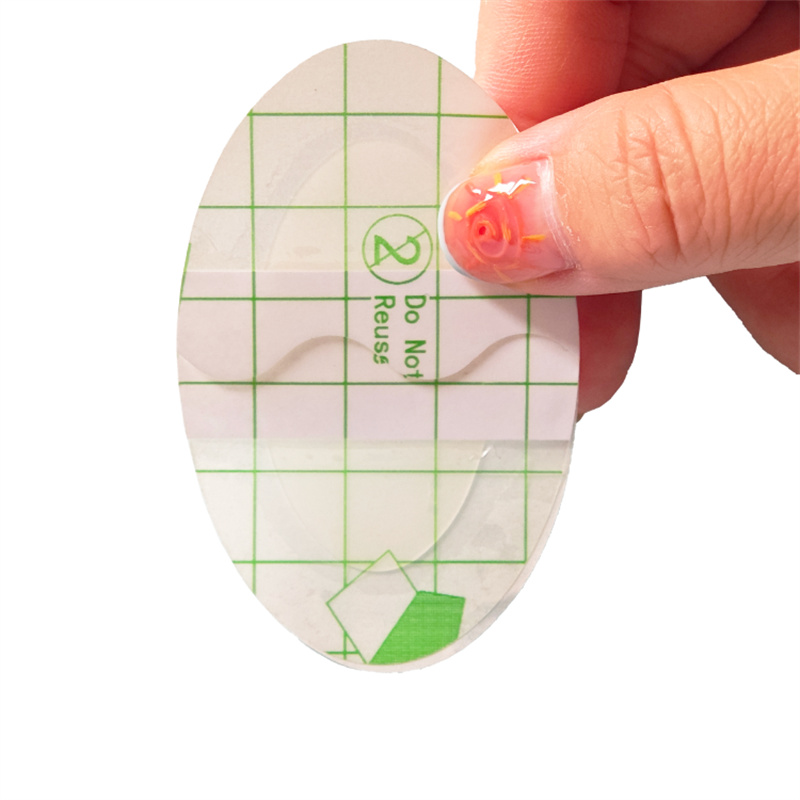
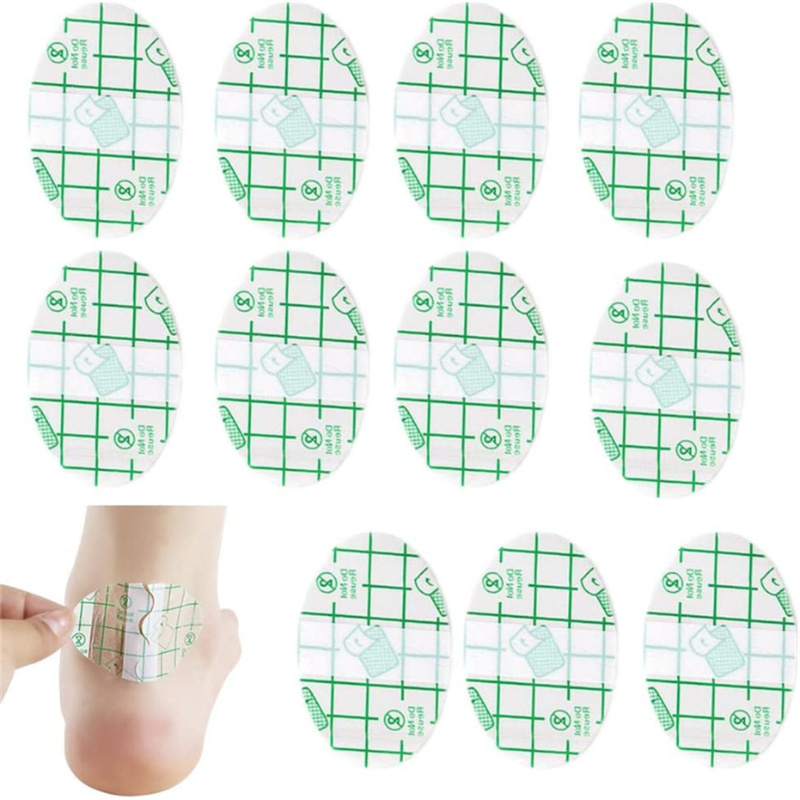
Medical transparent dressings are specialized wound coverings made from thin, flexible, and adhesive materials that allow visualization of the wound while providing protection. These dressings are widely used in hospitals, clinics, and home care settings to cover minor cuts, surgical incisions, catheter insertion sites, and other skin injuries. The transparency allows healthcare providers and patients to monitor the healing process without removing the dressing, which reduces the risk of contamination. Beyond visibility, transparent dressings are designed to create a barrier that prevents bacteria, viruses, and other external contaminants from reaching the wound site.
The protective capabilities of medical transparent dressings are largely dependent on the materials used. Common materials include polyurethane films, silicone adhesives, and hydrocolloid layers. Polyurethane films are semi-permeable, allowing moisture vapor to escape while blocking liquid water and pathogens. Silicone adhesives provide gentle adhesion that minimizes skin irritation and maintains an effective seal around the wound. Hydrocolloid layers, when included, offer additional protection by absorbing exudate and maintaining a moist wound environment, which can promote faster healing. These combined features ensure that the dressing forms a reliable barrier against external contaminants.
Medical transparent dressings function as physical barriers that prevent the infiltration of bacteria, viruses, and other particles. The adhesive film creates a seal around the wound, limiting gaps through which microorganisms could enter. The material itself is dense enough to block pathogens while still allowing oxygen and water vapor exchange. By maintaining a controlled environment around the wound, the dressing reduces the risk of infection, which is critical for patient safety and effective wound healing. Proper application, including cleaning and drying the skin before placement, is essential for maximizing the barrier effect.
In addition to microorganisms, transparent dressings protect wounds from external contaminants such as dust, dirt, and chemical splashes. The semi-permeable film prevents these substances from reaching the injury while allowing the skin to breathe. This is particularly important in environments where wounds may be exposed to occupational hazards, outdoor activities, or other situations where contamination risk is elevated. The durability and flexibility of the dressing ensure that it remains intact during movement and daily activities, providing sustained protection.
Adhesion is a critical factor for the effectiveness of transparent dressings. A secure fit prevents microorganisms from entering beneath the edges of the dressing and maintains a stable protective barrier. Silicone adhesives are commonly used because they provide a strong yet gentle attachment that can conform to body contours without causing skin damage upon removal. Ensuring that the dressing fully covers the wound and forms a continuous seal is necessary for optimal protection against bacteria, viruses, and contaminants.
The transparent nature of these dressings allows healthcare providers and patients to observe the wound for signs of infection, inflammation, or other complications without removing the dressing. This visual monitoring reduces the frequency of dressing changes, which can further minimize the risk of contamination. Transparent dressings also help track the accumulation of exudate, redness, or swelling, enabling timely interventions when necessary. The combination of visibility and protective function makes these dressings practical for both acute and long-term wound care.
| Feature | Description | Benefit |
|---|---|---|
| Material | Polyurethane film with silicone adhesive | Blocks bacteria and viruses while allowing oxygen and moisture vapor exchange |
| Barrier Protection | Seals wound from external contaminants | Reduces infection risk and promotes healing |
| Transparency | Clear film covering the wound | Allows continuous monitoring without removal |
| Adhesion | Gentle yet secure attachment | Maintains barrier effectiveness and minimizes skin trauma upon removal |
Durable transparent dressings maintain their protective properties over extended periods. They are resistant to water, mild friction, and normal body movements, which prevents gaps or peeling that could compromise protection. The semi-permeable nature allows controlled moisture release without letting in pathogens. Depending on the wound type and location, dressings can remain effective for several days before replacement is needed. Consistent protection reduces the frequency of dressing changes, thereby lowering the potential for contamination.
For optimal performance, proper application and care are essential. The skin should be cleaned and dried before applying the dressing to ensure strong adhesion. The edges should be pressed firmly to form a complete seal around the wound. Dressings should be replaced when the adhesive loses effectiveness, when saturation occurs, or when visible contamination is present. Following these guidelines ensures that the protective and barrier properties are maintained, reducing the risk of infection and promoting a favorable healing environment.
contact us
Don't hesitate to contact when you need us!

Contact Information
NO.3 Jinshui Road, Xiwu Street, Fenghua District, Ningbo, ZheJiang, China.
+86-18158557875





 English
 中文简体
中文简体
 русский
 Español