Medical wound closure tape is a specialized adhesive product used to close small wounds or cuts, offering an alternative to stitches or staples. These tapes are designed to secure the edges of a wound together, promoting healing while minimizing the risk of infection. Typically, wound closure tapes are used in cases where the wound is not deep enough to require stitches but still needs to be properly closed to facilitate healing. While these tapes are effective for a range of individuals, their suitability for babies and those with sensitive skin requires careful consideration.
Sensitive skin refers to skin that is more prone to irritation, redness, itching, or allergic reactions when exposed to certain substances, such as chemicals, adhesives, or fabrics. Babies, in particular, often have more delicate skin due to its thinner structure and developing barrier functions. This makes them more vulnerable to skin irritation and allergic reactions. Individuals with conditions like eczema, psoriasis, or other dermatological disorders may also experience heightened skin sensitivity, which can complicate the use of some medical products.
For these reasons, it is important to evaluate any medical product, including wound closure tape, before using it on individuals with sensitive skin. The adhesive properties of the tape, as well as the material used in its construction, can either promote healing or cause discomfort and additional skin problems. When choosing medical products for babies or those with sensitive skin, it is essential to consider both the effectiveness of the product in wound care and its compatibility with sensitive skin conditions.
Medical wound closure tapes are typically made from materials like non-woven fabric, silicone, polyurethane, or paper. These materials vary in terms of their adhesive strength, breathability, and gentleness on the skin. Some tapes are designed to be hypoallergenic, meaning they are less likely to cause allergic reactions or irritation. When considering the use of wound closure tape on babies or individuals with sensitive skin, it is important to look for tapes made from materials that are specifically designed to be gentle and non-irritating.
For example, silicone-based wound closure tapes are often recommended for people with sensitive skin due to their low adhesion strength, which allows for easier removal and reduced risk of skin damage. These tapes are generally more breathable, which helps maintain a proper moisture balance on the skin. Paper tapes, on the other hand, are lightweight and often used in clinical settings for individuals with more delicate skin, as they can be removed without causing excessive discomfort.
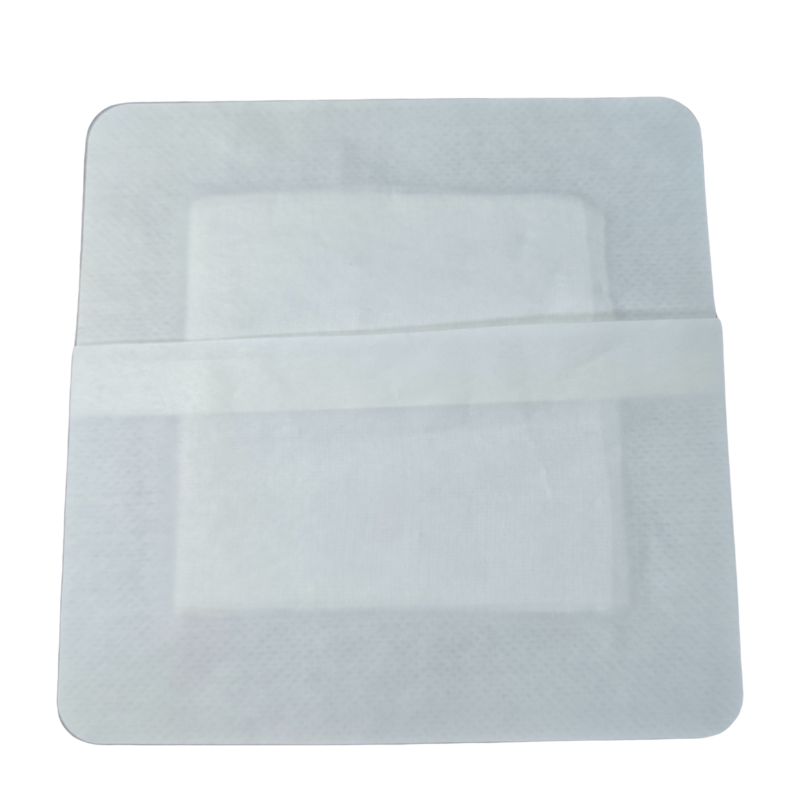
Additionally, tapes that are made from non-woven fabrics are usually softer and more flexible, making them a good choice for babies or individuals with skin conditions. However, the adhesive on these tapes must be carefully tested to ensure it is gentle enough for sensitive skin while still providing secure wound closure.
One of the primary benefits of medical wound closure tape is its ability to provide an alternative to sutures and staples, which can be more invasive and uncomfortable, especially for babies or individuals with sensitive skin. Wound closure tape is often used in cases where the wound is small and clean, and sutures or staples would be unnecessary. It can also be an excellent option for individuals who are afraid of needles or those who need a quicker, less invasive healing solution.
For babies, using medical wound closure tape can minimize the stress and discomfort often associated with more invasive wound closure methods. Since the tape is usually less painful to apply and remove compared to stitches, it provides a less traumatic experience, especially when dealing with small cuts or abrasions. Similarly, the use of gentle, hypoallergenic tapes reduces the likelihood of skin irritation, making it more suitable for babies and individuals with sensitive skin.
Another key advantage of medical wound closure tape is that it promotes faster healing by holding the wound edges together while allowing the skin to breathe. Unlike traditional dressings that may trap moisture and bacteria, medical wound closure tape is often designed to be breathable, which helps maintain an optimal environment for wound healing. This is especially important for individuals with sensitive skin, as it reduces the risk of secondary infections or further irritation that could occur with less breathable materials.
While medical wound closure tape offers many benefits, there are some potential risks and considerations when using it on babies or individuals with sensitive skin. One of the main concerns is the potential for skin irritation or allergic reactions caused by the adhesive. Some adhesives used in medical tapes can cause redness, itching, or blisters, particularly if the tape is left on for an extended period or if the skin is exposed to moisture. These reactions are more likely in babies, whose skin is more fragile and sensitive to external irritants.
Additionally, the removal of medical wound closure tape can be problematic for those with sensitive skin. If the tape is removed too quickly or without proper technique, it may tear the skin or cause further irritation. For babies, this can be especially concerning, as their skin may not heal as quickly from the trauma caused by improper tape removal. Therefore, it is crucial to follow manufacturer instructions on how to apply and remove the tape to minimize the risk of skin damage.
It is also important to note that not all wound closure tapes are suitable for use on all types of wounds. For example, in cases where the wound is deep or requires more secure closure, wound closure tape may not provide sufficient support. In such cases, traditional sutures or staples may be necessary, even if the individual has sensitive skin. Moreover, some tapes may not be as effective in preventing infection if they are not applied correctly or if the adhesive does not form a complete seal around the wound.
Choosing the right medical wound closure tape for babies or individuals with sensitive skin requires careful consideration of several factors. First, it is important to select a tape that is specifically labeled as hypoallergenic, as this indicates that it is less likely to cause allergic reactions. Tapes that are made with silicone or paper are often preferred for sensitive skin, as these materials are less likely to cause irritation and are easier to remove.
Another factor to consider is the size and type of the wound. For small, shallow cuts, a wound closure tape may be a good option. However, for larger or deeper wounds, it may be necessary to use other forms of wound closure, such as stitches or staples, to ensure proper healing. In some cases, a combination of wound closure tape and other dressings may be recommended to provide both closure and protection from infection.
It is also important to ensure that the tape is breathable and able to maintain a proper moisture balance on the skin. This helps prevent the buildup of bacteria and supports a healing environment. Some tapes are designed with a special adhesive that allows air to circulate while still holding the wound edges together. This is particularly beneficial for babies and individuals with sensitive skin, as it reduces the risk of further irritation and promotes faster healing.
For babies or individuals with particularly sensitive skin, there are alternative options to medical wound closure tape that may be more suitable. One option is using sterile adhesive strips that are designed for sensitive skin. These strips are often made from softer materials and use a gentler adhesive, making them less likely to cause irritation during application or removal.
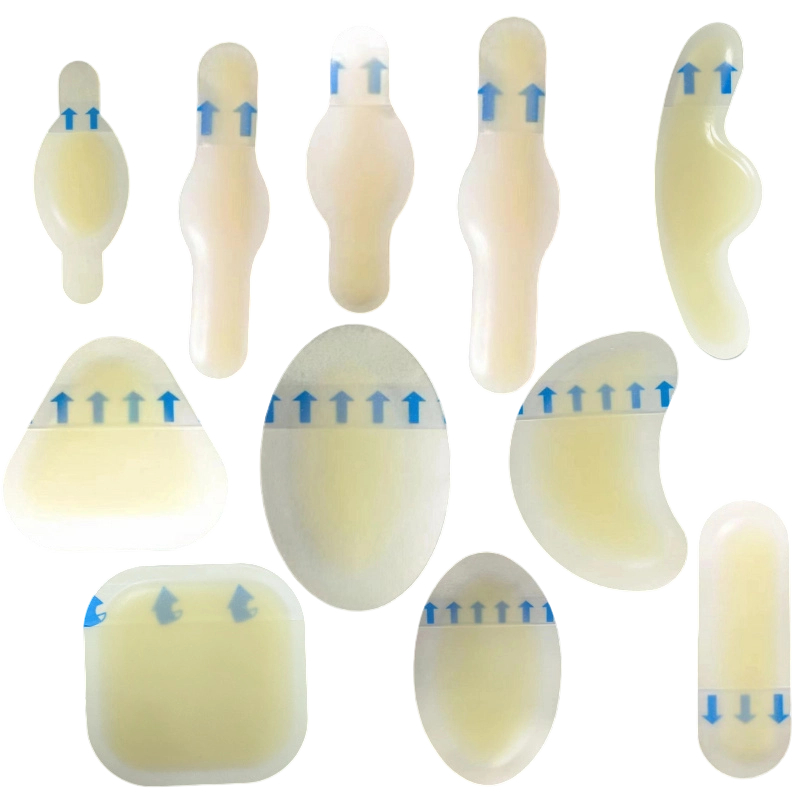
Silicone-based wound care products are another good alternative for sensitive skin. Silicone gels or sheets are often used in wound management and have been shown to help with healing while minimizing irritation. These products are designed to be gentle on the skin and can be applied over the wound for added protection and support.
For those who are particularly concerned about the potential risks of using medical wound closure tape, consulting with a healthcare professional is advisable. A doctor or pediatrician can provide guidance on the most appropriate wound care options based on the specific needs of the individual, especially if they have sensitive skin or underlying medical conditions that require special attention.
contact us
Don't hesitate to contact when you need us!

Contact Information
NO.3 Jinshui Road, Xiwu Street, Fenghua District, Ningbo, ZheJiang, China.
+86-18158557875





 English
 中文简体
中文简体
 русский
 Español