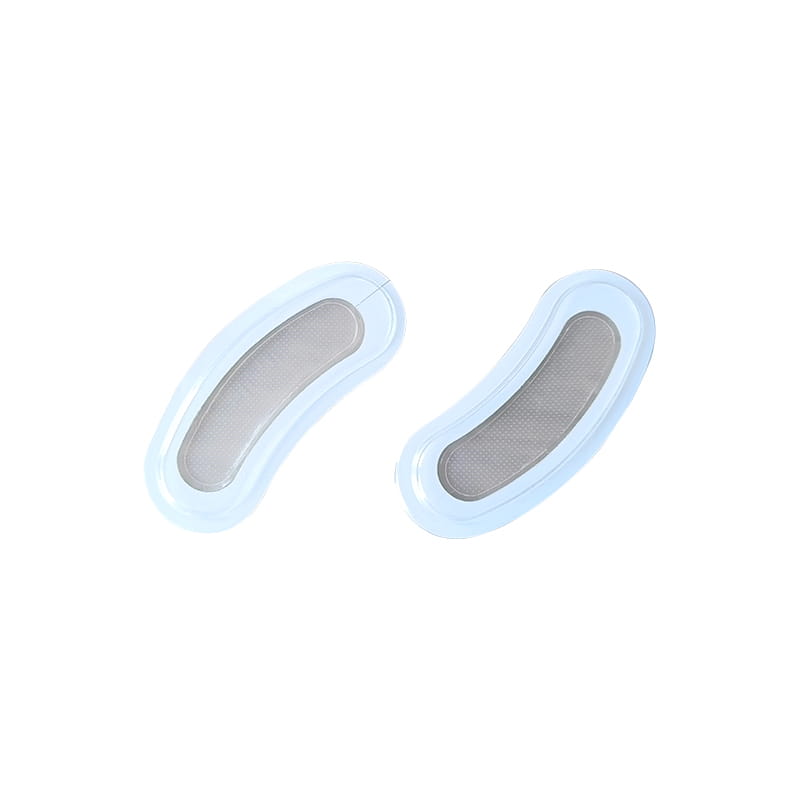
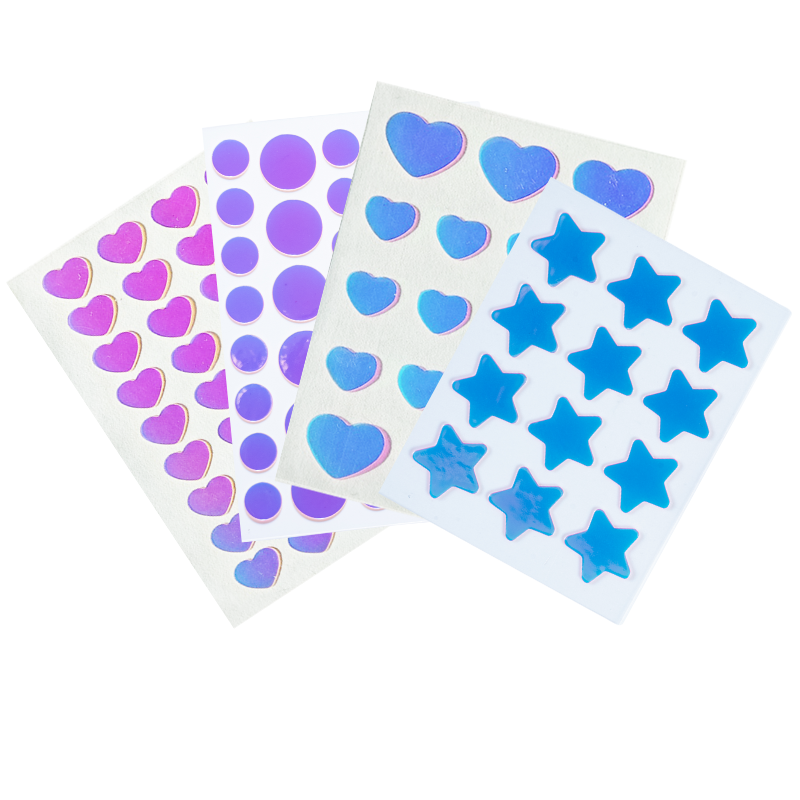
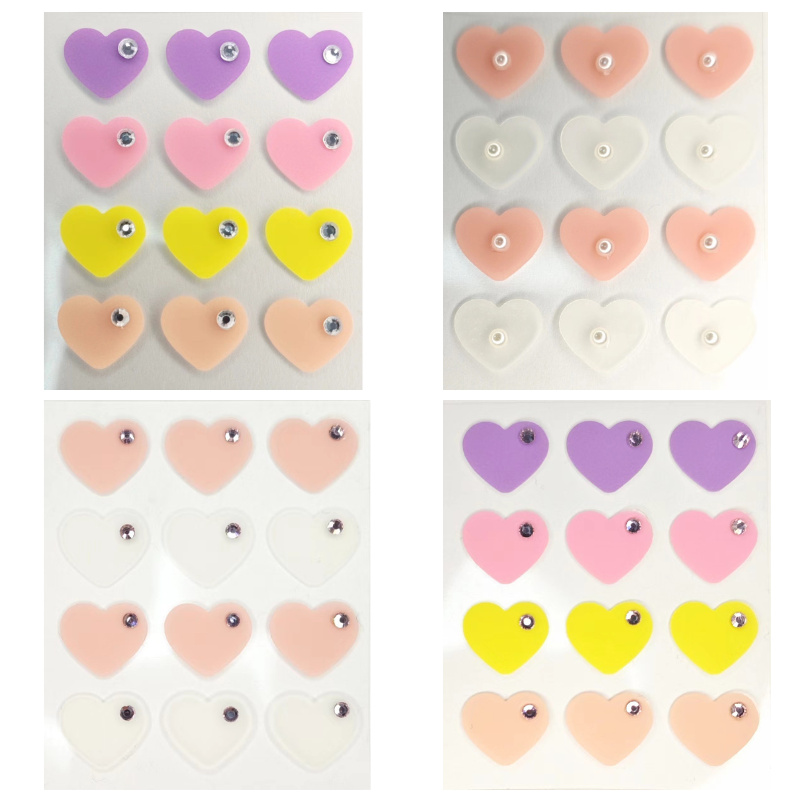
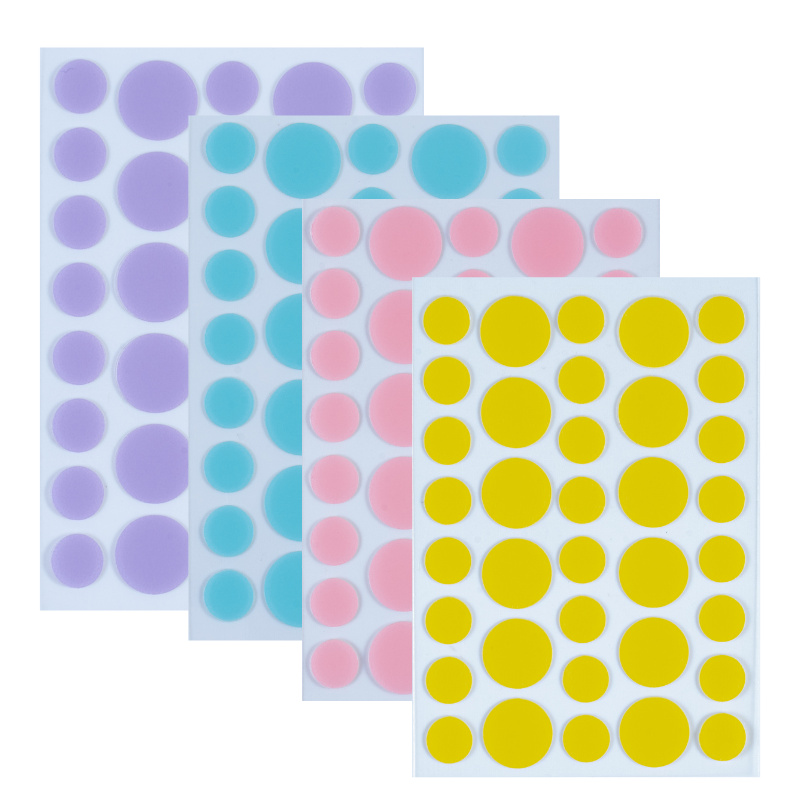
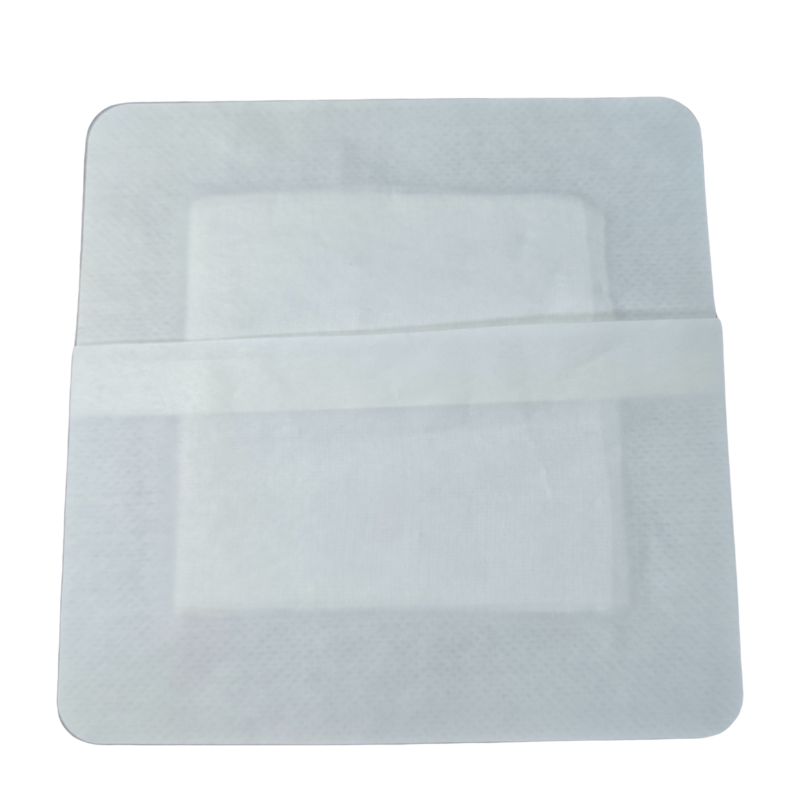
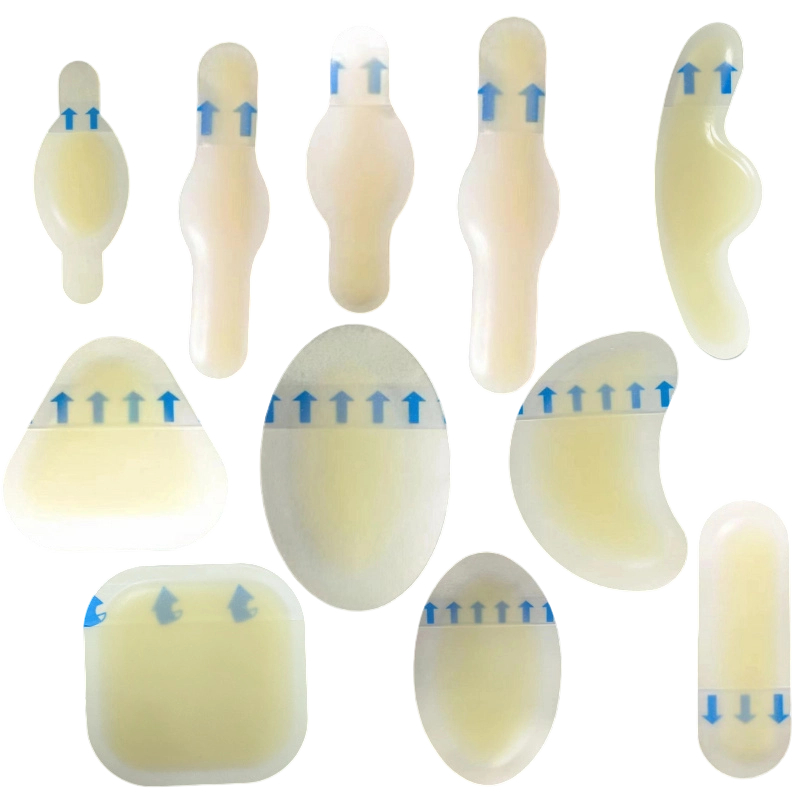
Medical blister patches are specialized adhesive dressings designed to protect skin areas affected by blisters. These patches serve both as a barrier against external irritants and as a cushioning layer to reduce friction and pressure on sensitive skin. The design of a blister patch generally includes a soft, flexible material that conforms to the shape of the body part while maintaining a secure seal. The patches are intended to be applied directly over blisters or areas prone to friction, such as heels, toes, or the palms of the hands, providing targeted protection and promoting comfort during daily activities.
The effectiveness of medical blister patches in cushioning and protecting blisters largely depends on their material composition. Common materials include hydrocolloids, silicone gels, and foam layers. Hydrocolloid patches absorb moisture from the blister environment, forming a gel-like layer that reduces mechanical stress and prevents friction from damaging the skin. Silicone gel layers provide softness and flexibility while offering gentle adhesion that does not further irritate sensitive skin. Foam-based patches offer additional cushioning against impact and pressure, making them suitable for high-pressure areas or activities that involve repetitive motion.
Blister patches cushion affected areas by distributing pressure across a wider surface. The flexible material absorbs some of the mechanical forces that would otherwise be concentrated directly on the blister, reducing discomfort and the risk of further injury. By maintaining a protective barrier between the skin and footwear or other surfaces, the patch mitigates friction that can rupture or enlarge the blister. The thickness and elasticity of the patch play a critical role in determining how well it can absorb pressure while still remaining comfortable and conforming to body contours.
Blister formation is often caused by friction between skin layers or between the skin and external surfaces. Medical blister patches are designed to minimize this friction by providing a smooth, low-friction interface. Hydrocolloid and silicone surfaces reduce shear forces, preventing the skin from rubbing against shoes, clothing, or tools. Some patches incorporate textured or adhesive layers that anchor the patch in place, ensuring it remains effective even during movement or prolonged use. This friction-reducing function is essential for preventing the blister from worsening and for maintaining skin integrity during healing.
To effectively protect a blister, the patch must adhere securely to the surrounding skin without causing additional damage upon removal. Medical blister patches often use gentle adhesives that maintain attachment under normal movement and moisture conditions. A secure fit prevents contaminants such as dirt or bacteria from entering the blister area, which could lead to infection or delayed healing. Proper adhesion also ensures that the cushioning properties are maintained, as a patch that slips or folds may expose the blister to friction and pressure.
The durability of blister patches is important for ensuring continuous protection. High-quality patches are resistant to moisture, sweat, and light friction, allowing them to remain in place for several hours or even days. This reduces the need for frequent replacement and minimizes disruption to daily activities. Foam or hydrocolloid layers maintain their cushioning properties over time, even under repeated contact with footwear or other surfaces. Long-lasting adhesion combined with consistent cushioning ensures that blisters receive sustained protection, which is critical for effective healing.
In addition to protection, medical blister patches are designed for comfort and mobility. Their flexibility allows them to conform to various body contours, and thin, low-profile options reduce bulkiness under shoes or clothing. The cushioning properties provide relief from pain while allowing normal movement, making it easier to walk, exercise, or perform routine tasks without aggravating the blister. Patches that combine comfort with effective protection contribute to overall usability and compliance, as individuals are more likely to keep the patch in place when it does not cause discomfort or restrict movement.
| Patch Type | Material | Cushioning Effect | Friction Reduction | Recommended Use |
|---|---|---|---|---|
| Hydrocolloid | Gel-forming adhesive | Moderate | High | Blisters on heels, toes, or areas prone to friction |
| Silicone Gel | Soft silicone | Moderate | Moderate to high | Delicate skin or sensitive areas prone to pressure |
| Foam | Polyurethane or soft foam | High | Moderate | High-pressure areas or sports-related use |
For optimal protection, medical blister patches should be replaced according to usage and condition. Patches may become saturated with fluid, lose adhesion, or shift position over time. Regular inspection ensures that the patch continues to provide effective cushioning and friction protection. Clean and dry skin surfaces before reapplying new patches help maintain adhesion and reduce the risk of skin irritation. Following manufacturer guidelines for replacement frequency and usage duration maximizes both protection and comfort for blister-prone areas.
contact us
Don't hesitate to contact when you need us!

Contact Information
NO.3 Jinshui Road, Xiwu Street, Fenghua District, Ningbo, ZheJiang, China.
+86-18158557875





 English
 中文简体
中文简体
 русский
 Español