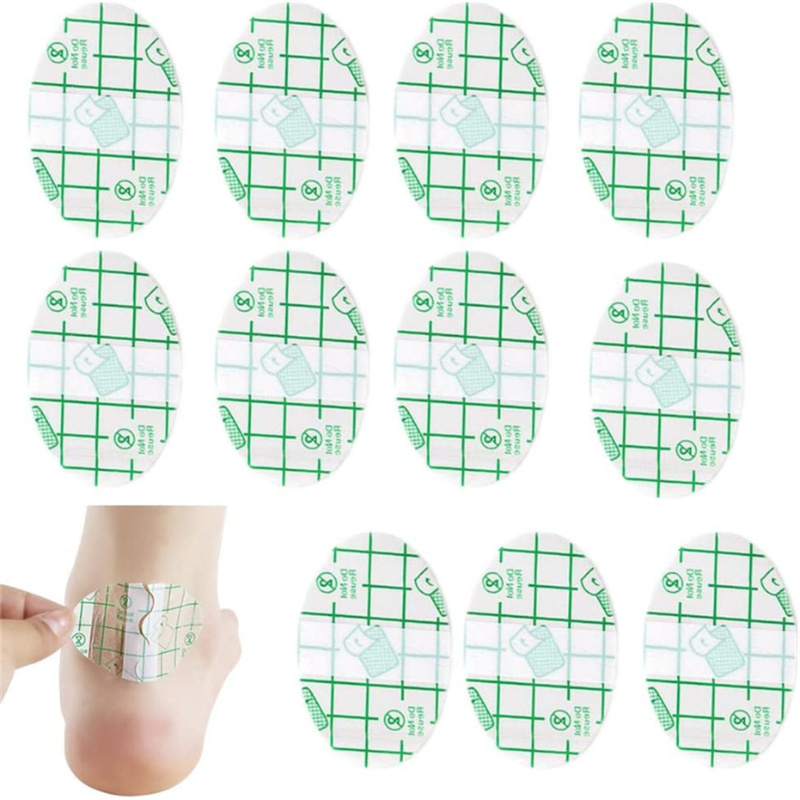
Medical transparent dressings are commonly used in healthcare settings for wound care. These dressings are thin, flexible, and made of transparent materials that allow for easy monitoring of the wound without having to remove the dressing. They are designed to protect wounds from external contaminants, such as bacteria and dirt, while maintaining a moist environment that promotes healing. These dressings are often used for minor cuts, abrasions, and post-surgical wounds, but their suitability for chronic wounds or ulcers is a subject of interest. Chronic wounds and ulcers present unique challenges in wound care, requiring specific management strategies to prevent complications and promote healing.
Chronic wounds are wounds that fail to heal within a typical time frame, often due to underlying conditions such as diabetes, poor circulation, or immune system disorders. They are frequently found in patients with conditions like venous insufficiency, arterial disease, or diabetes, and they tend to persist for months or even years. Ulcers are a common type of chronic wound, often occurring on the lower extremities due to compromised blood flow. They can result in significant pain, discomfort, and potential complications if not treated appropriately. Common types of ulcers include diabetic ulcers, venous ulcers, and pressure ulcers (also known as bedsores). Chronic wounds and ulcers are particularly difficult to manage, as they may involve factors such as poor circulation, infection, or delayed tissue regeneration, all of which complicate the healing process.
Transparent dressings are made from materials such as polyurethane or silicone, which are designed to be breathable, waterproof, and flexible. These dressings have a thin, adhesive backing that sticks to the skin around the wound, creating a barrier that helps protect the wound from moisture, bacteria, and dirt while still allowing for some air exchange. One of the key advantages of transparent dressings is that they allow healthcare professionals and patients to observe the wound without removing the dressing, thus minimizing the risk of infection and promoting faster healing. Furthermore, transparent dressings create a moist wound environment that supports tissue repair, reduces pain, and accelerates the healing process.
There are several benefits to using medical transparent dressings for chronic wounds and ulcers. One of the main advantages is their ability to maintain a moist wound environment, which is crucial for promoting healing. Moisture is essential for tissue regeneration, as it prevents the wound from drying out and forming a scab, which can delay healing. Transparent dressings also help protect the wound from mechanical damage, such as friction or pressure, which can exacerbate the wound and impede recovery. Additionally, because transparent dressings are flexible, they can conform to the shape of the wound, allowing for greater comfort and mobility for the patient. Moreover, their transparency allows for easy inspection of the wound without the need for frequent dressing changes, which can reduce discomfort and the risk of disrupting newly formed tissue.
While transparent dressings offer many advantages, they may not always be suitable for all types of chronic wounds or ulcers. One of the key challenges is that these dressings may not provide enough absorption for heavily exuding wounds. Chronic wounds, especially ulcers, often produce large amounts of exudate, which can overwhelm the absorption capacity of a transparent dressing. When this happens, the dressing can become saturated, and the wound may be exposed to the risk of maceration, where the skin around the wound becomes softened and more vulnerable to further damage. Additionally, for chronic wounds with a high risk of infection, the transparency of the dressing may not provide adequate protection against contamination, especially if the dressing is not applied or removed correctly.
The suitability of a medical transparent dressing for the treatment of chronic wounds or ulcers depends on several factors. These include the size, depth, and location of the wound, as well as the type of exudate being produced. In cases where the wound produces minimal exudate, transparent dressings may be highly effective in promoting healing by providing a protective barrier and maintaining a moist environment. However, for wounds with moderate to heavy exudate, a dressing with higher absorbency may be necessary. In such cases, transparent dressings may need to be combined with other dressing materials, such as foam or hydrocolloid dressings, which can provide better absorption and protection against infection.
The amount of exudate produced by a wound is an important consideration when choosing a dressing. Exudate is a fluid produced by the body in response to injury, and it contains nutrients and immune cells that aid in healing. However, excessive exudate can delay healing if it accumulates around the wound or causes maceration of the surrounding skin. Transparent dressings are ideal for wounds with low to moderate exudate, as they create a barrier that prevents excessive moisture loss while allowing the wound to "breathe." However, for wounds that produce large amounts of fluid, these dressings may not be sufficient to manage the exudate, and a more absorbent dressing may be required. Some transparent dressings have a semi-permeable design that allows for fluid to pass through, but the rate of absorption may not be enough for high-exudating chronic wounds.
Infection control is a key concern in the treatment of chronic wounds and ulcers. Transparent dressings are designed to be waterproof, which can help protect the wound from external contaminants such as bacteria and dirt. However, the material of the dressing may not offer full protection in cases where the wound is at a higher risk of infection. For example, chronic ulcers that are exposed to bacteria over long periods of time may require a dressing with antimicrobial properties or a more robust barrier to reduce the risk of infection. Some transparent dressings are designed with antimicrobial agents incorporated into their material, providing an additional layer of protection. In cases where infection is a concern, healthcare providers may choose to use a combination of dressings to ensure that the wound remains clean and free from harmful bacteria.
Pressure ulcers, also known as bedsores, are a common type of chronic wound that can occur when prolonged pressure is applied to a specific area of the skin, typically over bony prominences. These wounds are often seen in patients who are bedridden or have limited mobility. Transparent dressings can be effective for pressure ulcers that are in the early stages of development or have minimal exudate. Their flexibility and ability to conform to the shape of the body can help provide a comfortable and protective barrier for the wound. However, for more severe pressure ulcers that involve deeper tissue damage or produce significant exudate, transparent dressings alone may not be sufficient. In such cases, more absorbent dressings, such as hydrocolloids or foam dressings, may be more appropriate to manage the wound's needs and prevent infection.
Diabetic foot ulcers are another common type of chronic wound that can be difficult to treat. These ulcers are often caused by poor circulation, nerve damage, and high blood sugar levels, which impair the body’s ability to heal wounds. Transparent dressings can be useful in the management of diabetic foot ulcers, particularly in the early stages of healing. They help to maintain a moist environment that supports tissue regeneration, and their transparency allows for easy monitoring of the wound. However, due to the nature of diabetic ulcers, which may produce a high amount of exudate and have a significant risk of infection, these dressings may need to be used in conjunction with more absorbent or antimicrobial dressings for optimal results.
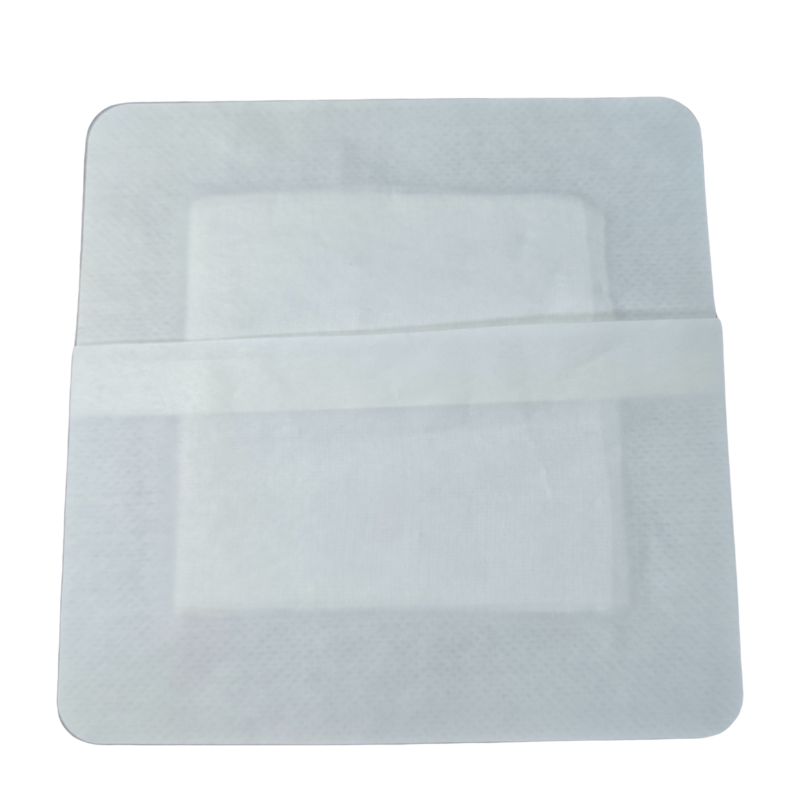
In many cases, medical transparent dressings are used in combination with other dressing materials to provide comprehensive care for chronic wounds and ulcers. For example, a transparent dressing may be placed over an absorbent dressing to provide a protective barrier while still allowing the wound to be monitored. Alternatively, a transparent dressing may be used to cover a wound that has been treated with an antimicrobial or hydrocolloid dressing to ensure that the wound is sealed off from external contaminants. The combination of dressings allows healthcare providers to tailor the treatment plan to the specific needs of the wound, improving the chances of successful healing.
Medical transparent dressings are a versatile option for wound care, offering a range of benefits, including protection from contamination, maintenance of a moist healing environment, and ease of monitoring. While they can be effective for the treatment of chronic wounds and ulcers, their suitability depends on factors such as the type of wound, the amount of exudate, and the risk of infection. For wounds with minimal exudate or those in the early stages of healing, transparent dressings may be an ideal choice. However, for heavily exuding wounds or those at high risk of infection, other types of dressings, such as foam or hydrocolloids, may be necessary. In many cases, a combination of dressings can provide the best results, offering both the benefits of a transparent dressing and the absorbency or antimicrobial properties needed for more complex wounds.
contact us
Don't hesitate to contact when you need us!

Contact Information
NO.3 Jinshui Road, Xiwu Street, Fenghua District, Ningbo, ZheJiang, China.
+86-18158557875





 English
 中文简体
中文简体
 русский
 Español