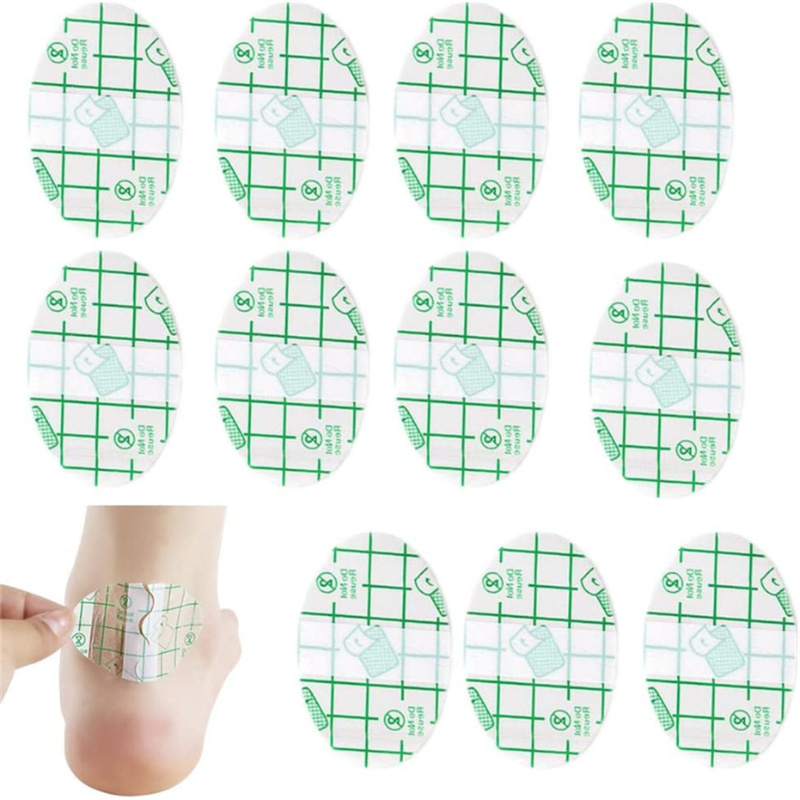
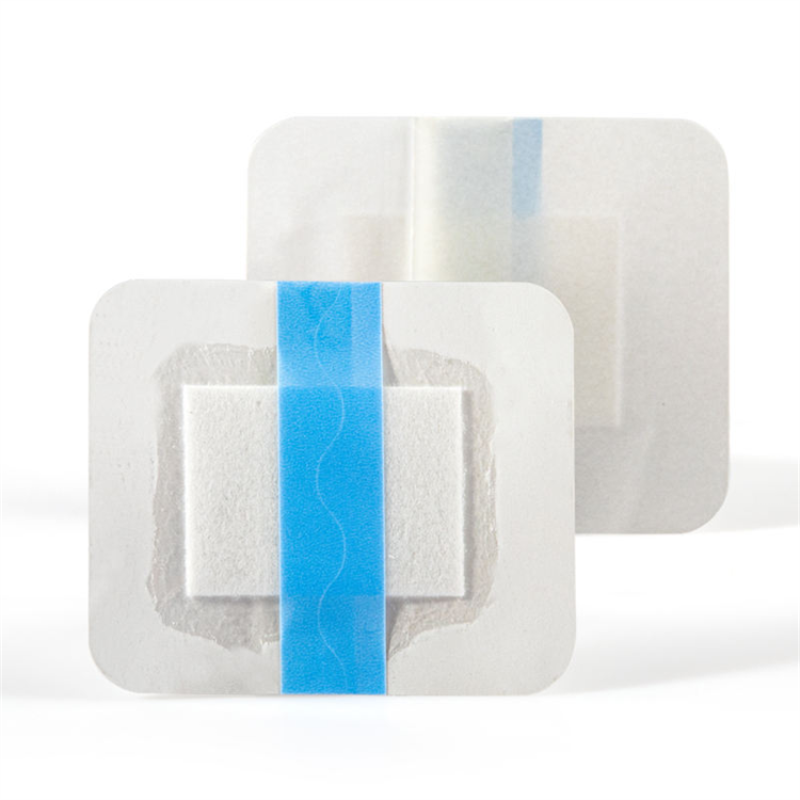
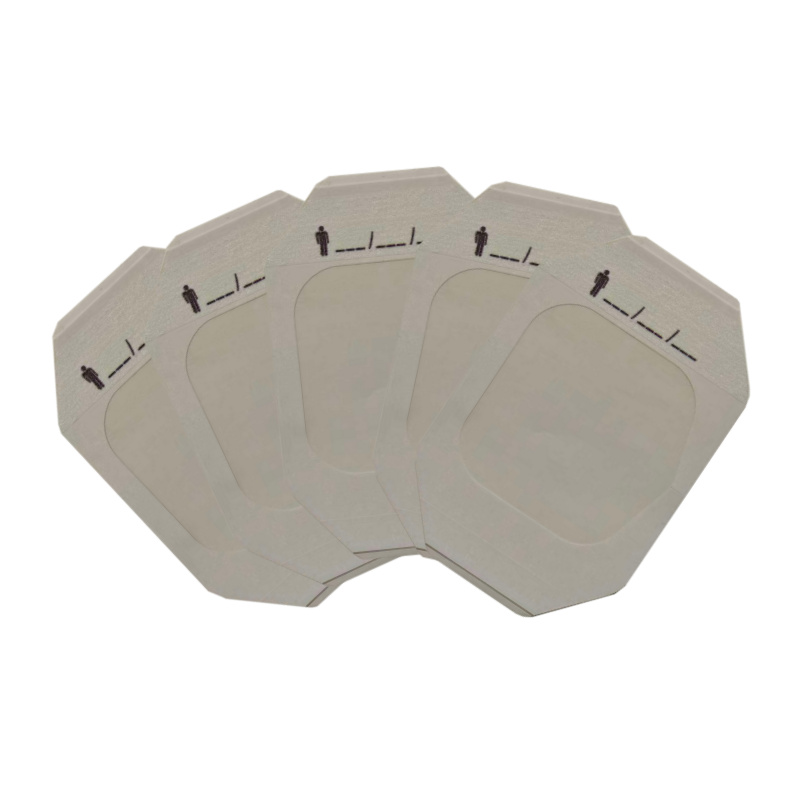
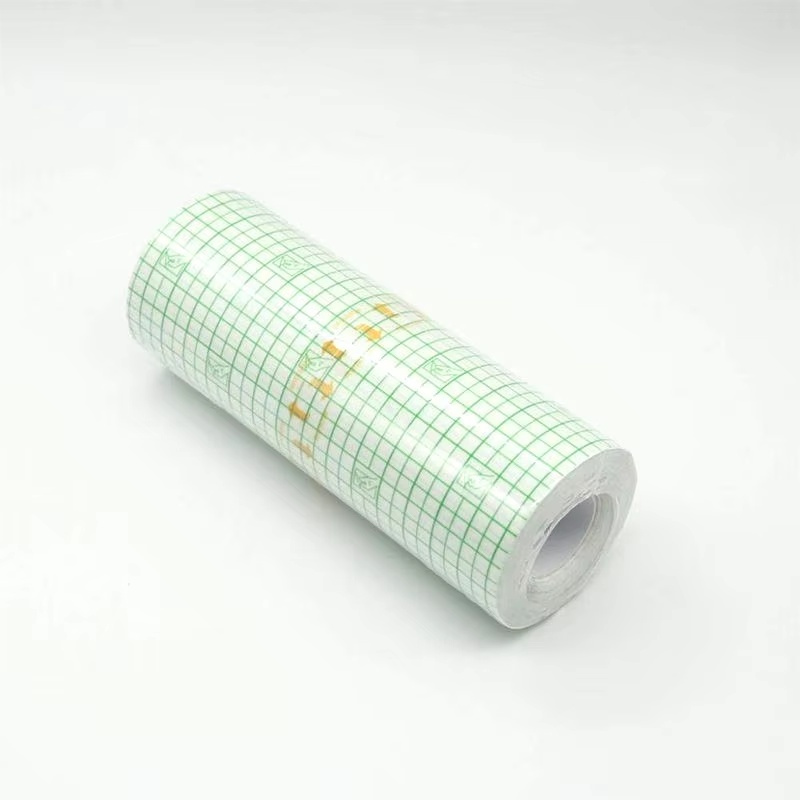
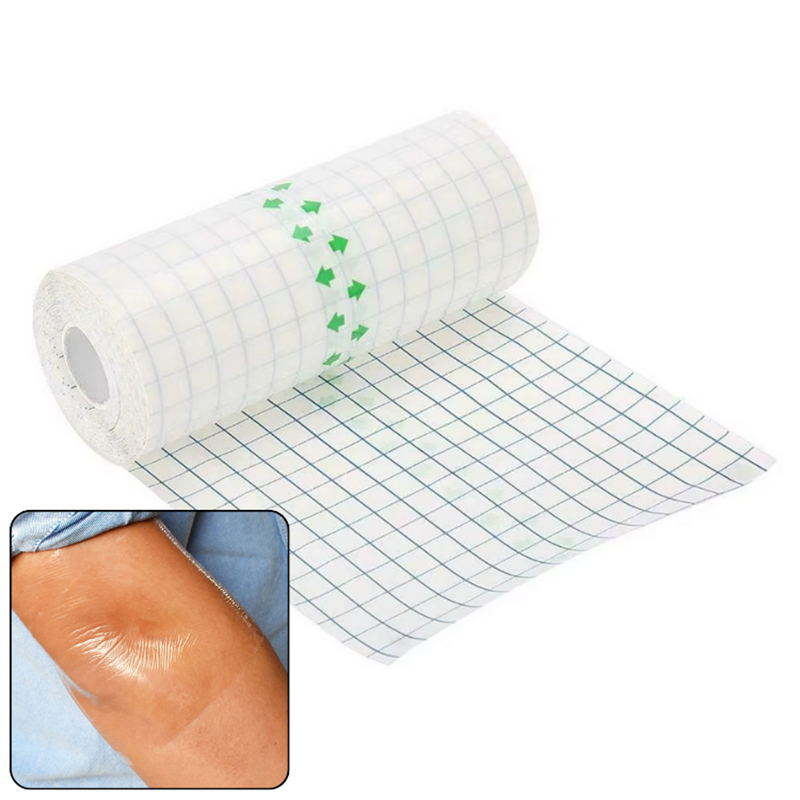
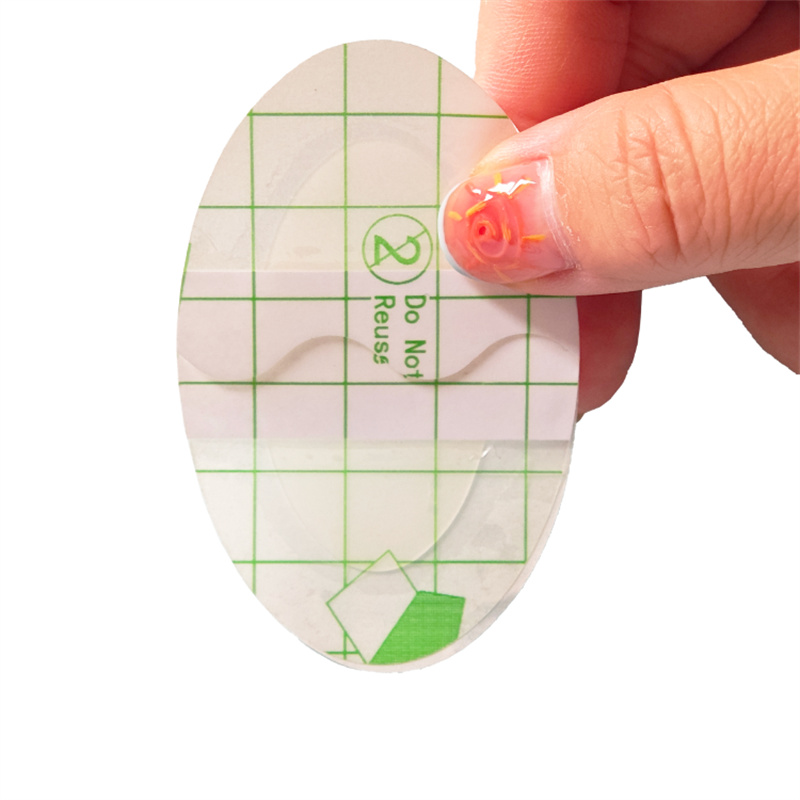
Hydrocolloid dressing offers a controlled moisture environment that promotes faster wound healing compared to traditional gauze or cotton-based dressings. By maintaining an optimal level of moisture, the hydrocolloid dressing prevents the wound from drying out, which can lead to scab formation and slower tissue regeneration. The moisture-retentive property supports autolytic debridement, allowing the body to naturally remove dead tissue and debris. Medical waterproof hydrocolloid dressing ensures that this healing environment is maintained even when exposed to minor external moisture, such as sweat or water during washing, which enhances its effectiveness in continuous wound care.
Hydrocolloid dressing forms a barrier that protects wounds from bacteria, dirt, and other external contaminants. Unlike traditional dressings, which may require frequent changes to maintain a sterile environment, waterproof hydrocolloid dressing adheres securely to the skin while remaining impermeable to microorganisms. This barrier reduces the risk of infection, particularly in wounds located in areas prone to friction or exposure. Additionally, a waterproof hydrocolloid dressing allows patients to carry out daily activities with reduced concern about contamination, providing a balance between protection and convenience.
One notable advantage of hydrocolloid dressing is its flexibility and conformability to body contours. Traditional dressings often restrict movement and may cause discomfort, especially when applied to joints or curved surfaces. Hydrocolloid dressing, including waterproof hydrocolloid dressing, adapts to the wound area and maintains adhesion without restricting motion. This flexibility minimizes irritation and mechanical trauma during movement, which can be particularly beneficial for active patients or those requiring long-term wound management. The cushioning effect of hydrocolloid dressings also reduces pressure and shear forces on sensitive areas.
Hydrocolloid dressing allows for extended wear time due to its absorptive and adhesive properties. The dressing can remain in place for several days, depending on the amount of exudate, without losing its effectiveness. This contrasts with traditional dressings, which often need frequent replacement to prevent maceration or contamination. Extended wear reduces the frequency of dressing changes, lowering the risk of disrupting the healing tissue and decreasing overall wound care time. Waterproof hydrocolloid dressing further enhances wear time by resisting external moisture, making it suitable for patients with active lifestyles.
| Feature | Hydrocolloid Dressing | Traditional Dressing |
|---|---|---|
| Moisture Control | Maintains optimal moisture for healing | May allow wound to dry out |
| Infection Protection | Barrier to bacteria and external contaminants | Requires frequent changes for sterility |
| Wear Time | Several days depending on exudate | Typically daily or multiple times per day |
| Comfort | Flexible, conforms to body shape | May restrict movement or cause irritation |
Hydrocolloid dressing efficiently absorbs wound exudate while maintaining a moist environment. The absorbed fluid forms a gel, which cushions the wound and supports tissue regeneration. This function helps manage moderate exudation and reduces leakage onto surrounding skin, which can cause irritation or maceration. Traditional dressings, on the other hand, often absorb exudate without maintaining a gel matrix, leading to potential drying of the wound surface or leakage. The ability of hydrocolloid dressing to manage exudate while supporting healing is particularly advantageous for chronic wounds, pressure ulcers, and post-surgical care.
Hydrocolloid dressing adheres to the surrounding skin but not directly to the wound bed, allowing for less painful removal compared to traditional adhesive dressings that may stick to fragile tissue. Medical waterproof hydrocolloid dressing ensures that the adhesive maintains a secure seal while minimizing trauma when changing the dressing. This is especially beneficial for patients with sensitive skin or those undergoing frequent dressing changes. Reduced pain during removal can also improve patient compliance and overall comfort during the healing process.
Hydrocolloid dressing can be applied to a wide variety of wounds, including minor burns, abrasions, surgical incisions, and pressure ulcers. The dressing’s ability to maintain a controlled moisture environment, protect against infection, and adapt to body contours makes it suitable for both acute and chronic wounds. Waterproof hydrocolloid dressing extends this versatility by allowing use in areas exposed to water or sweat, such as hands, feet, or active body regions. Clinicians often prefer hydrocolloid dressings for outpatient care because they combine ease of application, durability, and consistent wound management.
By promoting a moist healing environment, providing protection, and reducing trauma during dressing changes, hydrocolloid dressing contributes to improved healing outcomes compared to traditional dressings. The controlled environment encourages faster tissue regeneration, reduces scarring potential, and supports patient comfort. Studies have shown that hydrocolloid dressings can reduce healing time for certain wound types, providing a practical advantage in both hospital and home care settings. The inclusion of waterproof hydrocolloid dressing further enhances patient confidence and mobility, supporting adherence to recommended wound care protocols.
Hydrocolloid dressing offers convenience for patients by requiring fewer changes, providing comfort, and allowing normal daily activities without worry about moisture exposure. This improves quality of life during recovery and can reduce anxiety associated with wound care. For home care patients or those with limited mobility, the use of medical waterproof hydrocolloid dressing simplifies management, allowing them to maintain hygiene and engage in routine activities while the dressing remains effective. The balance of protection, comfort, and extended wear makes hydrocolloid dressing a practical choice for modern wound care.
| Advantage | Description | Impact on Patient Care |
|---|---|---|
| Moist Healing Environment | Maintains optimal moisture for tissue regeneration | Supports faster healing and reduces scab formation |
| Protection from Contaminants | Barrier against bacteria and external debris | Reduces infection risk |
| Comfort and Flexibility | Conforms to body shape and movement | Minimizes irritation and mechanical trauma |
| Extended Wear Time | Can remain in place for several days | Reduces dressing changes and disruption of healing tissue |
| Pain Reduction | Less adhesive contact with wound bed | Decreases discomfort during removal |
contact us
Don't hesitate to contact when you need us!

Contact Information
NO.3 Jinshui Road, Xiwu Street, Fenghua District, Ningbo, ZheJiang, China.
+86-18158557875





 English
 中文简体
中文简体
 русский
 Español