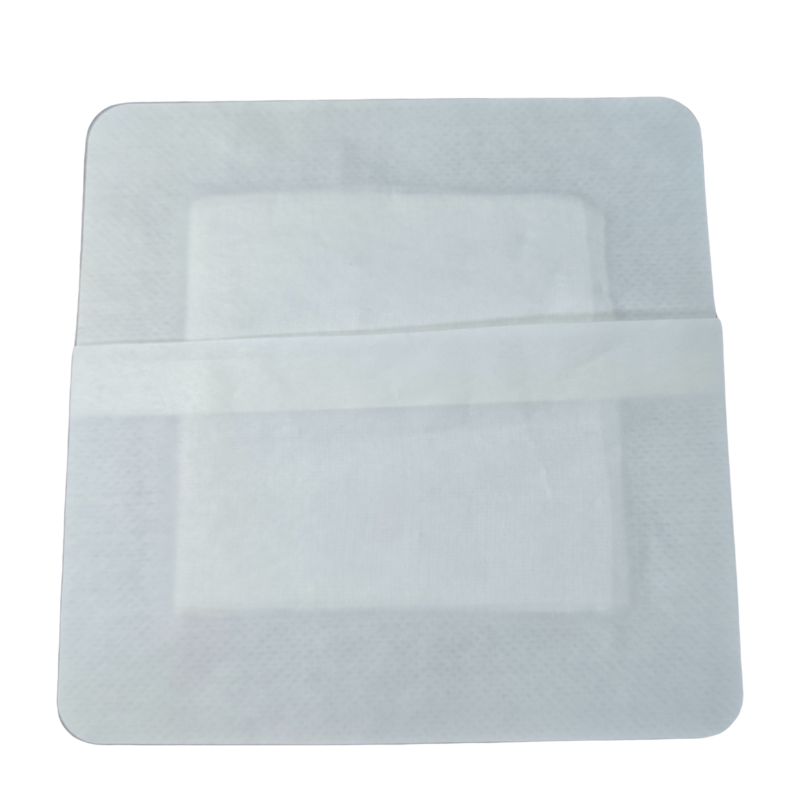
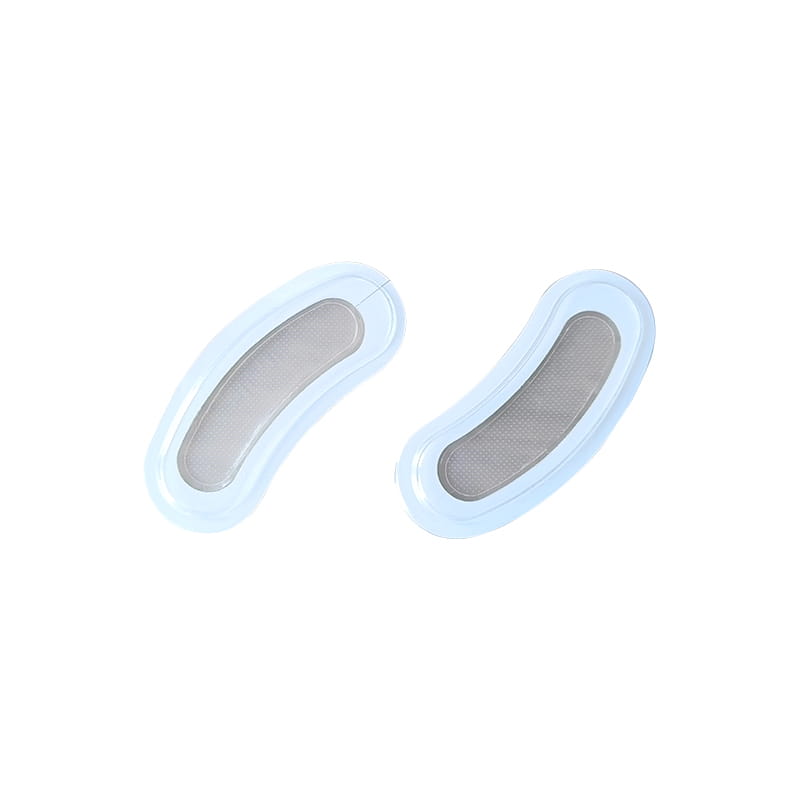
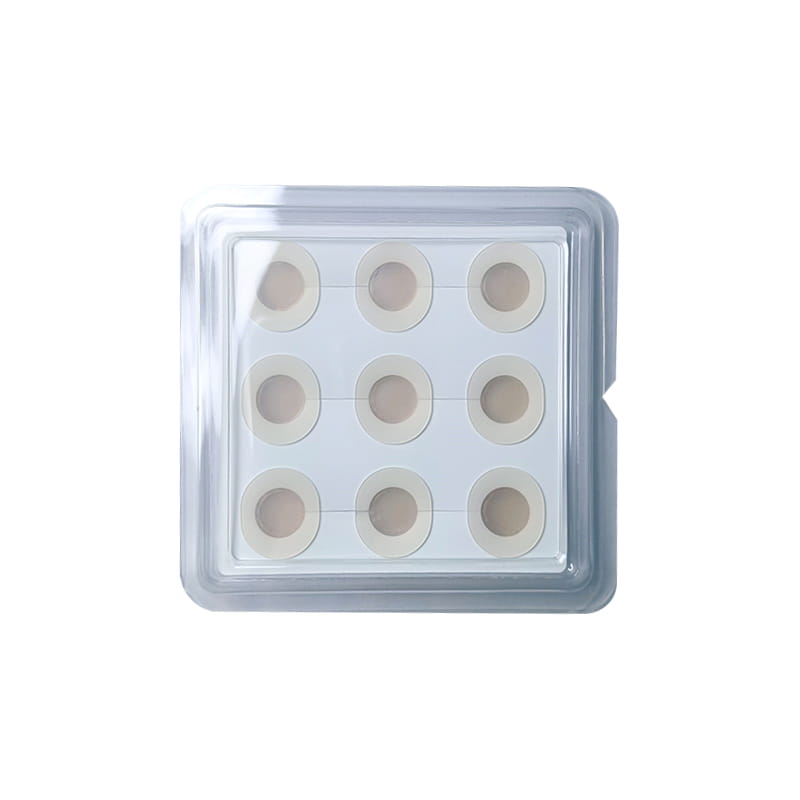
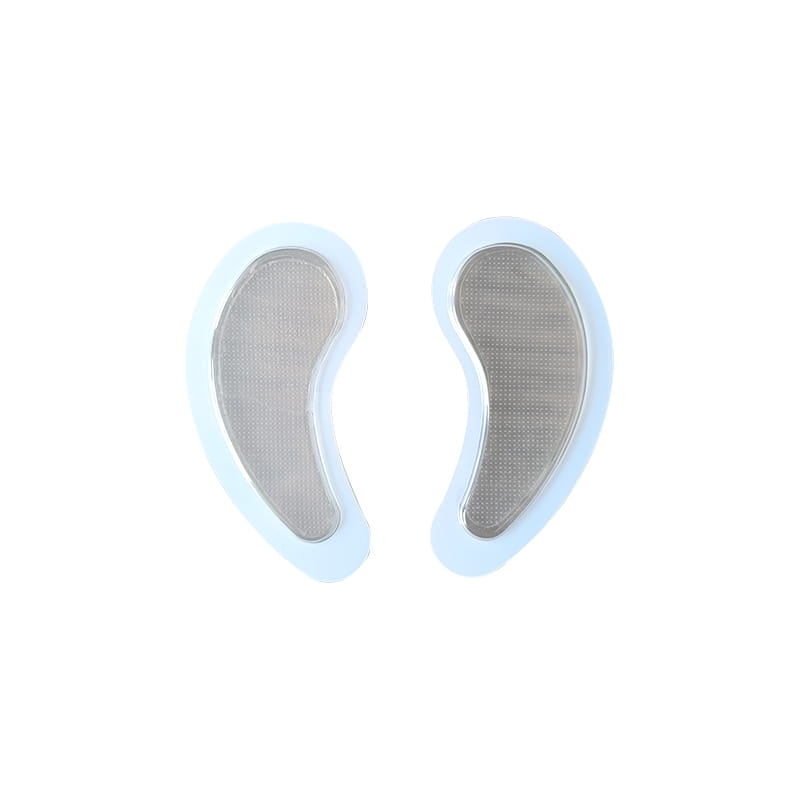
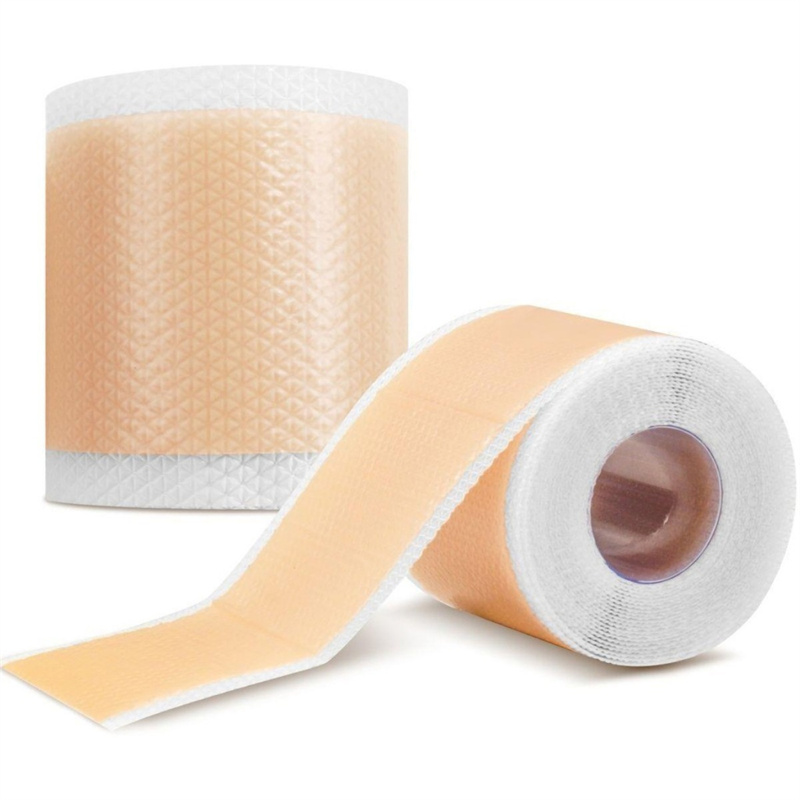
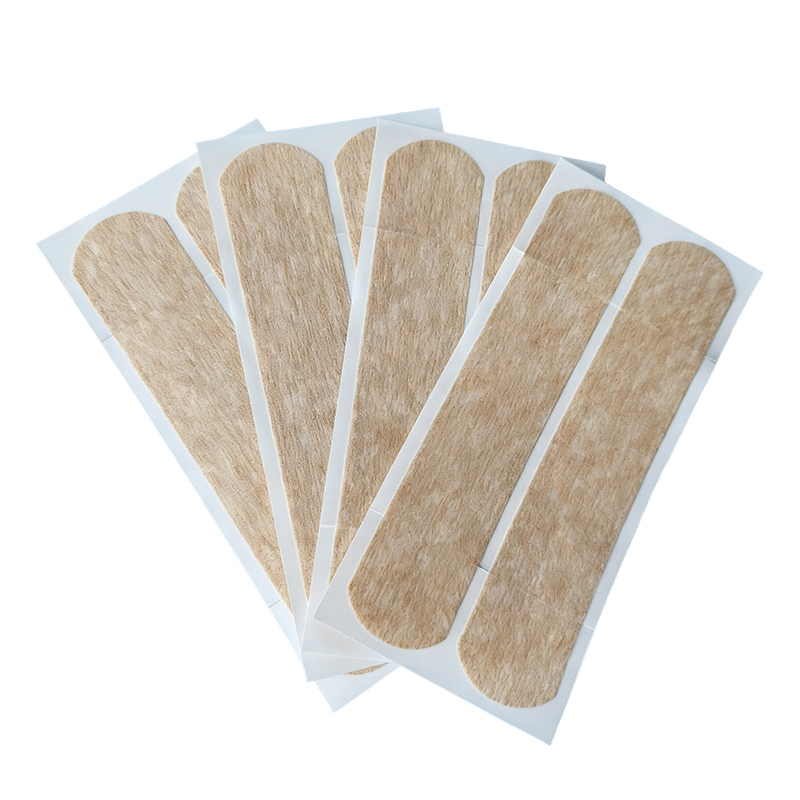
Silicone gel dressings are widely used in wound care due to their unique properties that promote healing while minimizing discomfort for patients. These dressings are composed of a silicone gel layer that adheres to the wound site, providing a moist environment that accelerates healing. Silicone gel dressings are often used for both chronic and acute wounds, including burns, surgical incisions, and pressure ulcers. One of the primary advantages of silicone gel dressings is their gentle adhesion, which allows them to be easily removed without causing trauma to the wound or the surrounding skin. This feature makes them especially attractive for use on sensitive skin, as well as in vulnerable populations such as children and the elderly.
Sensitive skin is prone to irritation, inflammation, and allergic reactions, making it particularly challenging to select appropriate wound care products. Silicone gel dressings are designed to be hypoallergenic and non-irritating, making them a suitable option for individuals with sensitive skin. The silicone layer does not contain harsh chemicals, adhesives, or fragrances, reducing the risk of adverse reactions. This is crucial for patients who may experience increased sensitivity due to conditions such as eczema, psoriasis, or dermatitis.
The dressing's gentle adherence ensures that the surrounding skin remains undisturbed when the dressing is changed. This is particularly important for patients with sensitive skin, as traditional dressings that use adhesives can cause skin trauma or discomfort upon removal. Additionally, silicone gel dressings maintain a moist wound environment, which has been shown to reduce the formation of scabs and promote faster healing, further benefiting individuals with sensitive skin.
Children, especially those with delicate or developing skin, require special consideration when selecting wound care products. Silicone gel dressings are often considered suitable for pediatric patients due to their non-irritating and gentle properties. These dressings provide several advantages when used in pediatric wound care, including ease of application, pain-free removal, and the ability to manage a wide range of wound types.
For children, the primary concern is ensuring that the wound care process does not cause additional trauma. Traditional dressings, especially those with adhesives, can be painful to remove and may cause discomfort or skin damage. Silicone gel dressings eliminate this issue by adhering lightly to the skin and preventing damage during dressing changes. Furthermore, the moist environment created by silicone gel dressings is beneficial in preventing scab formation, which can be painful and result in scarring, especially for young children.
Moreover, silicone gel dressings are available in various sizes and shapes, making them adaptable for use on different areas of the body, including more challenging locations such as the face or hands. This flexibility makes silicone gel dressings an excellent choice for treating wounds in children, especially in cases of burns, abrasions, or surgical wounds.
The elderly often face a range of challenges when it comes to wound care. With age, the skin naturally becomes thinner and more fragile, making it more prone to damage and irritation. Additionally, older adults may suffer from chronic conditions like diabetes or vascular disease, which can impair the body's ability to heal wounds effectively. For this population, the use of silicone gel dressings can offer several advantages in managing wounds.
Silicone gel dressings are well-suited for elderly patients due to their gentle nature and ability to minimize skin trauma during dressing changes. In the elderly, skin tears or bruises from adhesive dressings can delay healing and increase the risk of infection. The soft, non-abrasive surface of silicone gel dressings helps reduce friction and pressure on the skin, promoting healing without additional irritation. Moreover, the ability to reapply the dressing multiple times without compromising adhesion or performance makes silicone gel dressings cost-effective for long-term wound management in elderly patients.
Furthermore, elderly patients often experience difficulties with mobility or cognitive function, which can make frequent dressing changes challenging. Silicone gel dressings, with their long wear-time and secure fit, allow for fewer changes compared to other types of dressings, reducing the strain on caregivers and improving the overall comfort of the patient.
Silicone gel dressings are effective for treating a wide variety of wound types. The moist environment they create helps to accelerate the natural healing process by keeping the wound bed hydrated, which reduces scabbing and scarring. Additionally, silicone gel dressings provide a barrier to bacteria, helping to protect the wound from infection.
For sensitive skin, silicone gel dressings are particularly effective in managing superficial wounds such as abrasions, cuts, or minor burns. These types of wounds can be prone to infection and discomfort if not treated properly. The breathable nature of silicone gel dressings allows for optimal moisture balance while still preventing the entry of harmful microorganisms. The flexibility of silicone gel dressings also makes them suitable for application on curved or irregular surfaces, such as the elbows, knees, or hands, where movement can otherwise disrupt the healing process.
Silicone gel dressings are also frequently used in the treatment of scars, particularly for post-surgical wounds or burns. Studies have shown that the use of silicone gel dressings can help reduce the appearance of hypertrophic scars or keloids by preventing excessive collagen buildup. This makes silicone gel dressings a useful tool in both the acute and post-healing phases of wound care.
When considering the use of silicone gel dressings for sensitive skin, including that of children and the elderly, it is essential to assess both the safety and compatibility of the dressing with the individual's skin condition. Silicone gel dressings are generally safe for use on sensitive skin, as they do not contain harsh chemicals, fragrances, or other potential irritants. This makes them a good option for people who may have allergic reactions to other materials commonly found in wound dressings.
For children and the elderly, who may have more fragile or reactive skin, it is important to ensure that the dressing is not only effective in promoting healing but also gentle in preventing further irritation. Silicone gel dressings offer a unique advantage in this regard because their soft, flexible material conforms to the skin without applying excessive pressure. This helps to minimize discomfort, especially for individuals who may have difficulty tolerating more rigid or adhesive-based dressings.
While silicone gel dressings are generally safe and effective, there are some factors to consider when using them on sensitive skin, particularly for children and the elderly. One important consideration is the size and shape of the wound. Silicone gel dressings are available in various shapes and sizes, but larger or irregularly shaped wounds may require custom dressing sizes to ensure complete coverage. It is essential to select a dressing that appropriately fits the wound area to maximize its healing properties.
Additionally, the condition of the wound itself plays a role in determining whether silicone gel dressings are appropriate. For deep or heavily exudating wounds, silicone gel dressings may need to be used in conjunction with other types of dressings to provide adequate absorption. In such cases, it is important to consult with a healthcare provider to determine the most appropriate dressing strategy.
| Wound Type | Suitability for Silicone Gel Dressings | Benefits |
|---|---|---|
| Superficial cuts and abrasions | Highly suitable | Reduces scabbing, accelerates healing, protects from infection |
| Minor burns | Highly suitable | Reduces pain, minimizes scarring, promotes moist healing environment |
| Surgical incisions | Suitable | Helps reduce scar formation, protects wound, promotes healing |
| Pressure ulcers | Suitable | Prevents infection, minimizes irritation, maintains moisture balance |
| Chronic wounds (e.g., diabetic ulcers) | Suitable | Maintains moisture, prevents infection, promotes healing |
contact us
Don't hesitate to contact when you need us!

Contact Information
NO.3 Jinshui Road, Xiwu Street, Fenghua District, Ningbo, ZheJiang, China.
+86-18158557875





 English
 中文简体
中文简体
 русский
 Español