IV catheter dressings are an essential component of intravenous therapy, serving to secure the catheter, protect the insertion site, and reduce the risk of infection. Because the dressing is in direct contact with the skin for extended periods, its design affects not only catheter stability but also skin health. Breathability is a key factor in dressing performance, as it influences moisture management, skin comfort, and the risk of irritation. In clinical settings, where patients may wear dressings for days or longer, balancing protection and breathability is an important consideration.
Breathability refers to the dressing’s ability to allow air and moisture vapor to pass through while maintaining a protective barrier against liquids and microbes. A breathable dressing helps maintain a stable skin microenvironment by allowing excess moisture to evaporate, which can reduce the likelihood of skin maceration. Maceration occurs when the skin remains overly moist, leading to softening and increased vulnerability. Dressings with higher breathability can help support skin integrity by enabling moisture exchange.
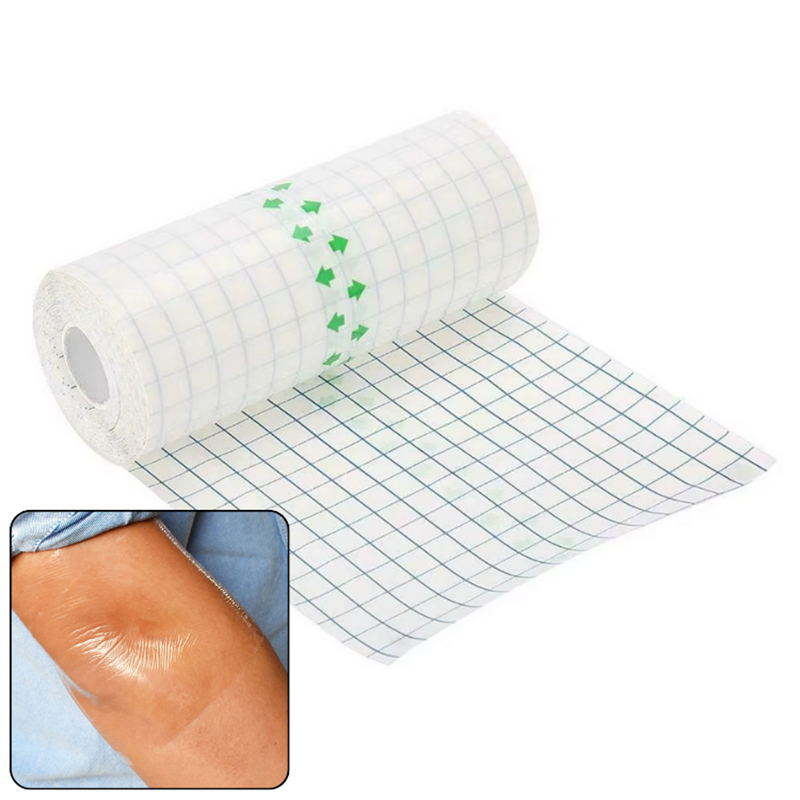
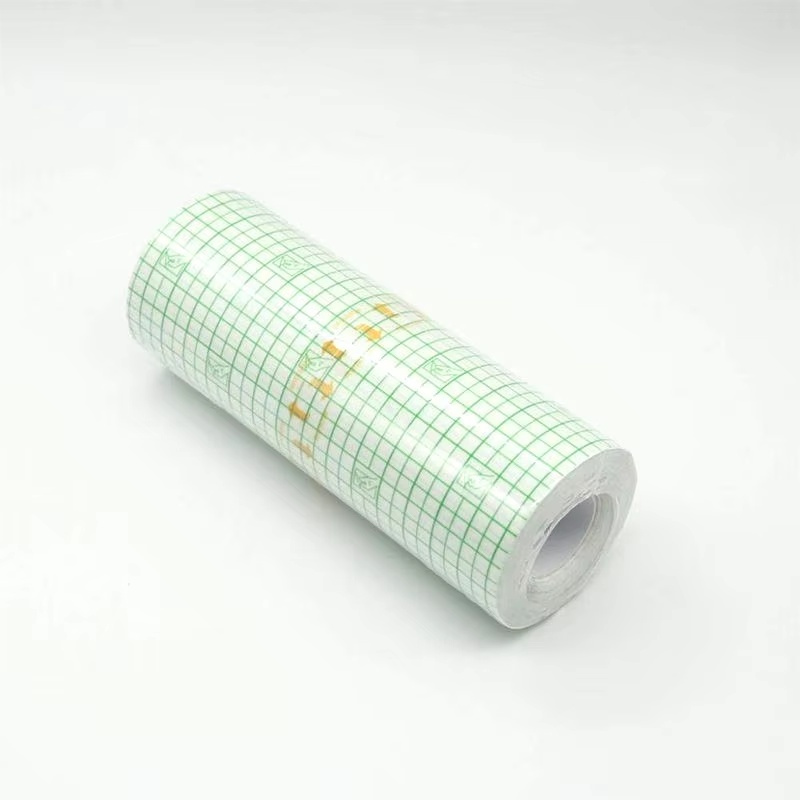
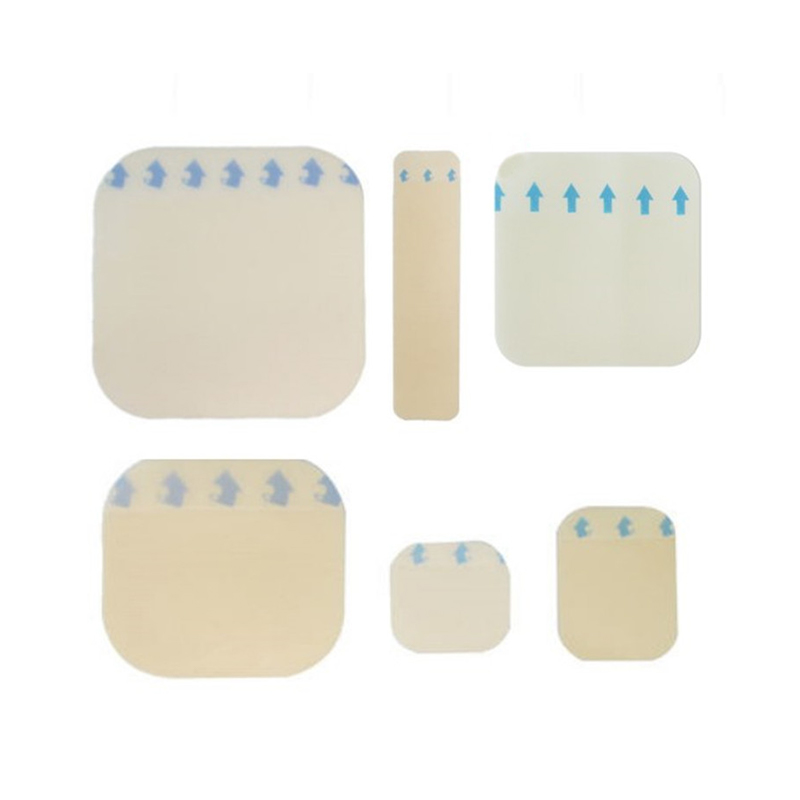
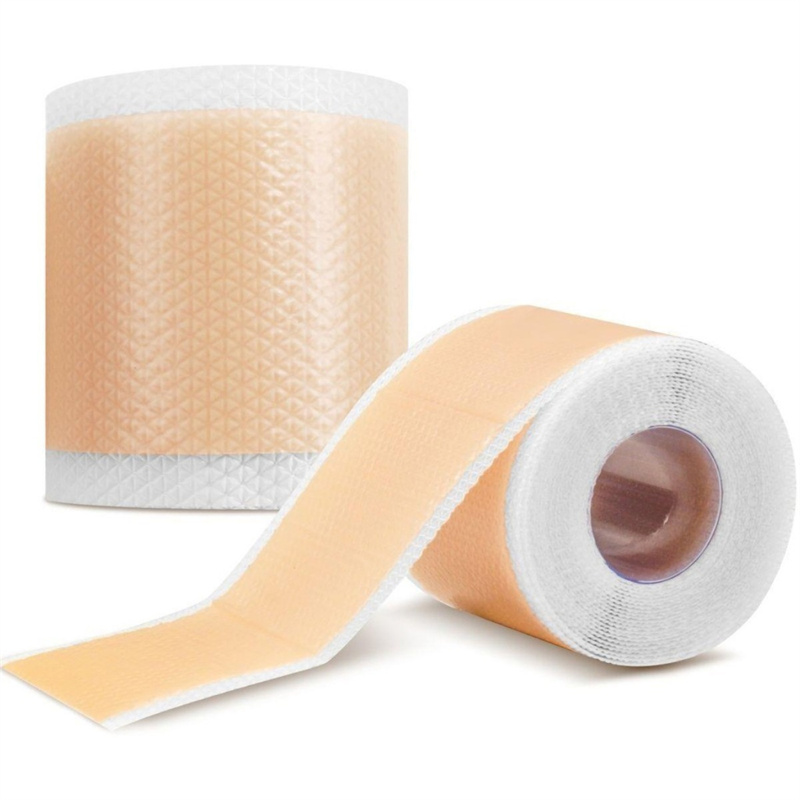
IV catheter dressings typically use a combination of materials designed to balance breathability and protection. Many dressings incorporate a semi-permeable film that permits moisture vapor transmission while blocking liquid water and bacteria. The structure often includes an adhesive border that secures the dressing without applying excessive pressure. In addition, some dressings feature a central pad or absorbent layer that helps manage small amounts of exudate, while allowing vapor to escape through the film.
When a dressing allows moisture to evaporate, the skin feels less stuffy and more comfortable, especially in warm or humid environments. Patients who are active or who sweat due to illness can benefit from dressings that do not trap moisture. Breathable dressings can reduce the feeling of dampness under the film, which can otherwise cause discomfort and lead to frequent dressing changes. In long-term infusion therapy, comfort is a significant factor in patient compliance and overall experience.
Low breathability can contribute to skin issues because trapped moisture can weaken the skin barrier. Prolonged exposure to moisture can cause skin softening, redness, and irritation. In some cases, patients may develop dermatitis or pressure-related skin damage around the catheter site. This is especially relevant for patients with sensitive skin, older adults, or those receiving long-term therapy. Choosing a dressing with appropriate breathability helps reduce these risks by supporting a balanced skin environment.
While breathability is important, IV catheter dressings must also provide reliable protection against external contaminants. The dressing should block liquids, bacteria, and pathogens from entering the insertion site. This requires a film or membrane that is semi-permeable—allowing vapor transmission but preventing liquid penetration. The design challenge is to ensure that increased breathability does not compromise the barrier function. Manufacturers often achieve this balance through specialized films and adhesive systems that maintain protection while supporting moisture exchange.
Several factors influence how breathable a dressing is, including material composition, film thickness, and adhesive design. Thinner films can improve vapor transmission, but they must still provide adequate strength and barrier performance. Adhesive borders may also affect breathability; a large adhesive area can reduce airflow around the edges. Some dressings use perforations or micro-porous films to enhance breathability while maintaining adhesion. The overall dressing design reflects a balance between breathability, adhesion, and protective capability.
| Factor | Effect on Breathability | Consideration |
| Film thickness | Thicker films may reduce vapor transmission | Needs balance with strength |
| Adhesive area | More adhesive can limit airflow | Must maintain secure fixation |
| Micro-porous structure | Improves vapor transmission | Must retain barrier function |
Breathability becomes particularly important in settings where patients have prolonged IV therapy or are immobile. Patients in critical care, oncology, or long-term infusion treatment may wear dressings for several days. In such cases, a breathable dressing helps manage moisture and supports skin health over time. In addition, patients who are elderly or have fragile skin may benefit from dressings that reduce the risk of irritation and damage from prolonged moisture exposure.
Secure fixation is essential to prevent catheter dislodgement and reduce the risk of infection. Dressings must adhere well to the skin, even in areas where movement occurs. Breathable dressings use adhesives designed to maintain adhesion without excessively trapping moisture. Some dressings use gentle adhesives that allow removal with less skin trauma, while still providing reliable fixation. The selection of adhesive type is therefore part of balancing breathability and skin protection.
Individual skin characteristics influence how a dressing performs. Patients with oily skin may experience more moisture accumulation under the dressing, making breathability more important. Sensitive or dry skin may be prone to irritation from adhesive contact, so breathable dressings with gentler adhesive systems can reduce discomfort. In addition, conditions such as fever or sweating can increase moisture under the dressing, further emphasizing the need for effective moisture vapor transmission.
Even a breathable dressing can perform poorly if applied incorrectly. Wrinkles, gaps, or insufficient adhesion can allow moisture to accumulate and reduce breathability. Proper application ensures that the film lies flat and the adhesive border is securely attached. Clinicians are trained to apply dressings with minimal tension and to avoid folding the film, which can create areas where moisture becomes trapped. Correct application supports the dressing’s intended breathability and protective function.
Dressings are changed based on clinical guidelines, catheter type, and patient condition. Breathable dressings can help extend the time between changes by reducing moisture buildup and skin irritation. However, dressings must still be changed if they become loose, soiled, or if the insertion site shows signs of redness or leakage. The goal is to maintain a clean, stable site while minimizing unnecessary dressing changes that can disturb the skin.
Healthcare facilities often select IV catheter dressings based on evidence of clinical performance, including infection rates, skin reaction rates, and patient comfort. Breathability is one of several factors evaluated in studies and clinical practice. Dressings that support moisture management and reduce skin irritation are valued because they can improve patient comfort and reduce complications. In addition, dressings with consistent performance support standardized clinical protocols and staff training.
| Evaluation Factor | Breathable Dressing Benefit | Clinical Impact |
| Skin irritation | Reduced moisture accumulation | Lower discomfort and damage risk |
| Catheter stability | Secure adhesion with moisture control | Reduced risk of dislodgement |
| Infection risk | Maintains balanced microenvironment | Supports site integrity |
Manufacturers of IV catheter dressings often use advanced film technologies to balance breathability and protection. The semi-permeable film must meet medical-grade standards for biocompatibility, adhesion, and barrier performance. In addition, production environments and quality control systems ensure that dressings maintain consistent properties. For companies that provide OEM customization, materials and process control are key to meeting specific clinical requirements.
Patient comfort is a central consideration in IV therapy, as dressings are worn for extended periods. Breathable dressings can reduce the sensation of heat and dampness under the film, which improves comfort during daily activities and sleep. This can contribute to a more positive patient experience and reduce the likelihood of dressing removal or tampering, which can affect catheter stability and infection risk.
IV catheter dressings are available in different configurations, including transparent film dressings and gauze-based options. Transparent film dressings are often chosen for their visibility and breathability. Gauze dressings provide absorbency but may require more frequent changes and can retain moisture if not properly managed. The choice depends on clinical needs, catheter type, and patient condition. Breathable transparent films are commonly used when visibility and moisture management are priorities.
Breathability is an important feature in IV catheter dressings because it supports moisture management, skin comfort, and site stability. Dressings that allow vapor transmission while maintaining barrier protection help reduce the risk of skin maceration and irritation. In clinical practice, breathability is balanced with adhesion, barrier function, and patient-specific needs. Proper selection, application, and monitoring contribute to effective IV therapy and support skin health during prolonged treatment.
contact us
Don't hesitate to contact when you need us!

Contact Information
NO.3 Jinshui Road, Xiwu Street, Fenghua District, Ningbo, ZheJiang, China.
+86-18158557875





 English
 中文简体
中文简体
 русский
 Español