I. Unveiling Silicone Gel Dressings: The Foundation of Modern Wound Management
A. What are Silicone Gel Dressings?
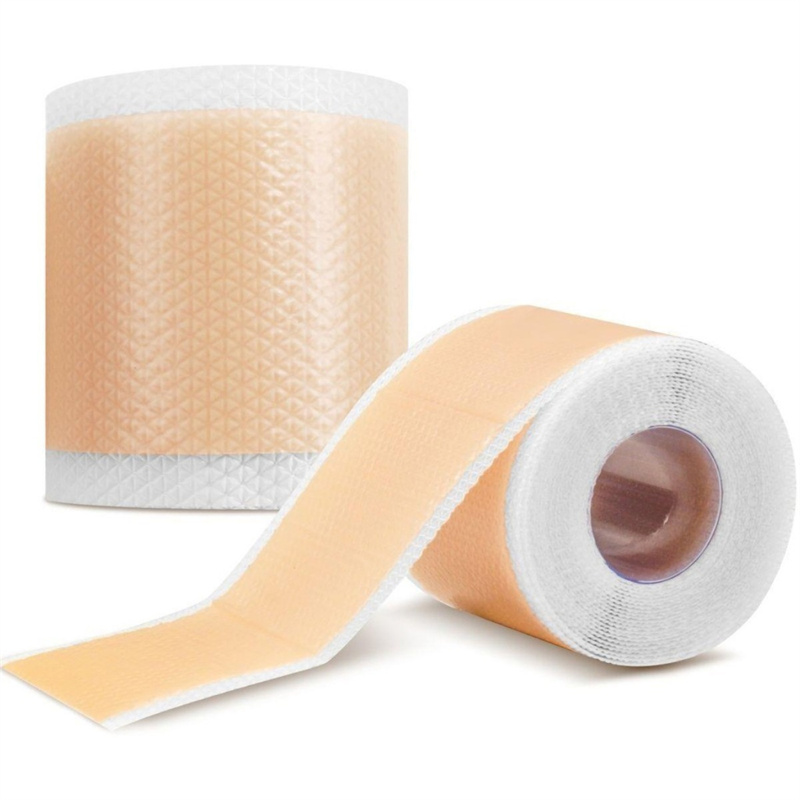
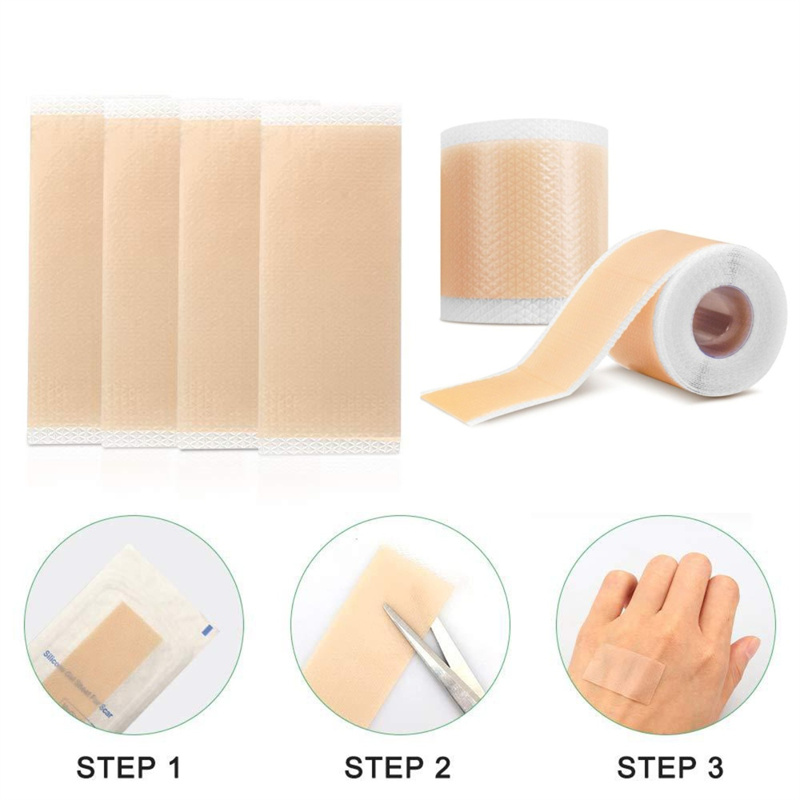
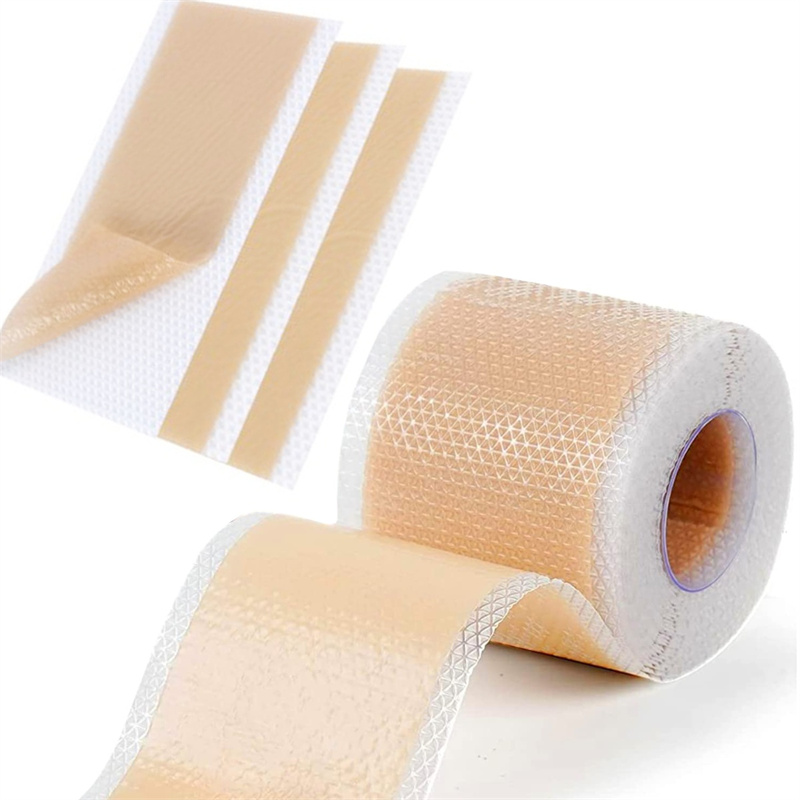
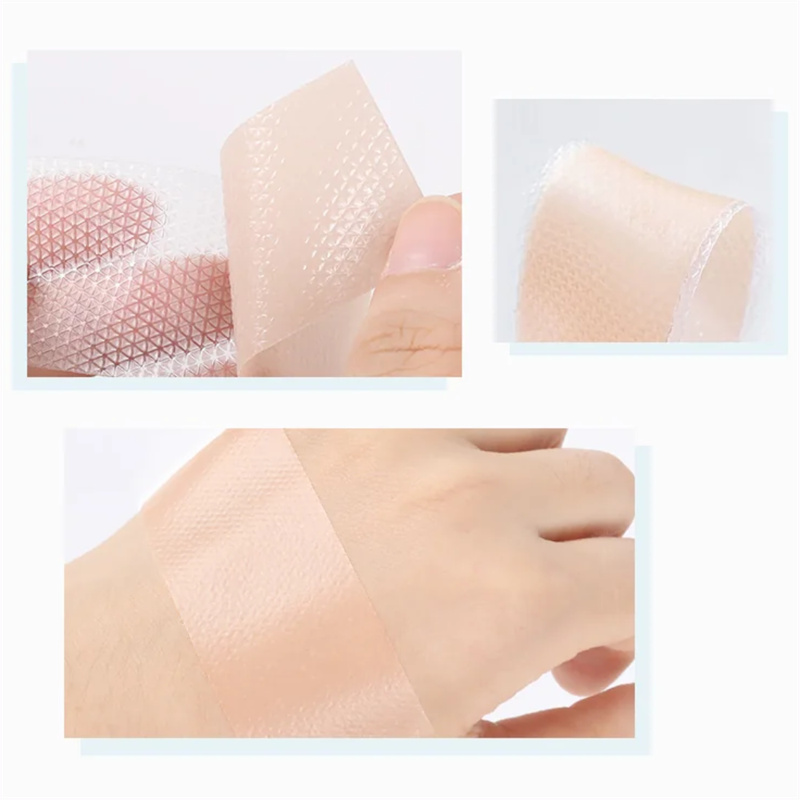
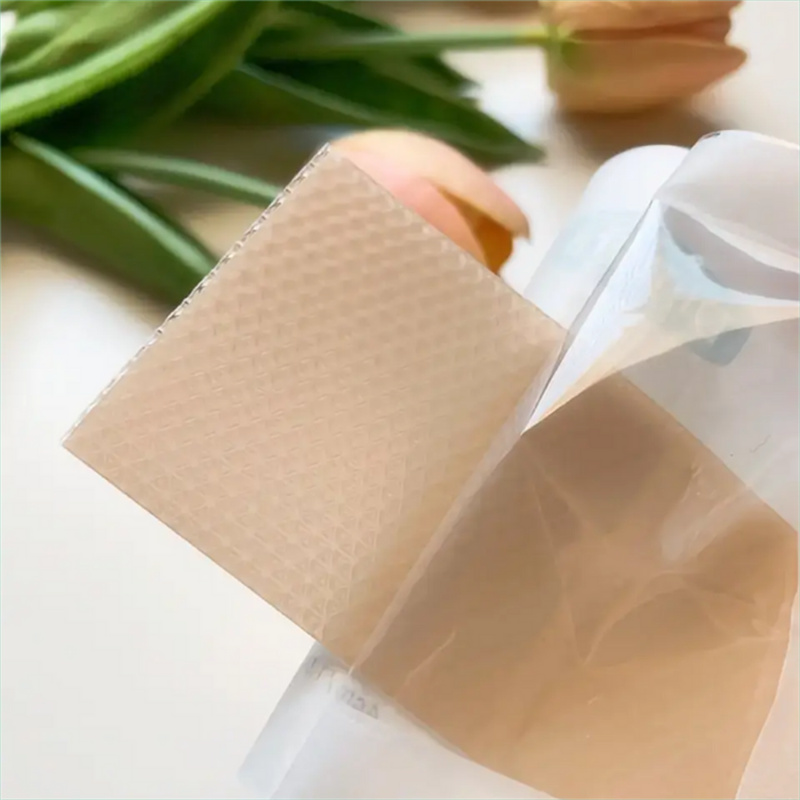
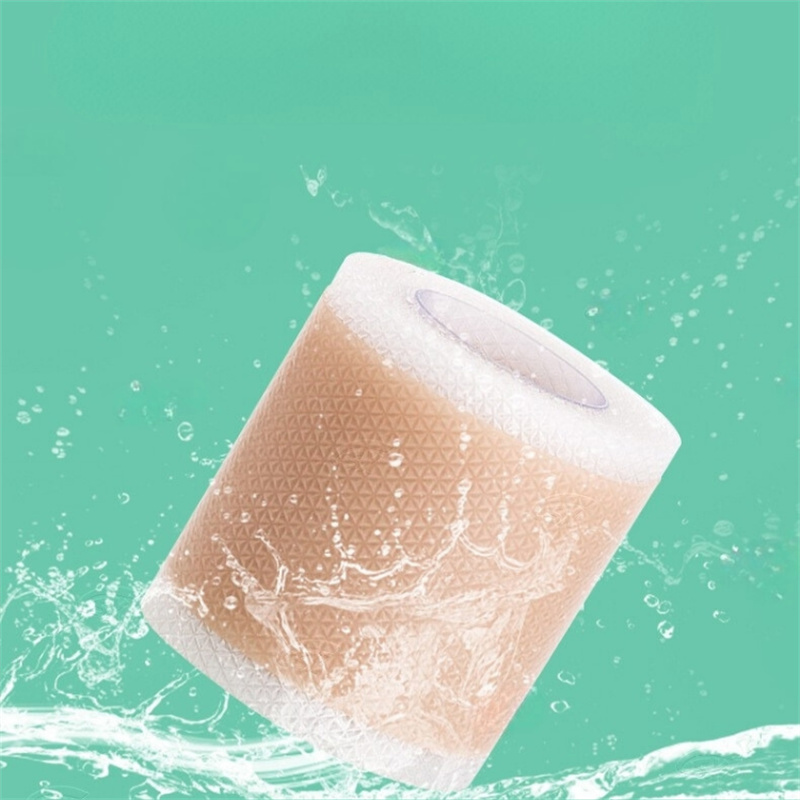
Silicone Gel Dressings, often simply referred to as Silicone dressing, represent a significant advancement in the field of modern wound care. They are a type of dressing manufactured using medical-grade silicone polymers (Polysiloxane). The core characteristic of these dressings is that their contact layer is typically coated with a soft, semi-solid silicone gel, giving them a unique tacky, rather than aggressively adhesive, quality.
Definition and composition
From a chemical perspective, medical-grade silicone is a synthetic polymer based on a silicon-oxygen backbone. This chemical structure gives silicone dressings unique physical properties: they are inert, highly biocompatible, flexible, and possess excellent breathability.
A Silicone dressing is generally composed of the following key layers:
- Wound Contact Layer: This is the core element defining the dressing’s nature, consisting of soft silicone gel. It adheres gently to the surrounding skin but does not tightly bond to the moist wound bed.
- Absorbent Core: For highly absorbent silicone dressings (such as foam-backed types), this layer is typically made of polyurethane foam or other superabsorbent polymers designed to manage exudate.
- Backing Layer: Usually a waterproof and breathable polyurethane film, which prevents external contaminants and moisture from entering while allowing water vapor to escape, thus maintaining an ideal moist environment.
Ningbo Hysent Medical Technology Co., Ltd., as a professional customized enterprise integrating industry and trade, is committed to the research and development, production, sales, and service of medical dressing care products. The company focuses on skincare, involving the beauty, sports, first aid, health, and other care of personal body parts. Leveraging a 100,000-level clean workshop, CE/FDA certification, and ISO13485 certification, the company ensures that its Silicone Gel Dressings meet high international standards, catering to major export markets including the United States, the United Kingdom, and Germany.
The mechanism of action
The mechanism of action for Silicone Gel Dressings is key to their outstanding performance:
- Gentle Adhesion: The silicone gel layer only adheres to dry skin cells, not tightly to fragile new tissue or the moist wound bed. This property minimizes trauma to granulation tissue and epithelializing tissue when the dressing is removed.
- Maintenance of a Moist Environment: The dressing creates a semi-occlusive environment that keeps the wound bed appropriately moist. This is considered the optimal condition for promoting physiological wound healing, accelerating cell migration and proliferation.
- Barrier Function: The outer backing layer provides a physical barrier, protecting the wound from bacteria and mechanical trauma, while also allowing excess water vapor to pass through (i.e., it is highly breathable).
In line with the business goal of Ningbo Hysent Medical Technology Co., Ltd.—"Professional & Innovation, providing customers with customized solutions"—the company continuously optimizes the design of its Silicone dressing products. The company has more than 10 years of industry experience and a professional team, enabling it to provide fast and efficient customized services to meet diverse clinical needs.
How they differ from other types of dressings
The primary difference between Silicone Gel Dressings and traditional or older generations of advanced dressings lies in their unique interface contact properties, which largely determine the experience and efficacy of wound care.
| Characteristic |
Silicone Gel Dressings |
Traditional Gauze/Pads |
Hydrocolloids |
Alginates |
| Adherence to Wound Bed |
Low; adheres only to dry skin |
Medium to High; easily adheres to new tissue |
Medium; forms a gel upon exudate absorption |
Non-adherent (requires secondary fixation) |
| Pain During Dressing Change |
Extremely Low (Reputed "atraumatic" removal) |
Extremely High (requires moistening for removal) |
Low (but may leave residue) |
Low |
| Damage to Surrounding Skin |
Extremely Low (reduces skin stripping and peeling) |
Extremely High (prone to skin stripping) |
Low (but risky on fragile skin) |
Extremely Low |
| Moist Environment Maintenance |
Excellent; semi-occlusive management |
Poor; dries out easily |
Excellent; self-forms a gel |
Excellent; suitable for high exudate |
| Suitable Exudate Level |
Light to Heavy (depending on type) |
Light to Medium |
Light to Medium |
Medium to Heavy |
B. The Multifaceted Advantages of Silicone Gel Dressings in Wound Healing
The use of Silicone Gel Dressings is not merely about covering a wound; it is about actively optimizing the healing process and significantly enhancing patient comfort. This advantage is based on their unique physiochemical structure and precise management of the wound microenvironment.
Promoting optimal wound healing environment
By forming a semi-permeable film or structure, silicone dressings effectively achieve the core principle of modern wound care—Moist Wound Healing.
- Accelerated Cell Activity: In a moist environment, the activity and migration speed of various growth factors, enzymes, and cells (like macrophages and fibroblasts) are maximized, thereby accelerating granulation tissue formation and epithelialization.
- Temperature Control: The dressing maintains the wound at body temperature, avoiding the temperature drops caused by frequent dressing changes (exposing a wound for 30 minutes can reduce the healing rate by 50% ).
- Oxygen and Moisture Balance: It prevents the wound from becoming overly dry while allowing excess water vapor to escape, avoiding the maceration caused by fluid buildup.
Minimizing pain and discomfort during dressing changes
This is the most acclaimed feature of Silicone dressing, particularly vital for patients with burns, skin tears, and the elderly with fragile skin.
- “Atraumatic Removal”: Because the silicone gel layer adheres gently only to the keratinocytes on the surrounding skin, and not to the newly formed, nerve-rich wound bed, removing the dressing does not tear new tissue or stimulate sensory nerves.
- Tissue Preservation: It ensures that newly formed granulation and epithelializing tissue remains intact with every dressing change, guaranteeing the continuity and efficiency of the healing process.
Reducing the risk of skin maceration
Maceration is the whitening, softening, and breakdown of skin surrounding the wound due to prolonged exposure to excess exudate or moisture.
- Precise Exudate Management: For foam-backed Silicone Gel Dressings, the absorbent core efficiently wicks away exudate, while the silicone contact layer ensures only the absorbent core touches and manages the fluid, preventing fluid leakage and soaking of the surrounding healthy skin.
- High Breathability Backing: The breathable backing allows excess water vapor to evaporate, further helping to balance wound moisture.
Conforming to body contours for better adhesion and patient comfort
Medical-grade silicone possesses excellent flexibility and elasticity.
- Improved Compliance: Silicone dressings easily conform to the body's curves, joints, and irregular areas (e.g., sacrum, elbows), ensuring the dressing edges fit snugly against the skin, preventing exudate overflow and penetration of external contaminants.
- Suitable for Active Patients: For patients who need to remain mobile or who have dressings near joints, this high conformability ensures durable fixation and security.
Supporting scar management
In the later stages of wound healing, Silicone dressing (especially silicone sheets dedicated to scar treatment) plays an indispensable role in scar care.
- Treatment of Hypertrophic and Keloid Scars: Silicone affects collagen fiber alignment through a dual mechanism of hydration and mild occlusion/pressure. It reduces trans-epidermal water loss from the stratum corneum, thereby decreasing dermal collagen synthesis, which helps soften, flatten, and fade scars.
Ningbo Hysent Medical Technology Co., Ltd., with over 10 years of industry experience and a professional team, has deep expertise in providing customized medical dressing solutions, including Silicone Gel Dressings. The company particularly focuses on the skincare sector, aiming to provide professional care for personal body parts, including wound care and cosmetic applications (Scar Management), through high-quality, highly biocompatible silicone products.
II. Categorization and Primary Applications of Silicone Dressings
A. Different Types of Silicone Gel Dressings
Silicone dressing is not a single product form but is categorized into various types based on its design, structure, and absorption capacity to address wounds at different stages and exudate levels. Ningbo Hysent Medical Technology Co., Ltd., driven by its business goal of "Professional & Innovation," is committed to providing global customers with diverse customized Silicone Gel Dressings solutions to meet various clinical requirements.
Adhesive vs. non-adhesive
This is the most fundamental classification, mainly determined by the dressing's role in the wound care strategy:
- Non-adhesive Silicone Dressings:
- Description: Often called “Silicone Wound Contact Layers.” They are thin, flexible silicone mesh or films. While the contact surface has very low tack, their main role is to protect the wound bed and prevent a secondary dressing from adhering.
- Uses: Primarily for wounds requiring frequent inspection, high sensitivity, or large-area trauma (e.g., burns, skin graft sites). They have no absorption capacity and must be used with a highly absorbent secondary dressing (like gauze, foam, or alginate).
- Adhesive Silicone Dressings:
- Description: These dressings incorporate a stronger adhesive on their periphery or entire backing for self-fixation to the skin.
- Uses: Suitable for wounds that do not require secondary fixation, or when simultaneous absorption and fixation are needed.
Foam-backed silicone dressings
This is one of the most comprehensive and frequently used types of Silicone Gel Dressings, employed for managing moderate to heavy exudate.
- Integrated Structure: These dressings combine a soft silicone contact layer, a highly absorbent polyurethane foam core, and a waterproof, breathable backing film.
- Functional Advantages: The silicone layer allows for atraumatic removal, the foam core efficiently absorbs and vertically locks exudate, and the backing film controls water vapor release. This design minimizes the risk of skin maceration due to exudate and extends the dressing change interval.
- Applications: Mainly used for chronic wounds with high exudate, such as pressure ulcers and leg ulcers.
Bordered vs. non-bordered dressings
- Bordered Silicone Dressings:
- Description: The dressing has an extra ring, usually a more secure adhesive border, around the absorbent core. This allows the dressing to securely self-fix without needing additional tape.
- Advantages: Provides strong sealing and protection, particularly suitable for patients who shower or have high mobility. Many foam-backed silicone dressings use a bordered design.
- Non-bordered Dressings:
- Description: Refers to silicone dressings without an extra adhesive border. This can be a simple silicone contact layer or a foam pad requiring fixation with a secondary dressing.
- Advantages: Easier to cut to shape, suitable for irregularly shaped wounds or hard-to-fit areas.
Specific product examples and features
| Product Category/Design Concept |
Core Function |
Typical Application Scenario |
| Ultra-thin Silicone Contact Layer |
Protects the wound bed, minimal adherence, requires secondary fixation. |
Skin graft sites, large blisters, highly sensitive skin. |
| Highly Absorbent Silicone Foam |
Absorbs high volumes of exudate, maintains a moist environment, with or without a border. |
Pressure ulcers (Stages II-IV), deep leg ulcers, large-area exudating wounds. |
| Antimicrobial Silicone Dressing |
Incorporates antimicrobial agents (like silver) into the silicone layer or foam. |
Exudating wounds with infection or high infection risk. |
| Five-layer/Multi-layer Silicone Foam |
Integrated layers for pressure and shear force redistribution, enhancing absorbency and comfort. |
Pressure ulcer prevention and high-risk areas like the sacrum/heel. |
Ningbo Hysent Medical Technology Co., Ltd. operates a 100,000-level clean workshop and employs a professional R&D team capable of customizing and producing all the above types of Silicone Gel Dressings based on customer requirements. The company's core goal is to deliver Professional & Innovation, ensuring its products are structurally and functionally effective in supporting modern wound management strategies.
B. Common Applications of Silicone Gel Dressings Across Clinical Settings
Silicone Gel Dressings are widely used for various acute and chronic wound types due to their gentleness, versatility, and ability to support effective healing.
Surgical wounds
- Application: Used to protect sutured incisions post-operatively.
- Advantage: Silicone dressings provide a sterile and closed environment, helping to prevent infection. Crucially, upon removal, they do not disturb or tear the fragile healing edges, which reduces pain and promotes a better cosmetic scar line.
Pressure ulcers
- Application: Used for treating pressure ulcers (bedsores) from Stages I-IV, especially in managing exudate.
- Advantage: For exuding ulcers (Stages II-IV), foam-backed Silicone Gel Dressings offer the dual benefits of absorption and atraumatic protection. For high-risk patients, the prophylactic application of multi-layer silicone foam dressings over areas like the sacrum helps redistribute pressure and shear forces.
Burns (First and Second Degree)
- Application: Used for superficial and partial-thickness burns.
- Advantage: Burn wounds are extremely sensitive to pain. The silicone contact layer protects the wound bed and prevents sticking; its “atraumatic removal” is critical for burn patients. Concurrently, it maintains an appropriate hydrated environment, accelerating re-epithelialization.
Diabetic ulcers
- Application: Particularly suitable for Diabetic Foot Ulcers (DFUs), especially those with surrounding fragile skin and neuropathy.
- Advantage: The skin of diabetic patients is often very delicate. The gentle tack of Silicone dressing minimizes trauma and skin stripping to the periwound area, a common issue with other highly adhesive dressings.
Venous leg ulcers
- Application: Used in conjunction with compression therapy.
- Advantage: These ulcers often have heavy exudate, necessitating high-absorbency dressings. Silicone foam dressings efficiently manage exudate, while their softness and conformability allow them to be used comfortably under compression bandages.
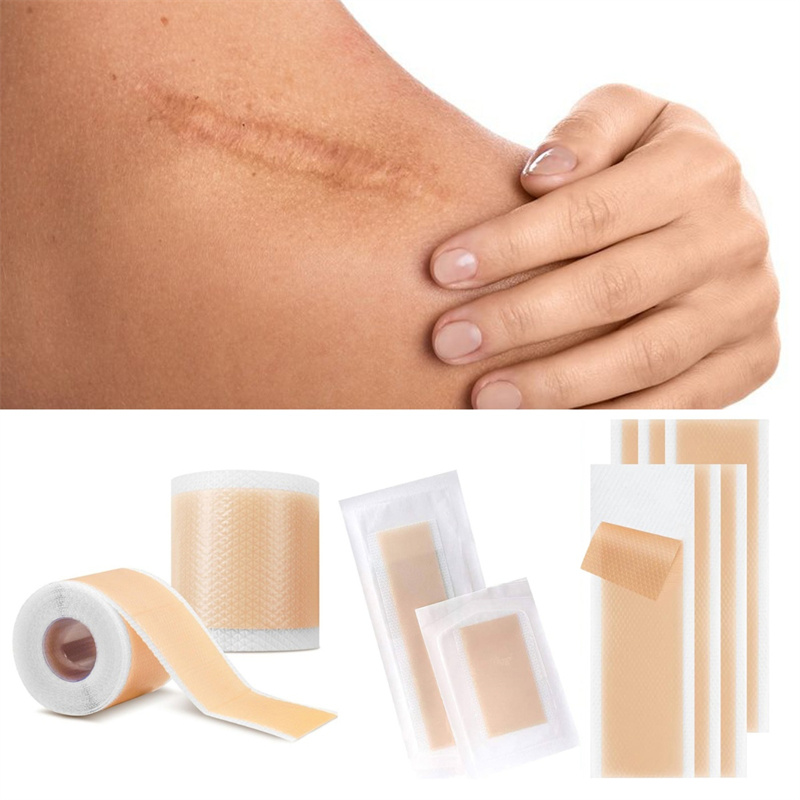
Scar management (hypertrophic and keloid scars)
- Application: Uses dedicated Silicone Gel Sheets or scar management patches.
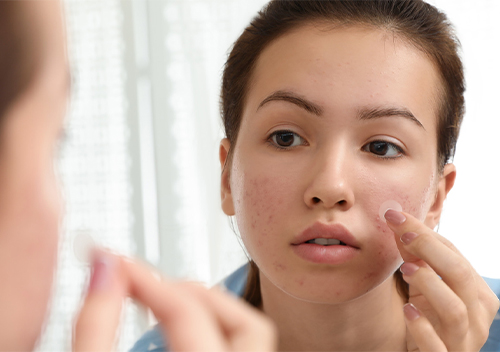
- Advantage: As a long-term care strategy, silicone sheets soften and flatten mature and immature hypertrophic and keloid scars through the dual mechanism of hydration and occlusion. Ningbo Hysent Medical Technology Co., Ltd.'s business scope includes the beauty segment, extending its professional silicone technology to the R&D and production of scar management products, offering specialized skincare solutions to users.
III. Strategic Selection of the Appropriate Silicone Gel Dressing
A. Factors to Consider for Optimized Wound Care onto the surrounding healthy skin to ensure a secure seal and absorb exudate. For larger wounds, custom-sized or multiple overlapping non-bordered Silicone dressing may be required.
- Depth:
- Shallow Wounds: Thin silicone contact layers or thin foam dressings are sufficient.
- Deep Cavity Wounds: Require the combined use of filling materials (like alginates or hydrogels) after which an absorbent, thick foam silicone dressing is applied as the cover layer.
Level of exudate
The amount of exudate is the most important determinant when selecting the type of Silicone Gel Dressings.
| Exudate Level |
Example Wound Types |
Recommended Silicone dressing Type |
Core Reason |
| Light to No Exudate |
Skin tears, surgical incisions, fragile skin |
Ultra-thin silicone contact layer |
Protects new tissue, provides an atraumatic interface, minimal absorption needed. |
| Moderate Exudate |
Stage II pressure ulcers, superficial burns |
Medium-thickness silicone foam dressing (often bordered) |
Balances absorption with moisture management, prevents maceration. |
| Heavy Exudate |
Stage IV pressure ulcers, venous ulcers |
Thick, highly absorbent multi-layer silicone foam dressing |
Maximizes absorption capacity, extends change interval, keeps periwound skin dry. |
Skin sensitivity
For elderly patients, diabetic patients, or those with fragile skin due to long-term steroid use, the gentle nature of silicone dressings makes them the preferred choice.
- Principle: The soft silicone dressing with the lowest tack should be chosen. Silicone's chemical inertness makes it a low-sensitizing material, minimizing the risk of skin irritation.
- Ningbo Hysent Medical Technology Co., Ltd. focuses on customized solutions, including the development of ultra-soft Silicone Gel Dressings products tailored for highly sensitive skin. This ensures effective protection without causing damage to delicate skin.
Presence of infection
If a wound shows clear signs of infection (such as redness, heat, pus, odor), a plain silicone dressing may be insufficient.
- Strategy: An antimicrobial-integrated dressing, such as those containing silver ions (Ag+) or other antimicrobial agents, with silicone as the contact and fixation layer, should be chosen. This controls the infection while utilizing the benefits of silicone to protect new tissue.
- Note: Regardless of the dressing chosen, the treatment of an infected wound must be accompanied by systemic or local anti-infective therapy and supervised by a healthcare professional.
Patient mobility
The patient's activity level influences the mechanical stability requirements of the dressing.
- Highly Mobile Patients (e.g., individuals engaging in sports): Require a bordered Silicone dressing with strong peripheral adhesion, high conformability, and durability to ensure the dressing stays in place despite movement and friction.
- Bedridden Patients: Focus should be on the dressing's softness and ability to redistribute pressure (especially multi-layer silicone foam) to prevent new pressure injuries.
B. Step-by-Step Guide to Selecting a Silicone Dressing
Following a structured selection process ensures accuracy and efficacy in decision-making.
1. Assess the wound
- Determine wound type and healing phase: Is it an acute incision, a chronic ulcer, or a superficial wound undergoing epithelialization?
- Check exudate volume and viscosity: This is the primary factor determining the required dressing absorbency.
- Evaluate the wound bed condition: Is there necrotic tissue? Is the granulation tissue healthy?
- Assess surrounding skin: Is there a risk of maceration, eczema, erythema, or skin stripping?
2. Determine the appropriate dressing size
- Measure the wound size and ensure the dressing extends 1-2 cm beyond the wound edges.
- For customized needs or irregular wounds, the professional team at Ningbo Hysent Medical Technology Co., Ltd. can Timely to provide you with fast and efficient customized services, offering specific sizes or customizable Silicone dressing solutions.
3. Choose adhesive or non-adhesive based on skin condition
- Fragile skin or daily dressing changes required → Choose a non-adhesive contact layer (requires secondary fixation) or an extremely low-tack dressing.
- Healthy skin requiring self-fixation and sealing → Choose an adhesive (bordered) silicone foam dressing.
4. Consider the need for absorbency
- High exudate → Choose a thick foam-backed Silicone Gel Dressings.
- Low exudate → Choose a thin dressing or a silicone contact layer.
5. Select a dressing with appropriate conformability
- Joints/Flexion areas → Choose a thin or medium Silicone dressing with high flexibility and multi-axial stretch capability.
- Sacrum/Heel areas → Choose a pre-shaped or multi-layer silicone foam dressing with good pressure redistribution capabilities.
The business of Ningbo Hysent Medical Technology Co., Ltd. spans countries including South Korea, Australia, and Canada. Its ongoing R&D investment and strict ISO13485 quality management system ensure that every customized Silicone Gel Dressings meets these complex clinical selection criteria. Our professionalism is the foundation of customer choice and trust.
IV. Best Practices for Application and Removal of Silicone Gel Dressings
A. Application Techniques for Maximizing Adhesion and Comfort
Successful dressing application begins with meticulous preparation of the wound bed.
Preparing the wound bed
- Cleansing: Use saline or a recommended wound cleanser to thoroughly irrigate the wound, removing exudate, necrotic debris, and other contaminants.
- Drying Periwound Skin: This is a critical step for applying Silicone Gel Dressings. The silicone contact layer is designed to adhere to dry skin, not the moist wound bed. Therefore, the skin 2-3 cm around the wound must be gently patted dry with a clean gauze or towel (avoid rubbing). If the surrounding skin is overly moist or oily, a skin protectant may be required.
- Exudate Control: For heavily exuding wounds, ensure the wound bed is adequately moist but free of large collections of standing exudate before applying the primary dressing.
Applying the dressing smoothly
- Minimize Contact: Try to handle the dressing only by the backing or edges, avoiding finger contact with the silicone layer to preserve its tackiness.
- Positioning and Fit: Center the dressing over the wound and gently lay it down. Avoid stretching the dressing or the surrounding skin.
- Activating Adhesion: Gently smooth the dressing from the center outwards to the edges. Especially for bordered Silicone dressing, ensure all edges fully adhere to the skin to create a secure seal. This prevents exudate leakage and penetration of external contaminants.
Securing the dressing (if non-adhesive)
- For non-adhesive silicone contact layers, an absorbent secondary dressing (such as a gauze pad or non-woven pad) must be placed over it, then secured with a bandage, medical tape, or an elastic net dressing.
- For adhesive (bordered) Silicone Gel Dressings, typically no additional fixation is needed.
Frequency of dressing changes
- Exudate Determines Frequency: Change frequency primarily depends on the volume of exudate and the dressing's absorption capacity. The dressing should be changed when the absorbent core is saturated or when exudate nears 1 cm from the edge.
- Clinical Guidelines: Because Silicone dressing causes minimal trauma to the wound and surrounding skin, they can often be left on for longer periods, typically 3-7 days, depending on the product type and wound condition. Fewer changes not only save nursing time but also provide the patient with a longer, undisturbed healing period.
B. Removal Techniques to Preserve Skin Integrity
The key to removing Silicone Gel Dressings is utilizing their “atraumatic” property, avoiding shear force or tearing of the skin.
Gentle removal to minimize trauma
- Peel at a Low Angle: This is the most crucial technique. Use one hand to press down on the skin around the dressing, and use the other hand to slowly and steadily peel the dressing off the skin at a very low angle, almost parallel to the skin surface.
- "Stretch and Release" Technique: For certain highly conformable silicone dressings, the edge can be gently stretched to break the adhesive bond before peeling it away gently.
Tips for dealing with adhesive dressings
- If the dressing edge is firmly adhered, or if the patient's skin is extremely fragile, a medical adhesive remover wipe can be used. Gently swab along the dressing edge, allowing the remover to seep between the adhesive and the skin, which further aids atraumatic removal.
- Absolutely avoid fast tearing or pulling the dressing vertically, as this increases the risk of skin stripping.
Proper disposal of used dressings
- Used dressings, especially those contaminated with blood or body fluids, must be disposed of correctly according to the healthcare facility's biohazard waste protocol.
Ningbo Hysent Medical Technology Co., Ltd. consistently adheres to high standards of quality control; our products have obtained CE/FDA certification and ISO13485 certification. This commitment to quality and professionalism ensures that our Silicone Gel Dressings, exported to countries like the United States, Russia, Spain, and Italy, are not only safe and reliable in materials but also offer optimal handling and the highest patient care standards for global medical professionals during application and removal.
C. Common Mistakes to Avoid with Silicone Gel Dressings
Even advanced Silicone dressing cannot realize its full potential if used improperly.
| Common Mistakes |
Consequences and Risks |
Solutions (Best Practice) |
| Incorrect size application |
Exudate leakage, maceration of surrounding skin; or edges too narrow for a secure seal. |
Ensure the dressing extends 1-2 cm beyond the wound edge. For irregular wounds, seek customized solutions from Ningbo Hysent. |
| Inappropriate change frequency |
Too frequent: Wastes dressings, unnecessarily disturbs the healing wound. Too infrequent: Exudate saturation, risk of maceration or leakage. |
Closely monitor exudate and follow product guidelines (typically 3-7 days). |
| Ignoring signs of infection |
Worsening infection, masking the true condition of the wound bed. |
Even with antimicrobial Silicone dressing, regularly check the wound; if infection is suspected, consult a physician immediately. |
| Applying the dressing under tension |
The dressing may contract at body temperature, causing blistering or tension injuries to the skin. |
Always apply the dressing flat and without tension against the skin. |
The professional team at Ningbo Hysent Medical Technology Co., Ltd. is dedicated to providing fast and efficient customized services. This includes offering detailed product usage instructions and technical support to help users avoid these common mistakes, ensuring Silicone Gel Dressings achieve their maximum efficacy in various complex clinical scenarios.
V. Integrating Silicone Gel Dressings into a Total Wound Care Strategy
A. Comparative Analysis: Silicone Dressings vs. Alternatives
To better understand the market positioning of Silicone Gel Dressings, it is necessary to compare them with several common advanced dressings. This comparison highlights the unique advantages of silicone in “trauma minimization.”
| Feature/Parameter |
Silicone Gel Dressings |
Hydrocolloids |
Alginates |
Polyurethane Foam (Non-Silicone) |
| Primary Contact Layer Material |
Medical-grade Silicone Gel |
Hydrocolloids like Sodium Carboxymethylcellulose (CMC) |
Alginate (seaweed extract) |
Polyurethane Foam |
| Adhesion to Surrounding Skin |
Gentle; adheres only to dry skin |
Quite adhesive; can damage fragile skin |
Non-adhesive (requires secondary fixation) |
Non-adhesive or has a strong peripheral adhesive |
| Replacement Trauma to Wound |
Extremely Low (atraumatic removal) |
Medium to High (can stick to the wound bed and peel tissue) |
Low (usually non-sticking) |
Medium (depends on exudate and adherence) |
| Exudate Absorption Capacity |
Medium to High (depends on foam core design) |
Medium to Low (forms a gel upon absorption) |
Extremely High (gels) |
High (usually vertical absorption) |
| Suitable Exudate Range |
Light to Heavy |
Light to Medium |
Medium to Heavy |
Medium to Heavy |
| Suitability for Fragile Skin |
Excellent |
Poor |
Better (non-adhesive) |
Poor (if the border adhesive is strong) |
Clinical Value and Cost-Effectiveness
Although the unit cost of Silicone Gel Dressings may be higher than traditional gauze or basic foam dressings, their clinical benefits often lead to greater cost-effectiveness:
- Reduced Pain Management Costs: Lessens the patient's need for analgesics.
- Extended Change Interval: Superior absorbency and secure sealing allow the dressing to remain in place longer (typically 3-7 days), reducing the total number of dressings used and nursing time.
- Accelerated Healing: Atraumatic removal protects new tissue, ensuring the continuity of the healing process and shortening the overall treatment duration.
Ningbo Hysent Medical Technology Co., Ltd. focuses on the balance between product performance and value. Through over 10 years of industry experience and efficient production processes in its 100,000-level clean workshop, the company ensures that while providing high-quality Silicone Gel Dressings that comply with CE/FDA and ISO13485 standards, it can also offer competitive customized pricing solutions to customers in global export countries, including Germany, Russia, Spain, and Italy.
B. Tips for Effective Wound Care with Silicone Gel Dressings
Successful wound care is a process of comprehensive, multi-factor management; the dressing is only one part of the equation.
Maintaining a clean wound environment
- The Importance of Cleansing: The wound must be thoroughly cleaned during every Silicone dressing change to remove surface biofilm, necrotic tissue, and exudate residue. This helps minimize bacterial load and enhance healing speed.
Monitoring for signs of infection
Even when using antimicrobial Silicone Gel Dressings, continuous monitoring for the classic signs of infection is mandatory:
- Erythema/Heat: Spreading redness and increased temperature of the periwound skin.
- Swelling/Pain: Persistent or increasing pain and local tissue swelling.
- Exudate Changes: A sudden increase in exudate volume, changes to yellow/green color, or the presence of odor.
Once signs of infection are detected, a healthcare professional should be consulted immediately, as debridement or systemic antibiotic therapy may be necessary.
Proper nutrition and hydration
- Wound healing is a high-metabolic process that requires sufficient protein, vitamins (especially Vitamin C), and minerals (especially zinc) support.
- Adequate fluid intake is essential to support cell function and maintain blood circulation.
Consulting with a healthcare professional
- If the wound shows no signs of healing within 2-4 weeks (i.e., no noticeable reduction in size or tissue improvement), or if the wound worsens or develops complications (such as deep infection or fistula formation), referral to a specialized wound care team is necessary.
- Ningbo Hysent Medical Technology Co., Ltd., guided by the business goal of “Professional & Innovation,” utilizes the support of its professional team to collaborate with medical professionals, providing the most suitable Silicone dressing solutions for complex and difficult-to-heal wounds.
C. Common Mistakes to Avoid with Silicone Gel Dressings
Successful care needs to avoid common pitfalls to ensure the efficacy of the silicone dressing is not compromised.
| Common Pitfall |
Principle to Adhere |
| Over-cutting or damaged edges |
If the dressing needs to be cut, ensure smooth cutting edges, and preferably use pre-cut or specifically designed-to-be-cut Silicone dressing. |
| Simultaneous use with oxidizing agents |
Avoid direct contact between silicone dressings and strong oxidizing agents (e.g., sodium hypochlorite solution, hydrogen peroxide solution), as these substances may degrade the dressing structure. |
| Failure to assess surrounding skin |
Even though silicone is gentle, the surrounding skin must be checked daily for signs of maceration or allergic reaction, ensuring proper dressing fit. |
| Using silicone sheets on active infection |
Silicone sheets designed for scar management are secondary products for closed wounds; they should not be applied to open or infected wounds. |
Ningbo Hysent Medical Technology Co., Ltd., as a professional customized enterprise, covers various personal body care sectors, including wound care, skincare, sports, and first aid. While providing high-quality Silicone Gel Dressings, the company also uses its professional knowledge to ensure these products are applied in the most appropriate clinical scenarios, fulfilling customer expectations for efficient care.
FAQ about Silicone Dressings
Q: Can Silicone Gel Dressings be cut to size?
A: This depends on the type of dressing.
- Non-foam contact layers and non-bordered thin silicone dressings can generally be safely cut to the shape and size of the wound. This is particularly useful for irregularly shaped wounds or hard-to-fit areas.
- Bordered silicone foam dressings: It is generally not recommended to cut the absorbent core, as this may compromise the structural integrity of the dressing, lead to exudate leakage, and affect its high absorption performance. However, if necessary, the adhesive border can be slightly trimmed.
When Ningbo Hysent Medical Technology Co., Ltd. customizes Silicone Gel Dressings solutions for clients, it clearly specifies the cutability of specific products, ensuring customers can use the dressings professionally and safely, meeting their individual needs for wound care.
Q: Are Silicone Dressings waterproof?
A: The outer backing of most modern Silicone Gel Dressings is a waterproof and bacteria-proof polyurethane film.
- This means patients can shower while wearing the dressing, and water will not pass through the backing to the wound.
- However, if the dressing edges are not completely sealed, or if the patient soaks in water for an extended period (such as swimming or bathing), water still may seep in from the edges. Therefore, it is recommended to gently pat the dressing edges dry after showering.
Q: How long can a silicone dressing be left on?
A: The typical change interval for a Silicone dressing is 3 to 7 days.
- The exact duration depends on the wound's exudate volume and the dressing's design (e.g., highly absorbent foam can stay on longer).
- In the early stages of wound care, when exudate is high, more frequent changes may be required. Once the wound enters the epithelialization phase and exudate decreases, the dressing can safely remain in place for longer, fully leveraging the atraumatic healing environment provided by silicone dressings.
Q: Is it normal to see an indentation/pattern on the skin after removal?
A: Yes, this is normal, especially after using thicker Silicone Foam Dressings or when the dressing has been applied to the skin for an extended period.
- This imprint is a temporary pressure mark left by the dressing on the skin and usually disappears on its own shortly thereafter. It is typically not a sign of skin damage or skin stripping, confirming the gentle, atraumatic nature of Silicone Gel Dressings.
Q: Are Silicone Gel Sheets the same as Silicone Foam Dressings?
A: No, they are different and have distinct primary uses and structures:
| Parameter Comparison |
Silicone Gel Sheets |
Silicone Foam Dressings |
| Primary Use |
Scar Management (Hypertrophic/Keloid Scars) |
Open Wound Care |
| Structure |
Thin, non-porous, dense medical-grade silicone sheet |
Multi-layer structure: Silicone contact layer + Polyurethane foam absorbent core |
| Absorption Capacity |
None (primarily for occlusive hydration) |
Yes (absorbs moderate to heavy exudate) |
| Application Stage |
After the wound is healed and skin is closed (Scar phase) |
Exudating and Granulation tissue formation phases |
Ningbo Hysent Medical Technology Co., Ltd. includes both these categories in its product lines. The company is dedicated to the R&D and production of medical dressing care products, with its business spanning wound care (e.g., silicone foam) and skincare/beauty (e.g., silicone scar patches), providing customers with specialized and segmented care products.
Q: Can I shower with a silicone dressing on?
A: In most cases, yes.
- As mentioned, the backing of most high-quality Silicone Gel Dressings is waterproof. Showering is permitted, but the wound should not be submerged in water.
- Avoid directing high-intensity water flow directly onto the dressing edges during the shower, and do not scrub the dressing. After showering, simply pat the dressing and surrounding skin dry with a towel.
Ningbo Hysent Medical Technology Co., Ltd. ensures its Silicone dressing products have reliable waterproofing and durable adhesion, supported by a 100,000-level clean workshop and ISO13485 certification, to support patients in maintaining dressing integrity and hygiene in daily life.




 English
 中文简体
中文简体
 русский
 Español