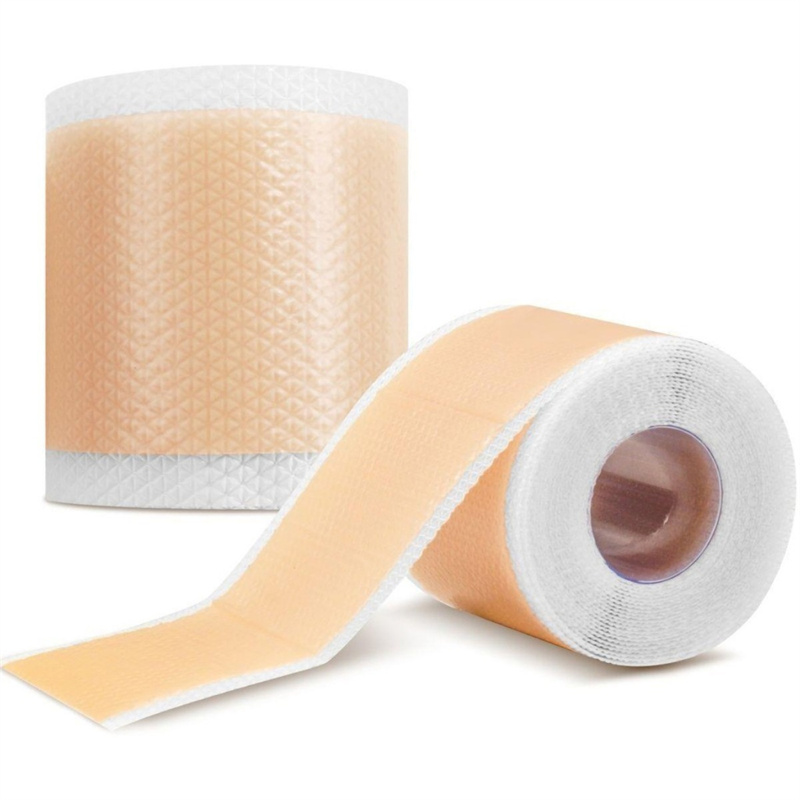
Silicone gel dressings have become an important tool in the management of scars and wounds. These dressings are designed to be used on both fresh and older scars to help prevent or reduce the appearance of scar tissue by providing a protective barrier. The silicone gel is flexible, breathable, and conforms well to the skin, which makes it suitable for use on various types of wounds, including surgical scars, burns, and hypertrophic scars. It is commonly used for its ability to help keep the wound hydrated while protecting it from external contaminants, thus promoting healing and improving the appearance of scars over time. Proper usage of silicone gel dressing is essential to achieve the best results, and it requires understanding both how to apply it effectively and how to care for it during the healing process.
Silicone gel dressings are primarily used for managing scars, whether they are a result of surgery, burns, or other types of trauma. The silicone in these dressings works by creating an environment that helps to hydrate the scar tissue and regulate the production of collagen, which is a key factor in scar formation. By maintaining optimal moisture levels, silicone gel dressings help soften and flatten scars, reduce their redness, and ultimately improve their appearance. Additionally, silicone gel dressings provide a gentle pressure on the scar, which can further aid in flattening and preventing the formation of raised, thick scars.
These dressings can also be used to cover the wound site during the healing process, providing a barrier against dirt, bacteria, and other external contaminants that could cause infections or complications. Silicone gel dressings are designed to be non-invasive, and unlike some other wound care products, they do not adhere to the wound itself. This minimizes pain and discomfort when removing the dressing, making them a more comfortable option for patients.
Correctly applying silicone gel dressings is essential to ensure that the dressing functions as intended and provides optimal results. The application process is relatively simple, but it requires attention to detail to avoid errors that could hinder healing or lead to discomfort.
Before applying the silicone gel dressing, the area of skin that will receive the dressing should be thoroughly cleaned and dried. It is important to remove any debris, dirt, or old dressing to avoid contamination. Gently wash the area with mild soap and water, then pat the skin dry with a clean towel. It is important to avoid using harsh chemicals or alcohol-based products, as these can irritate the skin and interfere with the dressing’s effectiveness.
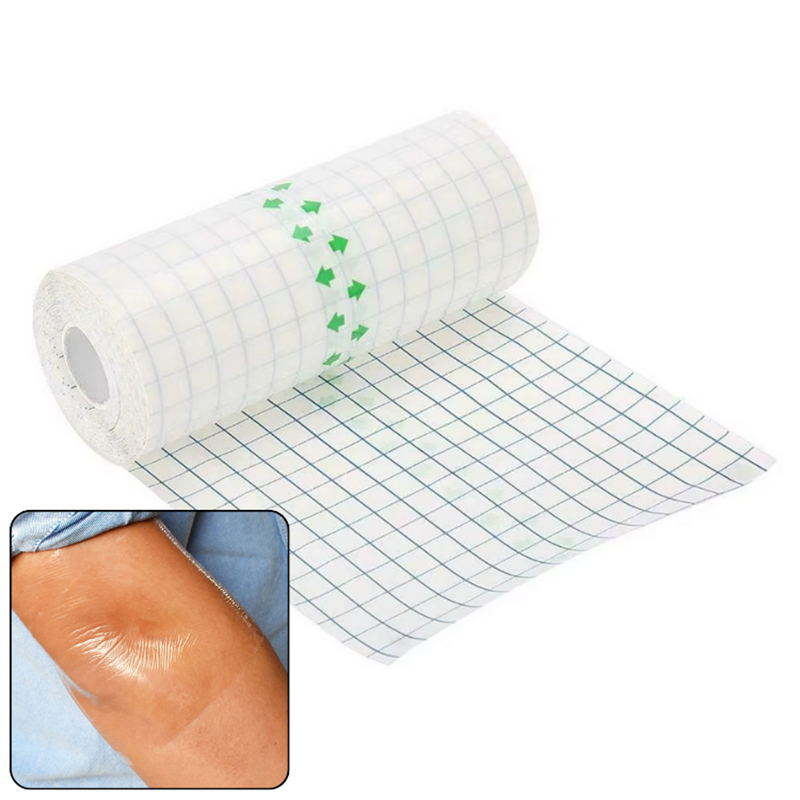
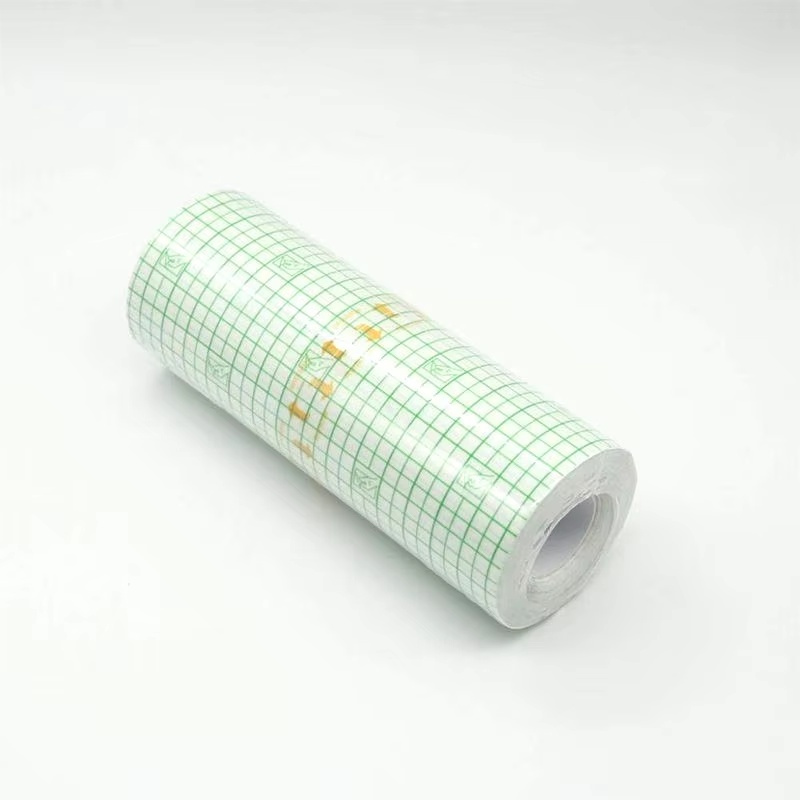
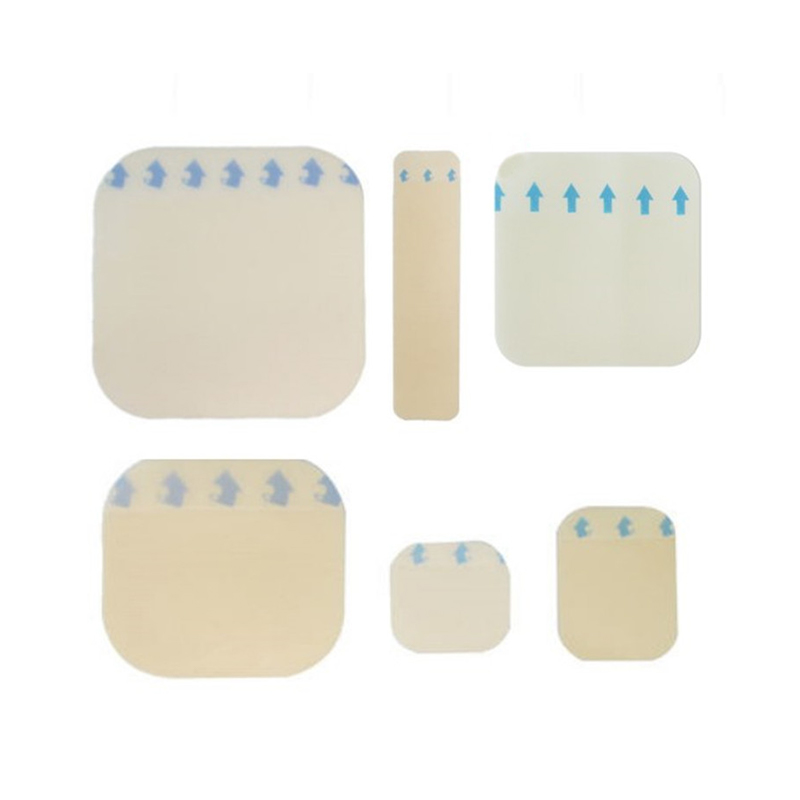
Once the skin is clean and dry, the silicone gel dressing can be applied directly to the affected area. Silicone gel dressings typically come in pre-cut shapes, sheets, or tubes, depending on the manufacturer and the area being treated. If using a sheet-style dressing, simply cut it to the appropriate size to fit the scar or wound. It is important to ensure that the dressing fully covers the scar, with a small overlap onto the surrounding healthy skin to create a protective seal.
For areas that may be difficult to cover, such as curved or irregularly shaped scars, it is helpful to use silicone gel sheets that can be cut or shaped to fit. Silicone gel in tube form can be applied directly to the scar and then spread evenly across the surface with clean fingers or a sterile applicator. Regardless of the form, ensure that the dressing adheres well without creating wrinkles or folds that could cause discomfort or hinder its effectiveness.
The effectiveness of silicone gel dressings largely depends on the duration and frequency of use. To achieve the desired results, the dressing should be applied consistently over an extended period of time. It is generally recommended to wear silicone gel dressings for at least 12 to 24 hours per day. In some cases, patients may be advised to wear the dressing for longer periods, depending on the severity of the scar or the specific medical advice provided by their healthcare provider.
For the best results, the dressing should be used continuously for several weeks or months. In some cases, it may take up to three months of daily use before noticeable improvements in the appearance of the scar are seen. It is important to follow the recommended usage instructions provided by the manufacturer or healthcare provider to ensure the best possible outcome.
During the application process, it is also crucial to replace the silicone gel dressing regularly. Most silicone gel dressings are designed to be used for a period of several days before being replaced. However, the dressing should be checked frequently for signs of wear, such as lifting at the edges, contamination, or a buildup of sweat. If the dressing becomes wet or soiled, it should be removed and replaced immediately to ensure that the healing process is not compromised.
Removing silicone gel dressings is generally painless, but care should still be taken to ensure that the dressing is removed gently to avoid damaging the skin or the healing wound. Unlike traditional adhesive bandages, silicone gel dressings do not stick to the wound itself, making the removal process relatively simple. To remove the dressing, simply peel it off slowly and carefully, starting from one edge. If there is any resistance or discomfort, it may be helpful to use warm water to loosen the adhesive, making removal easier.
Once the old dressing is removed, the wound or scar area should be cleaned gently to remove any residue or buildup left behind by the dressing. Avoid using abrasive materials that could irritate the skin. After cleaning the area, allow the skin to dry fully before applying a new dressing. If the skin is particularly sensitive or irritated, it may be helpful to allow the area to rest for a short time before reapplying the silicone gel dressing.
While silicone gel dressings are generally safe and well-tolerated, there are certain precautions and considerations to keep in mind when using them. First, it is important to avoid using silicone gel dressings on infected wounds or open skin that has not yet healed. These dressings are best used on mature scars or wounds that are in the final stages of healing.
Before using a silicone gel dressing, it is advisable to consult a healthcare provider, especially if the scar or wound is large, deep, or caused by a surgical procedure. Your healthcare provider can offer guidance on the suitability of silicone gel dressings for your specific condition and provide personalized instructions for usage. They can also help monitor the healing process and ensure that the dressing is contributing to the best possible outcome.
In addition, it is important to avoid wearing silicone gel dressings on excessively moist or sweaty areas. If the dressing becomes wet, it should be removed, dried, and replaced promptly. Silicone gel dressings should also not be used if there is any skin irritation or allergic reaction, such as redness, itching, or swelling. If any adverse reactions occur, it is essential to remove the dressing and consult a healthcare professional immediately.
To maintain the effectiveness of silicone gel dressings, it is important to store them properly. These dressings should be kept in a cool, dry place away from direct sunlight and excessive heat. Most silicone gel dressings are reusable for a certain period, but over time, they may lose their adhesive properties or become worn out. Therefore, it is important to inspect the dressings regularly and replace them as needed to ensure proper function.
To clean the dressings, simply rinse them under lukewarm water after each use to remove any dirt, oils, or residues that may accumulate. Avoid using harsh cleaning agents or chemicals, as these may degrade the silicone material. Allow the dressing to air dry thoroughly before reusing it. Following the manufacturer’s care instructions will help extend the life of the silicone gel dressing and ensure that it continues to perform effectively.
Silicone gel dressings are most effective when used consistently and as directed over a period of time. The typical expected result is a gradual reduction in the appearance of scars, including a decrease in redness, thickness, and elevation. In some cases, scars may become more flexible and softer to the touch. Over time, silicone gel dressings help promote smoother, flatter, and less noticeable scars.
It is important to note that the results may vary depending on factors such as the type and age of the scar, the individual’s skin type, and how consistently the silicone gel dressing is used. For fresh scars, such as those from surgery or burns, noticeable improvements may take several weeks of regular use. For older scars, the process may take longer, and results can vary. Patience and consistency are essential when using silicone gel dressings for scar management.
contact us
Don't hesitate to contact when you need us!

Contact Information
NO.3 Jinshui Road, Xiwu Street, Fenghua District, Ningbo, ZheJiang, China.
+86-18158557875





 English
 中文简体
中文简体
 русский
 Español