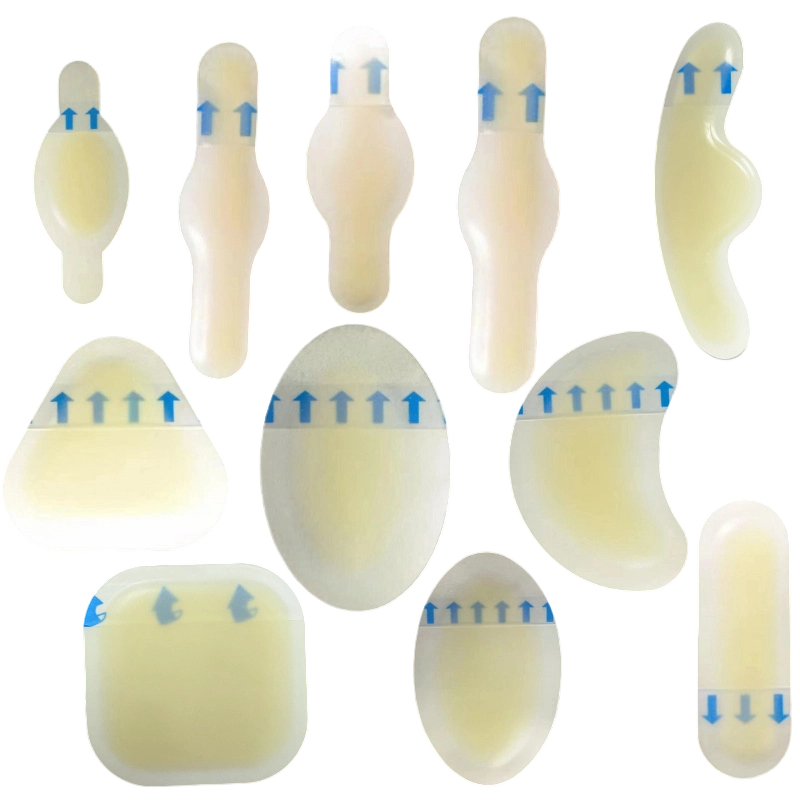
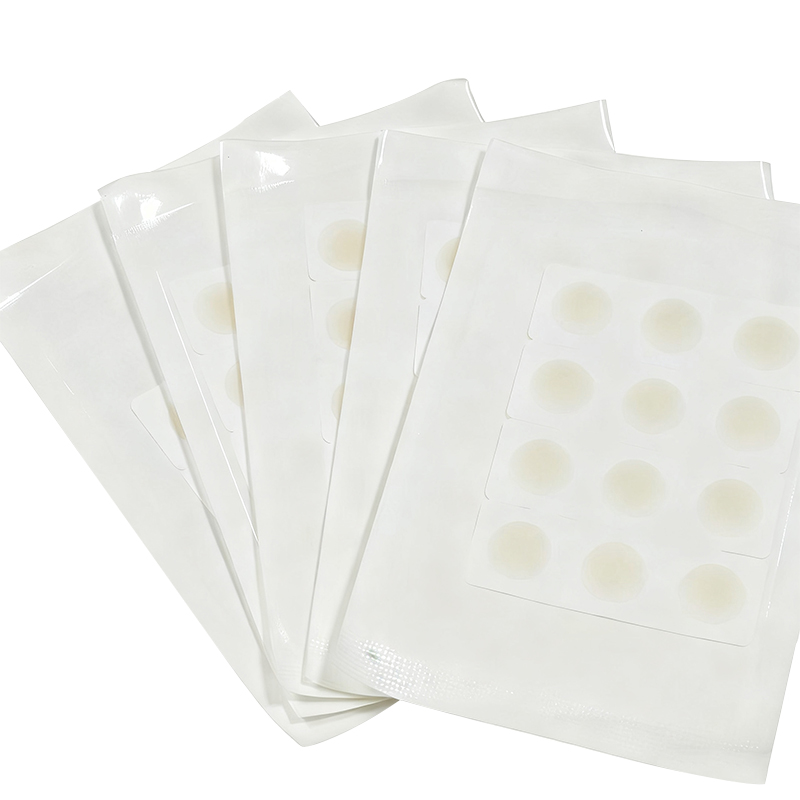
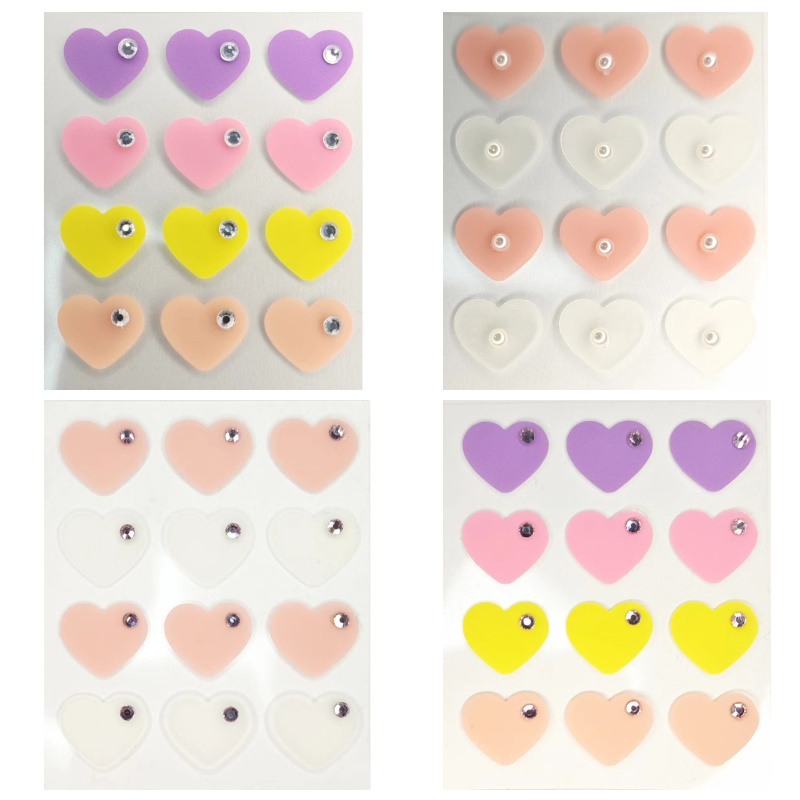
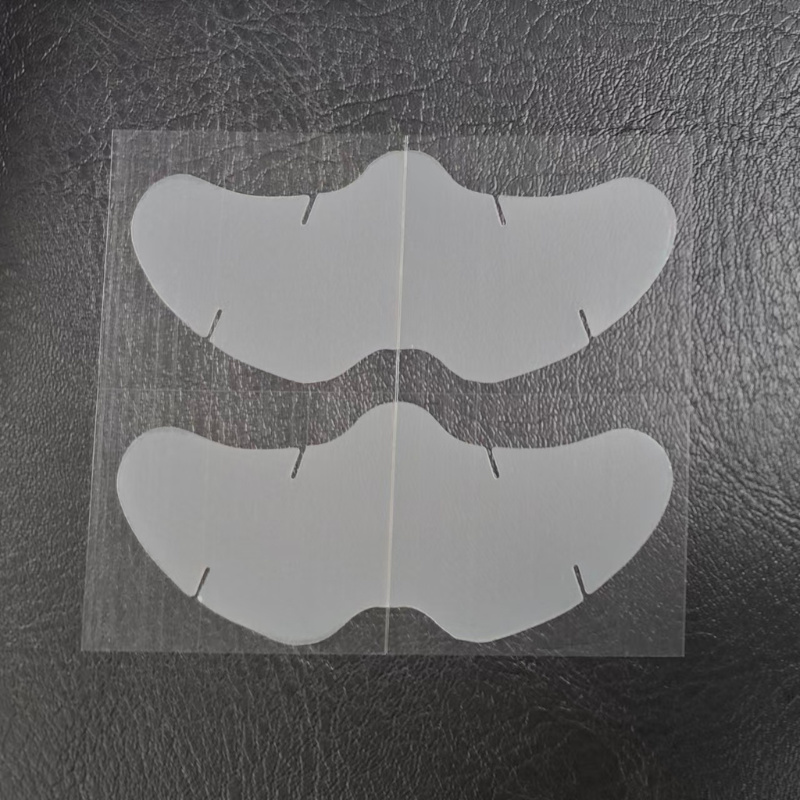
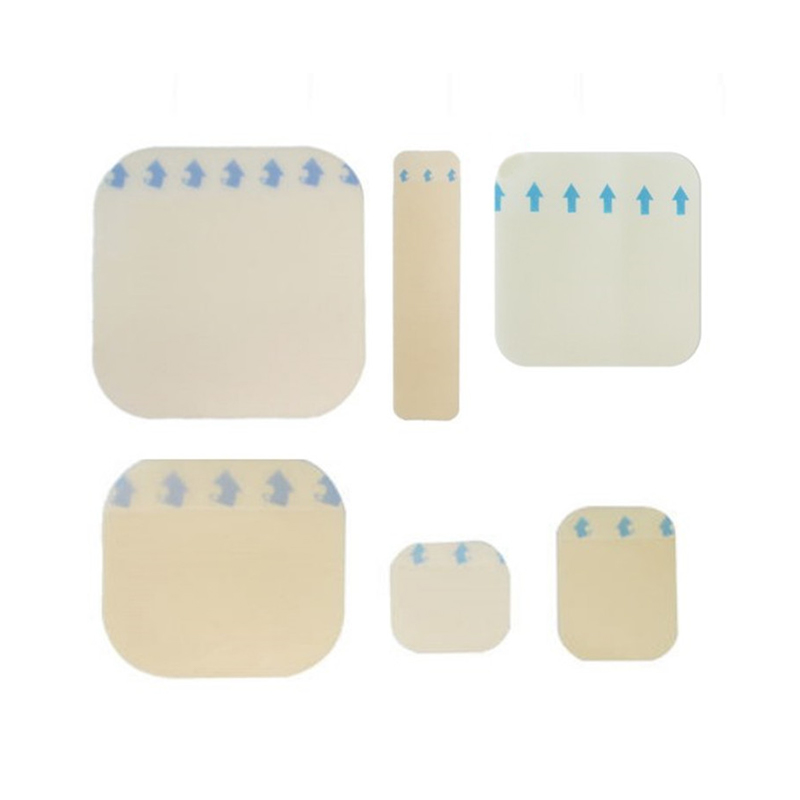
A runner presses a small round patch over a hot spot on the heel. A teenager dabs a 12 mm dot onto a whitehead. A nurse covers a closed surgical line. Three different products, three different shelves, one shared technology: a gelled, moist interface held against the skin.
The practical takeaway comes first. What separates a patch that stays on for four days from one that peels off in an hour is not the name printed on the box. It is particle loading, adhesive chemistry, backing film, and thickness. Those same four variables are exactly what you write into a purchase specification, which is why they matter as much to a clinic as to a private-label brand owner.
A hydrocolloid bandage is an adhesive dressing with hydrophilic particles suspended in the adhesive layer. Sodium carboxymethyl cellulose is the most common choice, sometimes blended with gelatin or pectin. When those particles meet wound fluid, they absorb it and swell into a cohesive gel. The gel does three jobs at once: it keeps the wound bed moist, it forms a soft non-adherent cushion over sensitive tissue, and it seals the site against dirt and water.
What it does not do is vacuum debris out of a wound. Absorption capacity is finite. A 0.4 mm patch over a lightly oozing abrasion is comfortable for days; the same patch over a heavily exuding wound saturates within hours, the gel reaches the border, the adhesive lifts, and maceration starts at the edges. Most complaints about hydrocolloid bandages trace back to this mismatch rather than to the material itself. If you want the physiology in more depth, our note on the moisture balance behind hydrocolloid healing walks through it step by step.
Every hydrocolloid product on the market is a stack of four functional layers. Two suppliers can quote the same size and the same price per piece while delivering completely different clinical behavior, because the numbers behind these layers differ.
| Layer | Typical material | What it controls | What to put in your spec |
|---|---|---|---|
| Backing film | Polyurethane film or nonwoven | Breathability, waterproofing, conformability | MVTR in g/m²/24h, film thickness in µm, matte or glossy finish |
| Adhesive matrix | Acrylic or hot-melt adhesive carrying the particles | Initial tack, peel strength, residue on removal | Peel adhesion in N/25 mm, coating weight in g/m² |
| Hydrocolloid particles | Sodium carboxymethyl cellulose, sometimes with gelatin or pectin | Absorption speed and gel cohesion | Particle loading in g/m², swell behavior |
| Release liner | PE-coated paper or PET film | Die-cutting accuracy, ease of peeling | Liner type, release force |
A 0.25 mm patch and a 1.0 mm bordered dressing can share the same formulation and still behave like different products. Thin versions conform to curved, mobile surfaces such as the forehead, the nose, and the back of the hand, and they disappear under makeup. Thick versions hold more fluid and cushion against pressure and shear, which is why they dominate heel, elbow, and sacral use.
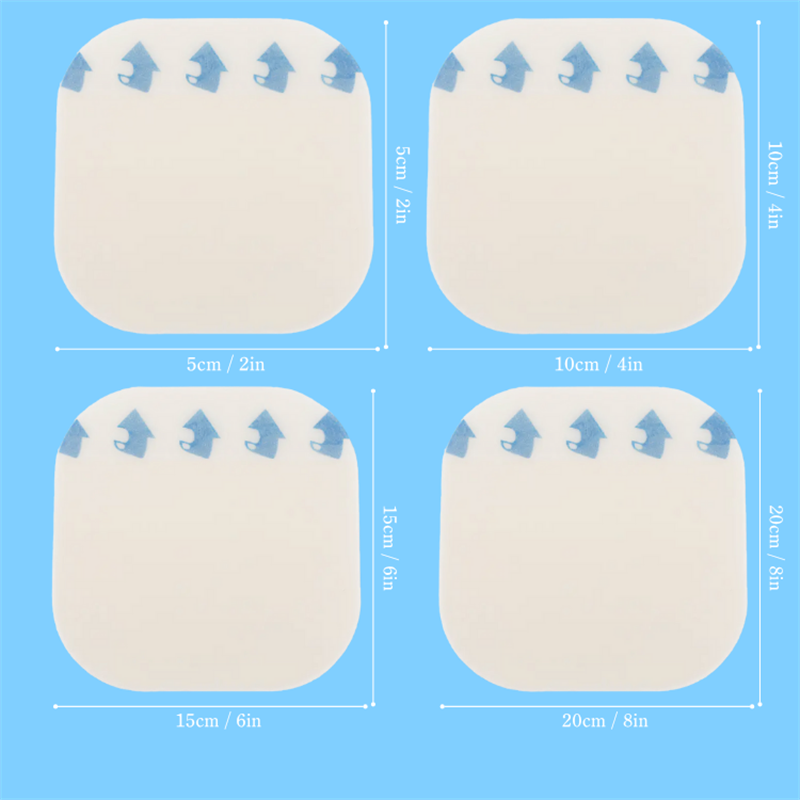 Ultra-Thin Borderless Hydrocolloid Dressing for Facial and Curved SurfacesA thin, cuttable hydrocolloid dressing that conforms to facial and mobile areas while absorbing exudate and supporting superficial wound coverage.View Product →
Thickness also drives the failure mode. A patch that is too thin on a wet wound saturates early and wrinkles at the edges. A patch that is too thick on the face lifts whenever the wearer smiles. When a product line is being built, it usually makes sense to start with one mid-range thickness for general wound care and one ultra-thin format for facial use, then expand from there.
Hydrocolloids are at their best on clean, superficial, lightly to moderately exuding wounds where the skin around the site is intact. Outside that zone, the dressing works against you.
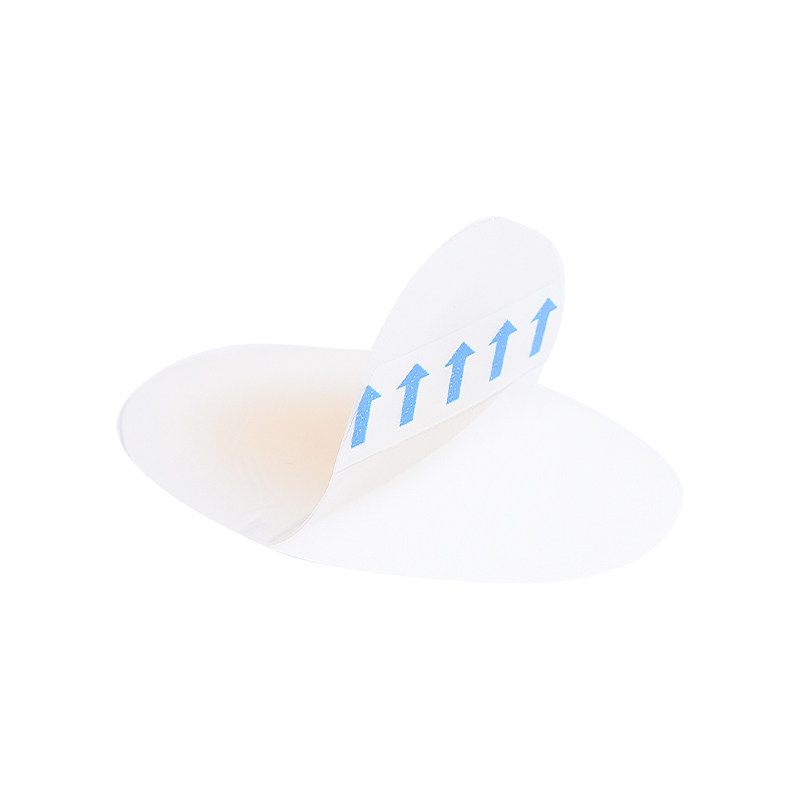 Hydrocolloid Blister Patch for Foot Friction and ExudateA water-resistant, breathable hydrocolloid patch that conforms to foot contours to reduce friction and help manage blister exudate.View Product →
Technique accounts for a surprising share of the complaints attributed to the material. The sequence is short but each step matters.
High-friction sites behave differently from flat ones. A patch on the sacrum or the heel takes continuous shear every time the person turns or walks, so a bordered format with a wider adhesive rim and a thicker gel core holds far longer than a simple oval.
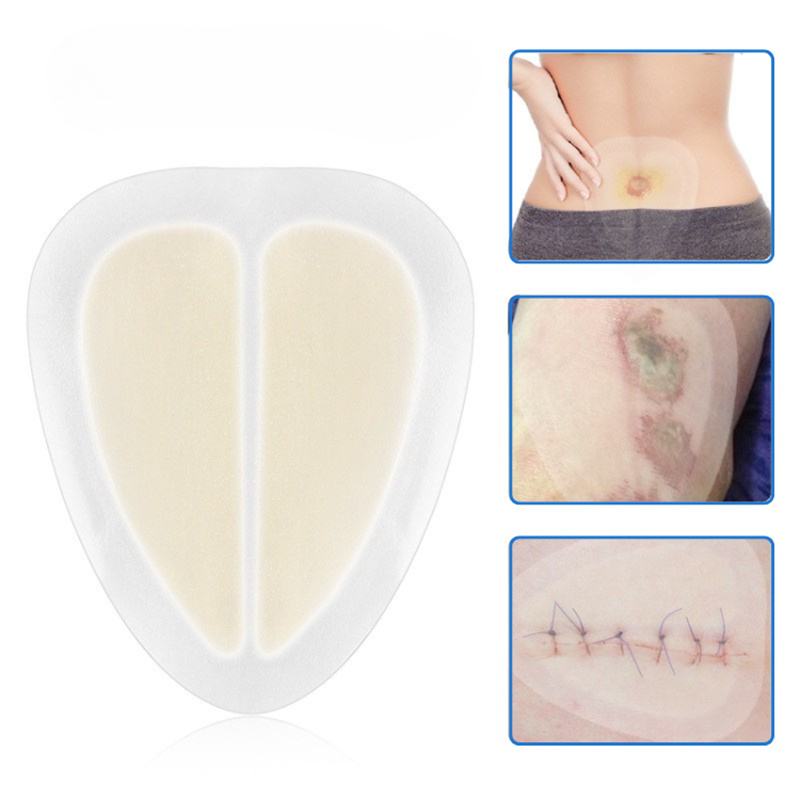 Sacral Hydrocolloid Dressing for Pressure Ulcer ProtectionA large sacral dressing with a waterproof surface and hydrocolloid absorbent layer, shaped to protect vulnerable skin under pressure and moisture.View Product →
For buyers, the specification sheet is the product. Ask for measured values rather than adjectives, and compare them against the intended use.
Hydrocolloid is one of the more customization-friendly dressing platforms because shape, color, thickness, tack, and absorption can be adjusted somewhat independently. As a medical dressing manufacturer working with brand owners and importers, we routinely see projects where the artwork is ready but the specification is not, which is where timelines slip.
Plan the calendar around three stages rather than one. Sampling typically runs 7 to 10 days for a standard construction and longer if new tooling or color matching is needed. Standard catalog products ship in roughly 3 to 5 days, while fully customized items usually need 20 to 25 days in production. Build a buffer for regulatory review and for the first-article approval, and confirm minimum order quantities per size before committing to a multi-SKU launch.
Hydrocolloid bandages are simple to describe and easy to get wrong. The material works by holding a moist, protective gel against the skin, and everything else — thickness, particle loading, adhesive strength, backing film — is an engineering choice that determines whether that gel helps or hinders. Match the format to the site and the exudate level, verify the numbers on the specification sheet, and the dressing will do exactly what the category promises.
contact us
Don't hesitate to contact when you need us!

Contact Information
NO.3 Jinshui Road, Xiwu Street, Fenghua District, Ningbo, ZheJiang, China.
+86-18158557875





 English
 中文简体
 русский
 Español